
Are you feeling the pressure of rising costs, shifting consumer spending, and economic uncertainty? You’re not alone—many convenience store owners are navigating these challenges. But here’s the good news: with the right strategies, you can’t only survive but thrive in this environment. Let’s dive into the 5 practical and actionable ways to adapt and succeed.
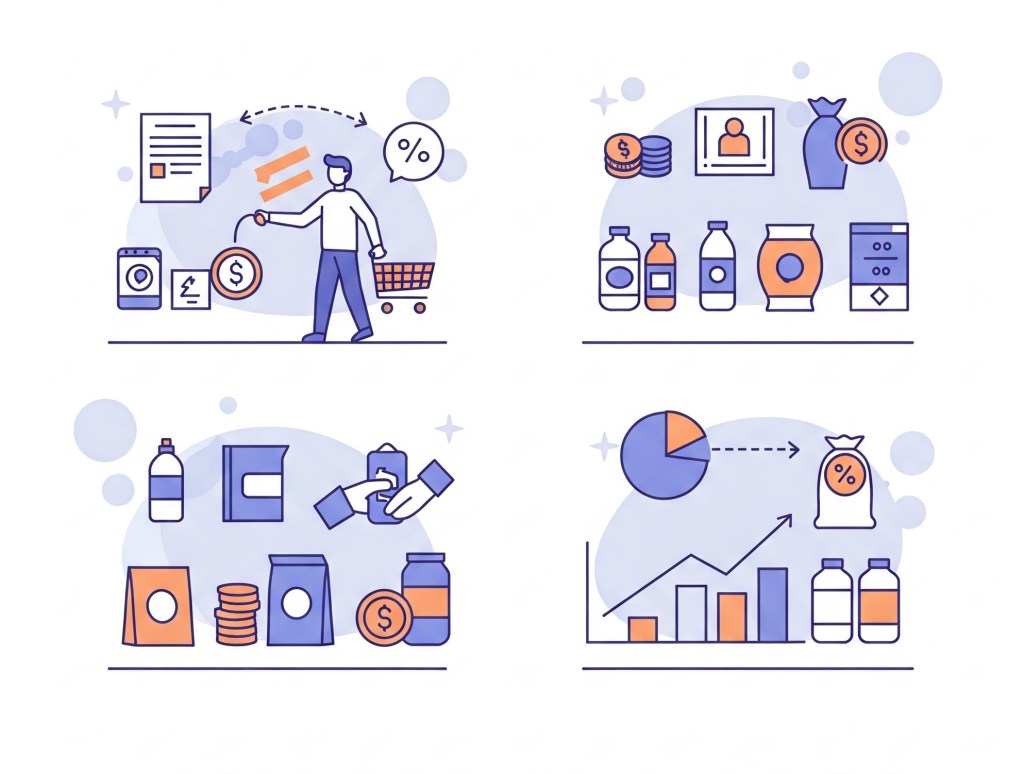
1. Rethink Pricing and Promotions: Be Strategic
When prices rise, it’s tempting to just increase everything across the board—but that can backfire. Instead, think strategically about how you price and promote your products.
- Adjust Prices Thoughtfully
Not all products are created equal. Some items are more price-sensitive than others. For example, if snacks are your top seller, raising their prices might drive customers away. Instead, consider bundling them with drinks or offering tiered pricing options that give customers more choices. - Run Targeted Promotions
Use your sales data to figure out which promotions resonate most with your customers. Limited time offers, loyalty program discounts, or value bundles can drive foot traffic and boost sales. Don’t forget to work with suppliers for promotional pricing—they’re often willing to collaborate. - Add Private Label Products
Private label items (your store’s own brand) are a win-win: they offer customers lower-cost options while increasing your margins. Think about adding staples like snacks or pantry items under your own label.
💡 Pro Tip: Ask yourself—what promotions have worked best for my store in the past? Build on those successes!
2. Optimize Inventory: Waste Less, Save More
Nobody likes throwing money away on unsold or spoiled goods—especially during tough times. Here’s how you can stay on top of your inventory game:
- Use Data to Forecast Demand
Your sales data is a goldmine of information. Use it to predict what products will sell and when. This helps you avoid overstocking (or understocking) and keeps waste to a minimum. - Build Strong Supplier Relationships
Negotiating better terms with suppliers can save you money in the long run. Consider working with local suppliers—they often have lower transportation costs and can help you support your community. - Leverage Technology
Inventory management software is a game-changer. It automates ordering, tracks product movement, and even monitors shelf life to reduce spoilage. One store owner I know cut waste by 30% just by using these tools—imagine what that could mean for your bottom line!
💡 Pro Tip: Perishable items like fresh foods are often the biggest culprits for waste—focus on managing these carefully.
3. Enhance Your In-Store Experience
Think about the last time you enjoyed shopping somewhere—what made it memorable? Chances are it was more than just low prices. Customers value a great shopping experience just as much as they value affordability.
- Focus on Fresh and Prepared Foods
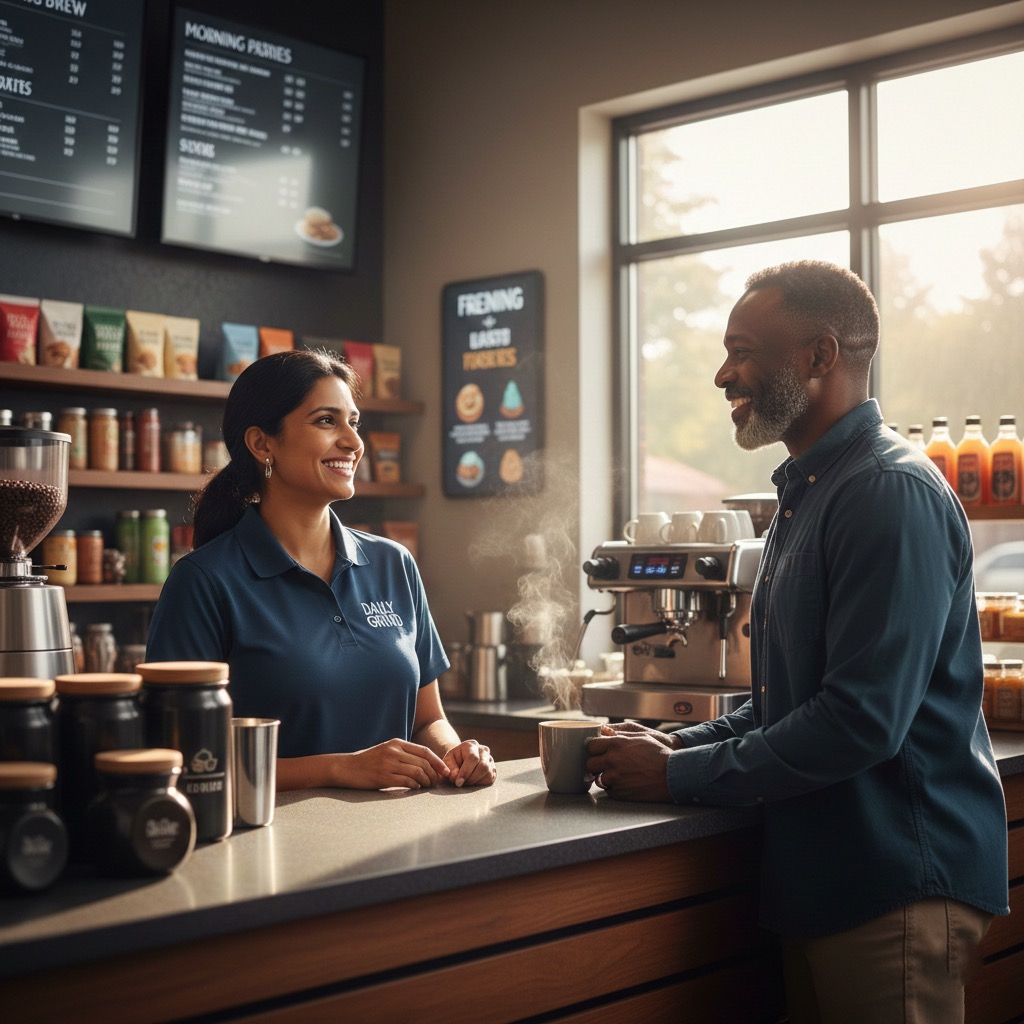
Freshness sells! With more people looking for convenient meal solutions, offering high-quality prepared foods can set you apart from competitors (and even restaurants). Think grab-and-go meals or fresh salads. - Reward Loyal Customers
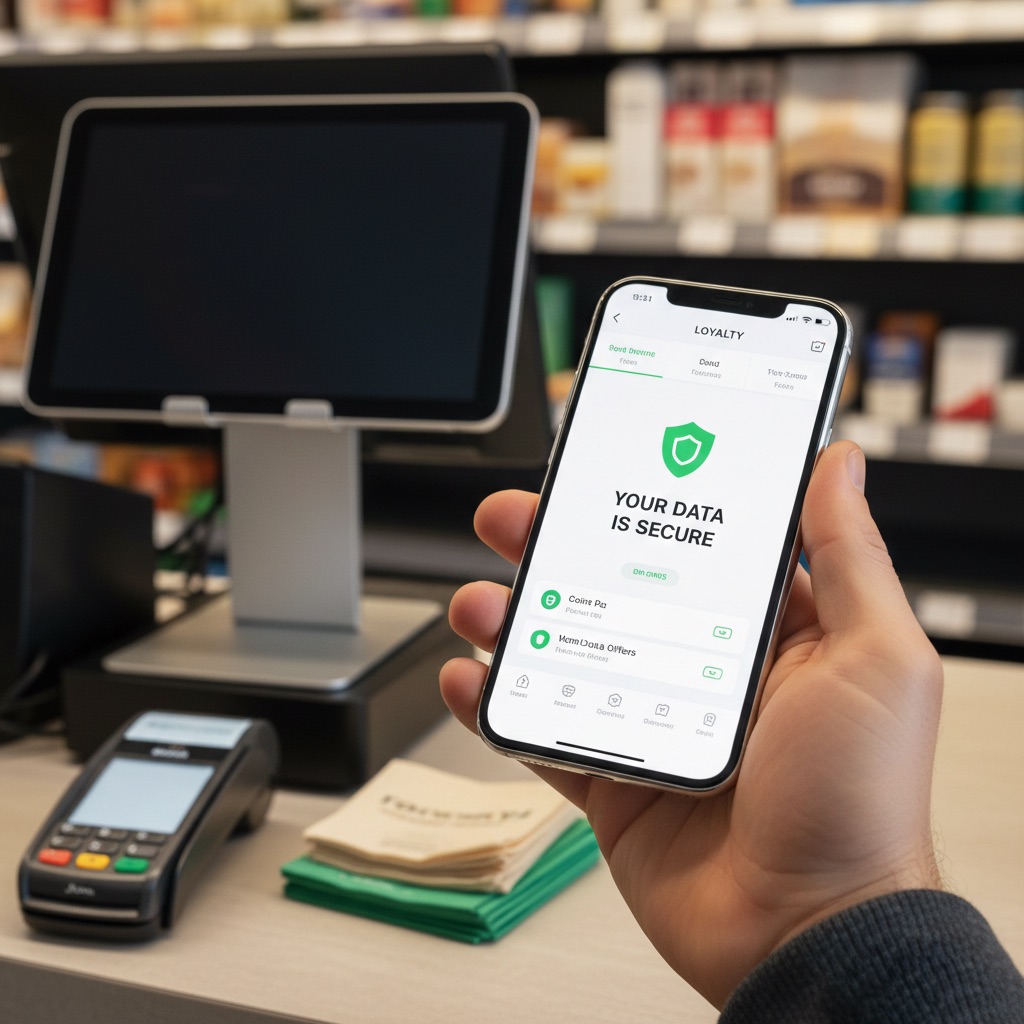
Loyalty programs aren’t just nice-to-haves—they’re powerful tools for building relationships with repeat customers. Use customer data to personalize offers that make shoppers feel valued. - Create a Welcoming Store Layout
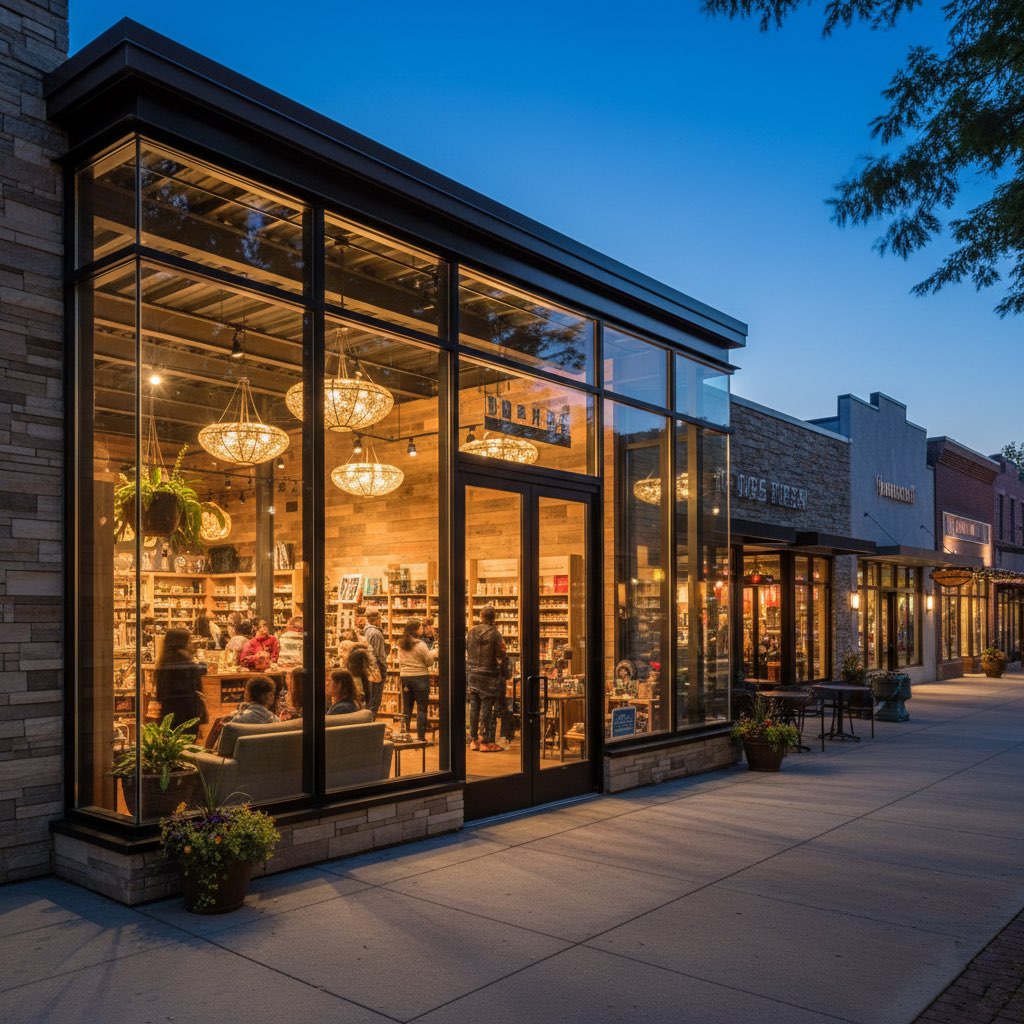
A well-designed store layout encourages impulse buys and makes shopping enjoyable. Picture walking into a bright, organized space where everything feels fresh and easy to find—that’s the kind of environment that keeps customers coming back.
💡 Pro Tip: Small touches like better lighting or clear signage can make a big difference in how customers perceive your store.
4. Control Operating Costs Without Cutting Corners
Running a business means keeping an eye on expenses—but cutting costs doesn’t have to mean cutting quality. Here’s how you can save smartly:
- Go Green (and Save Money)
Energy-efficient lighting, HVAC systems, and refrigeration equipment aren’t just good for the planet—they’re good for your wallet too! Many energy companies even offer rebates for upgrading equipment. - Streamline Labor Costs
Crosstrain employees so they can handle multiple roles when needed—it’s like having a Swiss Army knife team! Also, consider using technology like self-checkout systems or scheduling software to improve efficiency. - Reduce Waste Everywhere
Waste isn’t just about inventory—it’s about everything from packaging to energy use. Implement recycling programs and look for ways to cut down on unnecessary materials.
💡 Pro Tip: Saving on operating costs isn’t just about numbers—it’s about creating a more sustainable business model.
5. Adapt to SNAP Cutbacks: Support Affordability
With recent changes in SNAP benefits (Supplemental Nutrition Assistance Program), many families are feeling the pinch—and so are businesses that rely on SNAP customers. Here’s how you can adapt:
- Offer Affordable Options
Stock up on budget-friendly products like private label items or value bundles. Clearly highlight items that qualify for SNAP benefits, so customers know their options. - Engage with Your Community
Partner with local food banks or host events that promote affordable food solutions. For example, you could run a “stretch your dollar” campaign featuring discounted staples. - Promote Value Loudly
Make sure customers know where they can find deals in your store—whether it’s through signage, flyers, or social media posts.
💡 Pro Tip: Helping customers save money builds trust—and loyal customers are worth their weight in gold.
The Bottom Line: Thriving in Tough Times
Inflation and economic pressures may feel overwhelming at times, but they also present opportunities for innovation and growth. By implementing these strategies—rethinking pricing, optimizing inventory, enhancing customer experiences, controlling costs, and adapting to affordability concerns—you’ll position your business for long-term success.So, what do you think? Which of these strategies will you try first? Share your thoughts in the comments below—I’d love to hear from you!




 The5For
Leave a comment