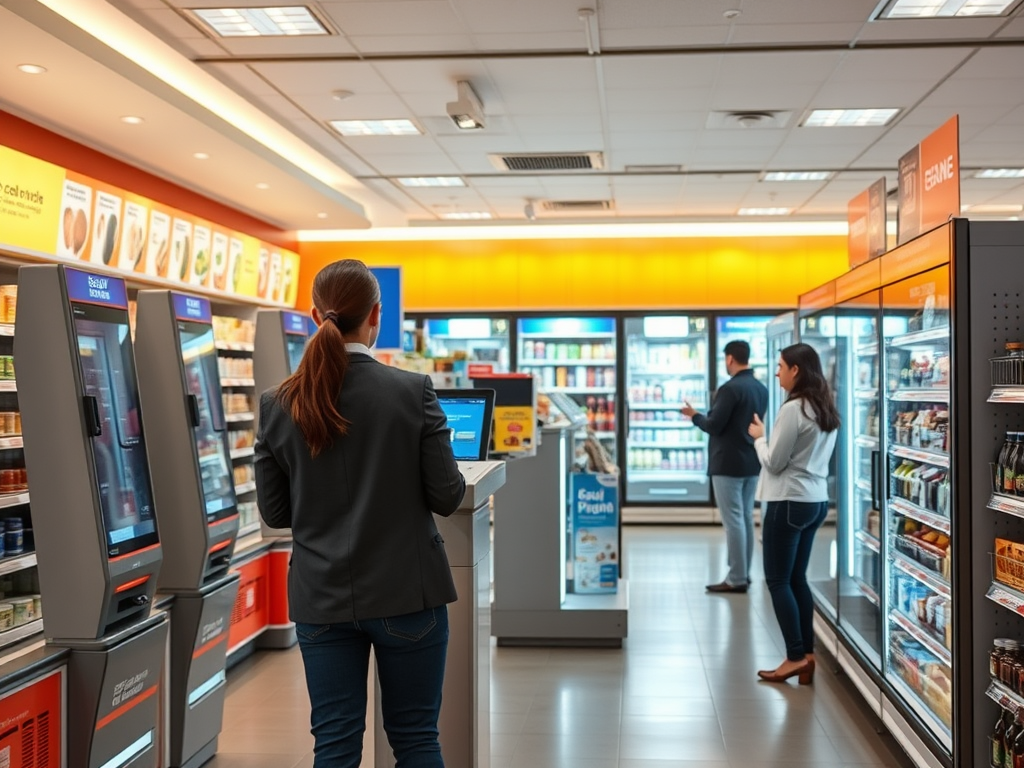
Adopting new technology can feel overwhelming for many convenience store owners. It’s not just about installing the latest gadgets; it’s about integrating them effectively into your operations and ensuring they deliver real value. Here are the 5 practical strategies to help convenience stores embrace technology without the headaches.
1. Start Small: Incremental Implementation and Targeted Training
Jumping into a full-scale tech overhaul can be risky and disruptive. Instead, take a phased approach to implementation.
- Focus on Pilot Programs
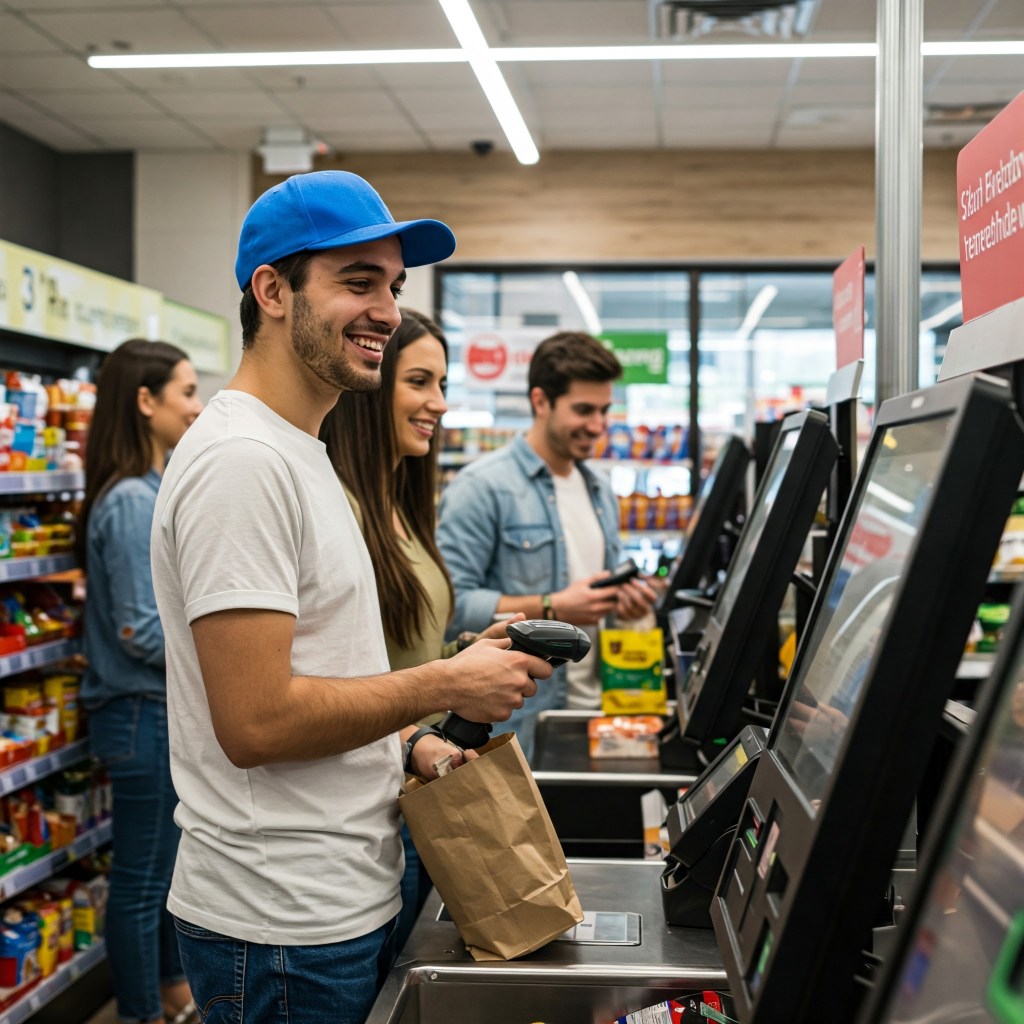
Start with small-scale rollouts of new technology, like introducing self-checkout kiosks in a few lanes before expanding storewide. This lets you test the waters and identify any issues early. - Train Your Team Thoroughly
Equip your staff with hands-on training and easy-to-follow guides. Consider creating video tutorials they can access anytime, ensuring everyone feels confident with the new systems. - Why It Works
Starting small reduces costly mistakes and minimizes disruptions to daily operations. Plus, targeted training builds staff confidence and lowers resistance to change, increasing the likelihood of successful adoption.
💡 Pro Tip: Involve employees in the process by asking for feedback during pilot programs—they’ll feel more invested in the changes.
2. Choose User-Friendly, Cloud-Based Systems
Not all tech solutions are created equal. Prioritize tools that are intuitive, easy to use, and require minimal IT expertise.
- Focus on Simplicity
Opt for cloud-based systems that offer remote access, automatic updates, and seamless integration with your existing point-of-sale (POS) systems. These solutions reduce the need for in-house IT support. - Examples of Implementation
Use inventory management software with mobile access or self-checkout kiosks featuring clear instructions and troubleshooting features. Partner with vendors that provide excellent customer support to ease the transition. - Why It Works
User-friendly systems reduce staff frustration and downtime while keeping your technology secure and up-to-date. They also lower implementation costs by minimizing the need for technical expertise.
💡 Pro Tip: Test new systems yourself before rolling them out—if it’s not intuitive for you, it won’t be for your team either.
3. Use Data and AI to Drive Decisions
Data isn’t just numbers—it’s actionable insight that can transform your business. Leverage analytics and AI-powered tools to optimize operations and enhance customer experience.
- Focus on Data-Driven Insights
Use sales data to identify trends, optimize inventory levels, and forecast demand. AI tools can help personalize promotions based on customer purchase patterns or determine ideal product placements. - Examples of Implementation
Implement inventory management systems that track real-time sales data or use AI-powered tools to recommend targeted discounts. For example, if snacks sell best in the afternoon, schedule promotions during that time to maximize sales. - Why It Works
Data helps you make informed decisions, reducing waste and increasing efficiency. Personalized offers improve customer satisfaction while boosting sales.
💡 Pro Tip: Review your sales data weekly to spot trends early—this keeps you ahead of customer demands.
4. Partner with Technology Vendors for Seamless Integration
You don’t have to go it alone when adopting new technology. Partnering with experienced vendors can make all the difference.
- Focus on Vendor Expertise
Choose vendors who understand the convenience store industry and offer robust support services. Negotiate contracts that include training, ongoing support, and system updates. - Examples of Implementation
Work with vendors to create customized implementation plans tailored to your store’s needs. Take advantage of their training resources and establish clear communication channels for troubleshooting. - Why It Works
Partnering with experts reduces the burden on your team while ensuring smooth integration of new systems. Access to ongoing support minimizes downtime and keeps operations running smoothly.
💡 Pro Tip: Ask vendors for case studies or references from other convenience stores—they’ll give you insights into what works.
5. Focus on Customer-Facing Technology
At the end of the day, technology should enhance—not complicate—the customer experience. Prioritize tools that make shopping faster, easier, and more enjoyable.
- Focus on Convenience
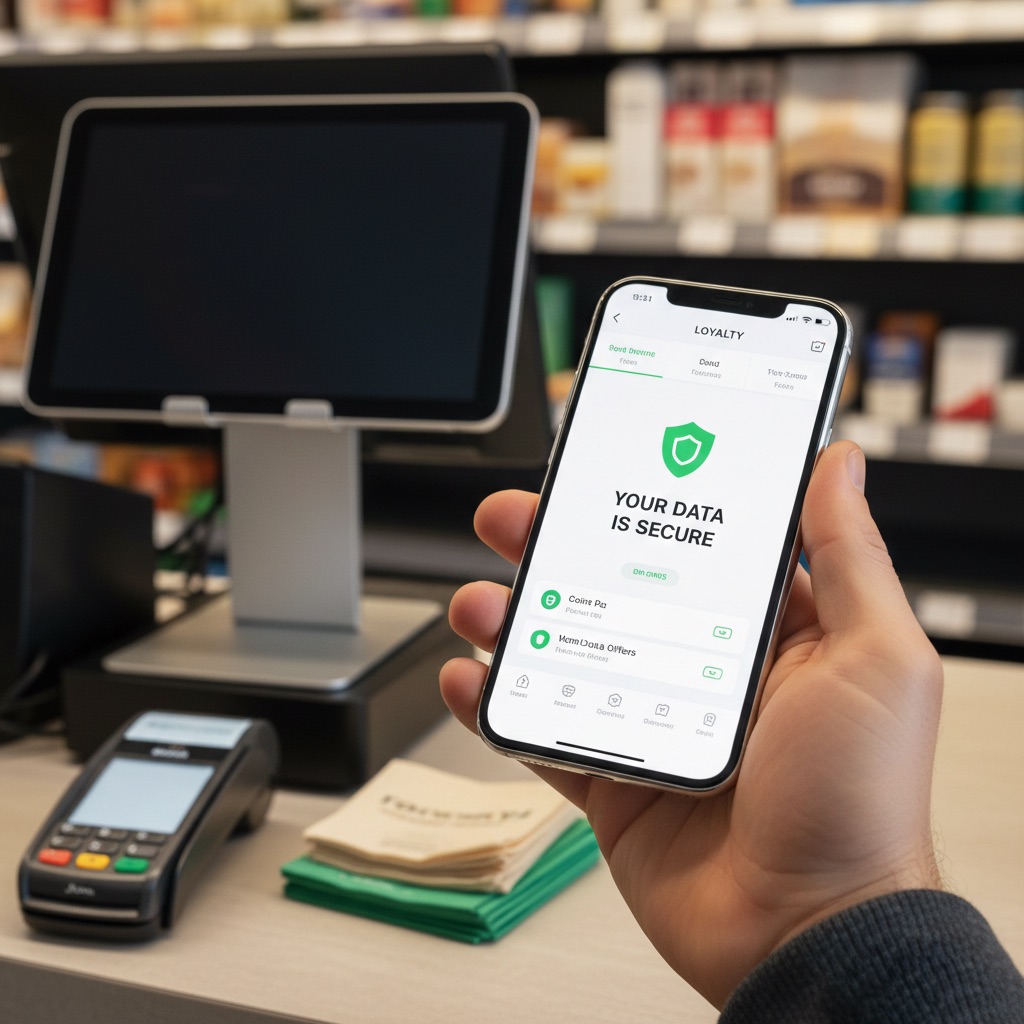
Offer mobile ordering apps, loyalty programs, or self-service kiosks that speed up transactions while rewarding repeat customers. Digital signage can showcase dynamic promotions or product information in real time. - Examples of Implementation
Develop a user-friendly mobile app where customers can order ahead or earn rewards points. Install self-checkout kiosks for quick purchases or digital displays near checkout counters highlighting deals of the day. - Why It Works
Customer-facing tech increases satisfaction by reducing wait times and offering personalized experiences. Happy customers are more likely to return—and spend more.
💡 Pro Tip: Gather feedback from customers after implementing new technologies—it shows you care about their experience while helping you refine your offerings.
The Bottom Line: Embracing Technology Without Overwhelm
Technological adaptation doesn’t have to be daunting if approached strategically. By starting small, choosing user-friendly systems, leveraging data insights, partnering with experts, and focusing on customer-facing tools, convenience store owners can overcome challenges and unlock significant benefits—from streamlined operations to happier customers.
Which strategy resonates most with you? Let me know in the comments below—I’d love to hear how you’re tackling tech in your store!




 The5For
Leave a comment