
Welcome back to The 5 For, your daily rundown of the most impactful convenience store news shaping the industry. Looking back on Friday, May 9th, we’re spotlighting a blockbuster M&A deal, the evolving habits of Gen Z, retail expansion strategies, the power of new store formats, and the intensifying beverage battle. Here’s what you need to know:
1. Sunoco’s $9.1 Billion Play: Parkland Acquisition Reshapes the Map
Sunoco’s proposed $9.1 billion acquisition of Parkland Corporation marks one of the largest deals in the fuel and convenience sector this year. The transaction covers 3,705 retail locations globally-including 645 in the U.S.-and signals Sunoco’s continued focus on energy infrastructure. Parkland’s U.S. retail network, which has faced operational and regulatory headwinds (with Q1 adjusted EBITDA dropping to $16 million from $31 million year-over-year), will be under the microscope as integration unfolds. For independent operators, this consolidation could mean increased competition, changes in supply dynamics, and potential opportunities if Sunoco divests select sites. Watch for ripple effects in regional markets and possible shifts in wholesale relationships.
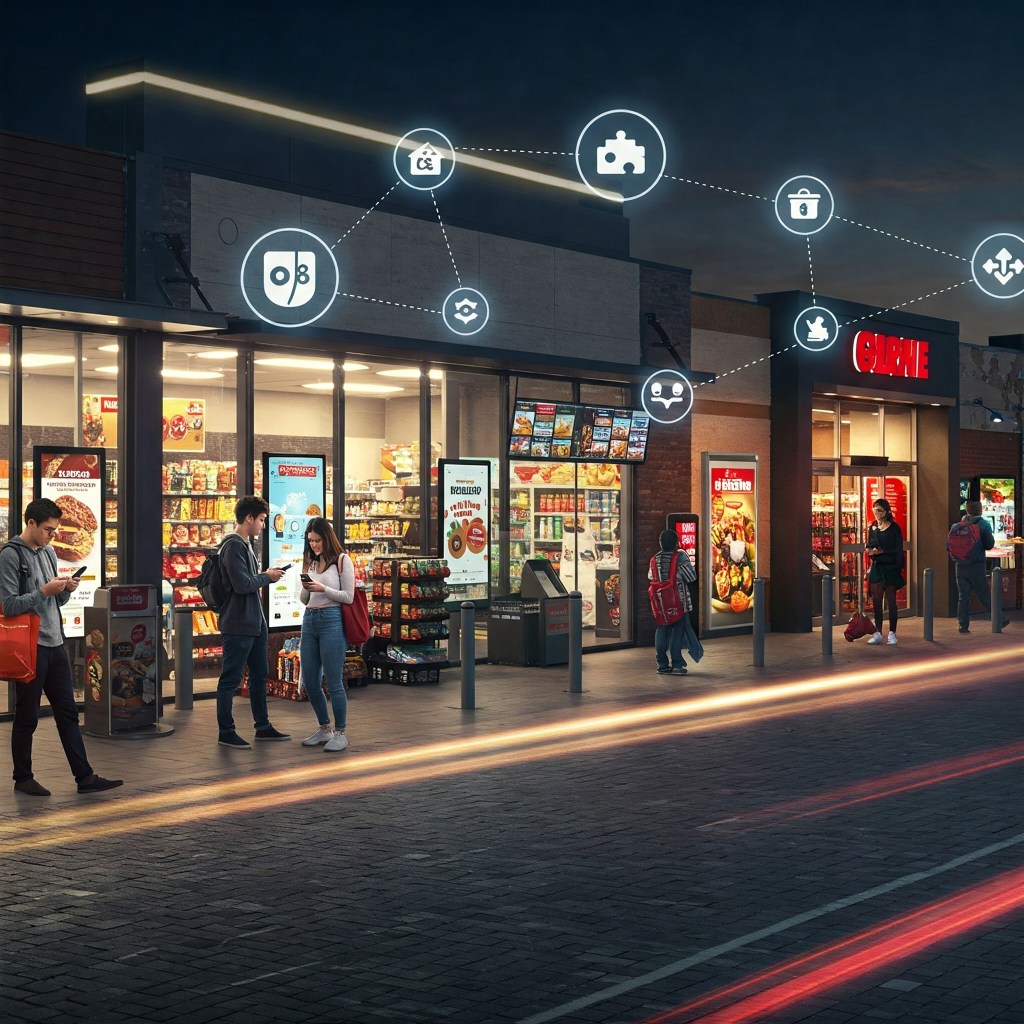
2. Gen Z Grocery Habits: A Roadmap for C-Store Success
Gen Z’s influence is growing fast, with their projected $12 trillion in buying power by 2030. Their grocery shopping habits offer valuable lessons for c-store operators. This generation expects seamless digital experiences, is highly influenced by social media (especially TikTok), and cares about sustainability-but still prioritizes price and quality. To attract Gen Z, c-stores should:
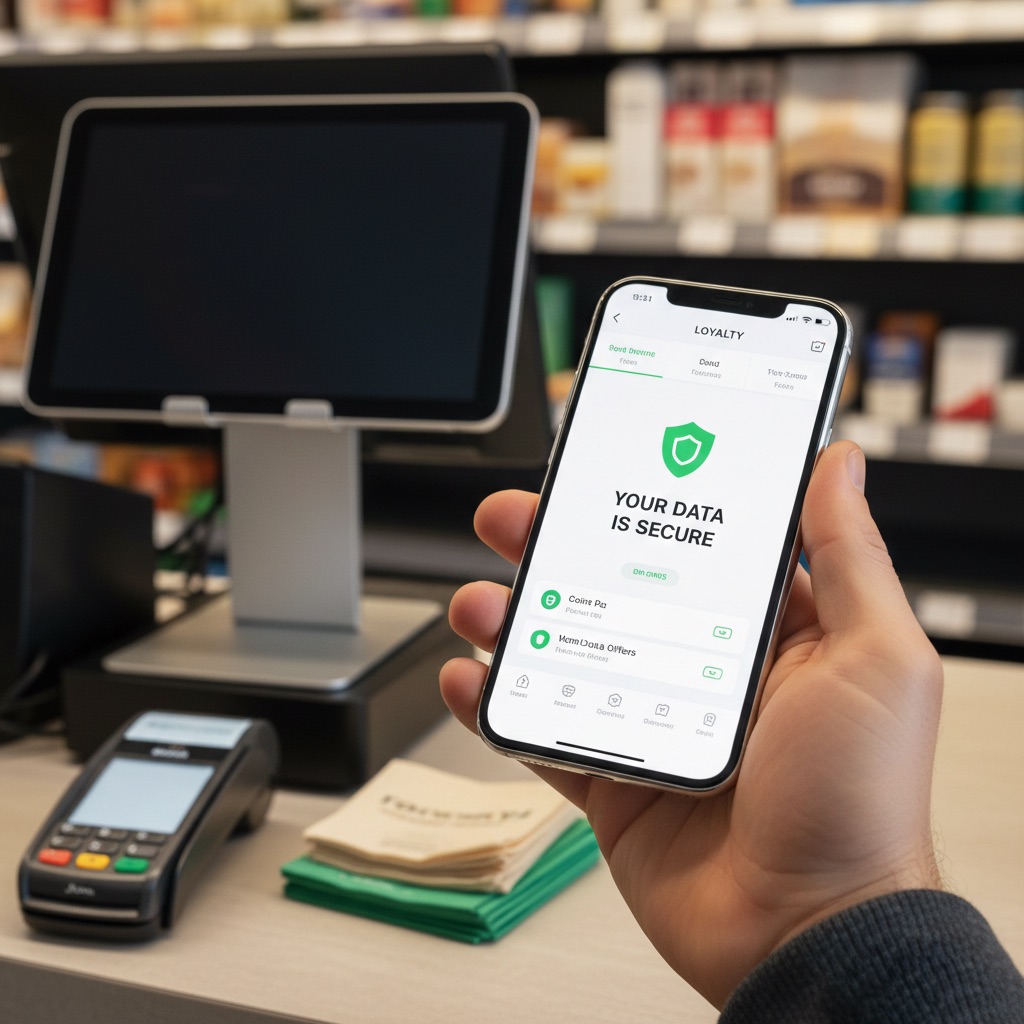
- Invest in mobile ordering and loyalty apps
- Build an authentic social media presence
- Highlight sustainable and ethically sourced products
- Keep value and quality front and center
Meeting Gen Z where they are-digitally and ethically-will be key to capturing their loyalty and spend.
3. CrossAmerica’s Retail Growth: Site Expansion Drives Profits
CrossAmerica Partners is showing how strategic site growth can pay off. Their Q1 results reveal a 16% year-over-year increase in retail segment gross profit, powered by a 17% jump in company-operated locations (now at 376 stores). Most of this growth comes from converting dealer sites, a move that’s also boosted merchandise profits by 16% (to $25 million) and retail fuel margins (from $26 million to $31 million). At the same time, CrossAmerica is trimming non-core assets, generating $8.6 million from seven site sales last quarter. The takeaway: growing your footprint through conversions, while managing your asset base, is a proven path to higher profits.
4. Murphy USA’s Modern Store Format: Bigger, Better, More Profitable
Murphy USA’s investment in new, larger store formats is delivering tangible results. Their New-to-Industry (NTI) stores-about twice the size of legacy locations-are outperforming on every metric: nearly 40% higher merchandise margins, 20% more fuel gallons sold, and 18% higher EBITDA per store compared to the rest of their fleet. Features like improved traffic flow and optimized food and beverage space are resonating with customers. For operators considering remodels or new builds, Murphy USA’s success is a clear signal: modern design and operational upgrades can directly drive sales and profitability.
5. Beverage Battle Heats Up: Restaurants Raise the Stakes
Restaurants are ramping up their beverage programs, especially with innovative non-alcoholic options, to capture the attention of health-conscious consumers. With half of Americans planning to cut back on alcohol in 2025 (even more among Gen Z and Millennials), demand for mocktails, infused drinks, and premium non-alcoholic choices is soaring. For c-stores, where beverages are a cornerstone, this means stiffer competition. Now’s the time to:
- Audit and refresh your beverage lineup
- Introduce healthier and trend-driven options
- Market your unique beverage offerings aggressively
Matching restaurant innovation and marketing can help c-stores maintain-and grow-their share of beverage sales.
The Bottom Line
These headlines paint a clear picture of a rapidly evolving convenience retail sector. The landscape is being reshaped by major consolidation at the top, while success stories emphasize the value of strategic growth through site optimization and the significant ROI from modern store design. Underpinning these operational shifts are fundamental changes in consumer behavior, particularly with Gen Z demanding digital fluency and value-aligned experiences. Simultaneously, increased competition from adjacent industries in key profit centers like beverages requires vigilance and innovation. For convenience store owners and operators, staying ahead means not just observing these trends. It also requires actively considering how they impact your local market. You should consider your customer base and your operational strategies as well. Staying informed and adaptable is critical. Focusing on delivering value in key areas will help navigate challenges. This focus also helps seize opportunities in today’s competitive environment.


 The5For
Leave a comment