Part 2 of 4 in our series on Operational Efficiency and Growth in Convenience Stores
Welcome back! On Monday, May 12th, in the first post of our series, “The Foundations of an Efficient Store Layout,” we explored how a well-designed store layout acts as a silent salesperson, guiding customers and influencing their shopping journey. But before customers can navigate your carefully planned aisles, they first need to find your store, be enticed to enter, and then understand where to go once they’re inside. That’s where strategic signage comes in.
Imagine driving past a competitor’s store that looks inviting and clearly advertises exactly what you need, while your own store blends into the background. Or picture a customer walking into your store, looking around confusedly, and walking out because they couldn’t easily find the milk. These are missed opportunities, and they highlight just how crucial effective signage is. Signage is not just about displaying your store name; it’s one of your most powerful marketing tools. It’s your opportunity to speak to customers without ever meeting them.
In this second post, we’ll explore how strategic signage complements your store layout, enhances visibility, drives traffic, and boosts sales. We’ll look at how signage works both outside and inside your store to attract, inform, and ultimately encourage customers to buy.
1. Exterior Signage: Your Store’s First Impression
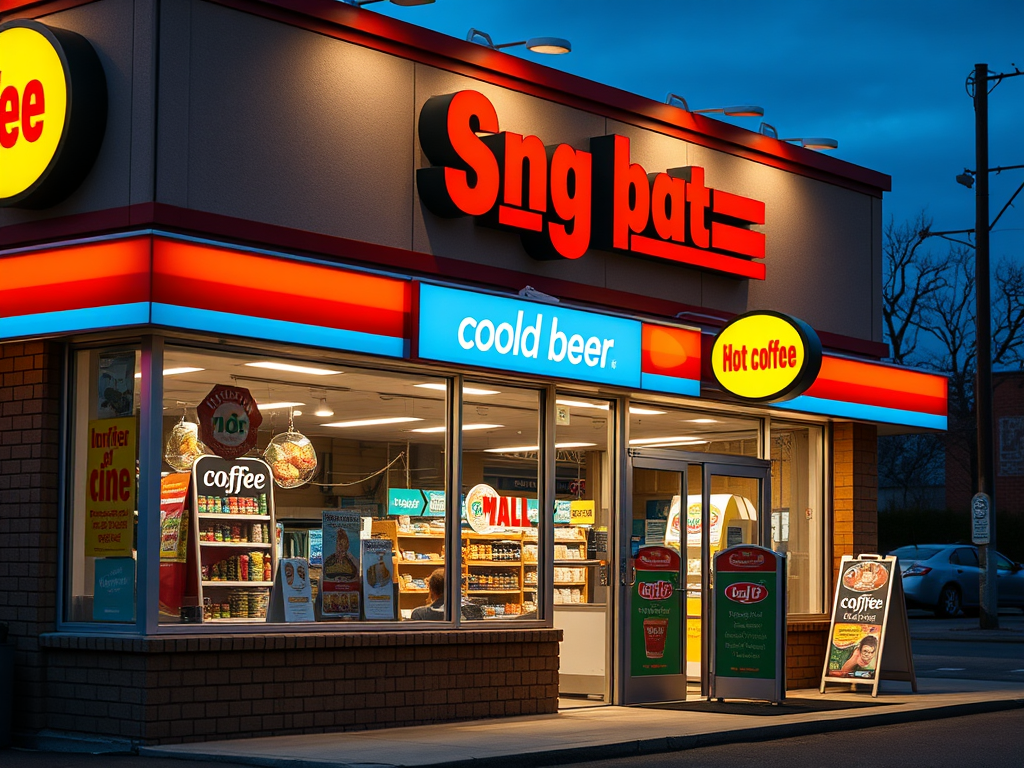
Your exterior signage is the very first point of contact between your convenience store and potential customers passing by, whether in a car or on foot. Its primary job is to attract attention and let people know you are there.
A great sign sells your store without you saying a word. Think of it as your store’s handshake and initial greeting. It needs to be high visibility to stand out, day and night. This involves careful consideration of lighting, color, and design.
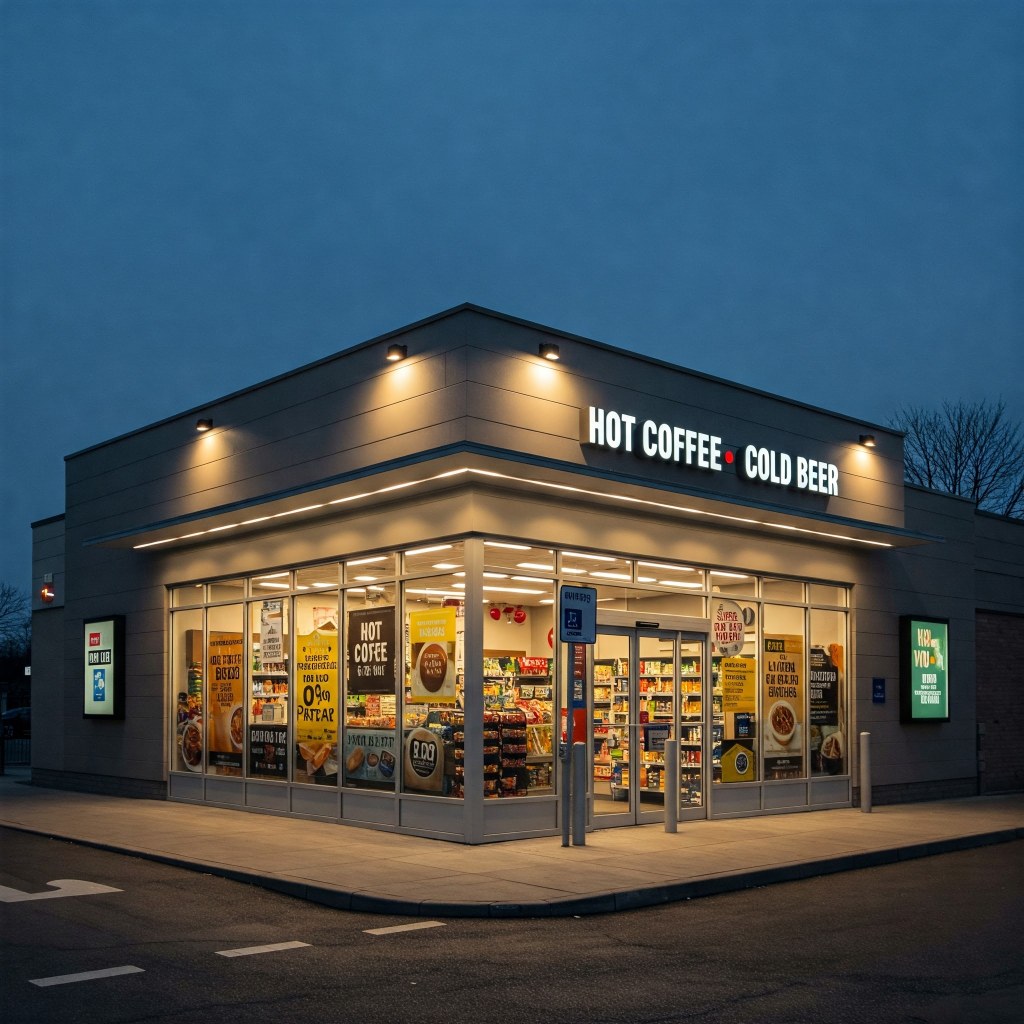
Common types of exterior signs include your main sign, which might be channel letters, cabinet signs, or pylon signs, designed to be easily seen from a distance. Window signs are essential for grabbing attention with your latest promotions or discounts, clearly displaying deals like “Energy drinks 2 for $5” before customers even walk in. You should also advertise specific products you offer on window signs or near the door, like “Hot coffee, cold beer, lottery tickets”. Don’t forget to prominently list your operating days and hours on your door so customers know when you’re open and aren’t surprised to find you closed.
Beyond just saying “we’re here,” exterior signage is crucial for highlighting unique offerings that differentiate you from competitors. If you offer EV charging stations, mobile pick-up spots, or other specific services, high-visibility signs are needed to make customers aware. As EV sales rise, highlighting charging ports is becoming increasingly important.
Investing in quality exterior signage and design also plays a vital role in boosting your branding and brand recognition. Consistent design choices like color and font across multiple locations help build customer familiarity and loyalty, encouraging them to choose your store over others.
2. Interior Signage: Guiding the Shopping Journey
Once a customer is inside your convenience store, interior signage takes over to guide them through the space you’ve optimized with your layout strategy. It helps customers navigate the store, locate products, and discover promotions.
Effective interior signage should be clear, concise, and visually consistent with your branding. Key types of interior signs include:
- Aisle markers and category signs: These help customers quickly find the sections they’re looking for, like “Snacks,” “Beverages,” or “Dairy”. If your store has different aisles and customers struggle to find items, directional signs can help them navigate.
- Shelf tags: These are crucial for identifying specific products and their prices.
- Point-of-sale (POS) displays: These highlight products near the register and can encourage impulse buys.
- Cooler door signs: Reinforce drink promotions like “Two for One” deals right where customers are making beverage selections.
- Signs for essentials: Clearly mark locations like restrooms and checkout stations.
- Health code rating: If you prepare food in-house, displaying your health code rating assures customers of food safety.
- Accepted payment types: At the register, clearly listing the cards you accept avoids confusion and wasted time during checkout.
It’s also important that your interior signs are ADA compliant and meet accessibility standards to ensure everyone can easily navigate your store.
3. Digital Signage: Dynamic Engagement
Digital signage is becoming increasingly popular and offers immense flexibility and engagement compared to static signs. It allows for real-time updates and the display of dynamic content.
Digital displays can serve multiple purposes inside the store:
- Promotions and Specials: Easily update and showcase time-sensitive offers, new products, or limited-time deals. You can tailor content based on the time of day or specific events.
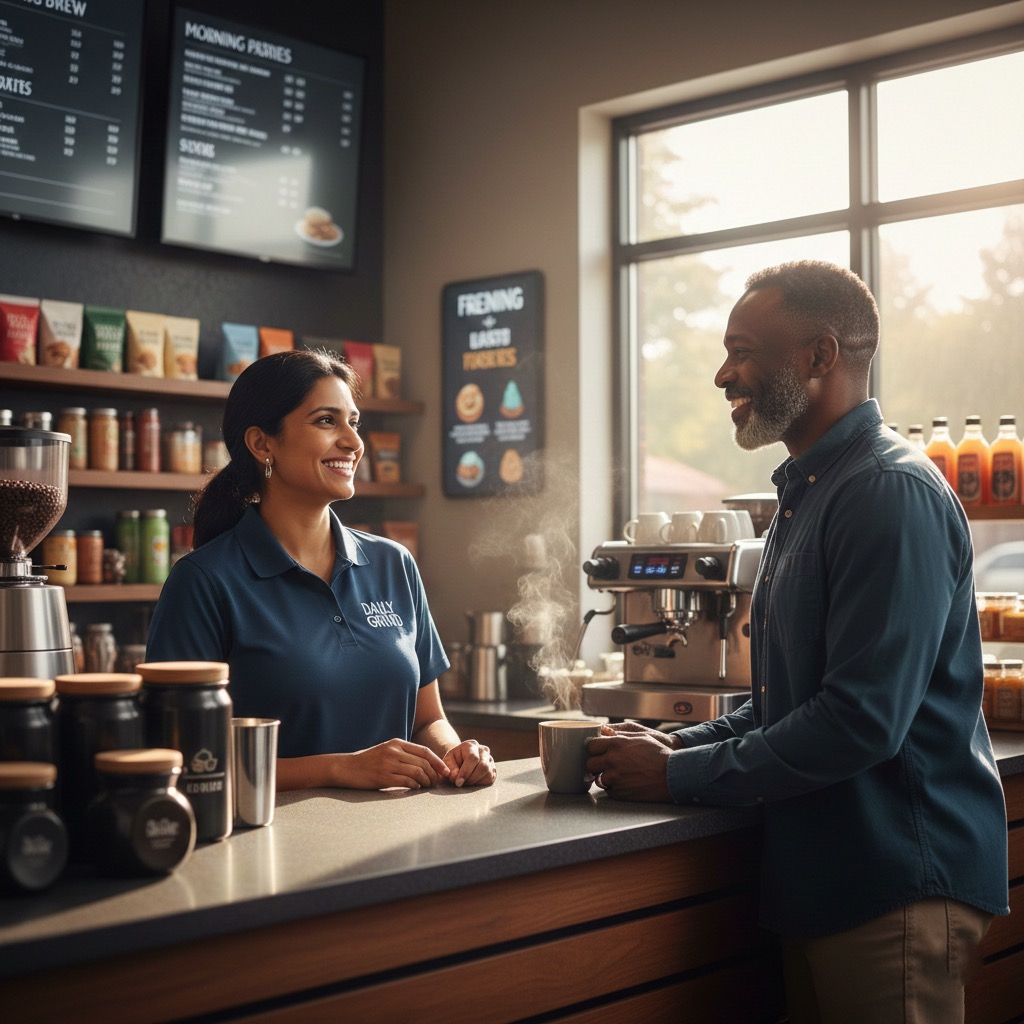
- Menu Boards: Ideal for areas like deli counters, clearly displaying menu items and prices. Positioning and viewing angles are crucial, especially for displays above counters.
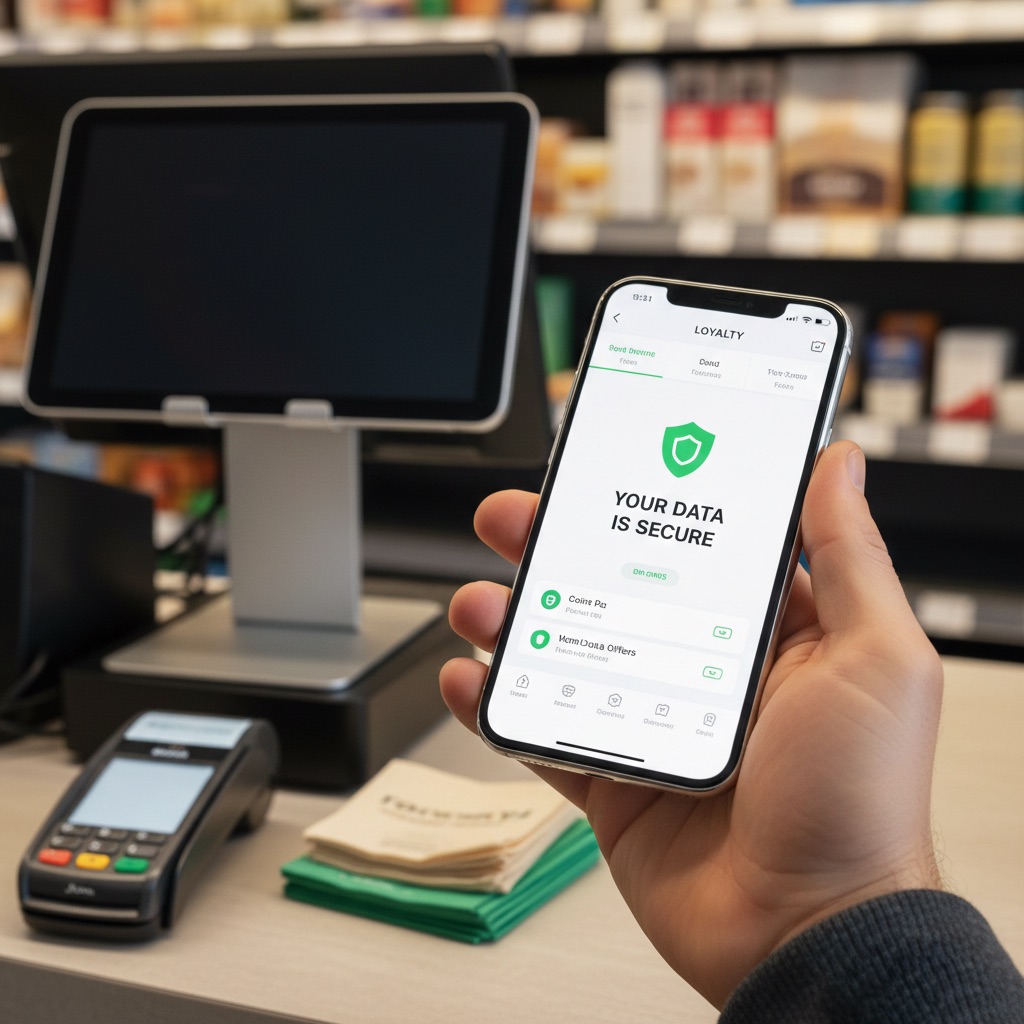
- Information and Services: Provide information about store services, loyalty programs, or even community events.
- Checkout Areas: Digital signs near the counter can inform customers where to cash out or display last-minute offers.
- Integration: Digital signage systems can be integrated with other systems like your point-of-sale (POS) or social media for enhanced functionality and engagement.
Implementing digital signage requires careful planning, from setting clear goals and choosing the right system (like kiosks, menu boards, or digital posters) to developing a content strategy and ensuring proper placement. High-traffic areas and optimized viewing angles are essential for maximum impact. Leveraging data and analytics from past campaigns can help you refine future content strategies for better results. Remote management systems allow you to control signage across multiple locations from one place. Don’t forget to train your staff on how to use and maintain the systems. Regular maintenance checks are also key to prevent unexpected downtime.
Digital signage enhances the customer experience and can significantly drive sales and business success.
4. Signage as a Tool for Upselling and Cross-Selling
Signage works hand-in-hand with your store layout to tap into the psychology of impulse buying and increase your average transaction value. By strategically placing signs, you can encourage customers to buy more than they initially planned.
Just as placing complementary products together works in your layout, signs can reinforce these relationships. A sign near the chip aisle could suggest pairing them with dips or soda. A cooler door sign promoting a drink special can encourage customers to grab an extra bottle. Near the checkout, where impulse purchases are common due to strategic layout, small signs highlighting snacks, batteries, or drinks can lead to those last-minute add-ons. Offering discounts or limited-time offers advertised via signs is particularly effective in prompting unplanned purchases.
Considering that over 82% of purchasing decisions are made in-store, strong, promotional signage plays a major role in smoothing the decision-making process and sparking interest in products, particularly those you want to move.
5. Maintaining Consistency and Compliance
For your signage strategy to be truly effective, consistency is vital. Maintaining a consistent look and message across all your signs, both inside and out, helps build brand recognition and trust. For convenience store chains, this cohesive branding across locations is crucial for brand loyalty.
Regular audits are necessary to ensure signs are up-to-date, in good condition, and accurately reflect current pricing and promotions. Staff training is essential, so your team understands the importance of signage and how to implement and maintain it correctly.
Furthermore, ensure your signage is compliant with all local regulations, including those related to accessibility like ADA standards for interior signs. Navigating permitting and compliance can be complex, so working with a signage expert can be incredibly beneficial for design, fabrication, installation, and ensuring everything meets required standards.
The Bottom Line: Signs Pointing to Success
Signage is far more than just decoration; it’s a dynamic and essential component of your convenience store’s operational efficiency and growth strategy. Effective signage works tirelessly to attract customers from outside, guide them effortlessly through your carefully planned layout, inform them about products and services, and strategically encourage those valuable impulse purchases. By focusing on high visibility exterior signs, clear interior navigation, the power of digital displays, targeted promotional messaging, and maintaining consistency and compliance, you can significantly enhance the customer experience and drive sales.
We’ve covered the foundations of layout and now the critical role of signage in attracting and guiding customers. But how do these elements work together to truly elevate the customer experience and maximize those impulse buys? Join us on Friday, May 16th, for the third post in our series, “Enhancing Customer Satisfaction and Impulse Purchases,” where we will dive deeper into how optimizing both your store layout and signage creates a seamless and persuasive shopping environment that keeps customers coming back and encourages them to add a little extra to their basket every time




 The5For
Leave a comment