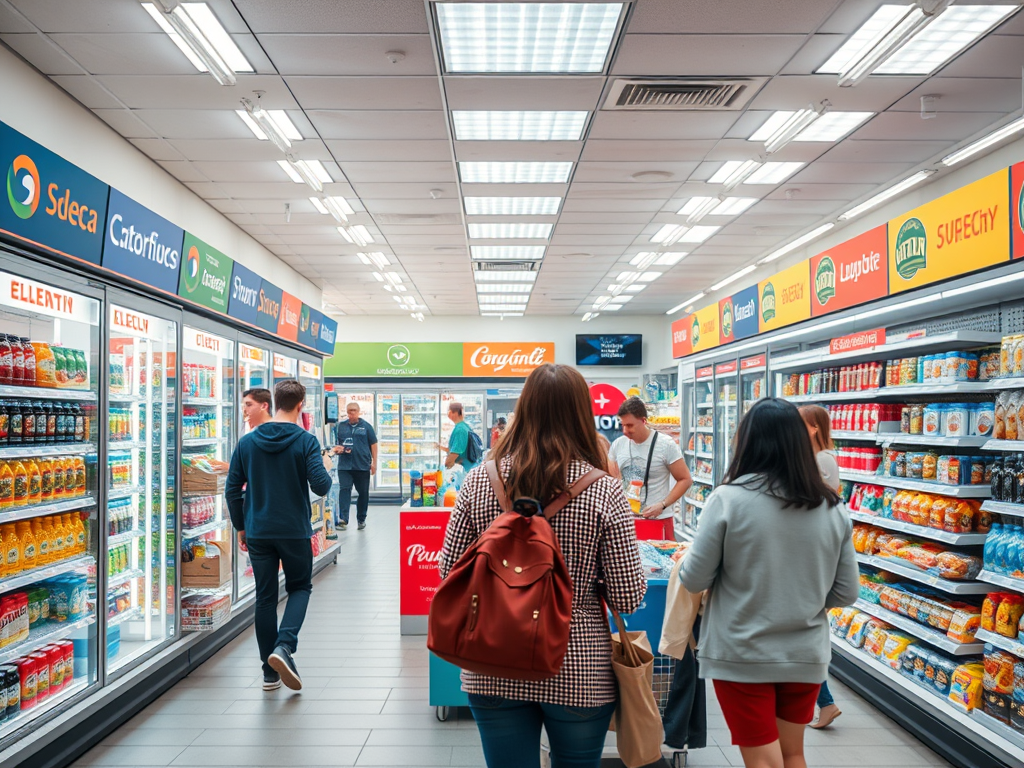
Alright, C-store operators! We’ve been digging into what makes a convenience store tick – from streamlining operations to boosting efficiency. (If you missed the first two parts of our series, you can find them in the archives!). Now, let’s talk about something absolutely fundamental, something your customers experience the moment they walk through your door: the physical space itself.
This isn’t just about stocking shelves; it’s about designing an experience. The layout of your store and the clarity (and smart placement) of your signage are your silent sales force and a huge factor in whether a customer feels good about their stop – and more importantly, whether they grab that extra item they didn’t plan on buying. This third post in our series is all about optimizing that physical environment to boost both customer satisfaction and those crucial impulse purchases.
Let’s get into it.
1. First Impressions & Easy Navigation: More Than Just Walking Room
Think about your own shopping experiences. What makes a store feel right? It’s often about ease and comfort. For a convenience store, where speed is paramount, frustrating layouts or confusing signs can quickly kill customer satisfaction.
A well-thought-out store layout, paired with clear, intuitive signage, is like giving your customers a helpful, invisible guide. When they can find what they need quickly, they feel less stressed, more competent, and yes, they are more open to looking around – which is exactly what you want for impulse buys.
Here’s what that looks like:
- Keep it Clean and Organized: This is foundational. A messy, dusty store gives a poor impression. Cleanliness makes customers feel more comfortable and respected. Organization helps them find things fast. Simple, but powerful.
- Light It Up: Bright, consistent lighting makes the store feel safer, more welcoming, and helps products stand out. Use focused lighting to highlight key displays or promotions. Don’t let customers feel like they’re rummaging in the dark.
- Consider the Flow: Is there a natural path customers tend to take? Are high-traffic items accessible but maybe placed in a way that encourages Browse nearby items? Think about where bottlenecks occur and smooth them out to make movement easy.
- Mind the Atmosphere: Temperature, even subtle background music – these elements affect mood. Create an environment where people don’t feel like they need to bolt the second they find their main item.
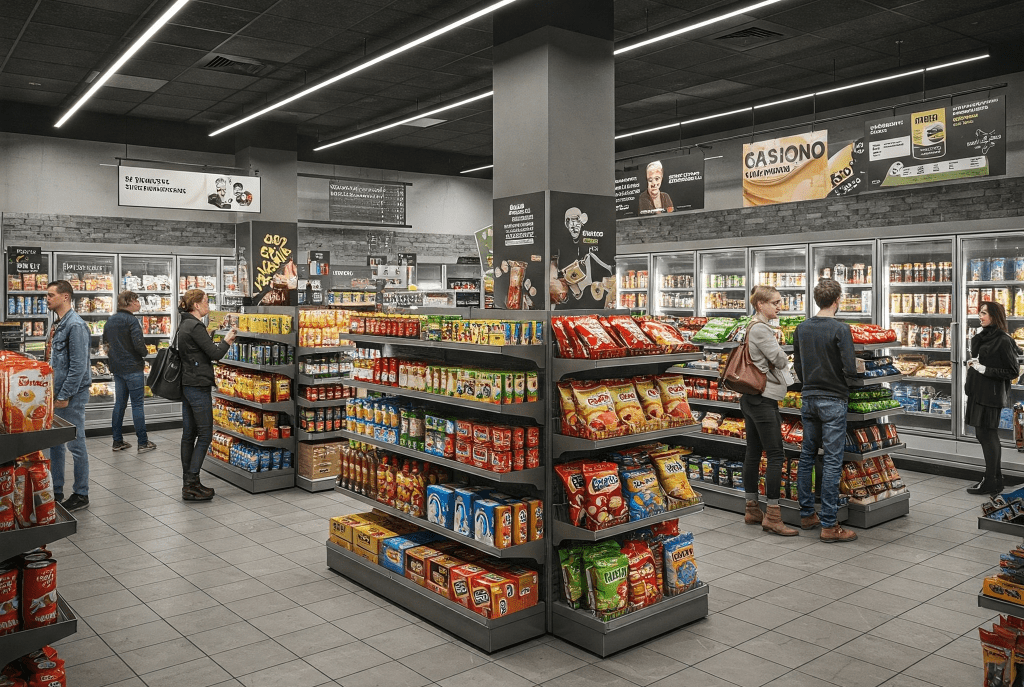
2. The Sweet Spot: Understanding the Impulse Zone
Ah, the impulse buy. The unplanned, often small, but incredibly profitable decision made right there on the spot. These aren’t random acts; they’re triggered by visibility, desirability, and the sheer convenience of having the item available at that exact moment.
Your layout directs foot traffic, but strategic placement is where impulse sales truly thrive. Where are customers naturally pausing? Where do their eyes tend to rest?
- End Caps: These are prime real estate. As customers turn down an aisle, that end cap display is highly visible. Perfect for promotions, new arrivals, or seasonal features that you want to move.
- The Checkout Area: The classic impulse zone. Customers are waiting, their primary shopping mission is complete, and their eyes are free to wander. This is ideal for small treats, drinks, phone accessories, lighters, lip balm – items that require minimal deliberation.
- Near High-Traffic Items: Placing complementary impulse items near popular destinations is a proven strategy. Think snacks near the beverage cooler, pastries near the coffee station, or travel items near the fuel counter exit.
3. Your Silent Sales Force: Making Signage Effective
Placement gets eyes on the product, but signage often closes the deal on impulse. Your signs need to be clear, concise, and compelling. They should communicate value, urgency, or novelty quickly and effectively.
Think about what you want the sign to achieve:
- Create Urgency: Messages like “Limited Time Offer!”, “Today Only!”, or “While Supplies Last!” motivate immediate action and prevent procrastination.
- Highlight Value: Signs indicating “2 for $X”, “Buy One Get One 50% Off”, or “Special Price!” speak directly to the customer’s desire for a good deal.
- Generate Excitement: Phrases like “New Arrival!”, “Just In!”, or “Must Try!” tap into curiosity and the desire for novelty.
- Guide & Inform: Clear aisle markers, category signs, and directional signs reduce customer frustration and help them efficiently find what they came for, freeing up their time and attention to consider impulse items.
4. Smart Pairing: Cross-Merchandising & Local Relevance
This is where you can get creative and show you understand your customers’ needs and desires. Cross-merchandising isn’t just random grouping; it’s putting related items together to suggest a need or an occasion, making the purchase decision easier and potentially increasing basket size.
- The Obvious Pairs: Chips and dip, crackers and cheese, coffee and creamer. These cater to common consumption habits and are easy wins.
- Thinking Beyond Food: Batteries near electronics, air fresheners near car supplies, or small umbrellas near the door on a rainy day.
- Creating a Story: Build themed displays that resonate with local events or seasons. Is there a big community festival coming up? Set up a display with related snacks, drinks, or gear. Is the local sports team popular? Feature items for game day. Tying into local happenings makes your store feel more connected to the community.
Adding local flavor is a great way to build community connection and loyalty. Highlight local products if you carry them or use digital signage to share local news or event reminders. It shows you’re part of their world.
5. The Human Element: Your Team Seals the Deal
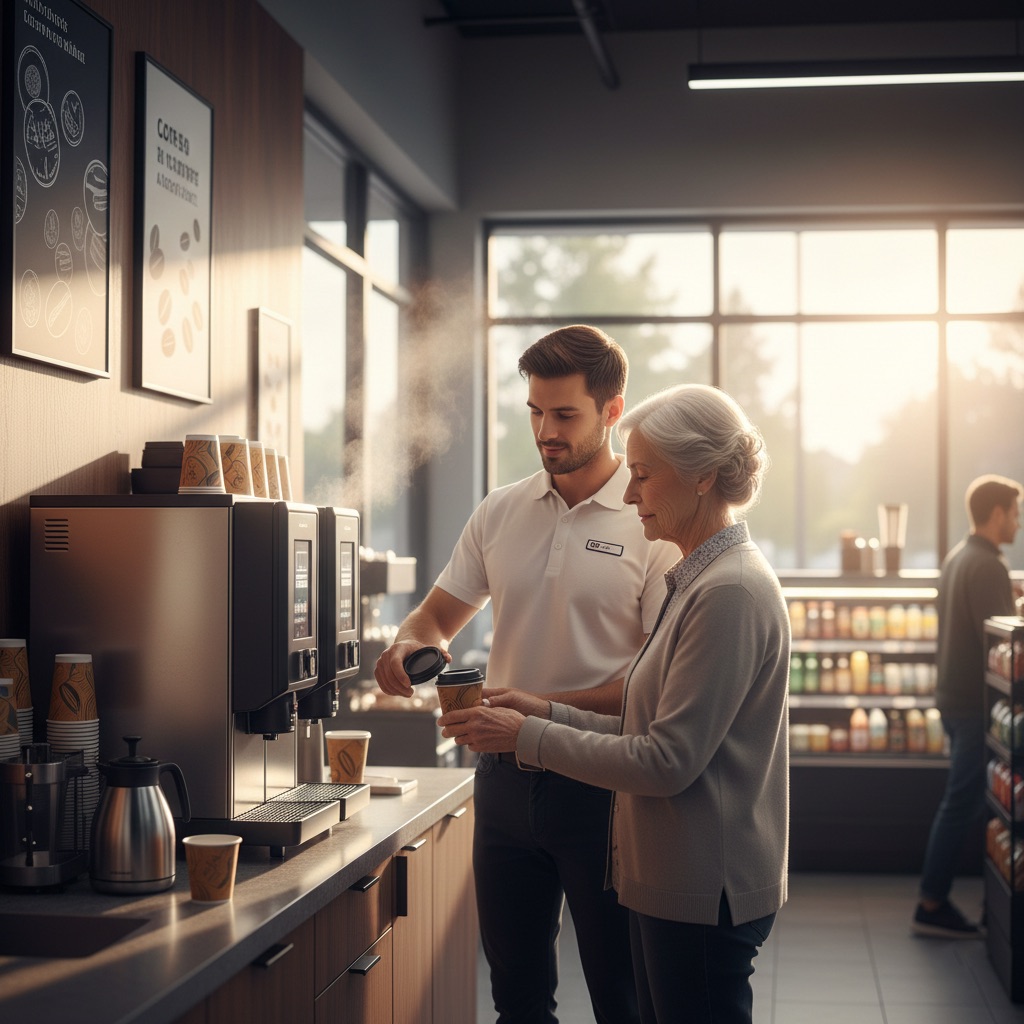
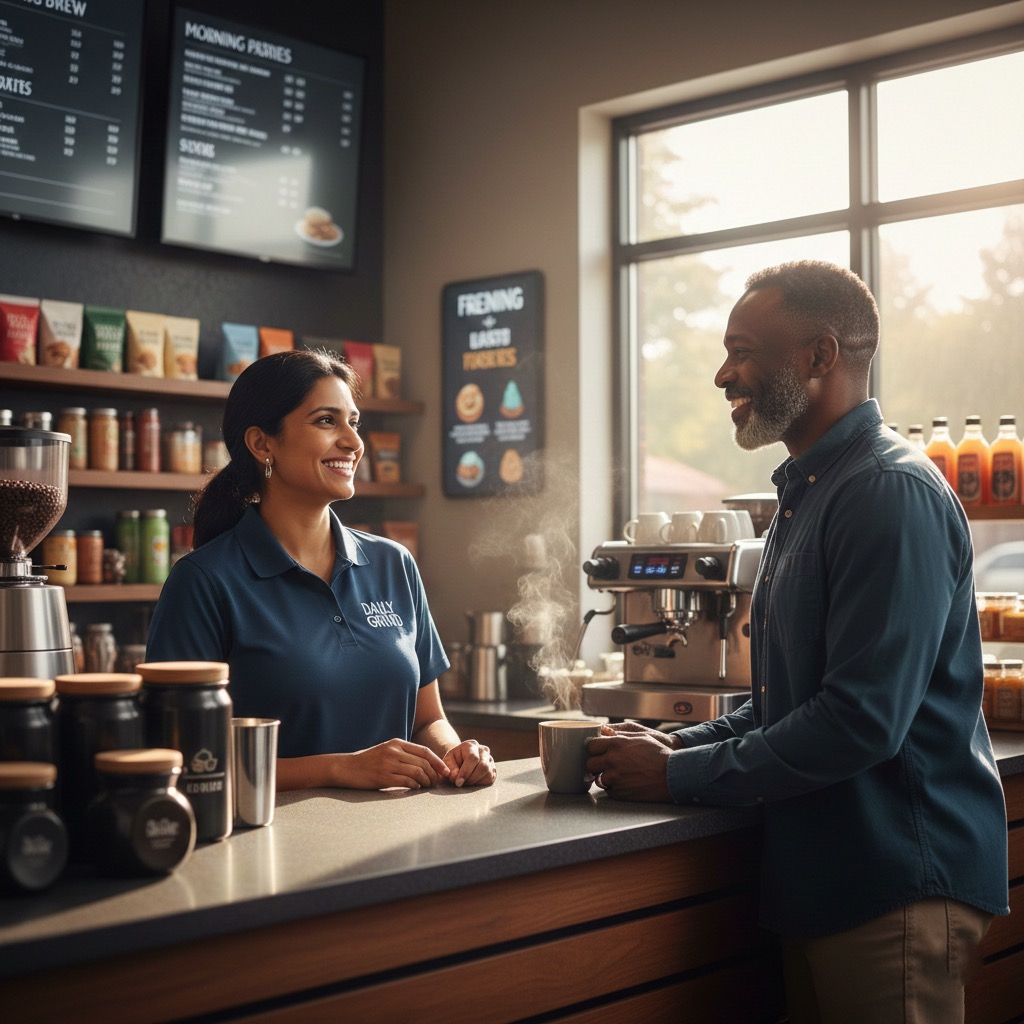
You can have the perfect layout and killer signage, but if your staff isn’t engaged and customer-focused, you’re missing the final, critical piece. Your team are the faces of your store; they activate the experience you’ve designed and can significantly influence repeat business.
- Product Knowledge: Ensure they know about current promotions, new items, and product locations. They should be able to quickly and confidently direct customers.
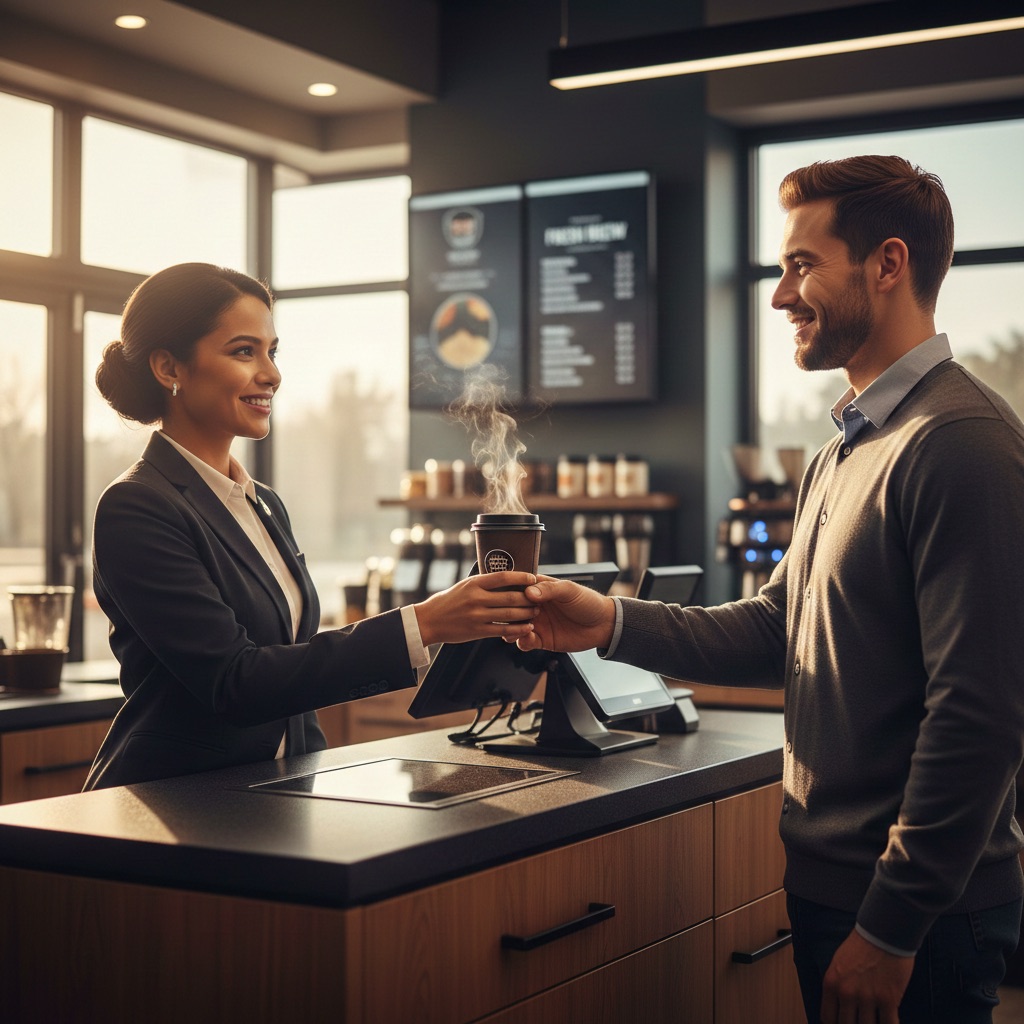
- Friendly and Helpful: A simple smile, eye contact, and an offer of assistance make a massive difference in how a customer feels about their visit.
- Subtle Suggestions: Empower staff to make easy, natural suggestions – “Would you like a pastry with your coffee?”, “These new chips are really popular.” It reinforces your cross-merchandising efforts in a personal way.
Investing in training and clearly communicating why layout and signage strategies are important helps your team understand their vital role in making the store successful and enhancing the overall customer experience.
The Bottom Line
By thoughtfully integrating a customer-centric layout, effective signage, strategic product placement, and an engaged team, you transform your store from just a place to grab something quick into a destination where customers feel welcome, find what they need efficiently, and are pleasantly tempted by those profitable impulse buys.
We’re wrapping up this series by talking about how to know if all these efforts are paying off and how to keep the momentum going. Join us on Monday, May 19th, for the final part: “Measuring Success and Continuous Improvement.”
Have a great Friday!

 The5For
Leave a comment