Good morning, c-store innovators! Ready to power up your business with the latest intel? The 5 For today is packed with crucial updates that dropped on Friday, May 16th, and we’re breaking down exactly why they matter to your bottom line. From groundbreaking store designs to the ever-evolving foodservice landscape and the massive summer road trip opportunity.
So, grab a cup and let’s get right into the 5 things you need to be thinking about right now.
1. Big Investments in Bigger, Better Designs
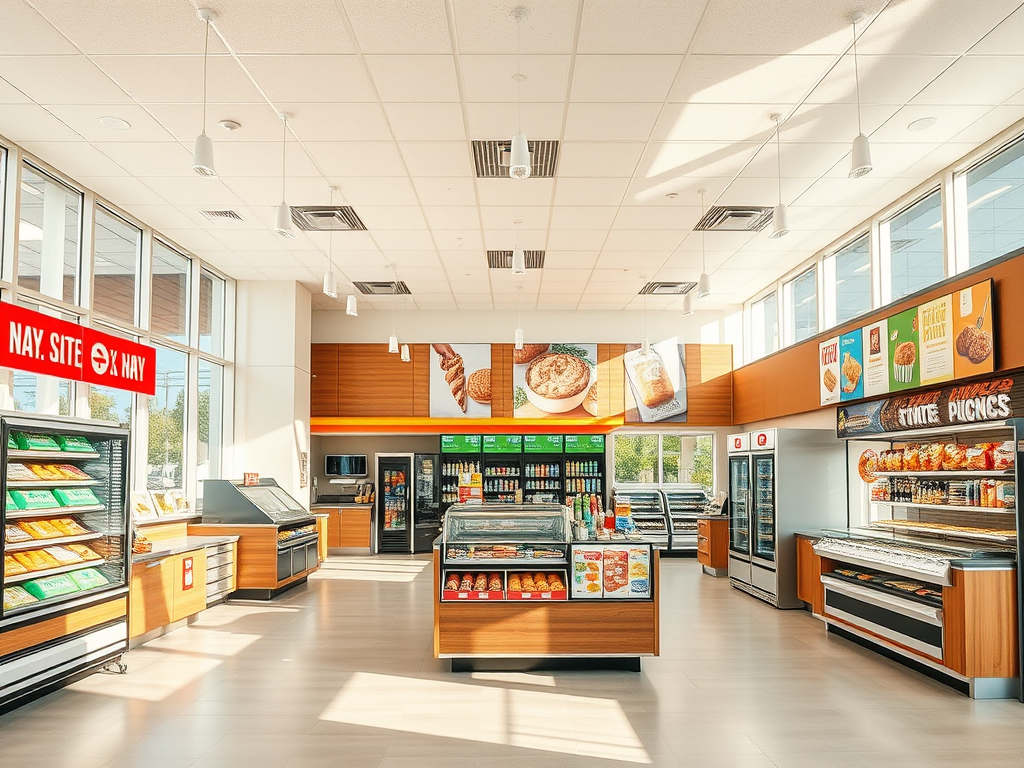
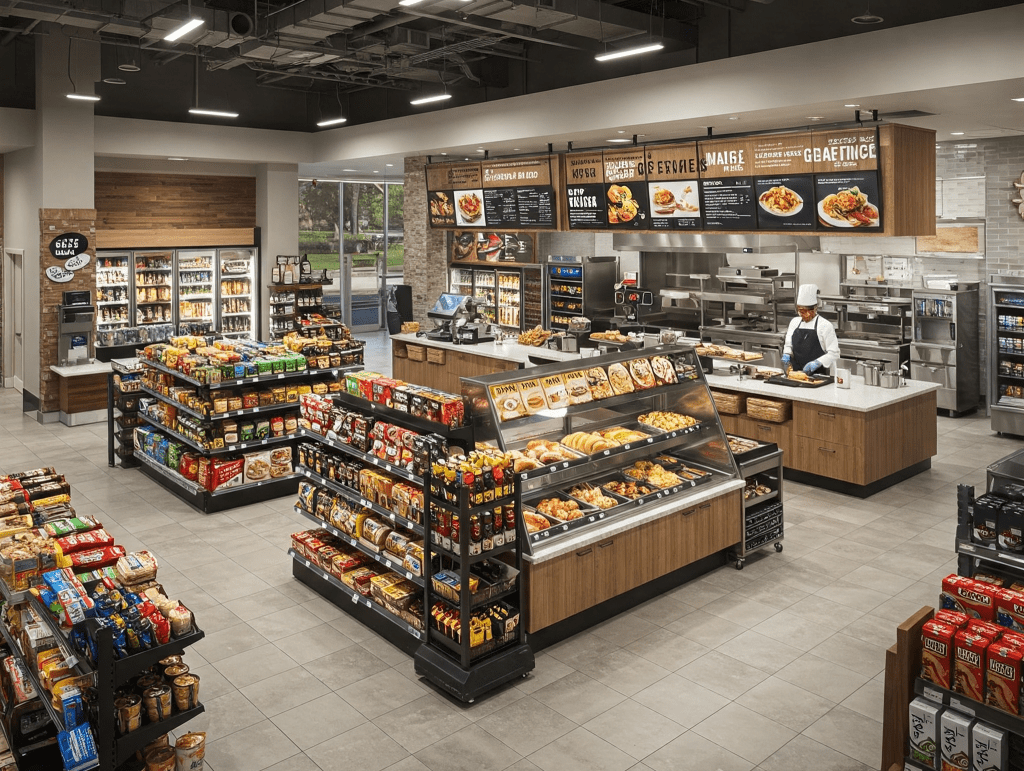
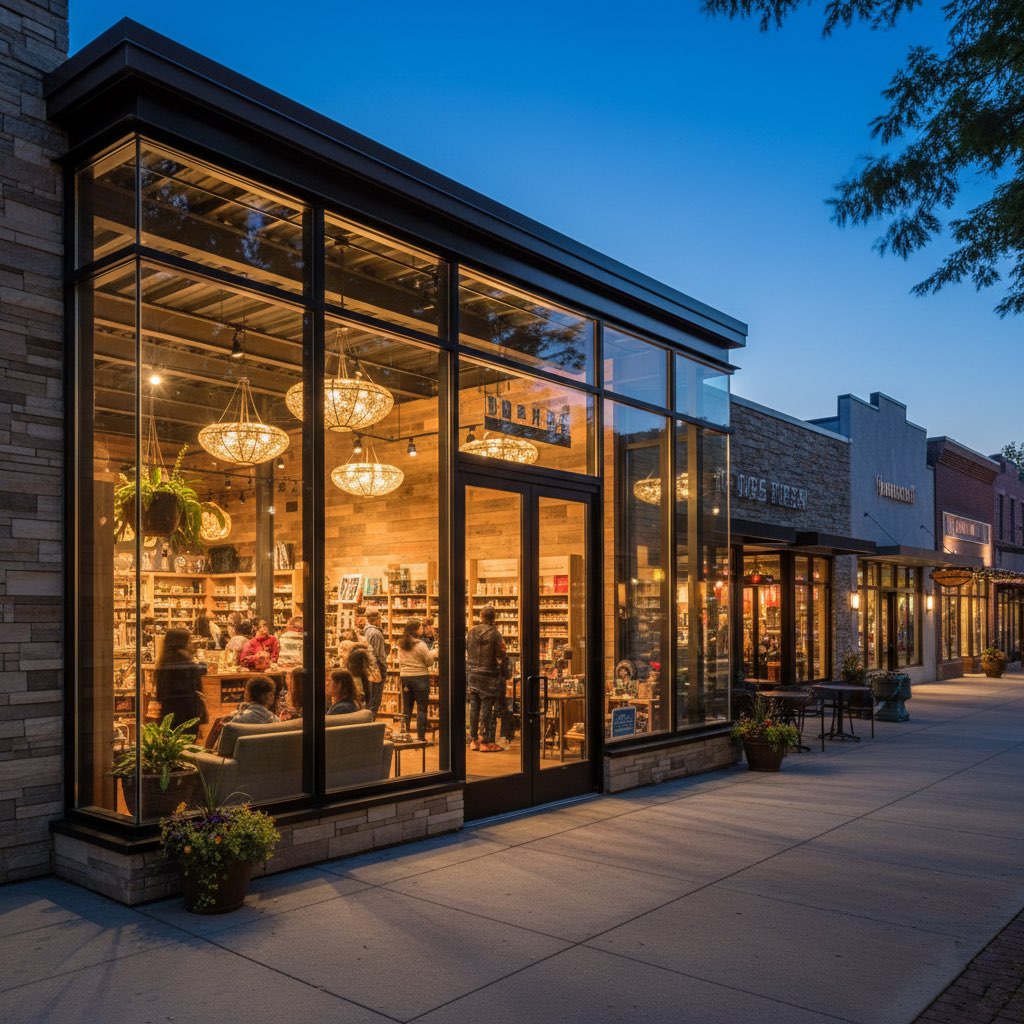
Convenience retailers are clearly playing the long game, with significant investments in reimagining the very blueprint of their stores. Forget just a quick pit stop; the focus is on creating genuine destinations. Arko is leading the charge with the construction of their first seven food-centric locations, each slated for a hefty $700,000 to $1.1 million renovation. These will proudly feature their new Fas Craves foodservice program, a tempting array of hot and cold grab-and-go delights, freshly baked goods, pizza, roller grill favorites, and other prepared foods. Not to be outdone, Kent Kwik, a powerhouse operating over 100 stores across the Southwest and Southeast under The Kent Companies umbrella, is also testing a fresh, food-forward format. Their soon-to-open Midland, Texas site will sprawl across a massive 6,200 square feet, complete with a made-to-order kitchen. But Kent Kwik isn’t stopping at just food; this flagship location will also feature a convenient drive-thru, their second-ever Kent Dog Wash, a dual-bay car wash, and the potential addition of a Kent Lube Fast Oil Change Center. Meanwhile, Murphy USA’s early adoption of new store designs is yielding impressive operational results, significantly outperforming their older models.
Here’s the takeaway: foodservice has officially moved from the periphery to the core of the convenience store experience. Today’s customers crave more than just a bag of chips; they’re seeking convenient, high-quality meal solutions. Furthermore, the strategic addition of complementary services like drive-thrus, car washes, and even pet washes can act as powerful traffic drivers, boosting revenue streams beyond traditional fuel and in-store merchandise. The hard data from Murphy USA speaks volumes – their revamped stores are seeing a remarkable 20% surge in fuel gallons sold and an even more impressive 40% jump in merchandise margins compared to their older layouts. This clearly demonstrates that investing in modern designs and expanded offerings directly translates to a healthier bottom line. In today’s competitive market, creating a true “destination experience” is no longer a luxury; it’s a necessity for attracting and retaining loyal customers.
What should you do in your store? Take a hard look at your current setup. How can you elevate your foodservice program? Could you introduce a wider variety of prepared food options or implement a more appealing grab-and-go selection? Are there opportunities to integrate amenities that resonate with your specific location and customer demographics, such as a car wash or even comfortable outdoor seating? Even smaller-scale renovations or strategic updates can significantly impact customer perception and their likelihood of choosing your store. Your goal should be to evolve beyond just a refueling station and become a convenient and attractive destination that meets multiple customer needs. Use any slower periods strategically to plan and execute these vital updates. See the article here.
2. 7-Eleven & Chester’s Go All In on Chicken
Let’s face it, chicken is the reigning champion in the convenience and quick-service restaurant (QSR) arena right now. 7-Eleven Inc. is making a bold statement by aggressively expanding its chicken offerings across its family of restaurant brands: the spicy sensations of Raise the Roost, the Tex-Mex flavors of Laredo Taco Company, and the classic convenience of Speedy Café. Their strategy hinges on delivering a trifecta of flavor, variety, and value, introducing tempting spicy twists on familiar favorites and offering satisfying meal deals. For instance, Raise the Roost is enticing customers with a buy-one-get-one-free deal on their spicy chicken biscuits and a hearty “Big Tender Box” meal. Laredo Taco Company is featuring a special on their flavorful Chicken Fajita Tacos. Speedy Café is rewarding loyalty members with a buy-one-get-one-free offer on their 8-piece boneless wings. Not to be outdone, Chester’s Chicken has just launched their versatile un-sauced chicken bites, available through mid-September. These “au naturel” bites empower customers to customize their flavor experience with a range of dipping sauces, including Ranch, Honey Mustard, BBQ, Buffalo, and Chester’s signature sauce. Chester’s has also thoughtfully introduced a Chicken Bites Kid’s Meal and previously offered budget-friendly “5 Buk Box” meals. This industry-wide focus on chicken mirrors broader trends, with even giants like McDonald’s recently bringing back chicken strips and Taco Bell introducing their own chicken nuggets.
The message is clear: chicken is a powerhouse protein and a significant driver of foodservice sales. 7-Eleven’s ambitious rollout and Chester’s strategic emphasis on variety (sauced vs. un-sauced, diverse menu items) underscore the robust consumer appetite for convenient and delicious chicken options. By making chicken a central pillar of their foodservice strategy, these major players are positioning themselves to capture a larger slice of the burgeoning foodservice market. The trend towards offering appealing meal deals and diverse formats – from tenders and bites to sandwiches and tacos – effectively caters to a wide spectrum of customer preferences and dining occasions.
What should you do in your store? Take a critical look at your current chicken offerings. How do they stack up against these trends? Consider expanding your menu to include a broader range of chicken formats (fried, grilled, tenders, sandwiches) or exploring exciting new flavor profiles (spicy options, regional sauces). Are you currently offering value-driven meal deals that can attract budget-conscious customers? Think about both quality and convenience – can you enhance the taste or streamline the purchase process? Strategically evaluating and innovating your chicken category could be a game-changer in attracting customers seeking quick, satisfying meals. Check it out.
3. Gearing Up for the Summer Road Trip Boom
Get ready for a surge in traffic! Summer road trip season is officially here, and all indicators point to an exceptionally busy few months. A recent survey reveals that over a staggering 80% of people are planning to hit the road for their summer vacations. A significant driving factor (pun intended!) is the rising cost of airfare. Many travelers are opting for longer journeys, with 60% anticipating driving over 300 miles. The Fourth of July is projected to be the peak travel holiday. Furthermore, a significant portion of these road trippers will be families. This presents a golden opportunity for convenience stores strategically located along well-traveled routes. Savvy retailers are already preparing by crafting unique experiences to transform their stores into memorable stops along the way. Iconic examples include Wall Drug Store, renowned for its ubiquitous billboards and quirky offerings in South Dakota; Wally’s, with its nostalgic charm and engaging “experience stations”; and Tioga Gas Mart/Whoa Nellie Deli near Yosemite, celebrated for its popular deli and unique gift shop. Even something as simple as Jones Petroleum’s clever promotion of their exceptionally clean “golden toilet” restrooms via billboards demonstrates the power of catering to traveler needs.
Road trippers represent a highly valuable customer segment with specific needs, and convenience stores are ideally positioned to fulfill them. These travelers aren’t just pulling over for fuel; they’re also in need of clean restrooms, refreshing drinks, quick snacks, and often, a much-needed break and a memorable experience. Compelling data even shows a significant increase in visits to QSRs and casual dining establishments shortly after fueling up. By cultivating a positive and memorable experience, you can significantly increase the likelihood of these travelers choosing your store over the competition and even becoming repeat customers on future journeys. Unique offerings, a taste of local flavor, and essential amenities like impeccably clean restrooms are major draws for this demographic.
What should you do in your store? First and foremost, nail the basics: ensure you have a wide selection of affordable drinks and snacks readily available. Next, make absolutely certain that your restrooms are not just clean, but meticulously maintained and well-stocked – this is a non-negotiable for road trippers, especially families. Consider stocking travel essentials that might be forgotten, such as local maps, phone chargers, or even basic camping supplies if your location is near popular recreational areas. To truly stand out, think about offering something unique. This could be showcasing local products, featuring regional food specialties (think Wall Drug’s famous doughnuts or five-cent coffee, or Tioga’s delectable deli), offering locally themed souvenirs, or even incorporating a fun and engaging theme or design element into your store. Don’t forget to strategically promote your store using billboards along the highway, local radio ads, or even eye-catching pump toppers. Most importantly, be prepared for the influx of customers! Ensure your shelves are fully stocked with high-demand items, proactively ordering well in advance. Adequately staff your store, considering seasonal hires, to handle the increased traffic flow and provide exceptional customer service. Use the quieter off-season months to conduct deep cleaning, update your facilities, and strategically plan for the next wave of eager travelers. See it here.
4. Walmart Warns of Tariff Impact
The convenience store industry doesn’t operate in a vacuum; broader macroeconomic factors have a significant impact. Retail giant Walmart has recently issued a warning that they may be forced to raise prices on certain goods due to the ongoing effects of tariffs. According to their CFO, John David Rainey, the speed and magnitude of rising costs are “somewhat unprecedented.” Consumers are already seeing price increases on some everyday items, such as bananas, which have risen from 50 cents to 54 cents a pound at Walmart. While there was a temporary reduction in some Chinese tariffs, dropping from 145% to 30% for a 90-day period, Walmart executives have cautioned that a return to higher tariff levels could cause “large disruptions.” They even noted that a 30% tariff could lead to “meaningful price increases for most consumers.” Interestingly, Seven & i Holdings, the parent company of 7-Eleven, also indicated in April their plans to cut costs in response to tariffs, anticipating the biggest impact to stem from shifts in consumer behavior rather than direct supplier costs. Their incoming CEO, Stephen Dacus, emphasized the need for a deeper examination of the supply chain and aggressive cost-cutting measures in this evolving economic environment.
Walmart’s sheer size and influence mean their pricing decisions can have a ripple effect across the entire retail landscape. While the direct impact on individual c-stores may vary, the underlying issue of rising import costs and the potential for widespread price increases is a relevant concern for all retail sectors. Furthermore, as highlighted by Seven & i’s perspective, fluctuating tariffs can directly impact consumer purchasing power and their spending habits, which in turn directly affects your customer base. Just as high airfares are pushing consumers towards road trips, tariff-driven price increases could lead to greater budget-consciousness among your customers.
What should you do in your store? Stay closely informed about developments in trade policy and how they might influence the cost of the goods you sell. Be prepared to strategically adjust your pricing strategies as needed. Just as Walmart might focus price increases on specific items while maintaining stability on others, carefully consider your own product mix and competitive positioning. Take a cue from Seven & i’s proactive approach: thoroughly examine your supply chain and identify potential opportunities to manage or reduce costs. Implementing efficiency measures can help you mitigate the pressure to raise prices and maintain competitive offerings for value-conscious customers. Read about it here.
5. Making Your Store a Must-Stop Destination (Revisited)
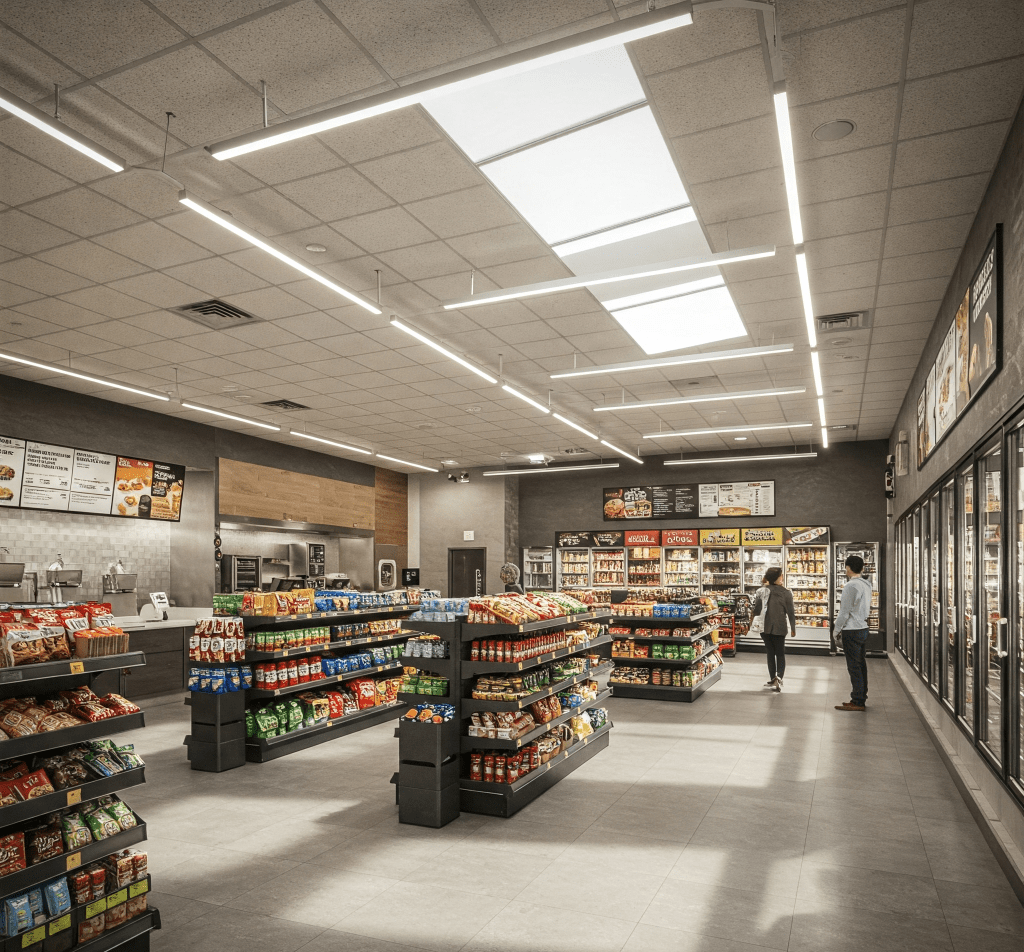
Building on the crucial insights from Point 3, the concept of convenience retailers actively transforming their stores into genuine destinations is paramount for long-term success. The proven success stories of establishments like Wall Drug, Wally’s, Tioga Gas Mart, and Jones Petroleum vividly illustrate how retailers situated along busy travel corridors are achieving this by curating truly unique experiences. Key ingredients in their formula include maintaining first-rate facilities, with a particular emphasis on impeccably clean restrooms; proactively offering essential items that travelers need or desire, such as readily available clean water, affordable beverages, and travel necessities; crafting a distinctive offering through engaging themes, showcasing local color, and featuring specialized products like regional souvenirs, local food items, and even niche categories like authentic cowboy boots or handcrafted jewelry; strategically promoting the store to capture the attention of passersby; and ensuring operational excellence by maintaining ample stock levels and providing adequate staffing to handle seasonal surges. Exceptional customer service is also a non-negotiable element for fostering repeat visits and generating positive word-of-mouth marketing. Creative staffing solutions, such as hiring seasonal staff including international students or “workampers,” can be a valuable part of this strategy. Furthermore, investing in appealing foodservice “experience stations” or partnering with well-known QSR brands can significantly enhance a store’s destination appeal.
In today’s increasingly competitive marketplace, simply offering fuel and a basic selection of snacks is no longer sufficient to maximize customer traffic and drive sales, particularly from the lucrative traveler segment. By strategically transforming your store into a genuine destination, you can significantly increase customer dwell time, boost average basket size, and ultimately enhance your overall revenue. Travelers, especially families, are actively seeking convenient, comfortable, and engaging places to take a break during their journeys. A truly memorable stop, such as Wally’s with its unique design and interactive elements or Wall Drug with its quirky attractions, not only encourages repeat visits but also generates valuable free marketing through positive word-of-mouth referrals. Foundational elements like cleanliness, exceptional service, and a relevant product mix are absolutely critical for achieving this level of success.
What should you do in your store? Engage in some critical thinking about your specific location and your potential customer base, with a particular focus on travelers. Prioritize the overall customer experience, starting with the absolute necessity of spotless restrooms. Beyond that fundamental requirement, ask yourself: what makes my store unique, or what could make it unique? Can you effectively leverage local culture or nearby attractions through your product offerings and store design? Could you enhance your foodservice options to provide more appealing choices or create a comfortable and inviting seating area? Are you currently employing effective marketing strategies to capture the attention of passing motorists through strategic signage and local advertising? Finally, ensure that your staff is thoroughly trained to provide friendly and genuinely helpful service – this seemingly small detail can make a world of difference in a traveler’s overall experience. Making these strategic investments and implementing thoughtful operational adjustments can transform your store from a mere quick stop into a highly anticipated part of your customers’ journey. See nthe article here.
The Bottom Line
This week’s “5 For” paints a clear picture: the convenience store industry is dynamic and full of opportunity. From the evolution of store design to the dominance of chicken in foodservice and the immense potential of the summer road trip season, staying informed and adapting is key. The external pressures of tariffs remind us to be strategic in our operations and pricing. Ultimately, the most successful c-stores will be those that not only meet basic needs but also create memorable experiences, transforming from mere stops into genuine destinations. Now, go out there and make these insights work for you!
Stay ahead of the curve, stay informed, and keep innovating!

 The5For
Leave a comment