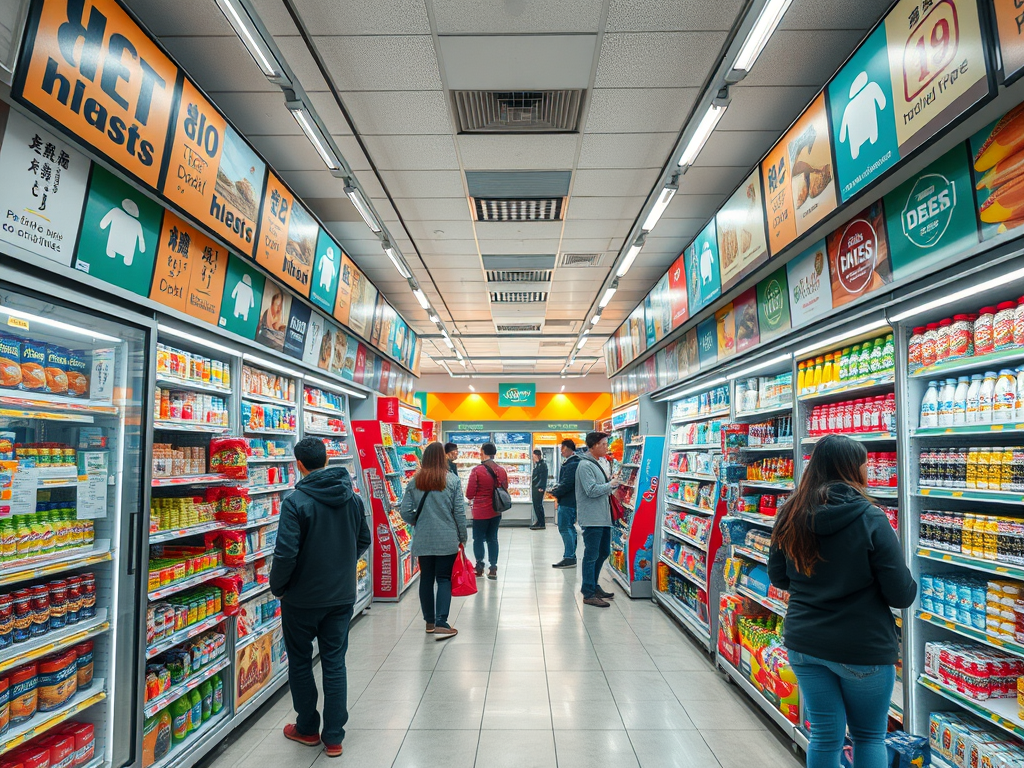
Alright, convenience store owner/operators! You’ve stuck with us through three posts exploring how to truly optimize your store’s physical space to unlock its full potential, to delight your customers, and boost sales. We started by digging into the foundations of an efficient store layout, understanding how the very structure of your store guides customer flow. Then, we built upon that by exploring powerful signage strategies for attracting and guiding customers, recognizing that effective signs speak volumes to potential shoppers both outside and in. Most recently, we looked at how smart layout and killer signage work together to enhance customer satisfaction and drive impulse purchases, turning casual visits into more profitable trips.
Now, it’s time for the final, absolutely crucial piece of the puzzle: measuring if all that hard work is actually paying off and setting yourself up to keep getting better. It’s one thing to make changes you think are improvements, but without solid data and feedback, you’re flying blind. This isn’t just about checking boxes; it’s about boosting your bottom line, strengthening customer loyalty, and ensuring your convenience store thrives in a competitive landscape.
Ready to turn those efforts into measurable results? Here are 5 key ways to measure the impact of your layout and signage strategies and create a system for continuous growth.
1. Define Your Finish Line: Setting Clear Goals & KPIs
Think of this like setting a destination before you start a road trip. You can’t measure success if you haven’t defined what success looks like. Before you move a shelf, install new signs, or tweak your layout, you need to have specific, measurable goals in mind. Knowing precisely what outcome you’re hoping for allows you to track progress, understand if your changes are effective, and make informed decisions moving forward. These goals, tied to Key Performance Indicators (KPIs), are your roadmap and your scoreboard.
What You Need to Do:
Start simple but be specific. What exactly are you trying to achieve with your layout and signage changes? Here are some examples of clear objectives you could set, linking them directly to your business goals:
- Increase overall foot traffic by X% (driven by exterior signage and window displays, for example).
- Boost average transaction value by $X (perhaps by encouraging impulse buys near the checkout or through cross-merchandising).
- Improve conversion rate (the percentage of visitors who make a purchase) by X%.
- Increase dwell time in specific, high-margin areas (like your prepared food section or cold beverage coolers).
- Improve customer satisfaction scores related to ease of finding items or overall shopping experience.
Identify 2-3 core metrics that directly tie into your objectives for layout and signage. This creates a clear target and forms the foundation for all your measurement efforts.
2. Listen Up! Gathering and Using Customer Insights
Nobody knows your store and the shopping experience better than the people who walk your aisles every single day: your customers. They are the first to notice confusing signage, frustrating bottlenecks in traffic flow, or areas where they just can’t find what they’re looking for. Their feedback is incredibly valuable – it tells you directly what’s working, what’s not, and provides human-centered insights that data alone might miss.
What You Need to Do:
Make it easy and inviting for your customers to share their thoughts, and actively seek out their input:
- Place a simple suggestion box near the exit or by the checkout counter.
- Use a QR code on receipts, promotional signage, or near the door linking to a very short online survey about their experience.
- Empower your staff to engage customers casually at the register. Ask simple questions like, “Did you find everything you needed today?” or “How was your experience navigating the store?” and have staff jot down common comments or complaints.
- Monitor online reviews on platforms like Google or Yelp for any mentions related to store layout, signage, or ease of shopping.
Look for recurring themes in the feedback. If multiple customers mention difficulty finding the milk or that a specific aisle feels cramped, you’ve identified a clear area for layout or signage improvement. Use positive comments to reinforce the successful changes you’ve made.
3. Let the Data Talk: Unlocking Insights from Sales and Foot Traffic
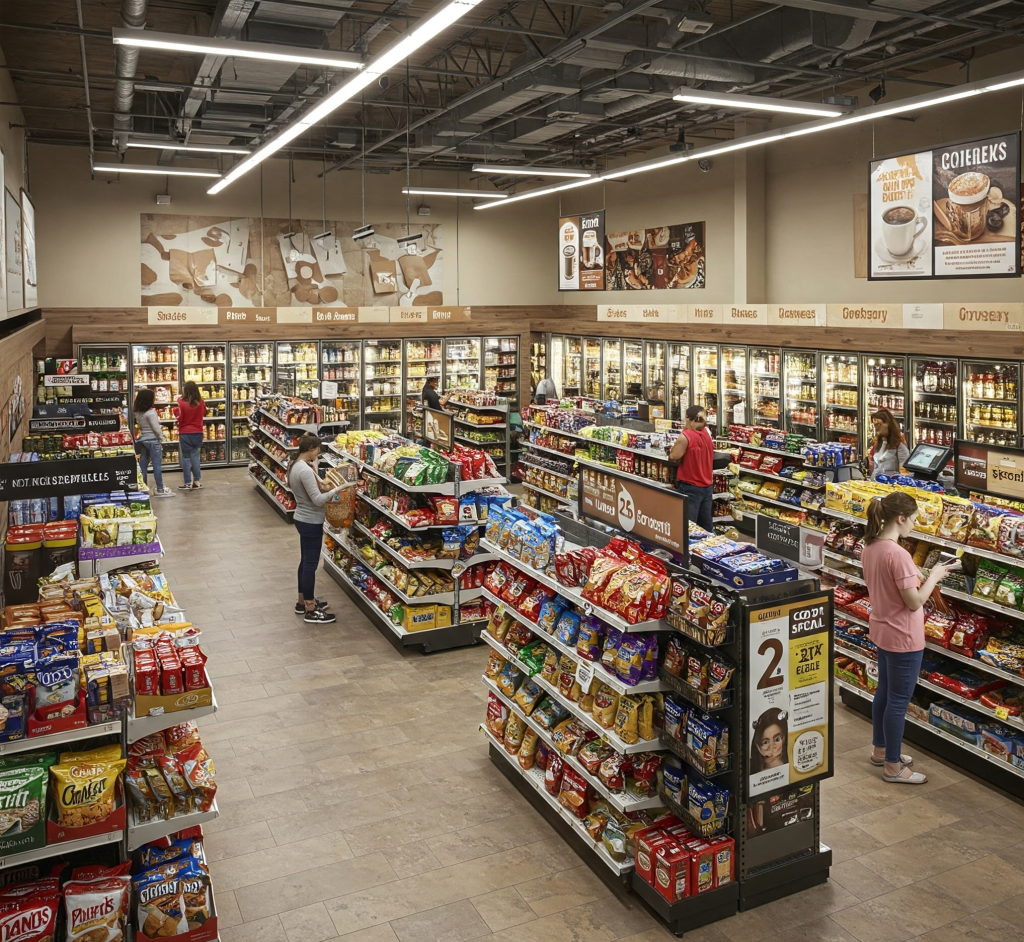
While customer feedback provides the ‘why’, your sales and traffic data provide the objective proof. Your Point of Sale (POS) system is a treasure trove of information about what’s selling, when, and often in combination with other products (think impulse buys!). Combining this with data on how many people enter your store and how they move through it tells you if your layout is effectively guiding customers and if your signage is successfully driving purchases of featured or high-margin items. It’s the hard evidence of your performance.
What You Need to Do:
Get comfortable analyzing your reports and observing your store in action:
- Dive into POS Data: Analyze sales data for products specifically placed on endcaps, near the register, or featured in promotional displays. Look at your sales mix – are customers adding impulse items to their basket at the checkout area? Are complementary items being purchased together after you’ve cross-merchandised them?
- Track Traffic Data: Use simple door counters or more advanced systems to track overall foot traffic entering your store. Compare traffic numbers on different days or after you’ve updated exterior signage or window displays to see if they correlate with increased visitors. Consider using technology like heat mapping (mentioned in the context of planograms) to understand customer movement patterns within the store.
- Observe Customer Flow: Sometimes, the simplest method is just to stand back (unobtrusively!) during different times of the day and watch how customers move through your store. Where do they stop? Where do they seem confused or hesitant? This visual data can complement your numbers.
Use this data to compare performance before and after making specific layout or signage changes. Did repositioning the snack display next to the beverage cooler increase sales of both snacks and drinks? Did a new, well-lit exterior sign correlate with a noticeable increase in foot traffic? The numbers will give you the answer.
4. Test, Learn, Repeat: The Power of A/B Testing & Iteration
Why guess when you can know? Instead of implementing a change store-wide and hoping it works, testing different approaches allows you to see which one performs best in your specific store environment. This iterative process means your improvements are based on real, measured results, not just assumptions or industry best practices that might not apply to your unique customer base. It’s a low-risk, high-reward way to continuously refine your strategies.
What You Need to Do:
Think like a scientist in your own store and run controlled experiments:
- A/B Test Example: Want to know if a sign advertising “Buy One, Get One 50% Off” or a sign offering “$1 Off Each Item” works better for moving a specific product placed on an endcap? Try message ‘A’ on the endcap for a week, track the sales of that product. Then, switch to message ‘B’ in the exact same spot for the next week and track sales. The message that results in higher sales is your winner!
- Iterative Improvements: Based on customer feedback or data analysis, make a small, targeted change. This could be something as simple as lowering a sign slightly, moving a display a few feet, or adjusting the arrangement of products on a shelf. Measure the impact of this small change using your predefined KPIs and data. If it works, keep it; if it doesn’t yield the desired results, tweak it or try something else. This is a continuous cycle of refinement.
Embrace the “Test, Learn, Repeat” philosophy. It ensures you’re always optimizing based on what actually works for your customers and your store’s performance.
5. Stay Sharp: Keeping Up with C-Store Trends & Tech
The world of retail, including convenience stores, is constantly evolving. New technologies emerge, design trends shift, and most importantly, customer expectations change. Staying informed isn’t just about being trendy; it’s about discovering new tools and strategies to improve operational efficiency, enhance the customer experience, and maintain that crucial competitive edge.
What You Need to Do:
Make learning and exploration a regular part of your routine:
- Read Industry Publications and Blogs: Keep up with resources like this one! Look for articles on convenience store operations, marketing, signage, layout, visual merchandising, and technology.
- Attend Trade Shows or Webinars: Even virtual events can provide valuable insights into new products, services, and best practices relevant to c-stores.
- Talk to Your Vendors: Your distributors and suppliers often have insights into what’s working well in other stores and can share success stories or new product display ideas.
- Network with Other Operators: Connect with fellow convenience store owners or managers, either locally or through online forums. Sharing experiences and challenges can provide fresh perspectives.
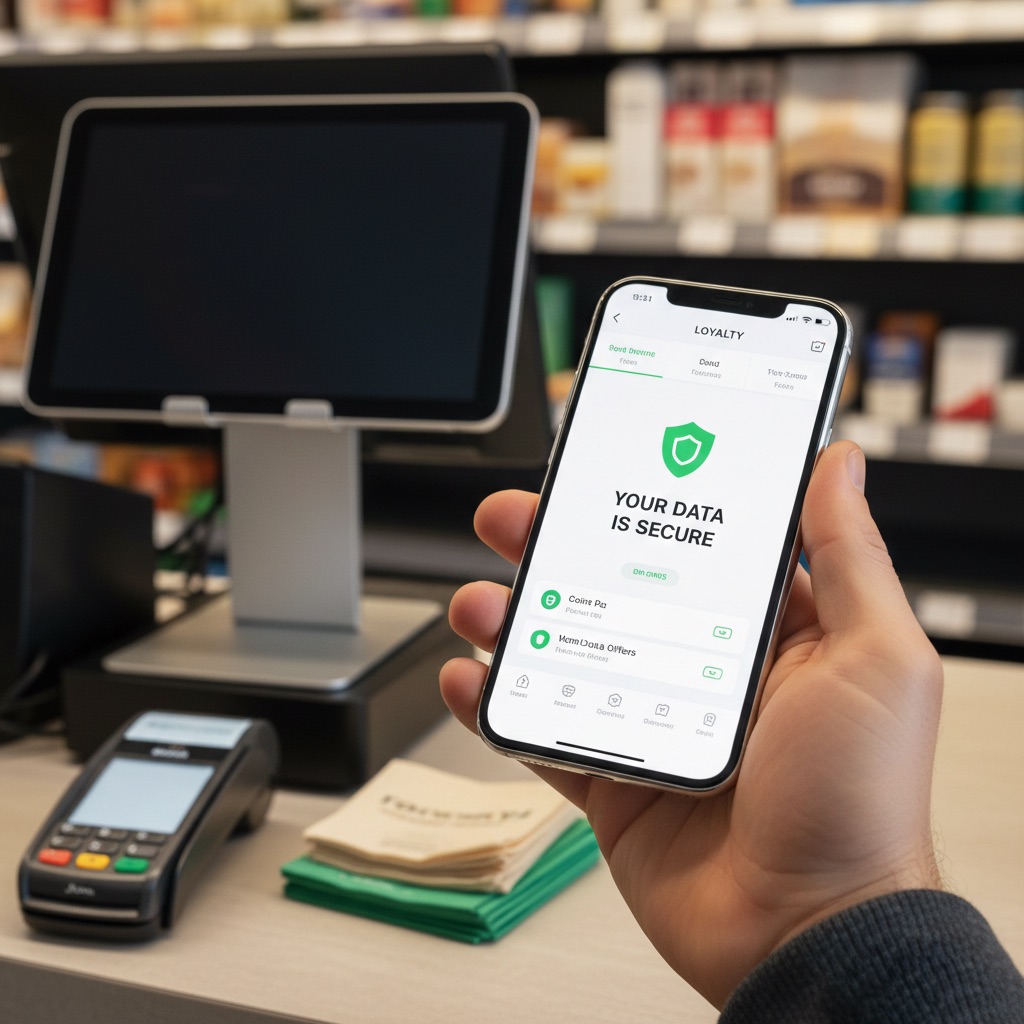
- Explore New Technologies: This includes advancements in digital signage (like interactive kiosks or video walls), more sophisticated traffic counting or analytics software, or even solutions for mobile payments or loyalty programs that can be integrated into the store experience.
Evaluate potential trends or technologies based on your store’s specific needs, budget, and target customer. Don’t feel pressured to adopt everything new but understand what’s out there and how it could potentially improve your store’s layout, signage, and overall performance. Could digital menu boards streamline your food service? Could integrated loyalty program prompts at the register boost return visits?
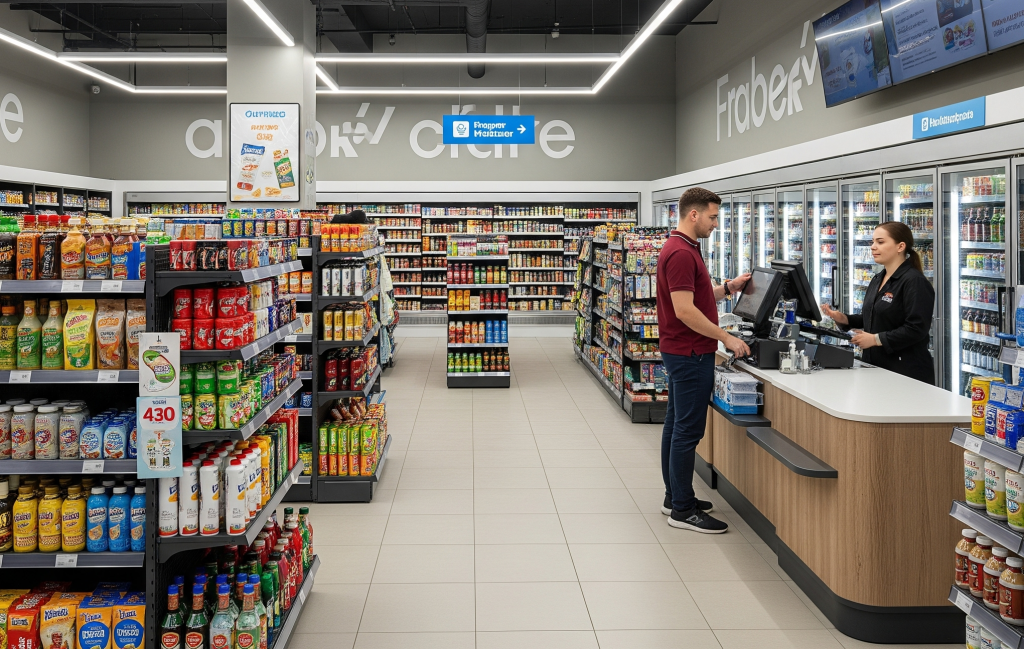
The Bottom Line: The Path to Ongoing C-Store Excellence
Optimizing your convenience store’s layout and signage is never truly finished; it’s an ongoing commitment to improvement. Throughout this series, we’ve built a strong foundation together. We started by understanding the foundations of an efficient store layout that guides your customers’ journey. We then mastered impactful signage strategies for attracting and guiding customers, turning passersby into shoppers and helping visitors find what they need. In our last post, we saw how effectively combining layout and signage can enhance customer satisfaction and dramatically drive impulse purchases.
Now, armed with the principles of measurement and continuous improvement, you have the complete toolkit. By setting clear goals, actively listening to your customers, leveraging the powerful data your store already generates, testing new ideas with a “learn and repeat” mindset, and staying informed about industry evolution, you can create a convenience store environment that isn’t just functional, but is truly optimized for both operational efficiency and an exceptional customer experience.
This is how you not only make effective changes but also prove their value, keep refining your store for maximum performance, drive sales, build lasting loyalty, and secure your growth for the future.
Keep measuring, keep improving!

 The5For
Leave a comment