Hey there, C-store trailblazers!
It’s Wednesday, May 28th, and if you’re like me, you’re always on the lookout for that edge, that piece of news that can spark your next big idea. As a former chef who’s always got an eye on the latest food trends and operational efficiencies, I know the daily grind of running a c-store means staying ahead of the curve. This week, I’ve dug into some of the most interesting convenience store industry news from Tuesday, May 27th, and trust me, there’s a lot here to unpack.
Let’s dive into “The 5 For“ this week, plus a bonus item I wish I’d seen when it first dropped!
1. New Store Formats: Beyond the Quick Stop
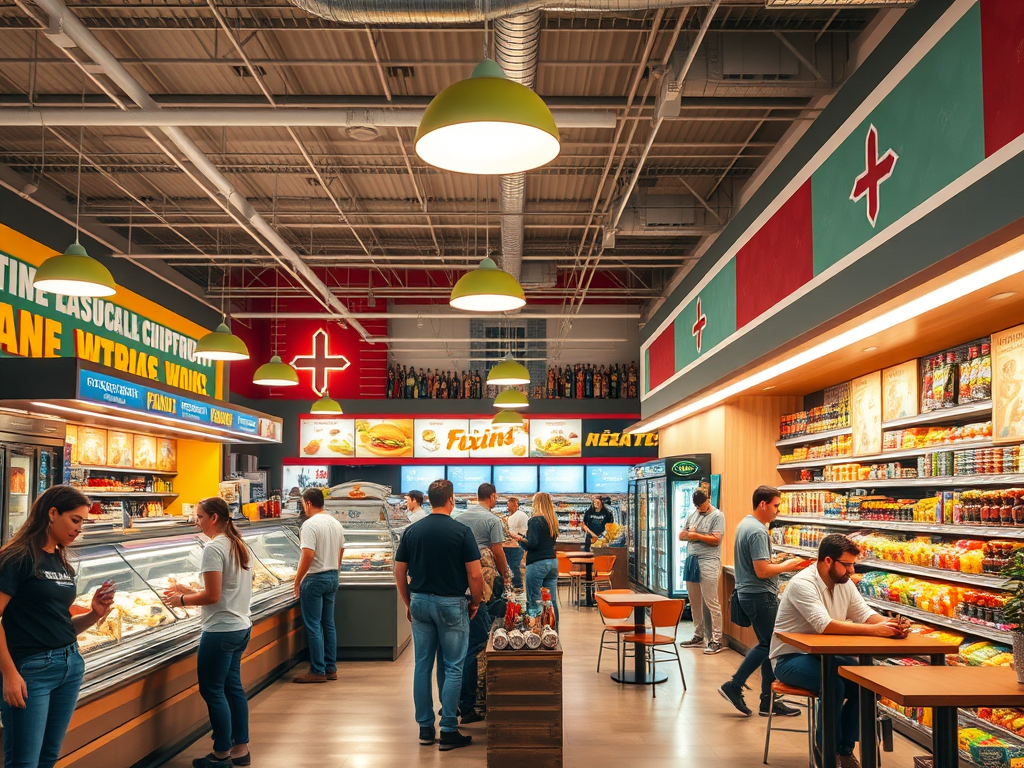
We’re seeing some of the industry’s fastest-growing players rolling out updated store designs that are more spacious and heavily focused on foodservice. This isn’t just about building bigger boxes. These new formats include features like drive-thrus, and even dog washes at Kent Kwik. Murphy USA is adding a “Fixin’ Bar” for customization. Rutter’s is expanding to massive 10,000-14,000 sq. ft. stores with bars and gaming terminals. These aren’t just larger stores; they’re destinations. This trend was highlighted in C-Store Dive.
Why It Matters to You: This trend is a powerful signal of what consumers are seeking. Traditional quick stops are evolving into community hubs offering more than just fuel and snacks. If you’re seeing others achieve nearly 40% better merchandise margins and 20% more fuel gallons sold with these new formats, it’s clear this is where the growth is heading. It demonstrates that investing in the customer experience pays off.
What You Should Be Doing:
- • Assess Your Space: Even if building new isn’t an option, think about how to optimize your current footprint. Can you dedicate more space to an enhanced foodservice offering, perhaps even a grab-and-go section featuring higher quality items?
- • Focus on Foodservice: This is the consistent theme across successful new formats. Can add a “Fixin’ Bar” or offer more made-to-order options? Think about what unique food offerings could draw customers in and keep them coming back. As a chef for sixteen years, I know firsthand how much great food can impact a business.
- • Consider “Experience” Elements: Enhance the customer visit. Could a comfortable seating area, better lighting, or even a local art display enhances the customer experience and encourage longer stays and more purchases?
2. Seven & i Shareholder Concerns: A Glimpse into Industry Giants
Shareholders of Seven & i Holdings, the Japanese owner of 7-Eleven, are expressing concerns about the future. A major point of discussion is Couche-Tard’s potential buyout offer. There are questions about leadership’s next steps in deal discussions and even worries that franchisees might not get enough attention if Couche-Tard acquires them. This news was reported by Morningstar.
Why It Matters to You: While this might seem like abstract big corporate news, it highlights the constant pressure on major players to adapt and strategize. It also underscores the importance of a strong, clear vision, even for the largest chains. For independent operators, it’s a reminder that market dynamics are always at play and change at the top can create ripples across the industry.
What You Should Be Doing:
- • Stay Agile: Big corporations can often be slow to pivot. Your advantage as an owner/operator is agility. You can react faster to local trends and customer needs than the giants can.
- • Focus on Your Community: Big mergers can sometimes create uncertainty for customers. Double down on your local connections and emphasize the personal touch that only an independent store can offer. This is your competitive edge.
- • Review Your Business Strategy: Use these large-scale shifts as a prompt to review your own long-term plans. Are you positioning your business for sustainable growth, regardless of what the national or international players are doing?
3. Food Safety Consolidation: A Future of Streamlined Oversight?
Senator Tom Cotton has introduced the SAFE FOOD Act of 2025. This bill proposes a study to consolidate federal food safety agencies like FSIS, FDA, and CDC into a single entity. The stated goals are to enhance public health, reduce redundancies, and improve response times to foodborne illness outbreaks. This proposal was noted by Food Safety News.
Why It Matters to You: Food safety is paramount in any foodservice operation, and convenience stores are no exception, especially as foodservice grows. Potential consolidation of oversight could lead to more standardized, and hopefully clearer, regulations in the future. This could simplify compliance but also potentially mean stricter enforcement. Staying ahead of the curve here is crucial.
What You Should Be Doing:
- •Proactive Compliance: Don’t wait for potential new legislation. Review your current food safety protocols NOW. Are your staff adequately trained? Are you following best practices for handling, storing, and preparing food?
- • Stay Informed: Keep a close eye on the progress of this bill and similar initiatives. Being aware of potential changes in regulations will allow you to adapt proactively rather than reactively.
- • Emphasize Transparency: Your customers value knowing their food is safe. Highlight your food safety measures in your store and on social media. Build that crucial trust with your customer base.
4. Wawa Donations: Community Impact is Good Business
The Wawa Foundation has awarded $1.5 million in grants to programs providing nutritious meals and snacks to youth across 12 states. This initiative reflects Wawa’s ongoing commitment to fighting food insecurity, according to Convenience.org.
Why It Matters to You: Beyond the obvious good deed, corporate social responsibility (CSR) is a powerful tool for brand building and customer loyalty. Consumers increasingly prefer to support businesses that give back to their communities. Wawa’s commitment to fighting food insecurity resonates deeply with many people. Demonstrating you care about your local area can significantly strengthen your relationship with customers.
What You Should Be Doing:
- • Local Community Engagement: You don’t need a multi-million dollar foundation to make an impact. Think locally. Partner with a local food bank, school, or youth program in your community. Even small contributions or partnerships can make a big difference.
- • Share Your Story: Use your social media channels to highlight your community involvement. Post about your efforts, involve your employees, and encourage customer participation. This builds goodwill and strengthens your brand image. Authentic community stories are incredibly engaging content!
- •Align with Your Values: Think about causes that resonate with you personally or with your store’s focus. Supporting initiatives that provide nutritious options, like Wawa is doing, aligns well with a focus on well-being and can give your efforts deeper meaning.
5. Food Trends: What’s on the Menu for 2025?
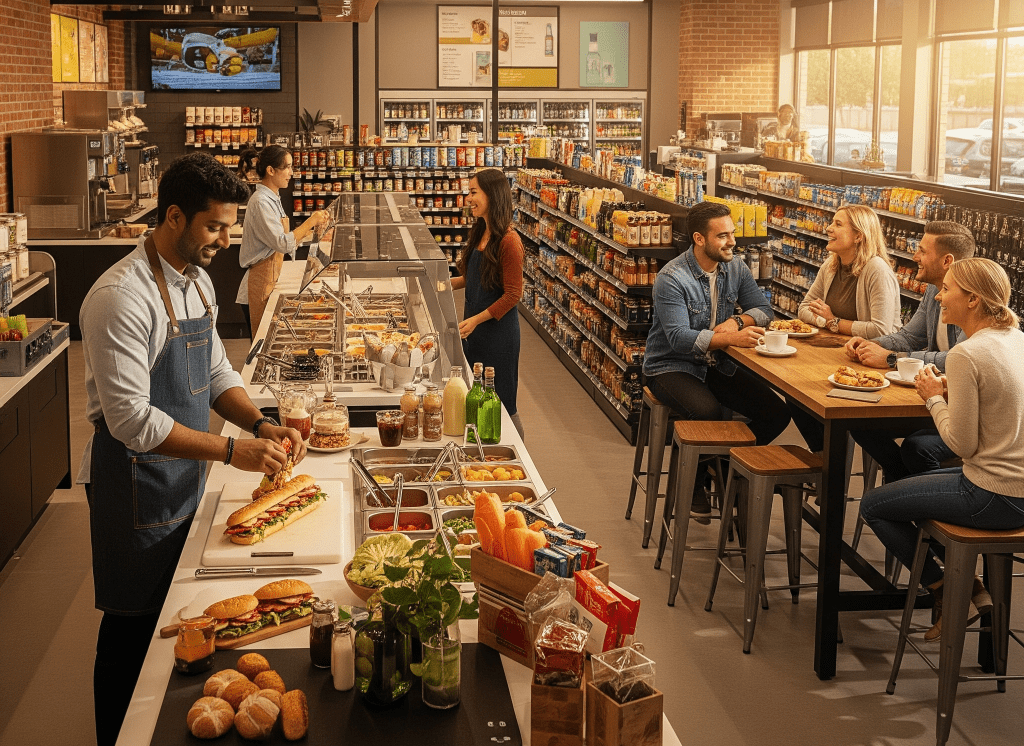
Two key food trends identified for 2025 are “stealth health” and “harmonizing heat”. “Stealth health” involves incorporating wholesome foods with functional ingredients like matcha or mushrooms into appealing options. “Harmonizing heat” focuses on combining spicy and savory flavors in complex ways, such as using gochujang or complex chili peppers. Convenience.org covered these trends.
Why It Matters to You: Foodservice is a major growth driver for c-stores, and understanding these emerging trends is critical for menu planning and inventory. Consumers are becoming more adventurous and health-conscious, even when choosing options in a convenience store setting. Tapping into these trends can differentiate your offering.
What You Should Be Doing:
- • Experiment with “Stealth Health”: Look for ways to quietly introduce healthier options. Can you introduce a new grab-and-go salad with functional ingredients, or a wholesome breakfast option? Even small, strategic additions can cater to this growing segment of customers.
- • Embrace “Harmonizing Heat”: Bold flavors are in. Consider adding a new spicy chicken sandwich, a unique hot sauce option for your roller grill items or even introducing spicy-sweet snacks. These complex; bold flavors appeal to a wide range of customers.
- • Keep an Eye on the Bigger Picture: Consider how broad dietary changes impact food choices. Think about offering options that cater to various dietary preferences, even if it’s just clearly labeling allergens or offering a plant-based alternative.
Bonus Item: 36Lyn Eyes Foodservice Future
After 20 years, the independent Minneapolis c-store 36Lyn is considering expanding into fresh and prepared foods. They’re exploring options like acquiring nearby property or carving out existing space to invest in a commercial kitchen and hiring a sous chef. This represents a deliberate move beyond their current offering, which includes a roller grill. CSP Daily News reported on their plans.
Why It Matters to You: This is a fantastic real-world example of an independent operator recognizing the same trends we just discussed and actively planning to adapt and invest. It shows that even long-established businesses need to innovate to stay competitive and relevant. This isn’t just a strategy for the big chains; it’s applicable and necessary for everyone.
What You Should Be Doing:
- • Learn from Peers: Take inspiration from other successful independent c-stores like 36Lyn. What are other independent operators doing in the foodservice space? What can you adapt for your own store?
- •Strategic Growth Planning: If foodservice is on your radar, start planning now. This might involve exploring property, assessing equipment needs, or even scouting for talent like a great chef! Planning is key to successful execution.
- • Don’t Be Afraid to Evolve: Twenty years is a long time in retail, and the market is constantly changing. The willingness to adapt and invest in new, growing areas like foodservice is precisely what keeps a business not just surviving, but thriving over the long term.
The Bottom Line
That wraps up today’s The 5 For. I hope these insights from Tuesday’s news spark some fresh ideas and inspire action for your business. The convenience store industry is always moving, always evolving. By staying informed, focusing on key areas like foodservice and community, and taking decisive action based on trends and strategic planning, you can ensure your store is not just keeping pace, but positioning itself for long-term success and growth.
Keep those doors open and those ideas flowing!


 The5For
Leave a comment