As the convenience store landscape evolves at breakneck speed, staying ahead of industry shifts is not just smart—it’s essential for survival. In this edition of The 5 For, we break down the 5 most compelling news items from May 28th, spotlighting why they matter for owner/operators and what actionable steps you should take. Whether it’s global expansion, new competition, or changing consumer habits, these stories offer both warning signs and opportunities. Let’s dive in and turn yesterday’s headlines into tomorrow’s business wins.
1. 7 & i’s New CEO: A Focus on Foodservice and Global Expansion
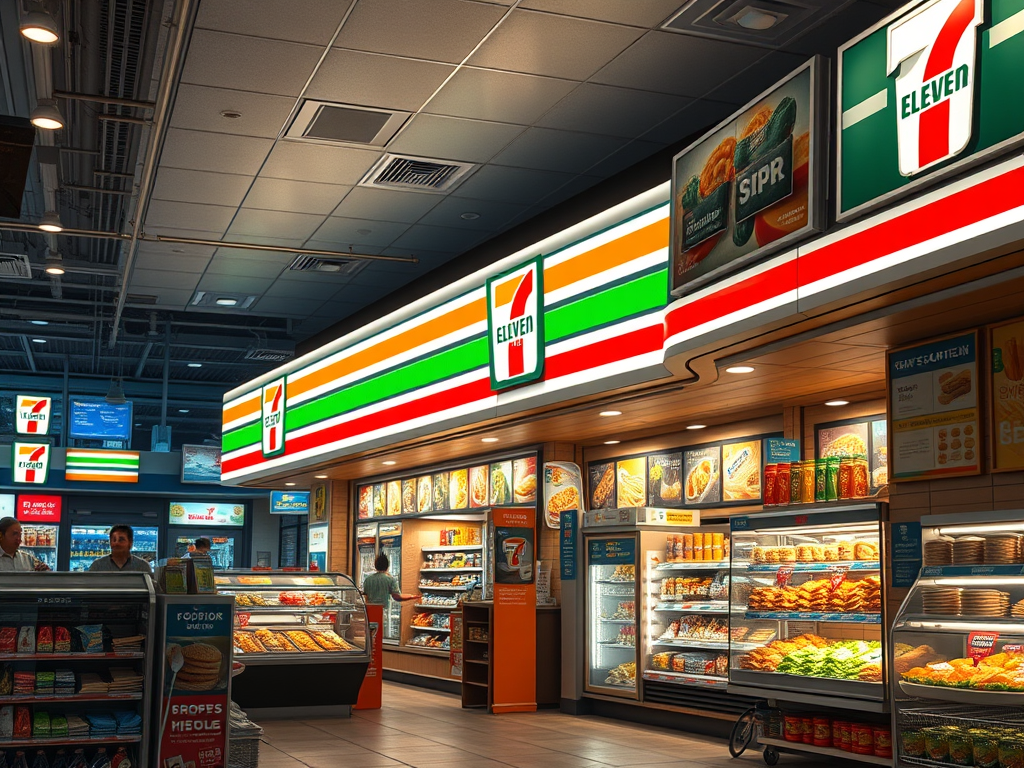
Stephen Dacus has made history as the first non-Japanese CEO of Seven & i Holdings, the parent company of 7-Eleven. Dacus is setting an ambitious course, aiming to grow 7-Eleven through significant foodservice innovation and accelerated international expansion, with a goal of 100,000 stores in 30 countries by 2030. His strategy includes bringing successful food offerings from Japan to North America, enhancing made-to-order options, and opening over 600 U.S. c-stores with indoor seating and expanded food and beverage programs.
Why it matters to you: This isn’t just about 7-Eleven; it’s a clear signal from an industry giant that foodservice and customer experience are the future. 7-Eleven’s aggressive push into more sophisticated food programs and comfortable in-store environments sets a new benchmark for customer expectations. If the largest player is investing heavily here, it indicates a critical area for market growth and competitive differentiation.
What you should be doing:
- Evaluate your foodservice: How can you elevate your current offerings? Go beyond traditional grab-and-go. Explore partnerships with local food vendors, expand fresh and made-to-order options, and consider creative ways to introduce seating or a more inviting in-store dining experience, even if on a smaller scale.
- Study successful models: Keep an eye on what 7-Eleven and other innovators are doing with their foodservice programs. What works? What resonates with customers? Learn from their investments without having to make the same upfront mistakes.
- Focus on Experience: Remember, it’s not just about the food, but the overall customer experience. Cleanliness, friendly staff, and an appealing atmosphere are just as important as the menu.
See the article here.
2. Big Box Retailers Expanding Fuel Offerings
Major retailers like Walmart, Costco, Sam’s Club, and even Dollar General are ramping up fuel operations. This includes extending hours, increasing car capacity, and building new stations. Walmart alone plans to open or remodel over 45 fuel stations this year.
Why it matters to you: The entry and expansion of big-box stores into the fuel market intensifies competition at the pump. These retailers often leverage their existing brand loyalty and high foot traffic, and some offer member-only discounts, putting pressure on traditional convenience stores that rely heavily on fuel sales. This isn’t just about losing fuel volume; it’s about losing the potential in-store traffic that fuel brings.
What you should be doing:
- Don’t compete on price alone: While competitive fuel pricing is important, you likely can’t beat big box stores on volume or membership models. Instead, focus on what differentiates you: speed, convenience, and a superior in-store experience.
- Enhance In-Store Value: When customers do choose your pumps, make sure they have compelling reasons to come inside. Offer loyalty programs, compelling promotions on snacks and beverages, and frictionless payment options at the pump to entice fuel customers inside.
- Prioritize efficiency: Upgrade your fuel islands for fast service. Consider technologies like pay-at-the-pump with loyalty integration and mobile ordering for in-store pickup to save customers’ time.
Read the article here.
3. Rutter’s Opens Second C-Store Bar Concept
Rutter’s has opened its second convenience store with an integrated bar and gaming lounge in Milton, Pennsylvania. This nearly 14,000 square foot location features a 21+ on-site bar, five video gaming terminals (VGTs), 75 alcoholic beverage options (including canned cocktails, beer, and wine), and exclusive bundle deals, all complemented by access to Rutter’s foodservice menu.
Why it matters to you: This innovative concept from Rutter’s demonstrates a bold move into experiential retail within the c-store format. It highlights a potential path for increased revenue and customer dwell time by offering unique entertainment and adult beverage consumption options. While a full bar might not be feasible for all, the underlying principle of diversifying offerings and creating destination appeal is relevant to everyone.
What you should be doing:
- Explore new revenue streams: Can you add services or products that extend beyond traditional c-store offerings? Think about car washes, laundromats, or even small, curated event spaces if your location permits.
- Leverage local licensing: Investigate the feasibility of expanding your alcoholic beverage sales. Look into licensing for craft beers, local wines, or pre-mixed cocktails for off-premise sales.
- Create “third place” experiences: Even without a bar, how can you make your store a more inviting “third place” (after home and work)? Comfortable seating, free Wi-Fi, and a welcoming atmosphere can encourage customers to stay longer and spend more.
See what it says here.
4. Who’s Stealing Your Snacks? Grocers!
A NielsenIQ report reveals that grocery stores have significantly increased their snack sales, snatching nearly 160 million bags of chips, pretzels, and other snacks from competitors year-over-year, with almost 40% of that volume coming directly from c-stores. This shift is attributed to consumers becoming more price-conscious and seeking multipack options, which grocers are better positioned to offer.
Why it matters to you: Snacks are a cornerstone of convenience store sales. Losing this significant volume to grocery stores directly impacts your bottom line. This trend underscores the challenge of competing on price with larger formats and the need to adapt to evolving consumer behaviors, particularly their desire for value and bulk options.
What you should be doing:
- Rethink your snack strategy: While you can’t always match grocery store multipack pricing, you can innovate. Consider creating your own “bundle deals” or multi-buy promotions on single-serve snacks.
- Leverage Impulse and Premium: C-stores excel at impulse purchases. Ensure your snack aisles are well-stocked, visually appealing, and strategically placed. Offer unique, trending, or premium single-serve options that grocery stores might not prioritize.
- Use digital promotions: Use your social media channels to highlight snack deals, new arrivals, and limited-time offers. Engage with your community and run contests that encourage snack purchases.
Read the article here.
5. Micromarkets: The Rise of Automated Convenience
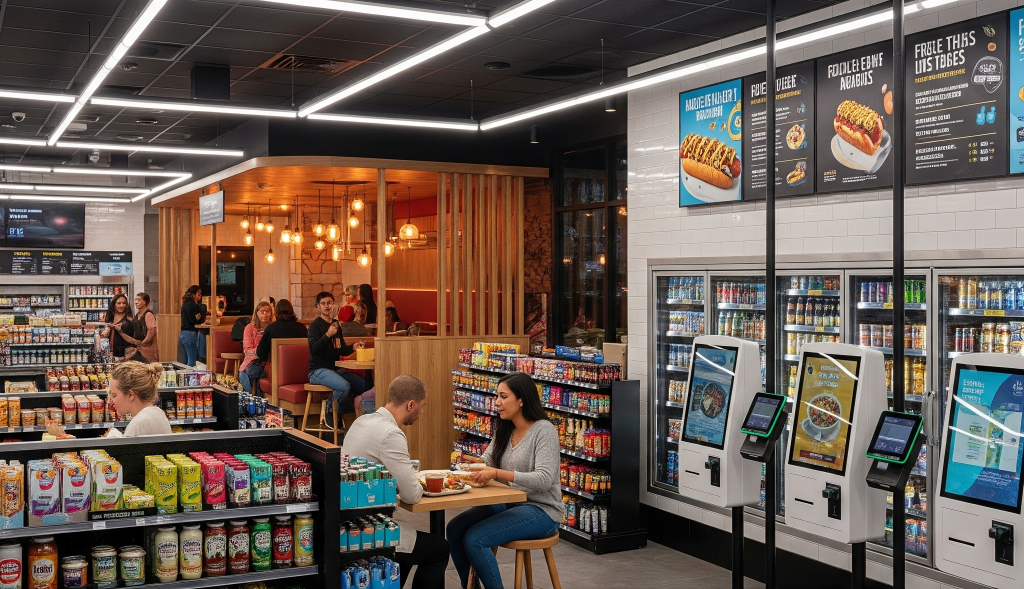
Urban Value Corner Store is rolling out AI-powered Smart Store Coolers, functioning as unmanned micro-markets in residential communities. These coolers allow customers to tap a credit card or digital wallet, open the door, take items, and be automatically billed. This move aligns with the trend of frictionless checkout and allows Urban Value to establish a presence in locations where a full-staffed store isn’t viable.
Why it matters to you: This development highlights the growing demand for convenience that operates outside traditional store hours and in non-traditional locations. While fully automated micro-markets might seem like a distant concept for some, the underlying technology and consumer acceptance of frictionless experiences are trends you need to monitor. It signifies a potential expansion of the convenience store footprint beyond brick-and-mortar.
What you should be doing:
- Adopt frictionless technology: Consider integrating aspects of frictionless checkout into your existing store. This could involve self-checkout kiosks, mobile payment options, or even “scan-and-go” apps.
- Consider alternative store formats: Could you place smaller, curated vending machines or smart coolers in local businesses, apartment complexes, or community centers? Think about bringing convenience to where your customers live and work.
- Strengthen inventory management: Automated systems rely heavily on robust data and inventory management. Regardless of whether you implement a micro-market, strong inventory control and data analytics are crucial for optimizing your product mix and reducing shrinkage.
See the article here.
Bonus: Understanding Gen Z – Your Future Customers and Employees
A Deloitte/WSJ article outlines key insights for CMOs regarding Gen Z, both as consumers and employees. As customers, Gen Z prioritizes trust through authentic social impact, is influenced by micro-influencers, blends virtual and real-world experiences, and expects tailored, instant gratification. As employees, they are eager to learn but often lack training, prioritize empathy and mental health support, and value time off as a reward.
Why it matters to you: Gen Z represents the largest generation and a rapidly growing consumer base. Understanding their values, purchasing habits, and what motivates them as employees is critical for your long-term success. They are digital natives with unique expectations, and your ability to attract and retain them—both as customers and staff—will define your future.
What you should be doing:
- Authentic Social Impact: Showcase your store’s commitment to community, sustainability, or local causes. Gen Z values businesses that demonstrate genuine positive impact. Use your social media channels to highlight these efforts authentically.
- Leverage Micro-Influencers: Identify local micro-influencers or popular community members who align with your brand. Partner with them to promote your store, especially any unique products or community initiatives.
- Digitize the Experience: Ensure your online presence is robust. Offer online ordering for pickup, loyalty programs accessible via app, and engaging content on platforms like TikTok and Instagram. Instant gratification is key, so make online interactions quick and easy.
- Invest in Training and Wellbeing: For your Gen Z employees, provide structured training programs, mentorship, and emphasize mental well-being support. Consider offering flexible scheduling and time off as valuable incentives and rewards.
Read about it here.
The Bottom Line
May 28th’s headlines capture the rapid evolution of the convenience store industry—from global expansion and new competition to automation and changing demographics. The winners will be those who adapt quickly: elevating foodservice, differentiating the in-store experience, leveraging technology, and engaging the next generation of customers and employees. Stay agile, stay informed, and keep serving your community—because in this business, tomorrow’s success starts with today’s action.

 The5For
Leave a comment