
Good morning convenience store owner/operators! As we look back on the news from yesterday, we can see it’s crucial to stay ahead of the curve in our dynamic industry. We’ve sifted through the latest news to bring you 5 critical insights from Thursday, May 29th, plus a bonus item, that demand your attention. These aren’t just headlines; they’re calls to action that can significantly impact your bottom line and future strategy. Let’s dive into what you should know and, more importantly, what you should be doing.
1. Value at a Premium: Creating Perceived Value Without Deep Discounts
A recent article drawing insights from the National Restaurant Association Show highlighted that while discounts offer a short-term boost, sustainable growth comes from creating value deals that maintain your margins. According to Alexis Gillette, vice president of marketing at Dunn Brothers Coffee, discounting can be incredibly disruptive long term because it trains customers to think a lower price is the item’s actual worth, creating a cycle that’s hard to break. The focus should be on strategies like opportunity assessment, strategic bundling, creating urgency, and clear communication to make customers feel they’re getting more for their money without cutting into your profits. The goal is to drive long-term profitability, not just immediate sales spikes.
Why it matters to you: In today’s competitive landscape, simply slashing prices is a race to the bottom. Your customers are seeking perceived value more than ever. This trend is a clear signal that profitability isn’t just about how low you can go, but how smartly you can package and present your offerings. As a convenience store owner/operator, understanding this distinction is key to fostering loyalty and increasing average transaction size, without “downgrading your ability to tell [customers] what you should pay for something on a regular day-to-day basis”.
What you should be doing:
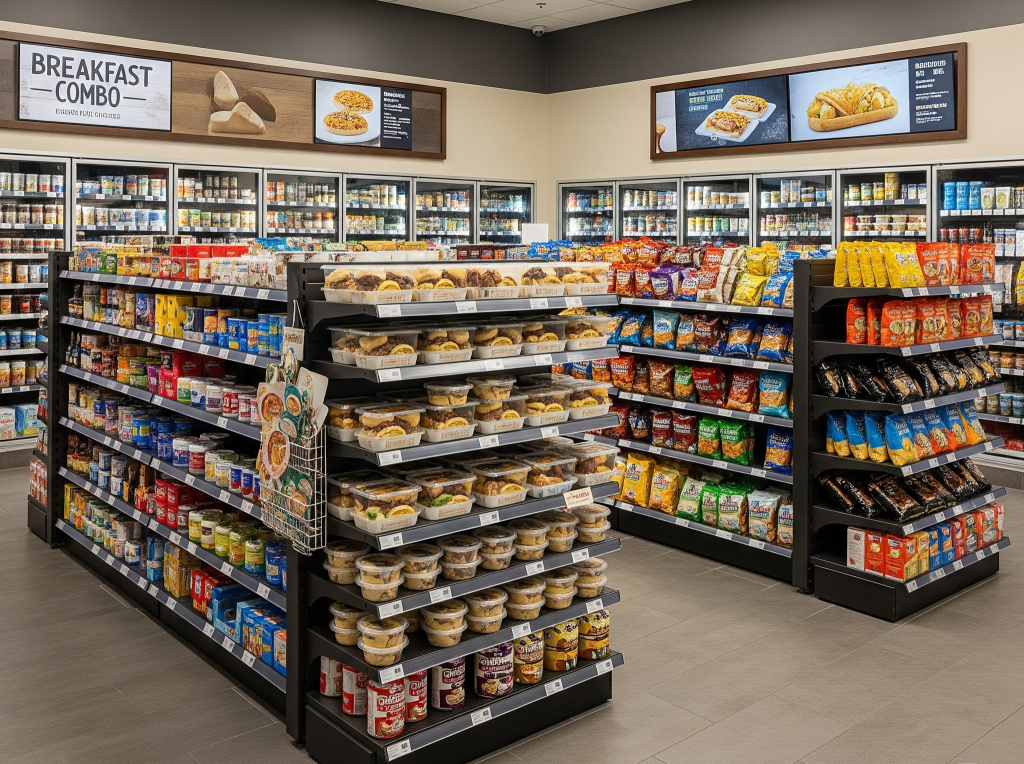
- Assess Opportunities: Look at your existing sales data to see what products are frequently purchased together. Can you create bundles that offer perceived savings, like a “breakfast combo” or “snack pack”?. Evaluate your prices to determine which items can be offered together for a lower combined price while still maintaining your margin targets. Focus on your “traffic drivers” – items people already come for – and create value around them.
- Maintain Margin Through Bundling: Focus on bundling high-margin items with popular ones. As seen with examples from Yum! Brands, bundle items customers are already buying together and promote it with a cool name and compelling price point. The bundle price should be attractive compared to buying items individually, encouraging customers to spend the full bundle price and raising the average check, while the combined margins still keep profitability within target thresholds.
- Shift Behavior: Design deals that subtly encourage customers to buy more, like offering a slightly lower per-item price if they buy multiples (e.g., “2 for $10” vs. “buy one, get one 50% off”). This is a “deal instead of a discount,” positioning the offer in a way that lifts the brand value while increasing the number of items sold per transaction.
- Create Urgency and Limit Availability: Implement limited-time offers or loyalty program-exclusive deals to encourage immediate purchases. This gives customers something to be excited about and provides flexibility to try new things without constantly chasing sales comparisons.
- Communicate Value Clearly: Use clear, concise signage in-store and engaging social media posts to highlight the “deal” and the benefits customers receive, rather than just focusing on the price reduction. Use visually appealing graphics on social channels to grab attention and make the offer compelling.
2. RaceTrac’s Strategic Growth: Expanding Infrastructure in Louisiana
RaceTrac is making a significant investment in its Louisiana operations with a new $9 million, 40,000-square-foot distribution facility in Geismar. This move is designed to enhance their supply chain, support growing regional demand, and solidify their presence as a major player in the state. Louisiana is one of RaceTrac’s larger markets with over 60 stores, though they trail competitors like Circle K, which has around 230 locations there. The facility is positioned as an “ideal logistics hub” with access to various transportation methods. RaceTrac has also been adding technology partners in areas like supply chain, temperature monitoring, and updating its mobile app.
Why it matters to you: The expansion of a major competitor like RaceTrac isn’t just news; it’s a barometer of market confidence and a sign of increasing competitive intensity. Their investment in supply chain infrastructure indicates a long-term play for market share, emphasizing efficiency and readiness for growth. This directly impacts independent operators by potentially altering local supply dynamics and raising customer expectations for product availability and freshness. A new distribution facility suggests RaceTrac plans to grow its store network in Louisiana.
What you should be doing:
- Optimize Your Supply Chain: While you might not build a $9 million facility, review your current inventory management and delivery schedules. Can you streamline processes, reduce waste, and ensure popular products are always in stock? Consider leveraging technology for better supply chain management, similar to RaceTrac’s focus.
- Leverage Local Partnerships: Use your local connections. Can you partner with local distributors who offer more flexible delivery options or unique regional products that differentiate you from larger chains? Promote these local connections on your social media to build community engagement.
- Analyze Market Trends: Keep an eye on new store openings by major players like RaceTrac in your area. Understand their strategy and identify niches they might be overlooking.
- Consider Strategic Growth: Even small, independent stores can think about their own growth, whether it’s expanding product lines, improving existing facilities, or even exploring a second location.
Read about it here.
3. Couche-Tard’s Play for 7&i Holdings: A Game of Synergies and Challenges
Bloomberg Intelligence analyzed Alimentation Couche-Tard’s potential takeover bid for Seven & i, the parent company of 7-Eleven. While Couche-Tard generally finds synergies of 30%-60% of the target’s EBITDA in acquisitions, achieving “a similar number with Seven & i could prove difficult”. Challenges include a lack of fuel overlap between the two companies, as many 7-Elevens don’t have gas pumps, unlike Couche-Tard’s strong fuel margins. Another impediment is 7-Eleven’s heavy reliance on franchisees (over 90%), which can make implementing changes difficult for the acquirer compared to Couche-Tard’s less than half franchised footprint. However, the acquisition could offer access to Seven & i’s voluminous data and deep institutional knowledge in fresh foods, as well as a strong Asian market presence. The deal is complex, faces potential antitrust concerns compared to the failed Albertsons-Kroger merger, and due diligence could take months.
Why it matters to you: Mega-mergers like this reshape the competitive landscape. This potential deal highlights the ongoing consolidation within the convenience store industry and the diverse strategies large corporations employ. For independent operators, it underscores the need to be agile, innovate, and find unique competitive advantages in a market increasingly dominated by giants. It also signals what areas are highly valuable for acquisition, like fresh food and robust data.
What you should be doing:
- Focus on Your Strengths: If you excel in fresh food offerings or local products, double down on those. Large chains often struggle with the agility to adapt to local tastes and trends as quickly as an independent store. Highlight these strengths through targeted social media campaigns, perhaps showcasing “behind-the-scenes” of your fresh prep.
- Emphasize Customer Experience: Larger chains can sometimes feel impersonal. Emphasize personalized customer service, community involvement, and a welcoming atmosphere. Encourage online reviews and engage with customers on social media to build a strong community.
- Explore Technology Adoption: Pay attention to how larger companies leverage data and technology. While you don’t need their budget, consider adopting smaller-scale tech solutions for inventory, customer insights, or loyalty programs.
- Network and Stay Informed: Engage with industry associations like NACS and other independent operators. Share best practices and support each other in navigating the evolving market. Stay informed about how large-scale mergers could affect supply chains and wholesale relationships.
See it here.
4. Gen Z & Tea: Brewing New Habits in Beverage Consumption
Broader trends indicate that Gen Z is increasingly choosing tea over alcoholic beverages. This is driven by health consciousness, a desire for control, diverse flavor preferences, and the appeal of unique, non-alcoholic social experiences. They are drawn to specialty teas, bubble tea, and visually appealing tea-based drinks, often viewing tea as a “health tonic” or a “treat”. Sober-curiosity is a popular lifestyle choice for 18- to 24-year-olds. Cost is also a factor, as alcohol is expensive. Tea offers an intentional, tactile experience that encourages slowing down and self-care, which Gen Z prioritizes. Late-night teahouses are emerging as “sanctuary spaces” or “third spaces” for this generation to connect.
Why it matters to you: Gen Z is your current and future customer base. Their evolving beverage preferences mean that simply stocking traditional sodas and coffees isn’t enough. Convenience stores have a massive opportunity to capture this market by diversifying their non-alcoholic offerings and creating an inviting atmosphere that caters to their desires for healthier, more experiential, and aesthetically pleasing options. This is a chance to boost your grab-and-go beverage sales significantly.
What you should be doing:
- Expand Your Tea Selection: Go beyond basic black tea. Explore options like green tea, herbal infusions, specialty iced teas, and even ready-to-drink (RTD) bubble tea or matcha lattes. Offer variety to cater to diverse flavor preferences.
- Promote Health Benefits: Highlight the health aspects of tea in your marketing. Use social media to share fun facts about the benefits of different teas. Position tea as a “health tonic” or a desirable “treat”.
- Create Experiential Offerings: Consider a self-serve hot tea bar with unique flavorings or a specialty iced tea dispenser. Even a visually appealing display of your tea selection can make a difference, contributing to the desired intentional and tactile experience.
- Focus on Visual Appeal for Social Sharing: Gen Z loves Instagrammable moments. Can your tea offerings be presented in a way that encourages customers to share photos online? Think clear cups, colorful layers, or unique garnishes.
- Partner with Local Tea Shops/Suppliers: Explore collaborations to bring in unique, high-quality tea products that resonate with this demographic. This can also help position your store as a local community hub, similar to the “third space” concept.
Check out the story here.
5. Alabama Vape Lawsuits: Navigating Regulatory Challenges
The Alabama Association is suing over a new state vape bill, highlighting the ongoing confusion and competitive imbalances created by unclear FDA regulations. The law, signed earlier this month, would prohibit c-stores from selling most vape products, instead moving these sales to adult-only vape shops. The industry in the state, represented by the Petroleum & Convenience Marketers of Alabama (P&CMA) and others, has filed two lawsuits in federal and state court seeking to block enforcement. Supporters claim the law aims to stop youth sales, assuming specialty vape shops are better at age verification.
However, NACS General Counsel Doug Kantor argues that convenience stores have a far better compliance track record at selling age-restricted products, and moving sales undermines this goal. The root of the issue is the lack of clarity from the FDA, which has created a vacuum where illicit products, especially from China, have proliferated. Compliant c-stores selling only FDA-approved products are at a disadvantage compared to vape shops willing to sell clearly illegal items.
Why it matters to you: The vape market is a significant category for convenience stores, accounting for about 30% of sales according to one representative. However, it’s fraught with regulatory uncertainty and the challenge of illicit products. Alabama’s situation is a microcosm of a nationwide issue that impacts your legal compliance, profitability, and competitive standing. The potential loss of income and ancillary purchases from vape sales could have a negative impact on your business. Understanding the regulatory landscape and how to operate within it is crucial to avoid legal issues and protect your business. There is also the fear that other states could adopt similar laws.
What you should be doing:
- Stay Informed and Compliant: Continuously monitor state and federal regulations concerning vape products. Ensure all products you sell are FDA-approved and legally compliant. This is non-negotiable to avoid legal issues.
- Advocate for Fair Enforcement: Support industry associations like NACS and state associations such as P&CMA that are advocating for clearer regulations and stricter enforcement against illicit products. Your voice matters in shaping fair policy.
- Educate Your Staff: Ensure your employees are fully aware of age verification laws and compliant product offerings. Proper training is essential for responsible sales.
- Communicate with Customers: Consider subtle in-store messaging or social media posts that highlight your commitment to selling only legal, regulated products. This subtly differentiates you from less scrupulous sellers without directly accusing others, emphasizing your adherence to safety and quality.
- Diversify Your Offerings: While vape is important, accounting for a significant portion of sales, ensure you’re not overly reliant on one product category. Continue to grow other revenue streams like food service, beverages, and general merchandise.
Read more here.
Bonus: Gen Alpha: Your Next Generation of Customers
Gen Alpha, born after 2010, are the children of millennials and are the most digitally native generation yet. They are influenced by interest-based content, community-driven discovery, and social media platforms like YouTube. Gaming is a massive part of their lives, and brands need to engage them through native advertising within these ecosystems like Roblox, Minecraft, and Fortnite. They have significant direct spending power (estimated $28 billion) and wield substantial indirect influence over millennial parents’ purchases. They are described as “mini-media planners,” extremely brand aware and marketing savvy. Nostalgic content is a “connective tissue” for bonding with millennial parents.
Why it matters to you: While Gen Alpha might seem like a distant future, they are already influencing household purchasing decisions and will soon be your independent customers and employees. Understanding their digital fluency, their comfort with technology, and their preferences for engaging, interactive experiences is vital for long-term marketing and store design strategies. Ignoring them means missing out on the next wave of consumer spending and failing to prepare for the future retail landscape, as they indicate “early markers and early indicators of real digital shifts that are happening”.
What you should be doing:
- • Embrace Digital Engagement (Targeting Parents): While direct marketing to children is regulated, think about how your store can be family-friendly and appeal to millennial parents who are raising Gen Alpha. Consider loyalty programs that involve digital engagement or family-oriented promotions marketed to parents on platforms like Instagram and Facebook. Showcase products and experiences that appeal to families.
- • Explore In-Store Technology: Consider interactive displays, self-checkout options, or even simple digital signage that can capture the attention of tech-savvy young consumers. Make your store environment engaging and comfortable for families.
- • Consider Gaming Tie-ins: If appropriate for your store and audience, explore gaming-themed promotions or partnerships. Think about how your brand could potentially appear or be promoted in a way that feels native to gaming ecosystems frequented by this generation, adhering strictly to child safety guidelines.
- • Focus on Experience: Gen Alpha thrives on experiences. Think about how your store can offer more than just transactions – perhaps a fun, clean environment, unique product displays, or interactive elements that appeal to younger shoppers and their parents.
Check it out here.
The Bottom Line
Thursday, May 29th, delivered a potent mix of news for the convenience store industry. From navigating pricing strategies without discounting, to adapting to massive market consolidations, understanding evolving consumer habits like the rise of tea among Gen Z, staying ahead of complex regulations like the Alabama vape law, and preparing for the digitally native Gen Alpha, the message is clear: Adaptation is not optional; it’s essential. By proactively addressing these trends, you can position your convenience store for sustained success and continue to serve your communities effectively.
What are your thoughts on these news items? Share your insights in the comments below!


 The5For
Leave a comment