Welcome back to The 5 For, your essential guide to actionable insights in the convenience store world. Several crucial developments emerged on May 30th that every owner/operator should be closely monitoring. Understanding these shifts is fundamental; it’s not just about staying informed, but about strategically positioning your business for sustained success in a dynamic market. Let’s dive into the 5 most significant takeaways from today’s headlines and explore what they truly mean for your convenience store operation.
1. The “Big Three” Numbers Shaping Tomorrow’s C-Store
Yesterday brought three notable shifts that highlight the evolving landscape of our industry. Circle K debuted its first European location dedicated exclusively to EV charging, entirely removing traditional fuel pumps. Urban Value Corner Store is piloting “Smart Store Coolers” using Micromart technology to enable frictionless shopping in residential areas. Concurrently, RaceTrac unveiled a substantial 40,000-square-foot, high-tech distribution center situated in Louisiana.
Why It Matters to You: These headlines from major players offer a glimpse into the potential future direction of the industry. The Circle K move in Sweden is a bold declaration, pointing towards a future where fuel forecourts might diminish or be replaced by charging hubs as EV adoption grows globally. This prompts consideration of your future role within the EV ecosystem. Urban Value’s Smart Store Coolers demonstrate the increasing consumer desire for convenience without traditional cashier interactions. This technology illustrates how AI and automation can streamline the customer journey and boost efficiency, even in conventional c-store settings. RaceTrac’s significant investment in a distribution center underscores the vital importance of logistics and technology in ensuring inventory management and product freshness. A robust and efficient supply chain is a core component of profitability.
What You Should Be Doing:
- Future-Proofing Your Site: Even if comprehensive EV charging isn’t an immediate priority, assess how your current infrastructure could be adapted. Could you allocate space for rapid chargers down the line?
- Embracing Automation: Seek out smaller-scale automation solutions that align with your budget. This might involve integrating self-checkout kiosks, exploring smart inventory management systems, or introducing mobile ordering capabilities for popular items.
- Optimizing Your Supply Chain: Conduct a review of your current inventory processes. Identify any bottlenecks and consider how improved supplier relationships or a more streamlined ordering system could help reduce waste and enhance product availability.
Read the article here.
2. EG America’s Strategic Re-Entry into Acquisitions
Following a period focused on divesting assets to reduce debt, EG America is actively resuming acquisitions, having purchased nine Neon Marketplace stores in the Northeast. These newly acquired stores are slated for rebranding under the recognized Cumberland Farms banner, signaling EG’s renewed emphasis on growth through acquisition and unifying its brand presence on the East Coast.
Why It Matters to You: This acquisition, particularly the rebranding under Cumberland Farms, strongly indicates current trends in market consolidation and the significance of brand strength. Major industry participants like EG America are continuously refining their portfolios. Their strategic choices, whether involving acquisitions or divestitures, directly influence local market competition and can impact property values. The decision to consolidate under a powerful, well-established brand like Cumberland Farms highlights the intrinsic value of brand loyalty and maintaining operational consistency.
What You Should Be Doing:
- Assess Your Competitive Landscape: Analyze how these large-scale industry movements are affecting your specific local market. Do they create opportunities for you to differentiate your offerings, especially if a major competitor is expanding or consolidating nearby?
- Build Your Brand Identity: Even independent stores benefit significantly from cultivating a strong, clearly defined brand. What unique aspects define your store? How can you foster customer loyalty that goes beyond the appeal of national chains?
- Stay Agile: Maintain readiness for potential market shifts. This could involve being open to potential acquisition opportunities for your own business or actively identifying and serving niche markets that larger competitors may not be effectively reaching.
See the article here.
3. Parkland’s Push for Sunoco Shareholder Approval: A $9.1B Megadeal
Parkland Corp. is actively working to secure shareholder approval for its substantial $9.1 billion acquisition of Sunoco. If approved, this transaction would result in the formation of one of the largest independent fuel distributors spanning the Americas, integrating extensive operations across Canada, the U.S., and the Caribbean.
Why It Matters to You: This proposed merger is more than just a deal between two large corporations; it carries significant implications for the future of fuel distribution and supply chains. A combined entity of this scale could wield substantial influence in fuel procurement and distribution dynamics. While this might lead to greater stability in supply, it could also potentially result in reduced competition among suppliers in certain areas. Such large-scale mergers have the potential to impact wholesale fuel pricing, the reliability of supply, and even the terms and programs offered by major distributors to independent operators.
What You Should Be Doing:
- Diversify Revenue Streams: Relying exclusively on fuel margins presents inherent risks. This significant merger underscores the necessity of strengthening your in-store sales, foodservice operations, and other product or service offerings to create a more balanced business model.
- Monitor Fuel Market Trends: Keep a vigilant eye on wholesale fuel pricing fluctuations and overall supply chain dynamics. Understand how industry consolidation might influence your operating costs and your ability to maintain a competitive position.
- Strengthen Distributor Relationships: If feasible, cultivate strong relationships with multiple fuel distributors. This approach provides valuable flexibility and potential leverage, regardless of broader industry consolidation trends.
Check out the article here.
4. Korean Convenience Store CU to Make its U.S. Debut in Hawaii
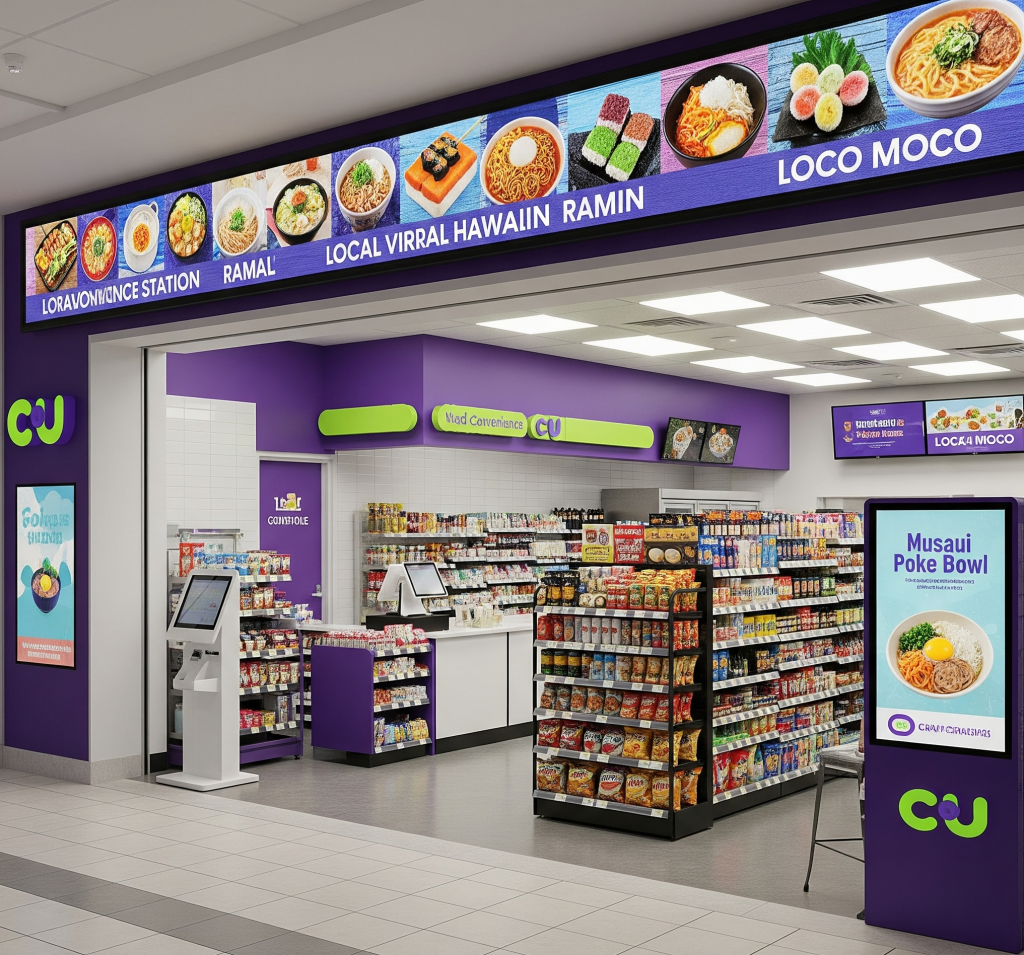
CU, a prominent c-store chain from Asia, is preparing to open its initial U.S. locations in Hawaii this fall. Through a partnership with CU Hawaii LLC, they plan to introduce a diverse mix of Korean national brands, CU’s own private-label products, and popular local Hawaiian items. Their offering will notably include instant ramen stations and customizable drink options.
Why It Matters to You: CU’s entry into the U.S. market serves as an excellent illustration of how global trends can effectively influence and integrate into local markets. Their strategy involves a fusion of cultures and product innovation, expertly blending popular Korean items like viral snacks, cosmetics, and ramen stations with local Hawaiian favorites such as musubi, poke, and loco moco. This approach is a masterful example of catering to a diverse range of tastes. The emphasis on interactive features like “instant ramen cooking stations” and customizable drinks highlights a broader shift towards more engaging and experiential retail environments in the convenience sector.
What You Should Be Doing:
- Explore Niche Markets: Consider the unique cultural or demographic groups present in your specific trade area. Could you introduce specialty products or create distinct experiences that cater specifically to them, mirroring CU’s successful strategy?
- Innovate Your Foodservice: Think creatively beyond standard hot dogs and roller grill items. Could you feature unique, locally sourced products? Experiment with customizable drink stations or even develop a small, easily managed “grab-and-go” section showcasing popular ethnic foods?
- Learn from International Success: Do not limit your sources of inspiration solely to domestic competitors. Look at successful convenience store models globally for innovative ideas regarding product mix, store design, and strategies for engaging customers.
See the story here.
5. C-Store Consumers Want What?! Finding Value in Foodservice
CSP’s recently released 2025 State of Foodservice report indicates a strong consumer demand for both value and quality within convenience store foodservice offerings. A significant 82% of survey respondents reported an increase in foodservice sales in 2024, and a projected 80% anticipate continued growth in 2025. The clear implication is that convenience stores possess the capability to effectively compete with quick-service restaurants (QSRs) by providing high-quality products at more affordable prices and effectively communicating that value proposition to customers.
Why It Matters to You: This finding is not merely encouraging news; it represents a clear pathway towards enhanced profitability for your business. Foodservice has fundamentally transformed from a supplementary offering to a cornerstone for growth within the convenience store model. The data unequivocally shows that customers are actively seeking more food options from your stores. They are looking for quality meals and snacks that offer cost savings compared to traditional fast-food establishments. You hold a distinct advantage in being able to provide quicker, and often more budget-friendly, options than QSRs, particularly for customers seeking grab-and-go convenience.
What You Should Be Doing:
- Double Down on Foodservice: If foodservice hasn’t been a primary focus for your store, now is the opportune moment to prioritize it. Invest strategically in necessary equipment, staff training, and developing a menu that successfully balances popular customer favorites with new, creative offerings.
- Focus on Value & Quality: The concept of “cheaper” should not be equated with “low quality”. It means implementing smart sourcing practices, ensuring efficient preparation methods, and providing portion sizes that customers perceive as generous. Emphasize the use of fresh ingredients and highlight daily specials.
- Market Your Offerings: It’s not enough to simply prepare great food; you must actively inform your customers about it. Utilize in-store signage, leverage social media platforms, and run local promotions to effectively showcase your foodservice options. Share visually appealing photos on platforms like Instagram and Facebook to attract attention.
- Gather Feedback: Make an effort to truly understand what your customers desire. Employ methods such as surveys, comment cards, or even informal conversations to gauge their preferences and make necessary adjustments to your menu accordingly.
Read the article here.
The Bottom Line
That concludes The 5 For Friday, May 30th. These headlines represent more than just news items; they are tangible opportunities for growth and strategic advancement. By actively paying attention to these emerging trends and proactively adapting your business strategy, you are doing more than simply operating a convenience store—you are actively constructing a thriving business designed for future success.
Don’t forget to share your thoughts in the comments below! What news item resonated most with you and why?


 The5For
Leave a comment