3. Adapting or Falling Behind: Why the Convenience Market Demands Constant Change
Following our discussion on building a robust team culture as the very foundation of your convenience store business, let’s confront a stark reality: the market simply won’t wait for you to catch up. In our previous post, we established that your team’s culture dictates whether your strategies succeed or fail. Now, we need to understand why those strategies must constantly evolve—and the significant consequences if they don’t.
Listen to the Future Of Convenience podcast here.
John Carey’s perspective on market adaptation is both sobering and incredibly empowering. He states unequivocally that “the status quo was not an option for us” when discussing EG America’s transformation journey. This isn’t just corporate speak; it’s a fundamental principle for survival that applies even more critically to independent operators who don’t have the luxury of a large corporate safety net or deep pockets to weather extended downturns.
The numbers clearly illustrate why continuous change is non-negotiable for convenience stores:
- Traditional revenue streams are under unprecedented pressure. Sales of tobacco are expected to continue their long-term decline, and improvements in fuel efficiency are already significantly reducing per-customer fuel purchases. These aren’t temporary blips; they’re fundamental shifts.
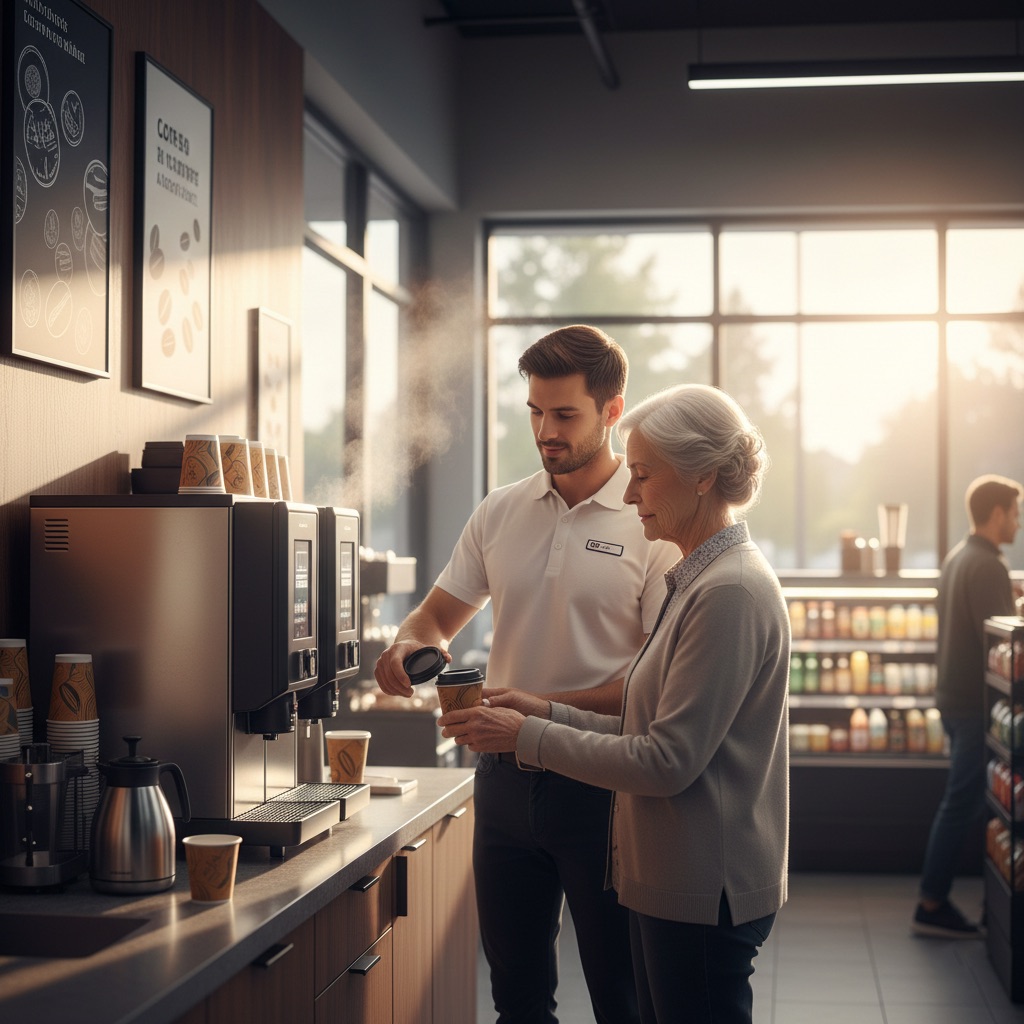
- Beverage trends are rapidly changing. A prime example is the dramatic shift post-COVID, where hot coffee sales dropped significantly, while cold coffee surged. These shifts represent millions in revenue across the industry and underscore the need for constant vigilance.
- Market consolidation and rising operational costs are pressures that impact every operator, large or small. This competitive landscape demands efficiency and innovation.
- Customer expectations are evolving at an accelerating pace. Customers today demand healthier options, robust loyalty programs, and frictionless shopping experiences more than ever before. However, they still fundamentally require value and speed, so balancing these demands is key.
Mr. Carey emphasizes that “the customers of today are not the same as the customers of tomorrow,” and their needs are changing in real-time. This means strategies that might have worked even two years ago could actively be hurting your business today. He points out the “vulnerability… of being a leader,” referencing how companies that were successful for decades can quickly lose relevance if they fail to adapt. The convenience industry has seen this pattern repeatedly: success can breed comfort, which in turn breeds complacency, leading directly to irrelevance. If your strategy hasn’t changed since before COVID, your company is likely “failing.”
The goal, as Mr. Carey suggests, is to be a “disruptor rather than disrupted,” actively avoiding becoming a “victim” of market changes. For independent operators, this doesn’t mean you need to revolutionize the entire industry. It means you need to stay ahead of changes within your specific market area. Are your customers asking for something you’re not currently providing? What are your local competitors doing that’s working? What trends are you seeing in your own sales data that suggest shifting preferences?
So, what do you need to do?
- Accept that the “status quo is not an option” for your business either. This shift in mindset is crucial for embracing continuous improvement.
- Constantly analyze market trends and customer needs in your specific area. Staying informed about what your local customers want, and need will guide your strategic decisions.
- Be willing to change and “keep moving forward.” This involves a continuous cycle of observation, planning, and implementation.
- Proactively identify how shifting trends (like fuel or beverage habits) will impact your business and plan accordingly. Don’t wait for a crisis to react; anticipate future challenges and opportunities.
How can you implement this?
- Stay informed about industry trends through resources like podcasts (like the one that inspired this series!), industry associations (such as NACS, which the host mentioned), and market reports. These resources provide early warning systems for market shifts.
- Regularly review your product mix. Are you noticing shifts in demand for certain items, such as less hot coffee and more cold coffee? Your sales data can be a powerful indicator.
- Observe competitor strategies and broader retail trends, not just within the convenience sector. Look at what successful grocery stores, quick-service restaurants, and even online retailers are doing.
- Talk to your customers directly about what they want and need. Your customers are your best source of real-time feedback.
- Be prepared to test new offerings or operational changes in response to trends. Your advantage as an independent operator is your speed and flexibility; use it strategically.
The goal isn’t to change everything constantly, which would overwhelm your team and confuse your customers. The goal is to identify the changes that will genuinely enhance your customer value proposition and implement them thoughtfully. This relies heavily on the strong cultural foundation we discussed earlier: a team that understands why adaptation is crucial and feels empowered to contribute to solutions.
In our next post, we’ll delve into one of the most significant adaptation opportunities for convenience stores today: elevating food service from a mere afterthought to a true destination-worthy experience that can drive meaningful revenue growth.
Thanks for reading and let me know what you think were the most important ideas in this post.


 The5For
Leave a comment