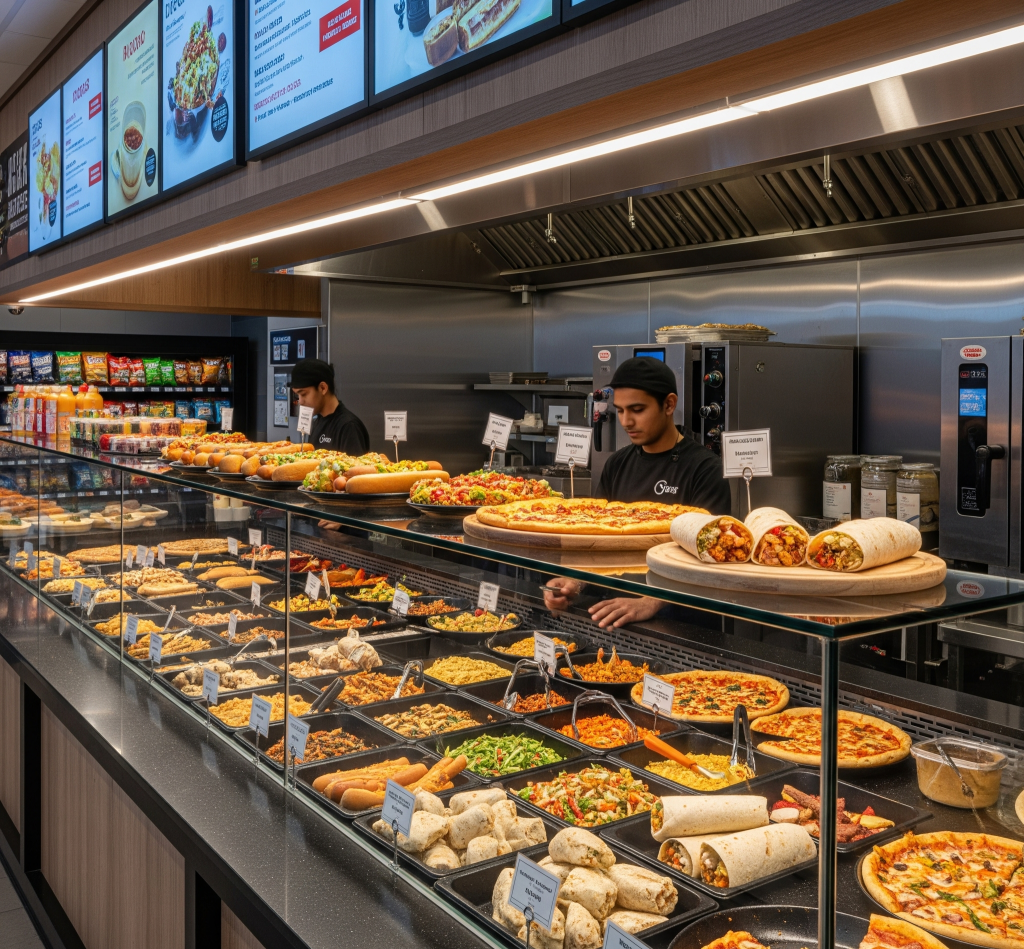
4. Becoming a Food Service Destination: Why Convenience Food Must Elevate
In our journey through EG America’s strategic insights, we’ve established that a strong culture drives execution, and constant adaptation is essential for survival in today’s dynamic market. Now, let’s tackle one of the most significant growth opportunities in convenience retail: transforming your food service from a basic offering into a legitimate destination that customers actively choose over other options.
Listen to the Future Of Convenience podcast here.
John Carey’s candid assessment of EG America’s own food service journey is both humbling and incredibly instructive. He admits that their food service is “not good enough today” and that they are only “50% along that journey” to where they want to be. If a 1,500-store operation with substantial resources acknowledges they are still striving for food service excellence, it highlights both the challenge and the immense opportunity that independent operators face in this critical area.
The stakes for food service transformation have never been higher. As traditional revenue streams like tobacco and fuel face long-term pressure, food represents one of the few categories with genuine growth potential. But here’s the crucial insight: succeeding in food service requires completely reframing how you think about competition. Your customers aren’t just comparing your hot dog to another convenience store’s hot dog. They are comparing your entire food offering to every other available option in their area. This perspective shift is fundamental. When someone decides to grab lunch, they are choosing between your store, nearby restaurants, quick-service chains, grocery deli counters, and increasingly, delivery options. Mr. Carey emphasizes that you must be “better than the other options that are available,” not just better than other convenience stores. This significantly raises the bar but also clarifies exactly what you are competing against.
The journey from being “the little shop at the back of a gas station” to a legitimate food destination requires strategic thinking across several areas:
- Quality: This means investing in better ingredients and preparation methods that customers can truly taste. It’s about ensuring consistency and freshness in every item.
- Variety: Understand your local market well enough to offer what people in your area genuinely want to eat. This might mean exploring different cuisines, healthier options, or catering to specific dietary needs within your community.
- Service: This encompasses speed, consistency, and a presentation that meets or exceeds customer expectations shaped by their experiences elsewhere. Improving the training of staff involved in food preparation and service is non-negotiable here.
- Building Trust and Relationships: Elevating your food service can build significant trust and a strong relationship with your consumers. When customers trust your food quality, they are more likely to explore other products, participate in loyalty programs, and recommend your store to others. Food can become a gateway to broader customer engagement.
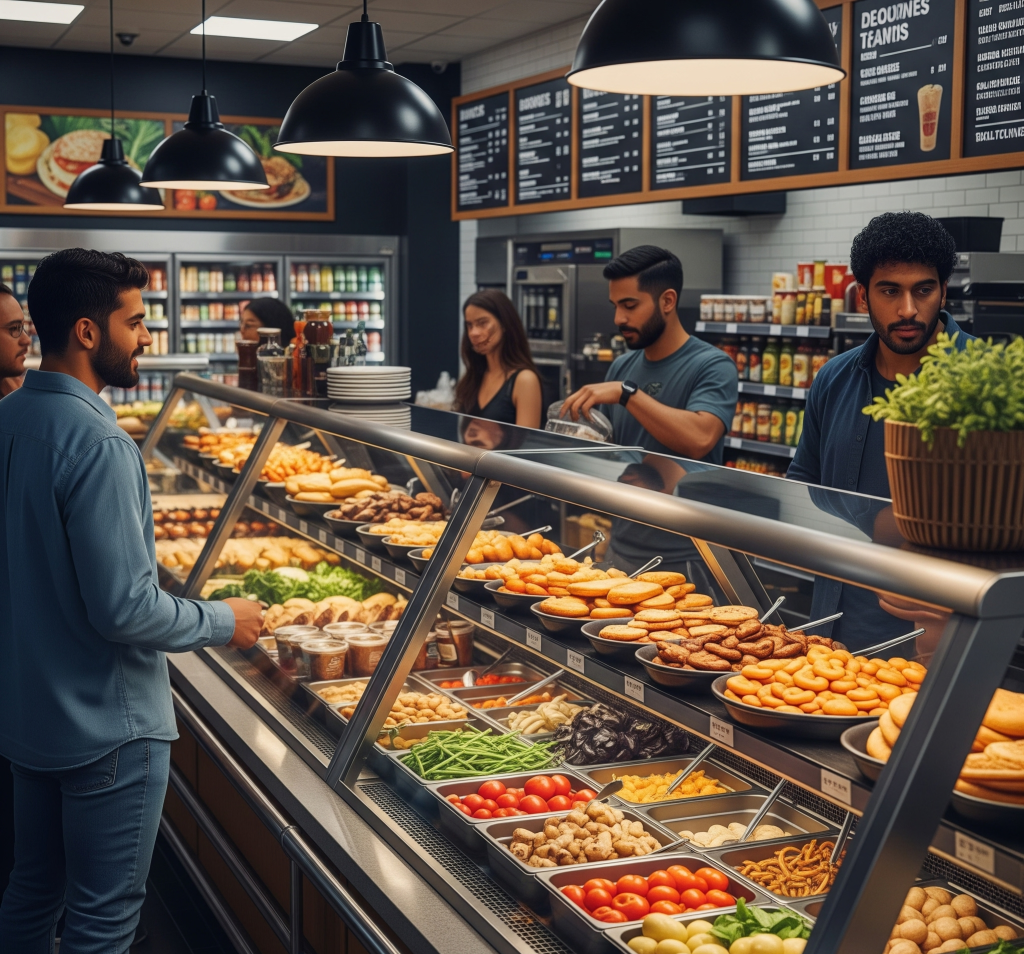
EG America’s partnership with Wonder for culinary expertise illustrates an important principle: you don’t have to figure this out alone. Independent operators can explore relationships with local suppliers, regional food service companies, or even successful local restaurants to improve quality or bring new concepts to their store. Recognizing that food service excellence often requires specialized knowledge outside your current expertise is key.
Understanding the diverse tastes and needs of your local customers is critical for food service success. Unlike national chains that must standardize across diverse markets, you have the incredible advantage of tailoring your food offering specifically to your community’s preferences, dietary needs, and cultural backgrounds. This localization advantage is something Mr. Carey specifically highlights as a “huge advantage” for convenience operators who use it strategically.
The concept of offering “food for later” also opens significant additional revenue opportunities. This could include grab-and-go meals for busy families, catering options for local businesses, or prepared meals that customers can heat at home. These extensions of your food service program can differentiate you from both traditional convenience competitors and restaurant alternatives.
The starting point for this transformation is an honest assessment of your current food service. Look at your offerings through your customers’ eyes, not just through the lens of “good for a convenience store.” Would you actively choose your food if you had multiple lunch options available? Would you recommend it to friends and family? This level of honesty is essential for planning meaningful improvements.
In our next post, we’ll explore how the overall environment of your store—from its exterior appearance to your safety protocols—either supports or undermines the elevated food service experience you’re working so hard to create.
What do you think? Leave a comment and let me know.


 The5For
Leave a comment