
6. The Future is Connected: Leveraging Technology for Customer Intimacy and Innovation
Building upon our established foundations of culture, adaptation, elevated food service, and environmental excellence, we now turn our attention to the technology strategies that can truly transform your customer relationships and unlock exciting new revenue streams. John Carey’s approach to technology at EG America offers a valuable roadmap for independent operators who want to leverage digital tools without losing the personal touch that makes local businesses so special.
Listen to the Future Of Convenience podcast here.
The key insight from Mr. Carey’s technology philosophy is that mobile and digital tools should primarily enhance “person-to-person engagement” and create “intimacy” with individual customers. This perspective reframes technology from being merely an operational efficiency tool to a powerful relationship-building platform—a crucial distinction for independent operators who thrive on personal service and strong community connections.
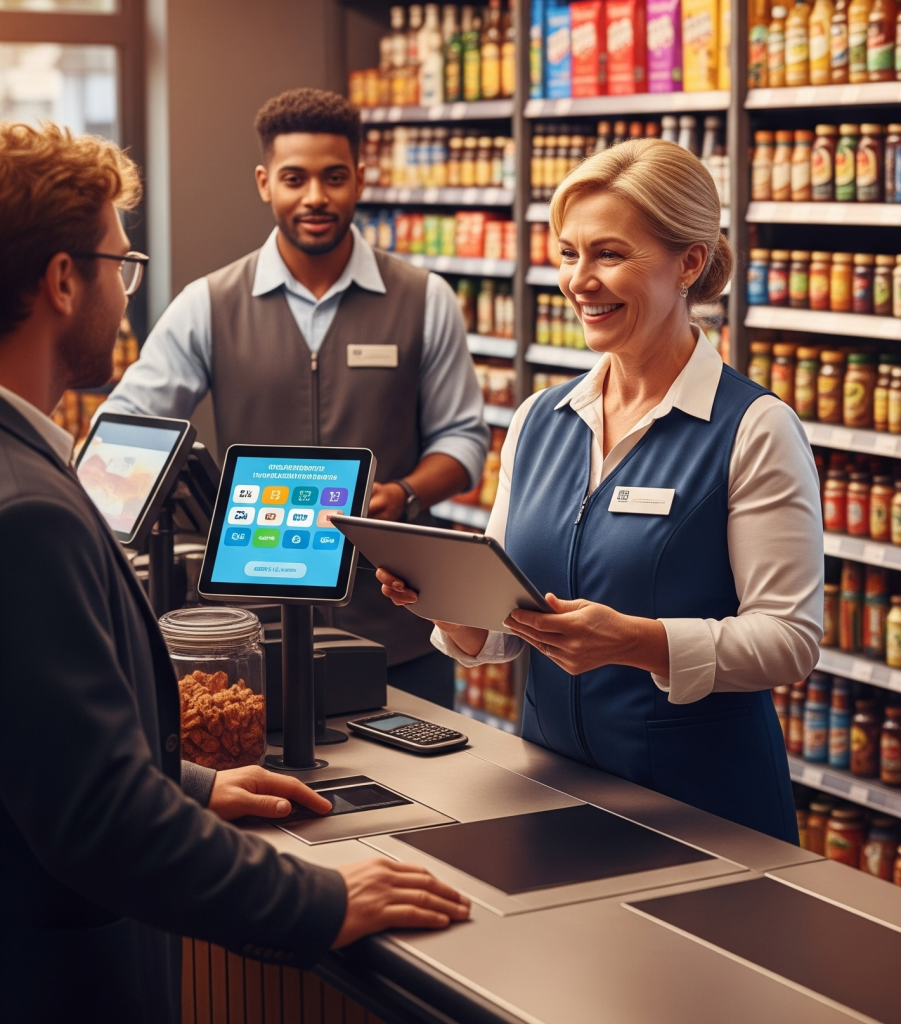
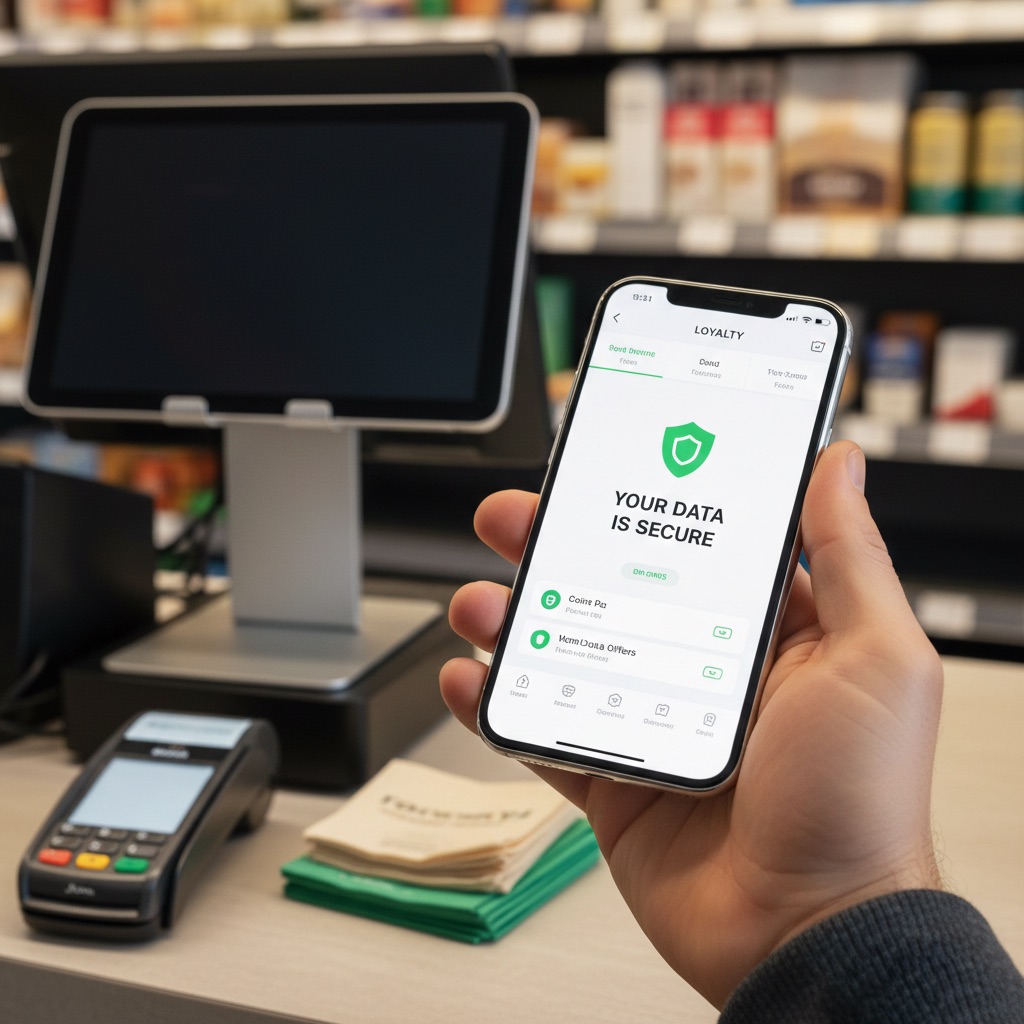
Loyalty platforms represent the most immediate and impactful opportunity for most independent operators. However, Mr. Carey’s vision extends far beyond traditional points-based programs. He emphasizes using technology to deeply understand customer behaviors, anticipate their needs, and personalize their experiences in ways that genuinely make their lives easier. For an independent operator, this could mean recognizing that your regular Tuesday morning customer always buys a certain coffee and breakfast sandwich, and having their order subtly prepared as they walk in. Technology can help you track and systematize these invaluable personal touches that larger chains often struggle to deliver. The beauty of EG America’s new loyalty platform approach is its focus on understanding individual customer patterns rather than treating all customers as a homogenous group. Independent operators can implement this thinking even with simpler systems. Basic point-of-sale data can reveal customer preferences, visit patterns, and seasonal variations that can inform everything from inventory decisions to staffing schedules.
Artificial intelligence (AI), which Mr. Carey describes as a “facilitator,” becomes particularly relevant when combined with your physical location advantages. While AI might sound like enterprise-level technology, it’s increasingly accessible through advanced point-of-sale systems, inventory management platforms, and customer engagement tools designed for smaller operations. The key is identifying specific problems that AI can help solve rather than implementing technology for its own sake. Consider how AI might assist with inventory optimization, predicting which products to stock based on weather patterns, local events, or historical sales data. Or how it could personalize promotional offers based on individual customer purchase history. These applications directly support your business goals while creating superior customer experiences.
Mr. Carey’s ambitious goal for EG America—to generate at least 20% of their gross profit in the next three years from “totally new products and services” not currently offered—illustrates the innovation mindset that technology can enable. For independent operators, this doesn’t necessarily mean developing entirely new product categories, but it might mean leveraging technology to offer services that weren’t previously feasible. Your physical location is a unique asset that technology can help you leverage more effectively. While online retailers and delivery services compete on convenience, you have something they don’t: a tangible, physical presence in your community. Technology can help you capitalize on this advantage through services like package pickup, mobile order fulfillment, or community event coordination. Explore emerging opportunities such as partnering with delivery platforms, offering click-and-collect services, or even providing a small co-working space for remote workers within your store. Your location advantage combined with technology platforms can create new revenue streams that leverage existing assets without requiring major capital investments.
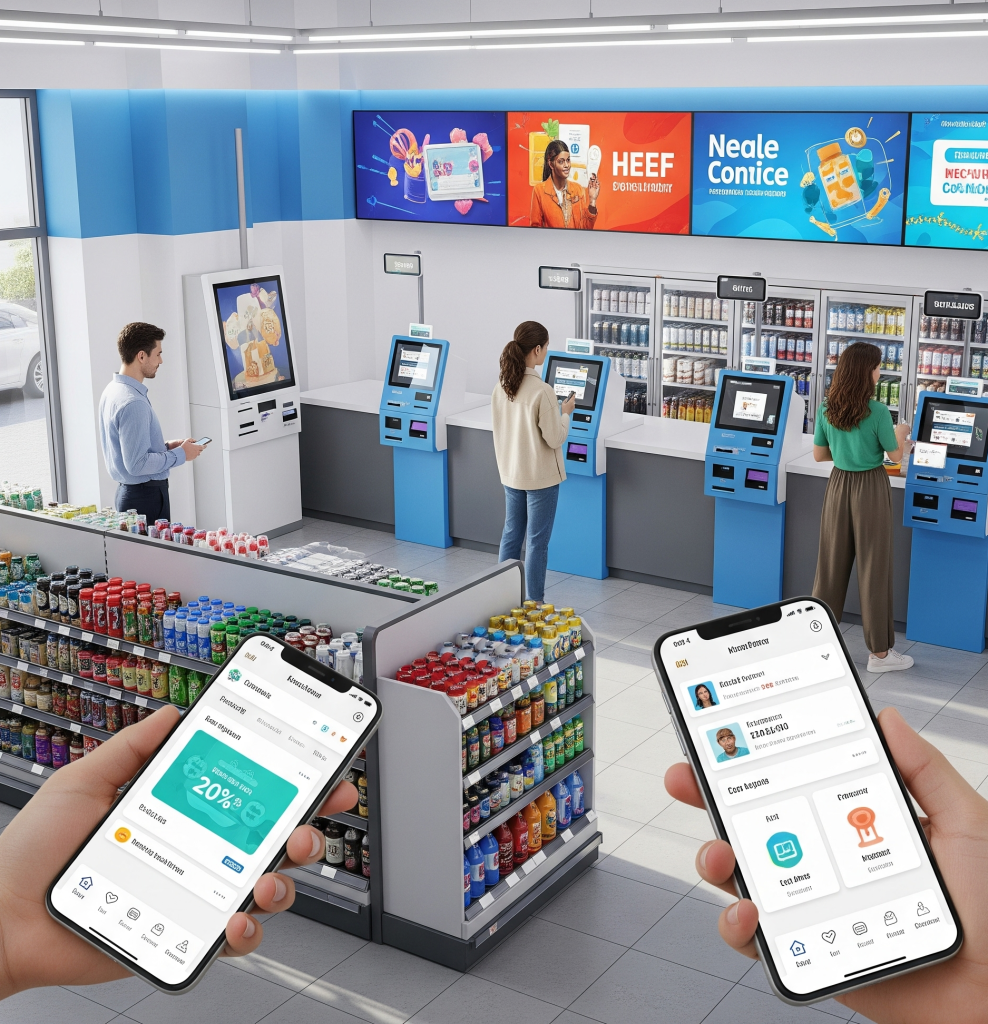
The widespread adoption of mobile technologies among consumers creates ample opportunities for deeper engagement throughout the customer journey. This could mean text message alerts about new products, mobile app exclusive promotions, or digital receipts that include personalized recommendations. The key is ensuring that every digital touchpoint reflects the same community-focused, customer-centric values that define your in-store experience.
Remember, data becomes truly valuable only when it informs actionable decisions. Start with basic analytics available through your current systems before investing in additional technology. What are your busiest hours? Which products have the highest profit margins? Which customers visit most frequently? Understanding these patterns helps you optimize operations and identify opportunities for personalized service. The goal isn’t to replace human interaction with technology, but to use technology to make human interactions more meaningful and effective. When you know a customer’s preferences before they ask, when you can suggest products they’ll actually want, or when you can solve problems before they become frustrations—that’s when technology truly serves your relationship-building goals.
Looking ahead, the convenience industry will increasingly reward operators who can seamlessly blend digital convenience with authentic personal service. Your advantage lies in your ability to implement technology that enhances, rather than replaces, the deep community connections that national chains often struggle to create.
In our final post, we will synthesize all these strategic elements into a comprehensive framework for building your future-ready convenience store, demonstrating how each component works together to create sustainable competitive advantages.
How are you implementing technology? How do you use data to improve the guest experience? Leave a comment below.


 The5For
Leave a comment