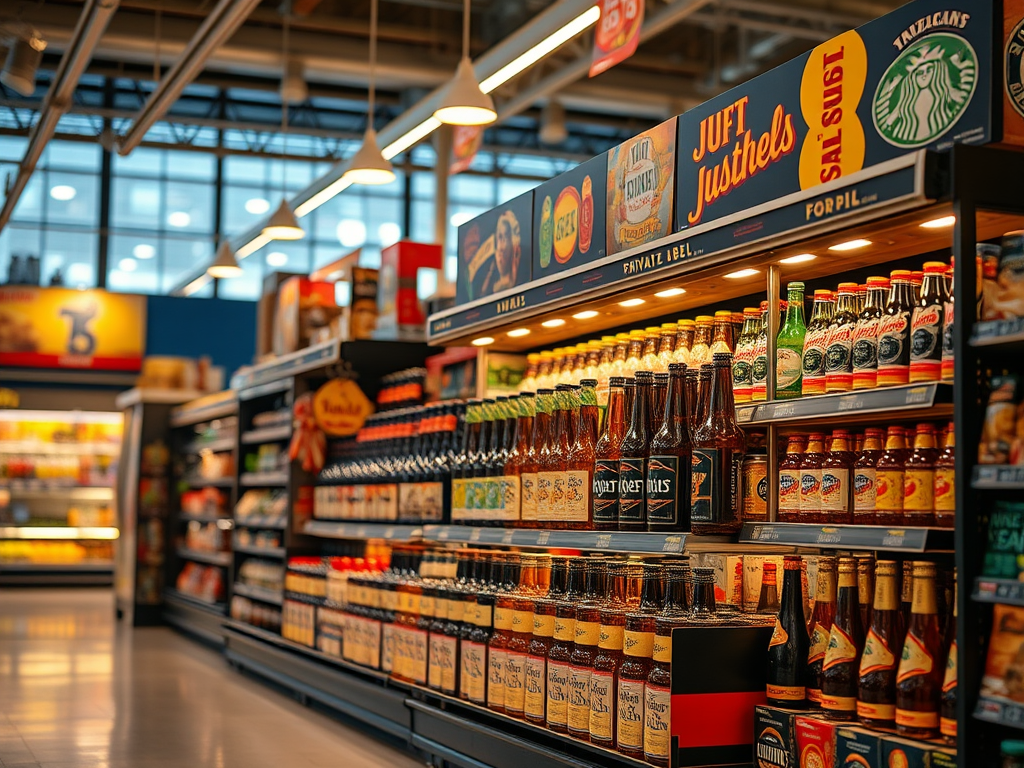
Hey there, convenience store owner/operators!
In the fast-paced world of convenience retail, staying ahead isn’t just an advantage—it’s a necessity. Every day brings new trends, challenges, and opportunities that can reshape your business. That’s why we’re here at The5For.com, to cut through the noise and deliver the most compelling insights directly to you.
This week, we’re diving into 5 key news items from Monday, June 9th, that caught our eye. These aren’t just headlines; they’re vital signs for the industry, offering clues on where to focus your energy, how to adapt, and what strategic moves to consider. Let’s break down what these developments mean for your convenience store and what actions you should be taking right now.
1. The Rise of Private Label Beer
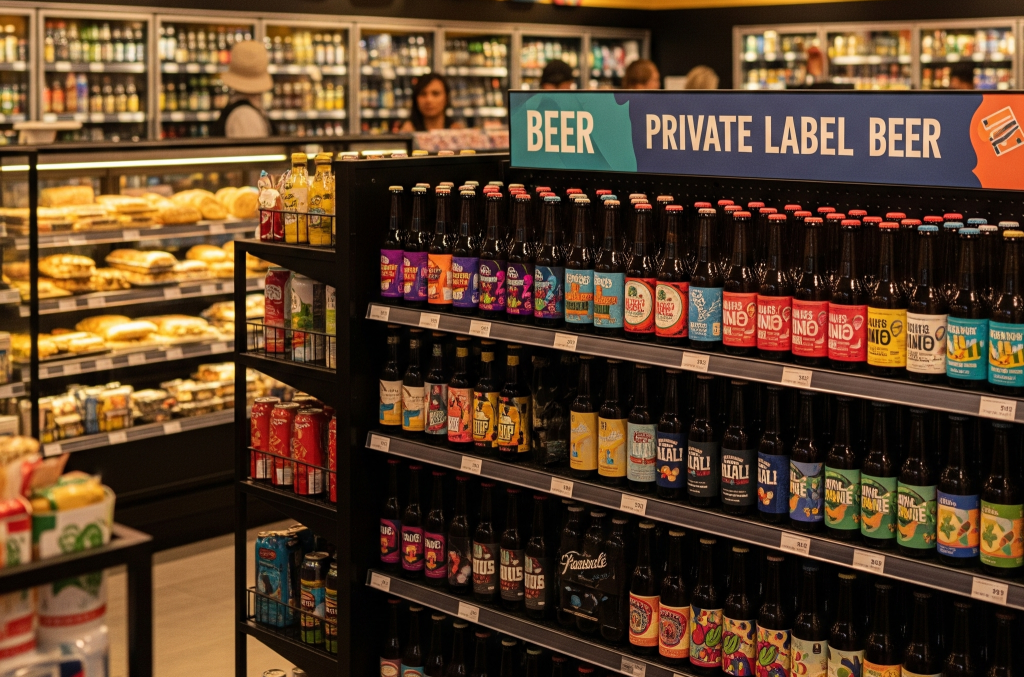
Private label beer is making significant inroads, with major retailers like Costco and Walmart investing in their own exclusive brands. This trend is driven by consumer demand for value and brewers having excess manufacturing capacity. Convenience stores are seeing success by offering unique, localized private label options.
Why it matters to you: In a competitive beverage market, private label beers offer a compelling way to differentiate your store, attract price-conscious consumers, and potentially boost your margins. As national brands face pressure, your own exclusive beer can build brand loyalty and create a unique selling proposition that larger chains can’t easily replicate. It allows you to tap into a growing segment of the market seeking quality at a more accessible price point.
What you should be doing:
- Explore Partnerships: Research local or regional breweries that might be interested in producing a private label beer for your store. Look for partners with quality products and the capacity to scale.
- Understand Your Customer: What kind of beer do your local customers prefer? A light lager, an IPA, or something seasonal? Tailor your private label offering to meet their specific tastes, just as Stewart’s Shops did successfully with their Mountain Brew.
- Marketing and Branding: Don’t just stock it; actively market your private label beer. Highlight its unique qualities, local connection (if applicable), and value proposition. Use in-store promotions, social media campaigns, and local events to build buzz.
Read the story here.
2. The C-Store Wars Intensify in Cincinnati
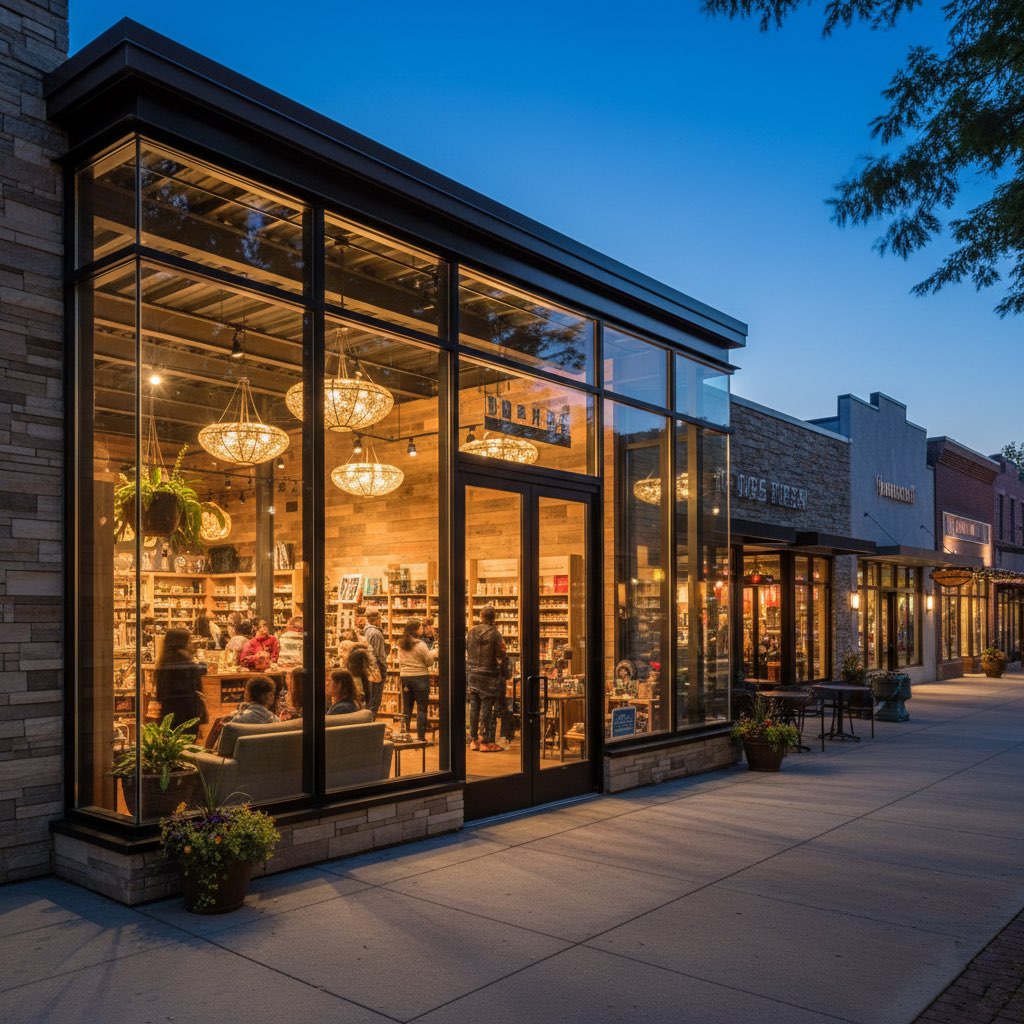
Major players like Wawa and Sheetz are aggressively expanding into new markets, including Cincinnati, challenging established local brands like UDF. This expansion isn’t just about gas; it’s about robust foodservice offerings, loyalty programs, and creating a destination experience.
Why it matters to you: This signals a heightened competitive landscape across the country, not just in Cincinnati. National and regional chains are investing heavily in differentiated experiences beyond fuel, focusing on made-to-order food, diverse product offerings, and enhanced customer engagement. This competition puts pressure on independent and smaller chains to innovate and strengthen their unique value propositions to retain and attract customers.
What you should be doing:
- Focus on Differentiation: What makes your store unique? Is it your local coffee, a specific foodservice offering, or exceptional customer service? Lean into these strengths. Develop your own signature items or services that create a loyal following.
- Enhance Foodservice: If you don’t already, consider expanding or improving your foodservice. Made-to-order options, fresh grab-and-go meals, and a strong coffee program are critical draws.
- Community Connection: Emphasize your local roots and community involvement. Large chains can’t replicate the authentic connection you have with your neighborhood. Engage with local events, sponsor teams, and highlight your role as a community hub. This builds goodwill and loyalty.
Read about it here.
3. Lipton Hard Iced Tea Enters the Fray
Lipton has launched a hard iced tea, aiming to appeal to both millennials and baby boomers with a social-forward marketing campaign. This move underscores the continued growth of the ready-to-drink (RTD) alcoholic beverage category, which includes hard seltzers and cocktails.
Why it matters to you: The RTD alcoholic beverage market is a dynamic space that continues to expand, offering significant growth opportunities. Products like hard iced tea appeal to a broad demographic, suggesting a diversified consumer base looking for convenient and flavorful alcoholic options beyond traditional beer. Stocking these trendy products can drive incremental sales and attract new customers who are exploring modern beverage alcohol choices.
What you should be doing:
- Diversify Your Alcohol Selection: Don’t just stick to the basics. Allocate shelf space to innovative RTD alcoholic beverages like hard iced teas, ready-to-drink cocktails, and craft seltzers.
- Monitor Trends: Stay updated on new product launches and consumer preferences in the alcohol category. Utilize data from your sales to identify what’s popular with your customers.
- Cross-Promote: Think about complementary products. How can you pair hard iced tea with snacks, meal deals, or even ice? Create appealing bundles to increase basket size.
See the article here.
4. The Growing Importance of Corporate Philanthropy
Companies like The Wills Group (Dash In), Rutter’s Children’s Charities, and Murphy USA are being recognized for their significant philanthropic contributions to their local communities. This highlights a growing trend of corporate social responsibility within the convenience store industry.
Why it matters to you: Beyond the obvious good, community involvement and philanthropy build goodwill, enhance your brand’s reputation, and foster customer loyalty. Consumers, especially younger generations, are increasingly choosing to support businesses that demonstrate a commitment to social causes and give back to their communities. It’s not just about transactions; it’s about connection and shared values.
What you should be doing:
- Identify Local Causes: Partner with local charities, schools, or community initiatives that resonate with your values and your customers. This could be anything from sponsoring a local youth sports team to organizing food drives.
- Communicate Your Efforts: Don’t be shy about your philanthropic activities! Use social media, in-store signage, and local press to share your stories of giving back. Show your customers that their patronage helps support important causes in their community.
- Engage Employees: Involve your team in philanthropic efforts. This not only increases the impact of your initiatives but also boosts employee morale and creates a positive work environment.
Check it out here.
5. Global Coffee Market: Demand, Prices, and Opportunities
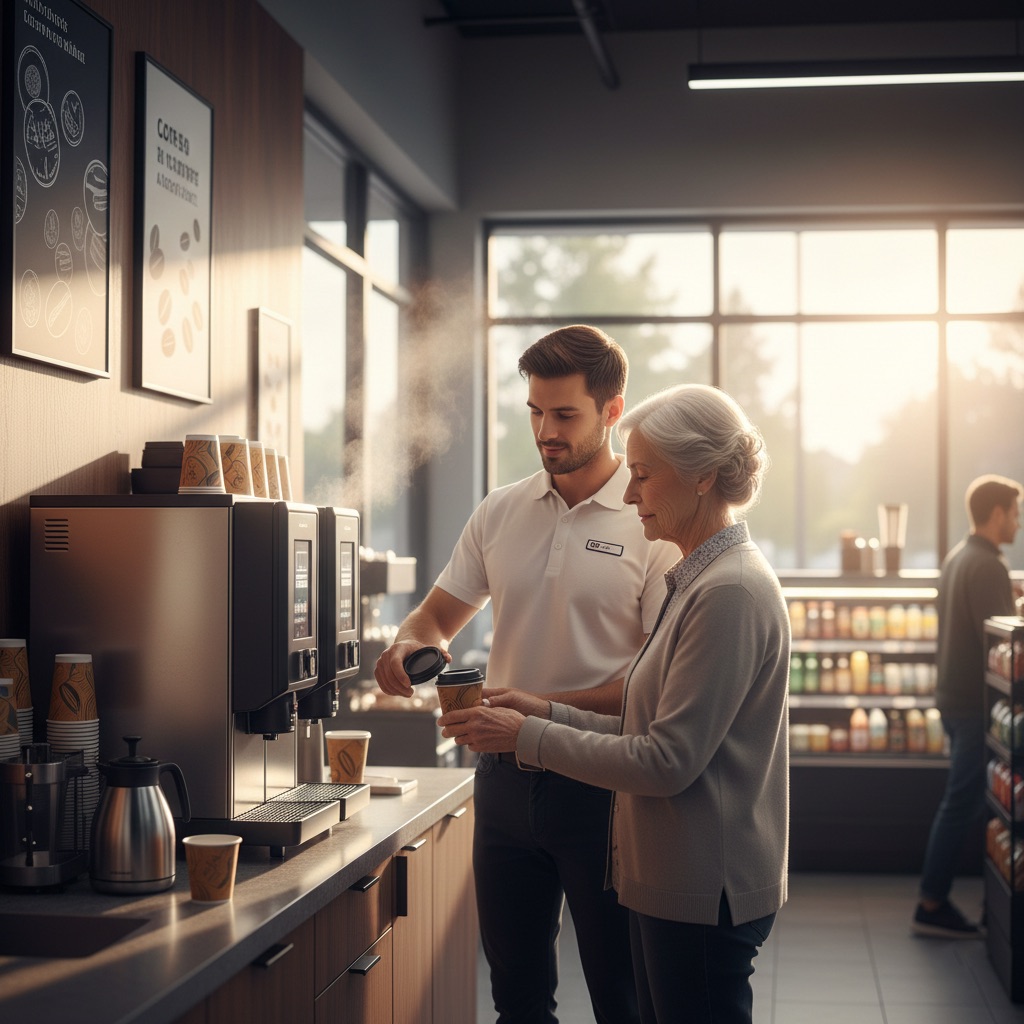
The global coffee market is experiencing strong consumer demand despite rising prices. The market is projected to grow significantly, driven by changing consumer preferences, convenience, and e-commerce. There’s also a rising interest in specialty coffee and sustainable sourcing, with “at-home” consumption via supermarkets and convenience stores playing a major role.
Why it matters to you: Coffee remains a powerhouse category for convenience stores, and its growth shows no signs of slowing down. While rising prices present a challenge, strong demand, coupled with evolving consumer tastes (e.g., desire for specialty and sustainable options), means significant opportunities for those who adapt. Your coffee program can be a major differentiator and a high-margin category.
What you should be doing:
- Optimize Your Coffee Program: Invest in high-quality beans, modern brewing equipment, and enticing flavors. Consider offering specialty options, such as single-origin coffees or seasonal blends, to cater to evolving tastes.
- Address Value and Convenience: Even with rising prices, highlight the value and convenience of your coffee offerings compared to pricier coffee shops. Consider loyalty programs or subscription models for your regular coffee customers.
- Embrace Sustainability: Consumers are increasingly valuing sustainable and ethically sourced products. If possible, highlight any sustainable practices or certifications related to your coffee sourcing.
- Leverage Technology: Explore app-powered ordering, delivery partnerships, or drive-thru options to make your coffee even more accessible and convenient for busy customers.
Read the full article here.
The Bottom Line
Staying informed and being proactive are the hallmarks of a successful convenience store owner/operator. The news from June 9th paints a clear picture: the industry is evolving rapidly, demanding agility, innovation, and a keen understanding of consumer behavior.
By embracing private label opportunities, sharpening your competitive edge, diversifying your product offerings, giving back to your community, and optimizing your coffee program, you’re not just reacting to trends—you’re shaping your future. Keep an eye on your local market, listen to your customers, and never stop innovating. Your convenience store isn’t just a place to grab a quick item; it’s a vital part of the community, and with these insights, you’re well-equipped to make it thrive.
Stay tuned for more insights from The5For.com!


 The5For
Leave a comment