Welcome back to The 5 For! As a convenience store owner or operator, you know that staying ahead of the curve isn’t just a good idea—it’s essential for survival and growth. The retail landscape is constantly shifting, and understanding these shifts can be the difference between thriving and just getting by. Yesterday, the convenience store industry was buzzing with new developments that demand your attention. Today, we’re diving into 5 fascinating news items from Wednesday, June 11th, that offer critical insights into consumer behavior, market dynamics, and competitive pressures, helping you unpack what these developments mean for your business and, more importantly, what actions you can take to leverage them to your advantage.
Let’s dive in!
Here are the 5 Key Insights (and a bonus) for Convenience Store Owners & Operators.
1. The Healthy Sip: Consumers Crave Functional Coffee & Tea
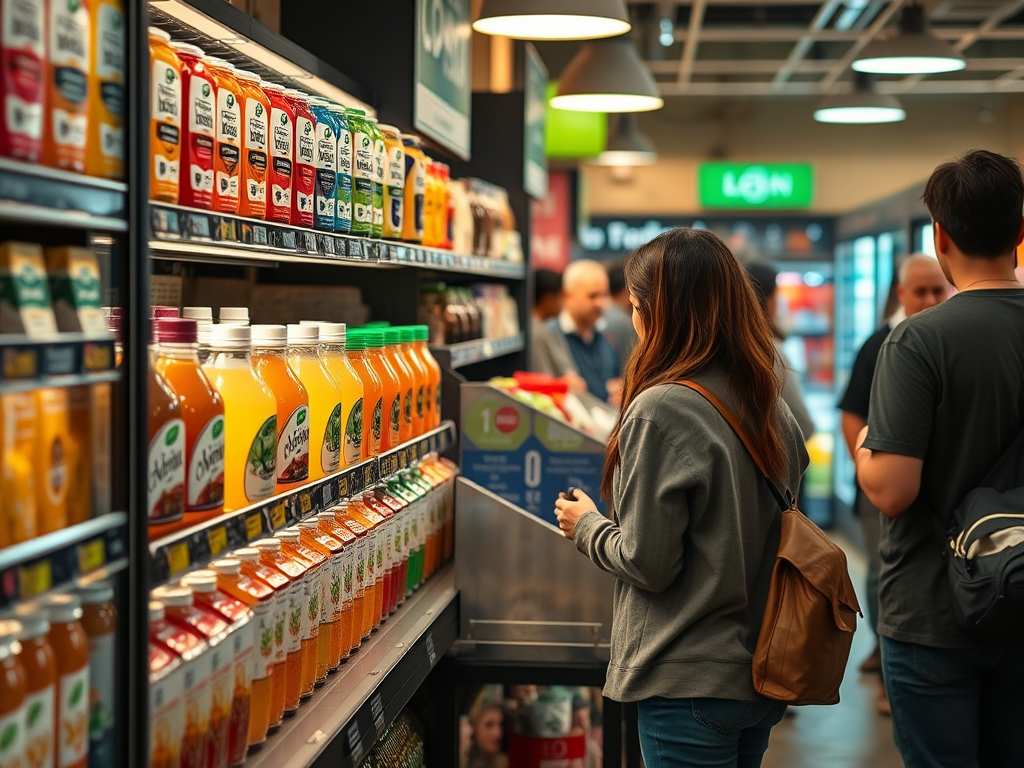
A recent report from Westrock Coffee Co. highlights a growing trend: nearly one-third of U.S. coffee drinkers are actively seeking coffee and tea beverages with functional ingredients that offer health and wellness benefits. Think adaptogens for mental clarity or probiotics for gut health. This demand is particularly strong among Gen Z, with a significant portion prioritizing cognitive enhancement in their beverage choices. Ready-to-drink (RTD) and single-serve formats are also key drivers for convenience.
Why It Matters to You: This isn’t just a niche trend; it’s a mainstream shift in consumer preferences. Your customers are increasingly health-conscious and looking for more from their daily brew than just a caffeine kick. Ignoring this demand means leaving money on the table and potentially losing customers to competitors who are quicker to adapt. The convenience format is perfectly positioned to capture this market due to its grab-and-go nature. Beverages are a cornerstone of c-store sales, and consumer preferences are constantly evolving.
What You Should Be Doing:
- Expand Your “Better-for-You” Beverage Section: Dedicate prime cold vault space to functional coffees, teas, and refreshers. Look for products with added vitamins, antioxidants, probiotics, or adaptogens.
- Innovate Your Dispensed Program: Explore options for adding functional syrups or ingredients to your dispensed coffee and tea offerings. Could you offer a “boost” option for mental focus or gut health?
- Educate Your Staff: Ensure your team understands the benefits of these products so they can confidently answer customer questions and make recommendations.
- Highlight the Benefits: Use clear signage to communicate the health advantages of your new offerings.
2. RTD Tea is Steaming Hot with Younger Consumers
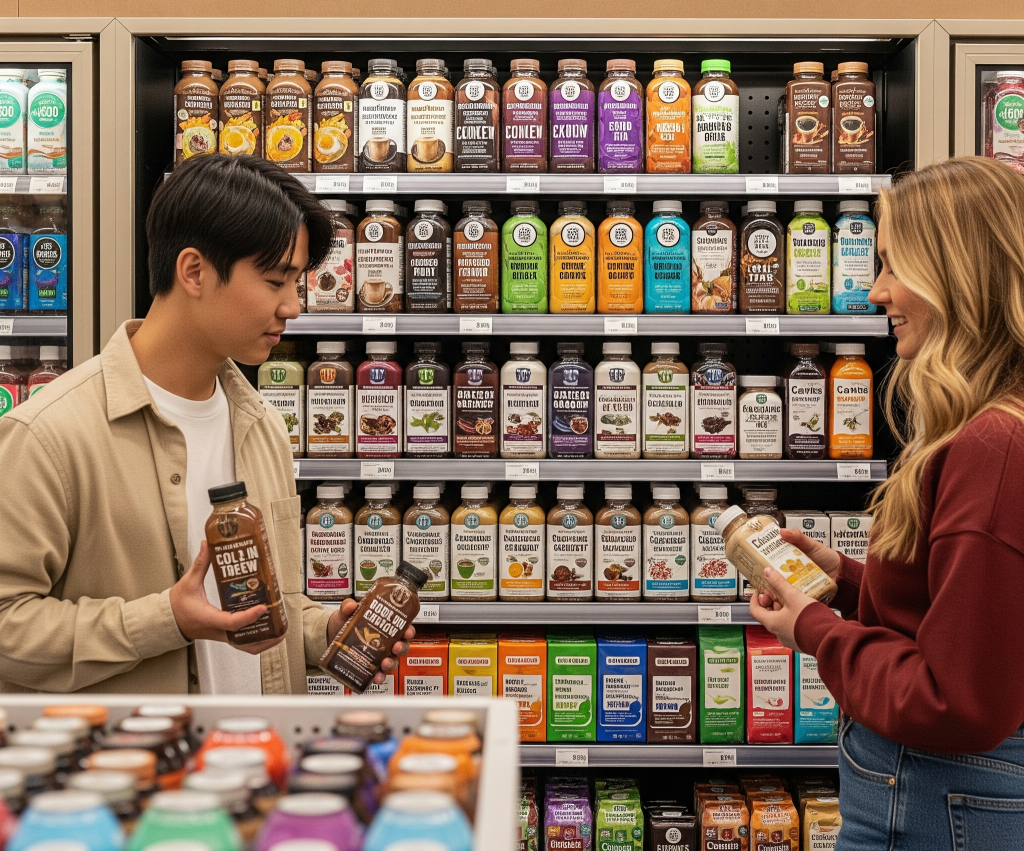
Ready-to-drink (RTD) teas are experiencing significant growth, largely fueled by younger consumers who are flocking to better-for-you beverages. Brands are innovating by infusing RTD teas with caffeine and other functional ingredients, blurring the lines between traditional tea and other beverage categories by adding juice, carbonation, and unique flavor combinations. FoodBusinessNews.net highlighted the rising popularity of RTD teas, especially among younger consumers who are actively seeking “better-for-you” and functional beverage options. These aren’t your grandma’s iced teas; they’re innovative blends incorporating adaptogens, nootropics, and probiotics, capitalizing on tea’s inherent health halo.
Why It Matters to You: This trend directly complements the previous point. RTD tea is a powerhouse in the functional beverage space, and its appeal to younger demographics makes it a crucial category for future-proofing your store. These consumers are seeking convenience coupled with perceived health benefits, and RTD teas deliver on both fronts. By offering a diverse and innovative RTD tea selection, you can attract a valuable and growing customer segment. Younger demographics are your future customers, and their desire for healthy, functional, and interesting drink options is a significant trend you cannot ignore. If your RTD tea selection is stagnant, you’re missing out on a growing, profitable category.
What You Should Be Doing:
- Diversify Your RTD Tea Offerings: Go beyond traditional iced teas. Stock up on RTD teas that feature functional ingredients, unique flavor profiles (e.g., fruit infusions, sparkling teas), and different levels of caffeine. Evaluate your current RTD tea offerings to ensure you’re stocking the latest functional teas, innovative flavors, and brands that appeal to a health-conscious, younger demographic.
- Showcase New Products: Use eye-catching displays and promotions to draw attention to innovative RTD tea brands and flavors. Consider sampling events to introduce customers to new options.
- Highlight Health Benefits: Use signage and merchandising to emphasize the functional benefits (e.g., “energy-boosting,” “gut health,” “focus”) of your RTD teas.
- Target Young Consumers: Utilize social media to highlight your RTD tea selection, especially on platforms popular with Gen Z. Engage with local influencers who align with health and wellness trends. Showcase new and exciting RTD tea arrivals on your social channels, using appealing visuals and language that resonates with health-aware consumers, and run polls asking which functional benefits your customers are looking for.
3. Casey’s Continues Its March: Expansion Signals Opportunity (and Competition)
Casey’s General Stores plans a significant expansion, aiming to open 80 new convenience stores in fiscal year 2026. This growth will come from a mix of new construction and strategic acquisitions, with a substantial investment of approximately $600 million in property and equipment. This move puts Casey’s on track to meet its goal of 500 new locations by the end of FY2026. C-Store Dive reported on Casey’s ambitious plan, noting that this aggressive growth from a major player sends a clear message about the escalating competition.
Why It Matters to You: Casey’s aggressive expansion isn’t just big news for them; it’s a clear signal of the confidence major players have in the convenience store sector. Their strategy of both new builds and acquisitions means that opportunities might arise for smaller, independent operators looking to sell, but it also signals increased competition in some markets. Their substantial investment underscores the importance of fresh, modern facilities and strategic market positioning. Increased market saturation from large chains like Casey’s means more competition for your existing customer base, especially if their new locations are near your stores. This necessitates a sharpened focus on what makes your store unique and valuable to your community.
What You Should Be Doing:
- Assess Your Market: Understand if Casey’s (or other large chains) is expanding into or near your operating area. Analyze their strengths and weaknesses compared to your own.
- Invest in Your Store: If you’re looking to compete, a well-maintained, modern, and efficient store is crucial. Consider updates to your foodservice area, technology, and overall customer experience. Review your current product mix, pricing, and services, and consider what makes your customers choose you over a larger chain.
- Identify Your Niche: If you’re an independent operator, double down on what makes you unique. Is it a hyper-local product offering, exceptional customer service, a specific community focus, or unique foodservice?
- Stay Informed on M&A: Keep an eye on industry merger and acquisition trends. This could signal opportunities for growth or strategic exits.
- Enhance Customer Experience: Personalize interactions, ensure your store is always clean and well-stocked, and create a welcoming atmosphere. Loyal customers are your best defense against new competitors.
4. The Uncommitted Customer: Winning Loyalty in a Fickle Market
A report by Upside reveals a stark reality: most brick-and-mortar retail revenue (a whopping 79%) comes from “uncommitted customers“. These are consumers who prioritize their own needs and shop across various locations and formats, showing little brand loyalty. The report found that 60% of new customers never return after their first month. The good news? Their behavior is influenceable. Even just one additional visit per month from these customers can significantly boost revenue. This is especially true given that two-thirds of consumers decide where to shop or dine less than two hours before they go.
Why It Matters to You: This is a wake-up call for every C-store operator. The era of automatic, unwavering customer loyalty is largely behind us. Your success increasingly depends on your ability to attract and influence these uncommitted shoppers. You can’t rely on habit; you must actively engage and provide value. The immediacy of their decision-making process means that your marketing and in-store experience need to be highly relevant and timely. There’s huge upside here: earning just one more visit per month from an uncommitted customer could significantly boost your revenue.
What You Should Be Doing:
- Embrace Hyper-Personalization: Use data (from loyalty programs, if you have them) to understand individual customer preferences. Offer personalized promotions and recommendations.
- Optimize Your Digital Presence: Ensure your store information (hours, location, current deals) is easily accessible and accurate on Google Maps, social media, and local directories. Many decisions are made on mobile while on the go.
- Implement Targeted Promotions: Think about time-sensitive offers that appeal to spur-of-the-moment decisions, like “Happy Hour” deals on specific beverages or quick meal solutions during lunch rushes. Leverage technology to send timely, relevant offers to recent visitors to encourage a quick return.
- Focus on the “Why Now?”: Why should an uncommitted customer choose your store right now? Highlight unique daily specials, speed of service, or exclusive products that create an immediate draw.
- Focus on First Impressions: Make every new customer’s first experience exceptional. A clean store, friendly staff, and easy navigation are crucial.
- Optimize for Speed and Convenience: With uncommitted customers making last-minute decisions, ensure your checkout process is fast, your store is easy to navigate, and your essential products are readily available.
5. Walmart Wants Your Foodservice Dollars: The Giant Enters the Kitchen
Walmart is aggressively expanding its foodservice presence, adding hot bars, grab-and-go options, and in-store restaurants. They’re promoting meal solutions—from hot foods to heat-and-eat options and ready-to-bake pizzas—on their app and website. This move is strategic, leveraging their pricing power and convenience to capture a larger share of consumers’ meal spending, especially as economic uncertainty pushes shoppers towards discounters. Grocery Dive reported that Walmart is aiming to compete directly with restaurants for consumers’ meal dollars, offering a wide array of fresh and prepared foods, including international hot food options.
Why It Matters to You: Walmart’s deep dive into foodservice isn’t just a threat to traditional grocery stores; it’s a direct challenge to convenience stores that rely heavily on prepared food sales. Foodservice is a major growth area for many convenience stores, but Walmart’s aggressive move escalates the competition. They are leveraging their massive scale and existing customer traffic to become a one-stop shop for meals. They have immense buying power and reach, posing a direct threat to your prepared food sales. This intensifies the competition for your foodservice dollars and means you can’t afford to be complacent with your current offerings.
What You Should Be Doing:
- Elevate Your Foodservice Game: This is non-negotiable. Focus on quality, freshness, and variety. Instead of trying to out-Walmart Walmart, focus on what you can do better. Can you offer higher quality, more unique, or hyper-local foodservice items? Think signature sandwiches, freshly baked goods, or regional specialties.
- Speed and Convenience are King: C-stores have an inherent advantage here. Can you make your grab-and-go options even faster and more seamless? Explore mobile ordering or self-checkout for food items.
- Focus on Customer Experience: While Walmart can offer low prices, you can offer a more personal, localized, and engaging experience. Cleanliness, friendly staff, and a welcoming atmosphere become even more critical. Differentiate through personalized service and a community-focused atmosphere. Train your staff to engage with customers about your foodservice offerings, creating a more appealing experience than a typical big-box store.
- Analyze Your Strengths: What food items do your customers consistently come to you for? Double down on those strengths and ensure they are consistently excellent.
- Curate Your Menu: Don’t just offer everything. Identify your top-performing foodservice items and innovate within those categories. Test new Limited Time Offers (LTOs) and ensure they are profitable and travel well.
Bonus: Maximizing Your LTO Strategy
A CStoreDecisions.com article reminded us of six effective ways to leverage Limited Time Offers (LTOs) for foodservice success: testing, using existing ingredients, ensuring profitability, innovating popular items, ensuring portability, and engaging with consumers/employees for ideas.
Why it Matters for C-Store Operators: LTOs are powerful tools to drive traffic and excitement around your foodservice. They can encourage trial of new items and create a sense of urgency.
What You Should Be Doing: Regularly review your LTO strategy using these principles. Don’t just launch an LTO for the sake of it; ensure it’s well-researched, leverages your current stock, is profitable, and focuses on items your customers already love. Remember, an LTO should be a win for both you and your customer.
The Bottom Line
The convenience store industry is dynamic, constantly presenting new challenges and exciting opportunities. What strikes me about this yesterday’s news is the overarching theme of adaptability. From the evolving tastes of health-conscious consumers and the competitive strategies of retail giants like Casey’s and Walmart, to the fundamental shift in customer loyalty, every piece of news from June 11th underscores the same critical message: adaptability and strategic innovation are paramount. The key isn’t to be everything to everyone, but to be exceptional at what you choose to do.
By understanding these trends, investing in the right areas (like functional beverages and elevated foodservice), and actively engaging your uncommitted customers, you’re not just reacting to the market, you’re shaping your future. Focus on creating a strong, reliable team, offering products that genuinely meet evolving customer demands, and carving out your unique value proposition. Keep learning, keep innovating, and keep serving your communities with the convenience and quality they deserve. The future of convenience retail belongs to those who are agile, insightful, and always ready to evolve.


 The5For
Leave a comment