
The Shifting Landscape: Why Fresh, Healthy, and Value are Your New North Star
The convenience store industry stands at a pivotal crossroads, undergoing a rapid transformation that demands a redefinition of its very purpose. No longer is a convenience store merely a quick stop for fuel and a basic grab-and-go item. In 2025, consumers are actively seeking establishments that function as true “food destinations,” fundamentally altering the competitive landscape. This evolution signifies a broader understanding of convenience itself. It extends beyond mere speed or proximity; it now encompasses a seamless, hassle-free experience that aligns with a consumer’s evolving lifestyle priorities, including a heightened focus on health, wellness, and sustainability. For convenience store operators, this means the traditional definition of convenience, centered on a swift transaction, is now amplified by new expectations for quality, an elevated experience, and a commitment to shared values. Success in this dynamic environment hinges on embracing this expanded view of what it means to be truly convenient.
The Rising Tide of Health & Wellness
A significant driver behind this industry shift is the undeniable surge in consumer demand for healthier choices. A forthcoming NACS consumer survey indicates that a substantial 55% of Americans feel they should be eating a healthier diet, highlighting a pervasive mindset among shoppers. This sentiment is not merely theoretical; it translates into purchasing behavior, with reports showing that 75% of shoppers are now gravitating towards healthier selections. Over the past seven years, interest in nutritious grab-and-go options has steadily climbed from 59% to 66%. This trend has been particularly amplified in the post-pandemic era, as consumers prioritize immunity, fitness, and balanced lifestyles, leading to a pronounced demand for “better-for-you” options across all retail channels.
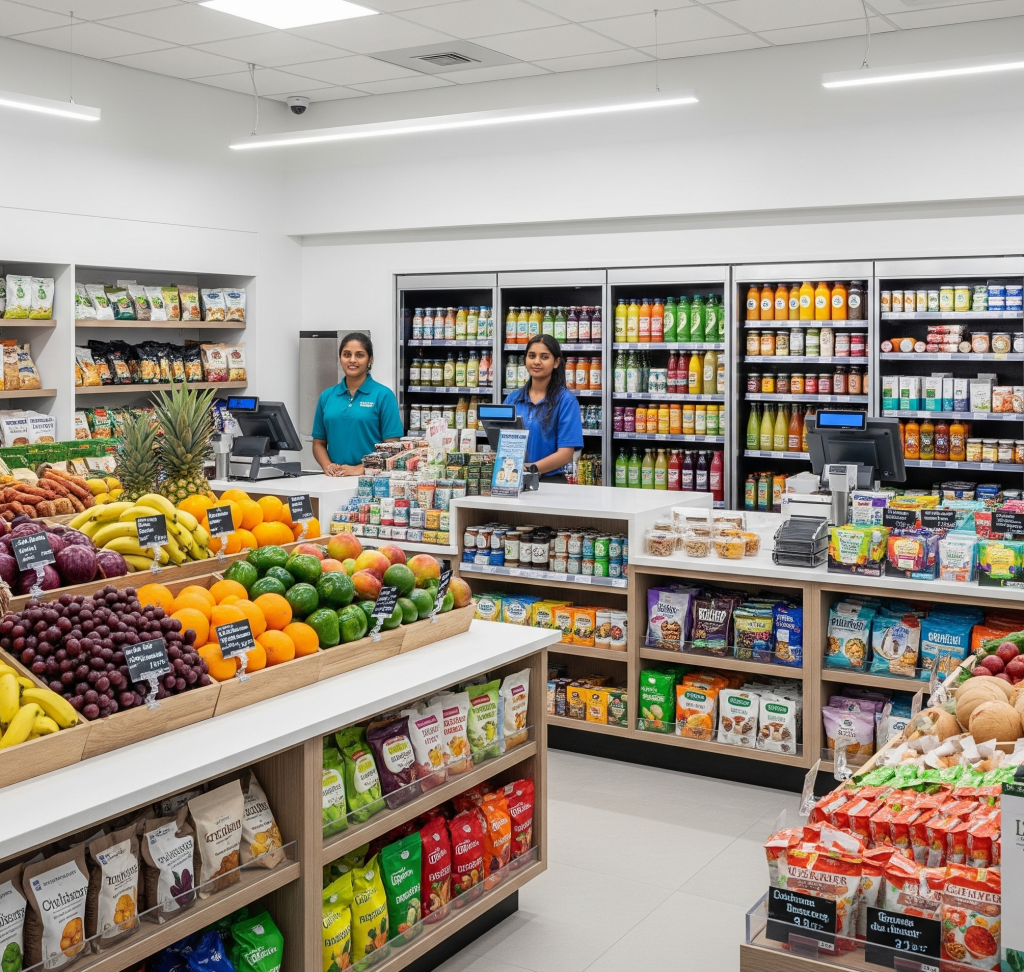
When examining what “healthy” truly means to today’s consumer, it becomes clear that the term is far from arbitrary; it is increasingly linked to specific functional benefits. While “healthy” can mean different things to different individuals, the emphasis on high-protein snack options is particularly strong. This focus extends to beverages, where consumers are looking for more than just hydration. They seek functional drinks infused with protein, vitamins, and electrolytes, viewing them as active contributors to their overall well-being. This signals that convenience stores should move beyond generic “healthy” labels. Instead, they should strategically highlight specific functional attributes, such as “high protein,” “vitamin-fortified,” or “clean ingredients,” to effectively resonate with health-conscious consumers.
Complementing the demand for functional benefits is the growing imperative for “clean label” products. Consumers are increasingly demanding transparency and recognizable ingredients in their food choices. A notable 40% of consumers prioritize fresh produce, and a significant 33% actively seek food free from artificial ingredients. This movement is driven by a fundamental desire for trust through transparency. The “clean label” trend, which emphasizes natural ingredients, simplicity, and minimal processing, reflects a consumer base that values knowing what is—and, crucially, what is not—in their food.
Major food companies like Campbell Soup and Panera Bread have already committed to removing artificial ingredients from their products, setting a precedent. For convenience stores, this means prioritizing the sourcing and marketing of products with clear, simple ingredient lists, highlighting natural and minimally processed attributes to build consumer confidence and foster lasting loyalty. This commitment to transparency also extends to any in-store food preparation.
The Redefined Value Equation
In an economic climate where inflation persists and consumers remain budget-conscious, the concept of “value” has taken on a broader meaning. It is no longer solely about securing the lowest price. Instead, consumers now evaluate value as a multifaceted equation that combines quality, convenience, and the overall experience. There is a clear willingness among shoppers to pay a premium for products that align with their personal values, such as organic or sustainably sourced goods.
This evolving perception of value creates what can be described as an “affordable luxury” sweet spot. While consumers continue to seek cost-effective options, there is also a notable spike in searches for “unique dining experiences”. This indicates a bifurcation in consumer spending: they desire value but also crave small indulgences or experiences that feel worth the investment. For instance, the coffee market demonstrates this by positioning “premium coffee” as an “affordable luxury,” with brands educating consumers on factors like “terroir” to justify higher prices. This suggests that convenience stores can implement tiered pricing strategies and offer premium options, justifying higher price points through superior quality, unique experiences, or ethical sourcing, rather than engaging solely in price wars. This approach allows for healthier margins on select items.
Furthermore, consumer spending patterns reveal a trend towards more intentional purchases and the pursuit of “small indulgences.” Shoppers are not necessarily “down-trading” to cheaper alternatives but are choosing to spend “more intentionally” and “treating themselves a little bit more, but less often”. This manifests in a preference for “small, affordable indulgences in place of a meal”. This represents a clear opportunity for convenience stores to capitalize on the “treat yourself” mentality. Consumers are actively optimizing their satisfaction per dollar spent, seeking out items that offer a high perceived value for a relatively modest splurge. By curating a selection of high-quality, unique, or indulgent items, convenience stores can position themselves as accessible sources for these treats or as a superior alternative to a full, more expensive meal out.
Your Call to Action
Meeting the evolving consumer demand for fresh, healthy, and value-driven options requires more than simply adding new products to shelves; it necessitates a fundamental rethinking of the convenience store business model. This strategic shift, however, presents a significant opportunity for substantial growth and increased profitability within the industry.
The table below summarizes these critical shifts, providing a concise overview for operators to consider:
| Demand Area | Consumer Sentiment/Statistic | Implication for C-Stores |
| Healthier Eating | 55% feel they should eat healthier, 75% lean towards healthier selections | Expand healthier/functional options |
| Value-Driven Choices | Searches for “value meal” up 117% 16, 67% unwilling to pay premium for sustainability unless value/convenience/quality delivered | Redefine value beyond price |
| Convenience | Consumers demand “fast, seamless, and hassle-free experiences” | Focus on seamless experience |
| Transparency | 40% prioritize fresh produce, 33% seek food without artificial ingredients | Emphasize clean labels/sourcing |
Now that the foundational understanding of why consumers are shifting has been established, the next step is to explore how convenience stores can create a foodservice program that truly caters to these new demands, making each store a must-visit destination for fresh, craveable options.




 The5For
Leave a comment