Building on the understanding of evolving consumer demands for fresh, healthy, and value-driven options, the spotlight now turns to the heart of the convenience store transformation: foodservice. This category is no longer a mere add-on; it has emerged as a “major growth opportunity” and a “critical differentiator” for convenience stores, reshaping their role in the retail landscape. The U.S. convenience store foodservice market is projected to reach an impressive $72.5 billion in 2025, underscoring the immense potential within this segment.
The Imperative of Quality and Innovation
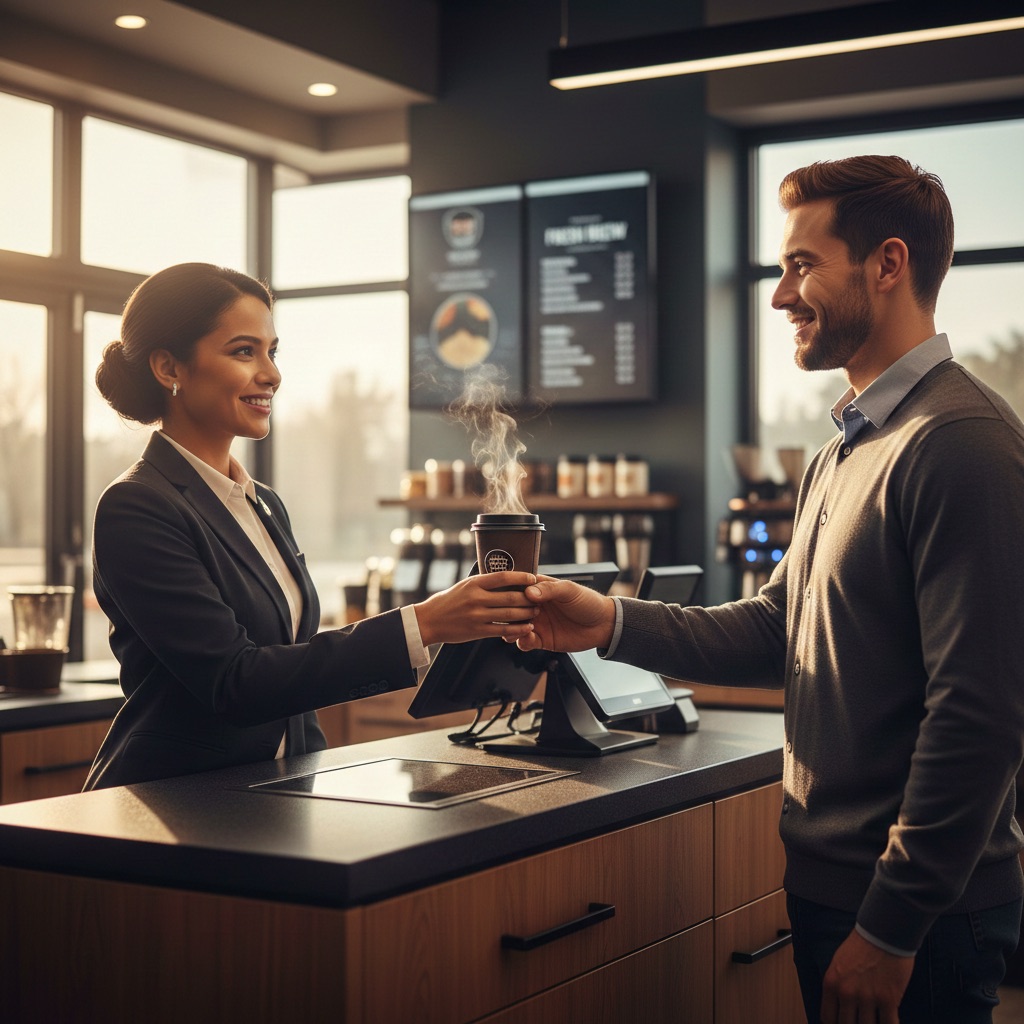
Convenience stores are increasingly finding themselves in direct competition with Quick Service Restaurants (QSRs), as consumers seek quick, quality meal options that rival traditional fast-food establishments. This competitive environment necessitates a significant shift from offering mere pre-packaged hotbox items to providing fresh, healthy, and made-to-order options. This strategic pivot not only meets consumer expectations but also unlocks higher profit margins for operators.
This fundamental change points towards the emergence of the “grocerant” model as the future for convenience retail. Stores are increasingly adopting strategies from QSRs, blurring the lines between traditional retail and fresh meal service, effectively becoming hybrid food service providers. For convenience store operators, this means adopting a “restaurateur” mindset. The focus must be on elevating food quality, ensuring consistency in preparation, and developing menus with the same strategic thought typically applied in QSRs, moving beyond the conventional retail approach to food.
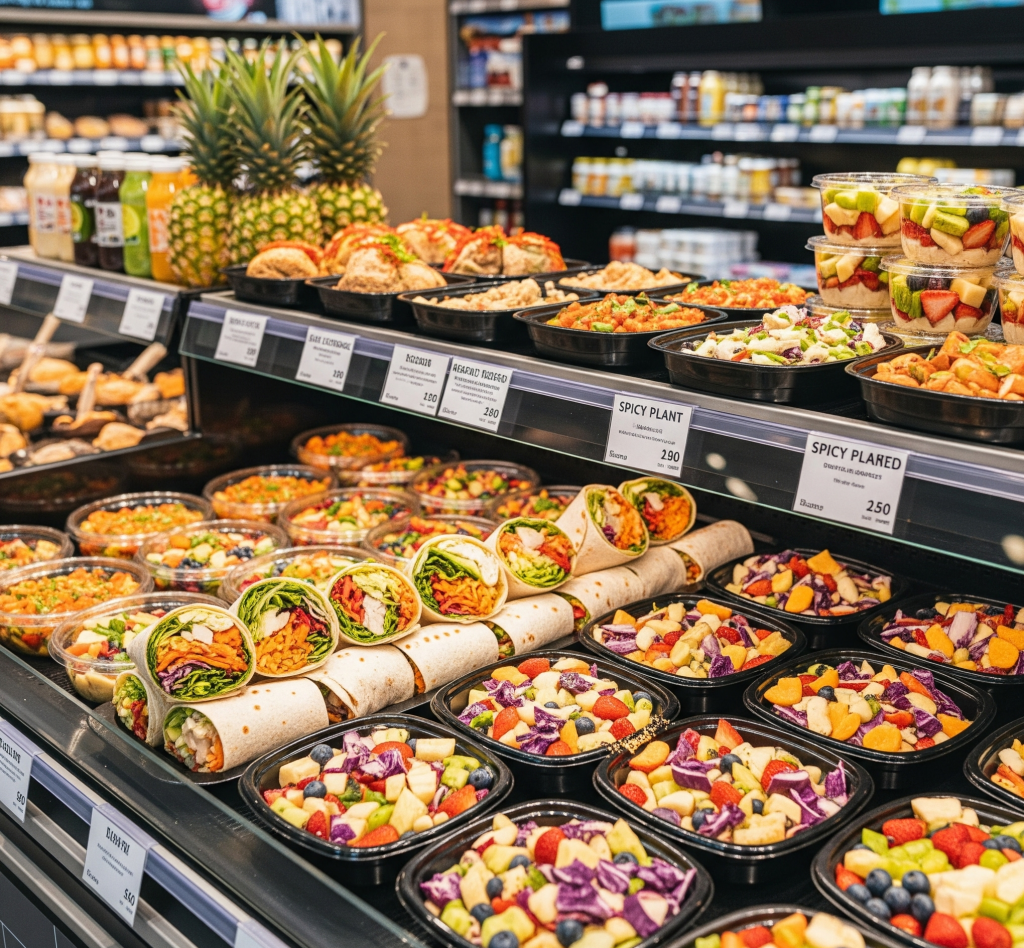
Menu innovation is another critical component, encompassing both trending flavors and diverse dietary needs. Consumers are showing a strong interest in bold and adventurous flavor profiles, including sweet and spicy combinations, pickle-flavored items, hot honey, tropical notes, and “maximalist” flavors that offer an elevated or “extra” experience, such as ultra-sour or fully loaded taco chips. Simultaneously, there is a significant expansion of healthier menu options, with a growing demand for plant-based alternatives, low-calorie foods, and organic products. Large chains like McDonald’s, Burger King, and Subway have already responded by adding salads and meat alternatives to their menus. This dual trend highlights an opportunity where flavor adventure meets health-consciousness. Consumers desire exciting tastes but also prioritize better-for-you options. Therefore, convenience stores should focus on developing menu items that successfully combine trending, adventurous flavors with healthier profiles, such as spicy plant-based wraps or tropical fruit bowls with added protein, to appeal to a broad and discerning demographic.
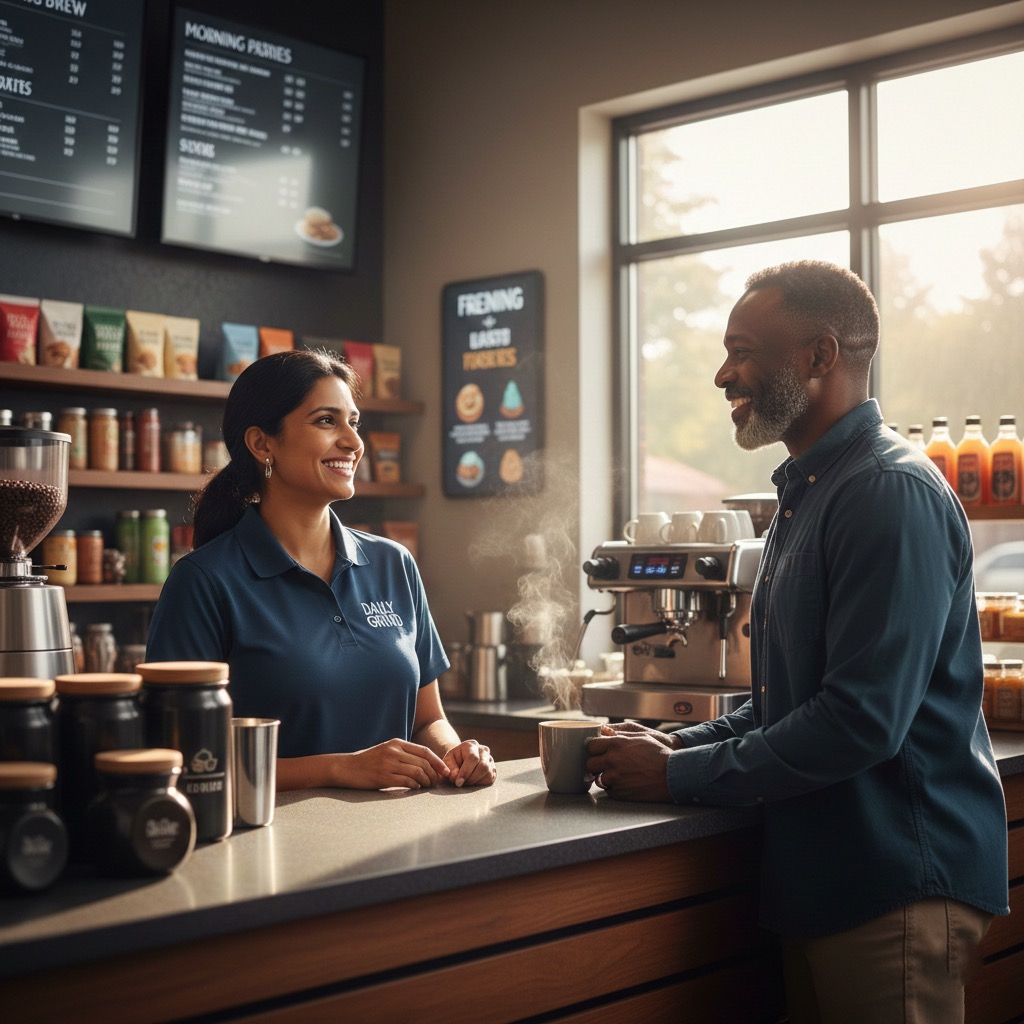
Overcoming the lingering perception of “gas station food” is crucial for success in foodservice. This challenge directly impacts profitability, as consumers often opt for alternatives when they perceive they can get a better-quality pizza, hot dog, or hamburger elsewhere. Building a strong brand for foodservice offerings is paramount to creating “fans” who are as loyal as those of established QSRs. This requires unwavering consistency in both execution and quality across all food items. The quality perception held by customers directly influences sales. Therefore, convenience stores must actively manage and elevate their brand image for foodservice, investing in consistent quality, attractive presentation, and clear messaging to shift consumer perceptions and build trust.
Practical Foodservice Strategies for Operators
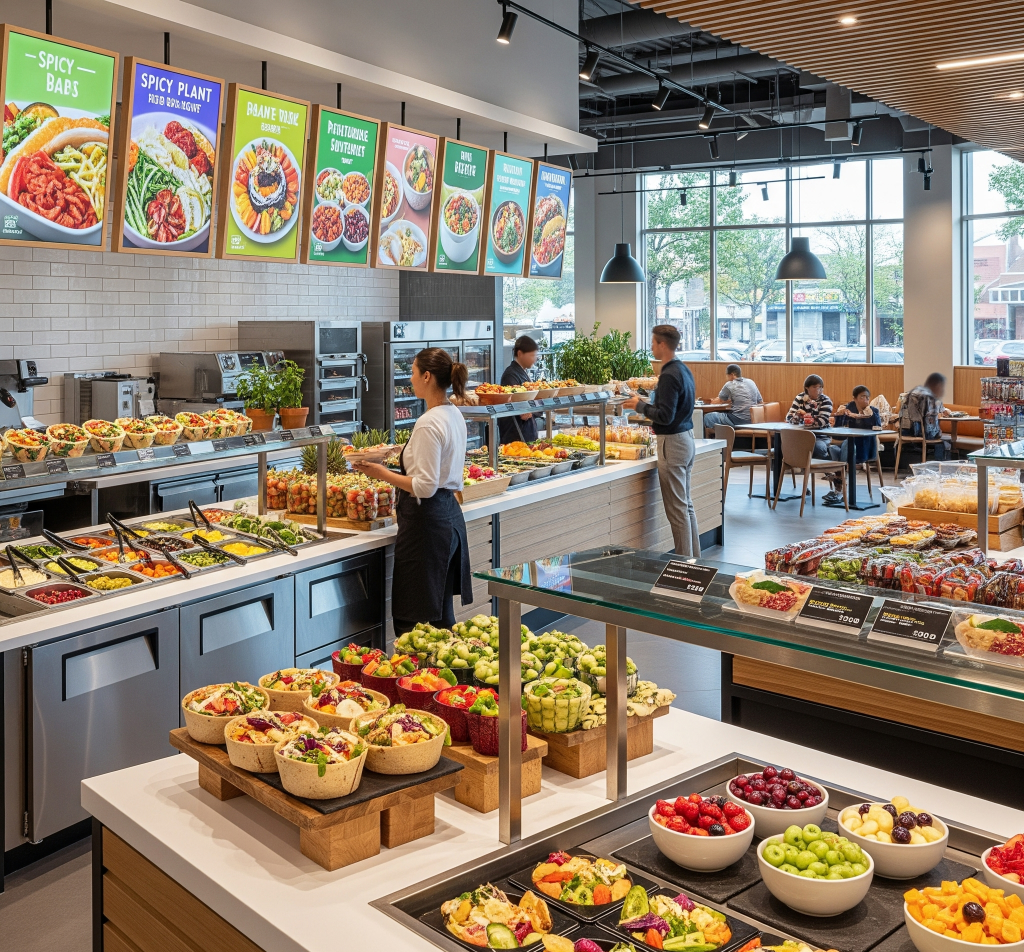
To effectively implement these changes, convenience stores can adopt several practical foodservice strategies. A key area is the integration of made-to-order and semi-prepared options. Made-to-order items offer the dual benefits of higher profit margins and an enhanced customer experience, as food is prepared fresh upon request. Additionally, semi-prepared meals, such as salads, wraps, and heat-and-eat dinners, provide a convenient solution, particularly for attracting evening traffic. For these offerings, clear labeling is essential. Labels should communicate preparation information, highlight health features (e.g., “Gluten-Free,” “High-Protein”), and ensure transparency regarding ingredients to build customer trust.
Another effective strategy involves focusing on handheld foods and mix-and-match bundles. Handheld items like breakfast burritos, empanadas, pizza slices, and chicken tenders are ideal for “immediate consumption” and effectively bridge different dayparts, catering to consumers on the go. The ability to offer “mix-and-match” bundling allows for greater personalization and encourages customers to add more items to their purchase, thereby increasing the average basket size. Successful examples include Wawa’s hot hoagie bundles and Casey’s pizza-meal deals. This emphasis on flexibility fuels sales, as consumers desire control over their meal choices. By designing menus and promotions that allow for high levels of customization and flexible bundling, convenience stores empower customers to create meals that perfectly fit their taste, dietary preferences, and budget, which in turn boosts engagement and average transaction value.
Finally, optimizing equipment and space is crucial, especially given the typically small kitchen footprints in convenience stores. The solution lies in investing in compact, versatile kitchen solutions and automated equipment that maximize production and efficiency within limited areas. Examples of beneficial equipment include impinger pizza ovens, pressure fryers, and rotisserie ovens. This strategic approach to smart space utilization directly impacts profitability. It means that successful foodservice operations are not about replicating a full-scale restaurant kitchen but about maximizing limited space with targeted, efficient equipment capable of consistently producing high-quality items, particularly popular choices like fried chicken and pizza, with minimal footprint and labor requirements.
So the key takeaways are:
- Menu Innovation: Offer your customers made-to-order or semi-prepared items. Also, explore trending flavors they are looking for and crave.
- Operational Efficiency: Small kitchen space can be optimized with modern efficient equipment.
- Customer Experience: Focus on what consumers want, consistent quality and brand names.
- Value Creation: Implement mix-and-match bundles and capitalize on convenience with grab-and-go items.
Your Destination for Foodservice Success
A robust and innovative foodservice program is no longer a luxury but a vital necessity for growth and competitiveness in the modern convenience store landscape. By prioritizing quality, fostering innovation in menu development, and strategically offering customizable and convenient options, convenience stores can effectively meet the evolving demands of today’s consumers.
With a craveable foodservice program now in place, the next step is to explore how convenience stores can further capitalize on the health trend. The upcoming discussion will delve into the booming market for smart, better-for-you snacking and provide actionable insights on how to stock shelves for optimal success.


 The5For
Leave a comment