Welcome back, convenience store owner/operators! It’s Tuesday and the industry is buzzing with developments from yesterday that directly impact your bottom line and your connection with customers. We’ve scoured the latest headlines to bring you 5 critical news items from yesterday. These aren’t just headlines; they’re opportunities and insights tailored to help you navigate the evolving landscape of our dynamic industry. Let’s dive in and uncover what you need to know, why it matters, and what you should be doing about it right now!
1. Summer Flavor Frenzy: Are Your Foodservice Offerings Heating Up?
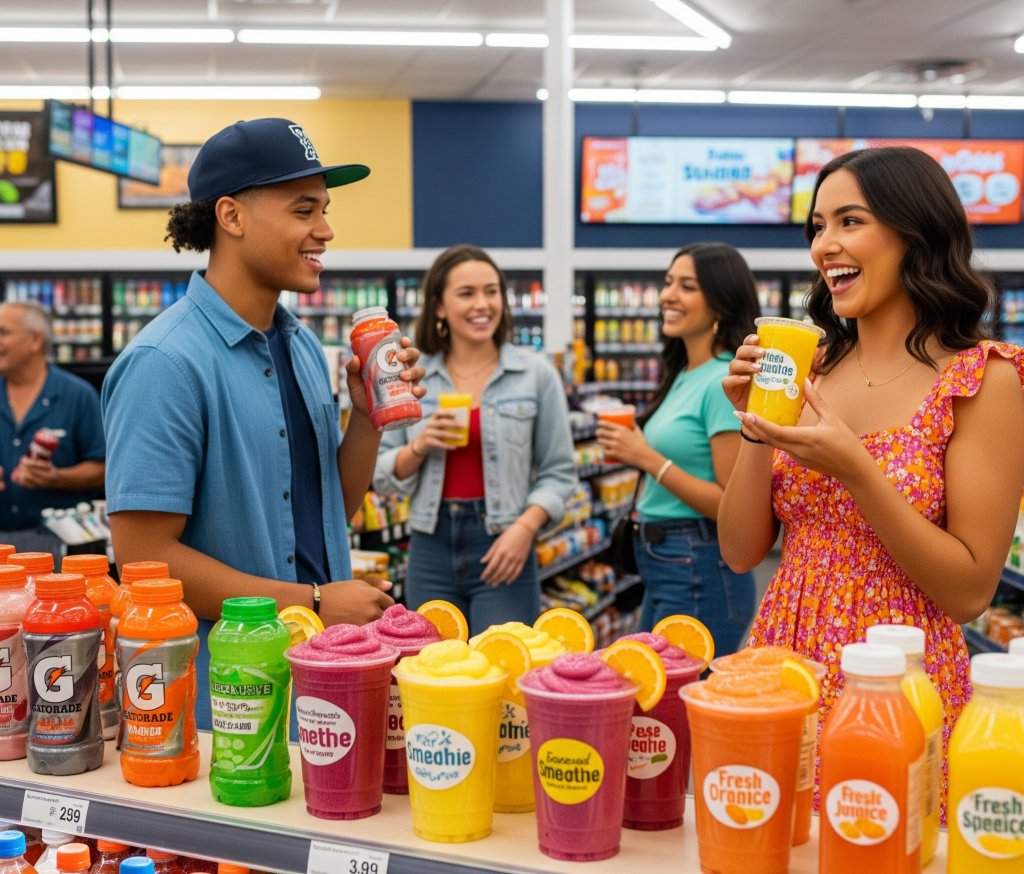
Convenience store giants like Circle K and 7-Eleven are rolling out innovative, proprietary food and drink limited-time offers (LTOs) for summer. Think exclusive Gatorade flavors, unique Slurpee concoctions, and even new burger lineups from chains like Nittany MinitMart. Beyond the big players, smaller chains like Stinker Stores are introducing fresh-squeezed orange juice and value meals, while QuikTrip is enhancing beverage customization options. The focus is clearly on enticing customers with novel, seasonal, and often exclusive foodservice items.
Why It Matters to You: Summer is prime time for impulse buys and refreshing treats. These launches highlight the ongoing trend of c-stores becoming true foodservice destinations. Consumers are looking for unique, on-the-go options, and these LTOs create buzz, drive traffic, and encourage higher basket sizes. If you’re not innovating your food and beverage menu, especially with seasonal twists, you’re missing out on a significant revenue stream and an opportunity to build customer loyalty. Healthy, fresh, and customizable options are increasingly important, with hydration trends on the rise.
What You Should Be Doing:
- Innovate Your Offerings: Consider introducing your own summer-themed LTOs, whether it’s a specialty iced coffee, a unique smoothie, or a seasonal grab-and-go food item. Don’t be afraid to experiment with bold, “maximalist” flavors or even “dirty soda” concepts that leverage social media trends.
- Focus on Fresh and Healthy: As seen with Stinker Stores, simple, fresh offerings like squeezed juices can be a differentiator. Look into expanding healthier snack and beverage options, especially those rich in protein or offering functional benefits.
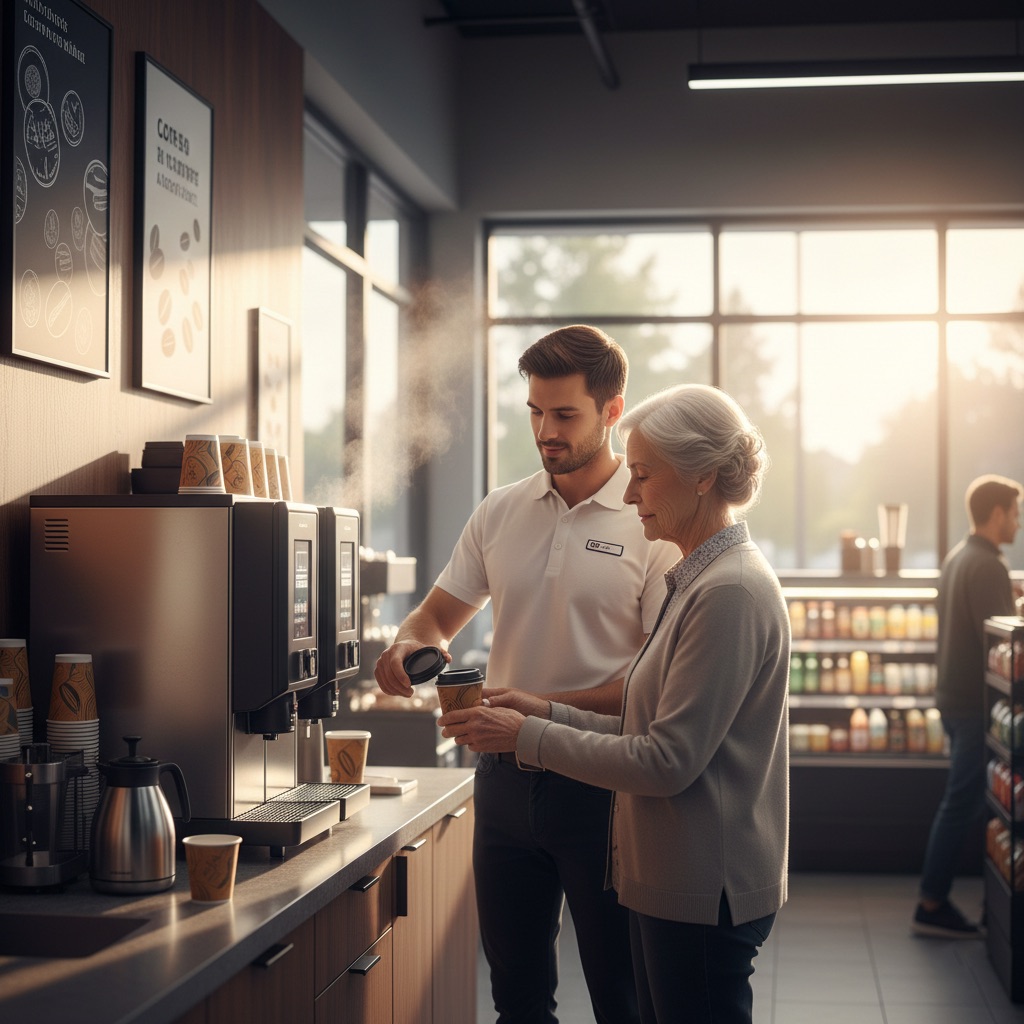
- Enhance Beverage Stations: Invest in equipment that allows for more customization and variety at your dispensed beverage stations, mirroring QuikTrip’s efforts. Offer a wide range of syrups, toppings, and flavor shots.
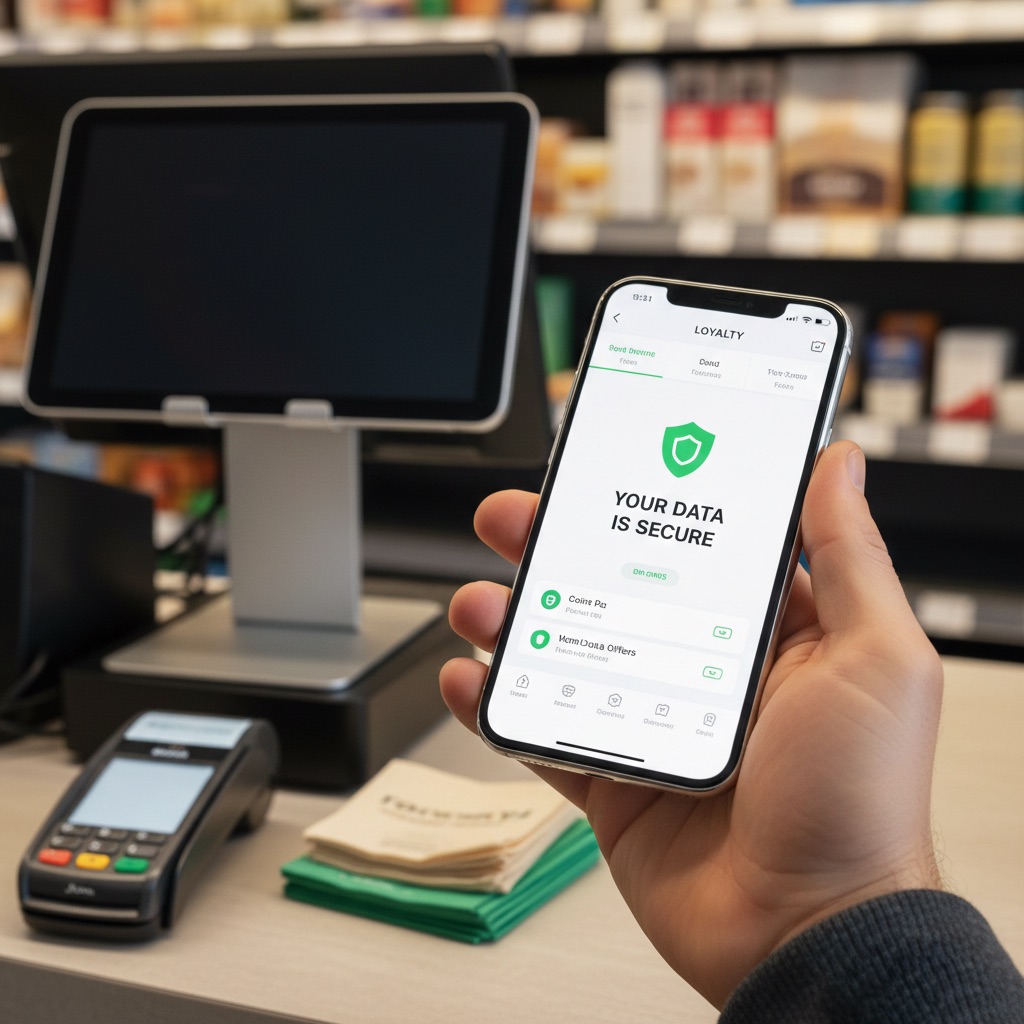
- Leverage Loyalty Programs: Integrate new seasonal offerings into your loyalty program to encourage repeat purchases and reward adventurous customers.
See the article here.
2. Costco’s Standalone Gas Station: A Direct Fuel Challenge
Costco is set to open its first-ever standalone gas station in Mission Viejo, California, featuring 40 pumps but without an attached convenience store. This move follows record fuel sales for Costco after extending its gas station hours, demonstrating their commitment to leveraging fuel as a core membership benefit and a traffic driver. They are also expanding electric vehicle charging options.
Why It Matters to You: This is a clear signal of increased competition in the fuel retail space. Costco’s strategy reinforces the idea that competitively priced fuel, even without a c-store attached, is a powerful draw for consumers, especially members seeking value. It emphasizes that fuel remains a critical component of customer acquisition and retention, and that major players are willing to invest heavily in this segment. For c-store operators, this means the pressure to offer competitive fuel pricing and, more importantly, to differentiate beyond fuel, is escalating.
What You Should Be Doing:
- Re-evaluate Your Fuel Strategy: While you might not compete on membership models, ensure your fuel pricing remains competitive in your local market. Monitor local Costco and other big-box fuel prices closely.
- Maximize In-Store Capture: Since Costco’s standalone won’t have a store, your advantage lies within your four walls. Focus intensely on converting fuel customers into in-store shoppers. Offer compelling promotions on high-margin items like coffee, foodservice, and snacks.
- Enhance the Customer Experience: Provide a seamless, clean, and efficient fueling experience. Consider amenities at the pump that encourage customers to come inside (e.g., clear signage for restrooms, fresh coffee promotions).
- Explore EV Charging: Even if not a standalone, consider the long-term trend. As EV adoption slowly grows, strategically placed charging stations could become a future differentiator for your location, especially for longer-dwell customers who will then come inside.
Read the article here.
3. Kwik Trip’s Chunka Lunka Cookies: The Power of Nostalgia & Brand Love
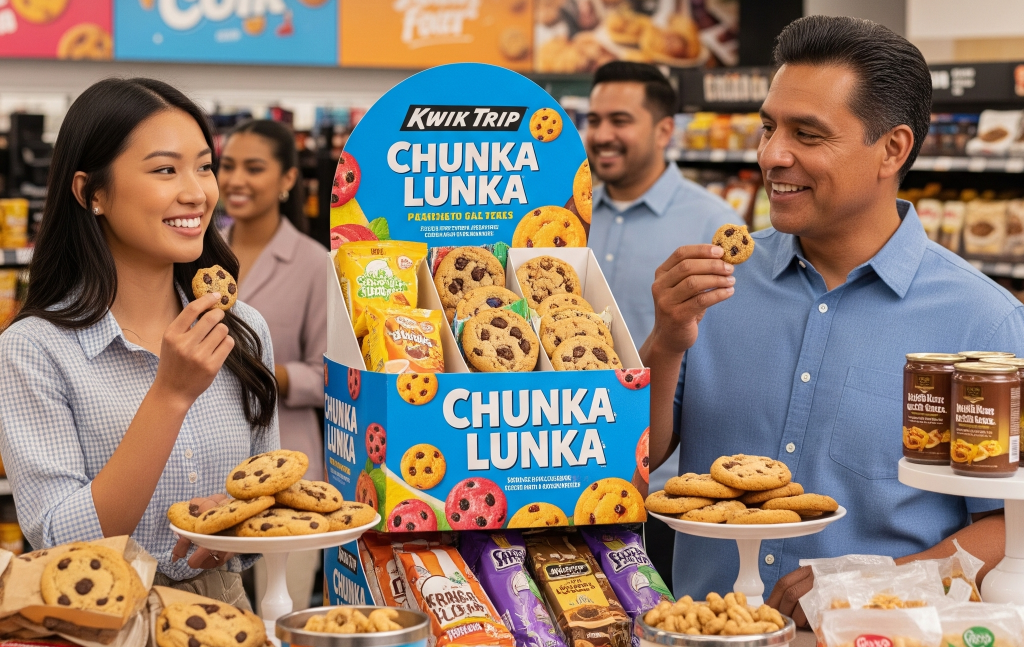
Kwik Trip is celebrating its 60th anniversary by bringing back a fan-favorite, limited-time item: Chunka Lunka Cookies. These cookies, originally debuted in 2003, are described as soft, rich, and packed with chocolate chunks. This move capitalizes on nostalgia and reinforces Kwik Trip’s reputation for beloved foodservice items, coming shortly after being recognized as “Best Gas Station Brand” and “Best Gas Station for Food” by USA Today.
Why It Matters to You: This story is a masterclass in marketing, customer engagement, and leveraging brand equity. Kwik Trip understands the emotional connection consumers have with certain products and the power of nostalgia. Bringing back a beloved item generates excitement, drives traffic, and creates positive social media buzz. It shows how a focus on quality, unique offerings, and listening to your customers can build fierce loyalty and position your store as a community favorite. It’s not just about selling a cookie; it’s about celebrating with your customers and reinforcing a positive brand image.
What You Should Be Doing:
- Identify Your “Chunka Lunka”: What are your customers’ favorite items? Do you have a unique local offering or a past hit that could be brought back for a limited time? Conduct informal polls or leverage social media to find out.
- Embrace Nostalgia: Consider seasonal or anniversary-related promotions that tap into shared memories or local traditions. This can create a deeper connection with your customer base.
- Amplify Your Strengths: Kwik Trip boasts about its “Best Gas Station for Food” recognition. What are your strong suits? Are you known for great coffee, a spotless restroom, or exceptional customer service? Highlight these strengths in your marketing and in-store messaging.
- Engage on Social Media: Announce special returns or limited offers across your social channels. Encourage customers to share their excitement and memories. Kwik Trip excels at mobile engagement and using digital signage to promote their offerings.
Read about it here.
A quick article on Kwik Trips mobile marketing strategy.
4. EPA’s Renewable Fuel Standards: Fueling Uncertainty and Opportunity
The EPA has proposed new Renewable Fuel Standard (RFS) volume requirements for 2026 and 2027. A key change is the introduction of a “second dial” that reduces the value of Renewable Identification Numbers (RINs) for foreign biofuels by 50%, aiming to incentivize domestic production. NACS is actively reviewing the proposal and has raised concerns about the potential for price increases at the pump and unsettled tax policies.
Why It Matters to You: As fuel retailers, changes to RFS mandates directly impact your operational costs and, potentially, the price you pay for fuel, which ultimately affects consumer prices. The shift to prioritize domestic biofuels could influence supply chains and fuel availability. This regulatory uncertainty underscores the need to stay informed about government policies that affect your core business and to diversify your revenue streams beyond just fuel. Litigation is almost inevitable once these proposals are finalized, meaning ongoing volatility.
What You Should Be Doing:
- Stay Informed: Monitor updates from industry associations like NACS regarding the EPA’s RFS proposals. Understanding the nuances will help you anticipate potential market shifts.
- Advocate Through Associations: Support industry groups that are lobbying on behalf of convenience retailers to ensure your interests are represented in these policy discussions.
- Diversify Revenue: Reinforce the importance of strong in-store sales and foodservice. Relying too heavily on fuel margins, which can be volatile due to regulations and market forces, can be risky.
- Consider Alternative Fuels: While the immediate impact is on traditional biofuels, keep an eye on the broader alternative fuels landscape (e.g., EV charging, hydrogen) as a long-term strategic play to adapt to evolving environmental regulations and consumer demands.
See the article here.
5. Hot Coffee: Your C-Store’s Unsung Hero (and Where to Improve!)
A recent Technomic survey reveals that convenience stores are leading in hot coffee purchase frequency, with over half of c-store consumers buying hot coffee at least weekly – even more often than at quick-service restaurants or coffee shops! While morning sales dominate, there’s a perceived gap in freshness, variety, and uniqueness compared to dedicated coffee cafes.
Why It Matters to You: This is fantastic news for your coffee program! It confirms that your c-store is a go-to destination for daily coffee rituals, especially in the morning. This frequent purchase behavior signifies strong customer loyalty. However, the perception gap regarding freshness and variety is a critical area for improvement. Bridging this gap can unlock even greater sales, increase customer satisfaction, and protect your market share against specialty coffee competitors.
What You Should Be Doing:
- Double Down on Freshness: Implement strict brewing schedules and ensure coffee is always fresh. Consider smaller batches or “brew on demand” options if feasible. Communicate your freshness commitment to customers.
- Expand Variety (Thoughtfully): While traditional flavors are popular, introduce a rotating seasonal or limited-time offering to add excitement, similar to what Casey’s General Stores and QuickChek are doing with their coffee programs. Explore trending flavors like pistachio, and offer a wide range of creamers, sweeteners, and milk alternatives, including plant-based options like oat milk.
- Elevate the Experience: Focus on the “coffee ritual.” Is your coffee station clean, well-stocked, and inviting? Consider premium cup options, lids, and stirrers.
- Promote Your Program: Don’t assume customers know you have great coffee. Use in-store signage, digital displays, and social media to highlight your offerings, freshness, and value. Encourage pairing coffee with breakfast items or bakery goods.
- Consider RTD Options: Ready-to-drink (RTD) coffee is also a growing segment, especially with younger consumers. Offer a diverse selection of RTD coffees, including cold brew and functional options.
Read about it here.
Some other good reads about coffee and dispensed beverage trends can be found here and here.
The Bottom Line: Stay Agile, Stay Ahead
As you can see from today’s rundown, the convenience store industry is in constant motion. From exciting foodservice innovations and the strategic moves of major competitors like Costco, to the impact of federal regulations and the enduring power of your coffee program, every day brings new opportunities and challenges.
The key takeaway? Agility is your superpower. By staying informed, understanding how these trends directly affect your operations, and proactively implementing smart strategies, you’re not just reacting to the market – you’re shaping your future success. Keep innovating your offerings, enhance every aspect of the customer experience, and remember that deep customer understanding is your ultimate competitive edge.
We hope these insights spark ideas and encourage you to act this week! What are your thoughts on these trends? Share your perspective, and let’s keep the conversation going!

 The5For
Leave a comment