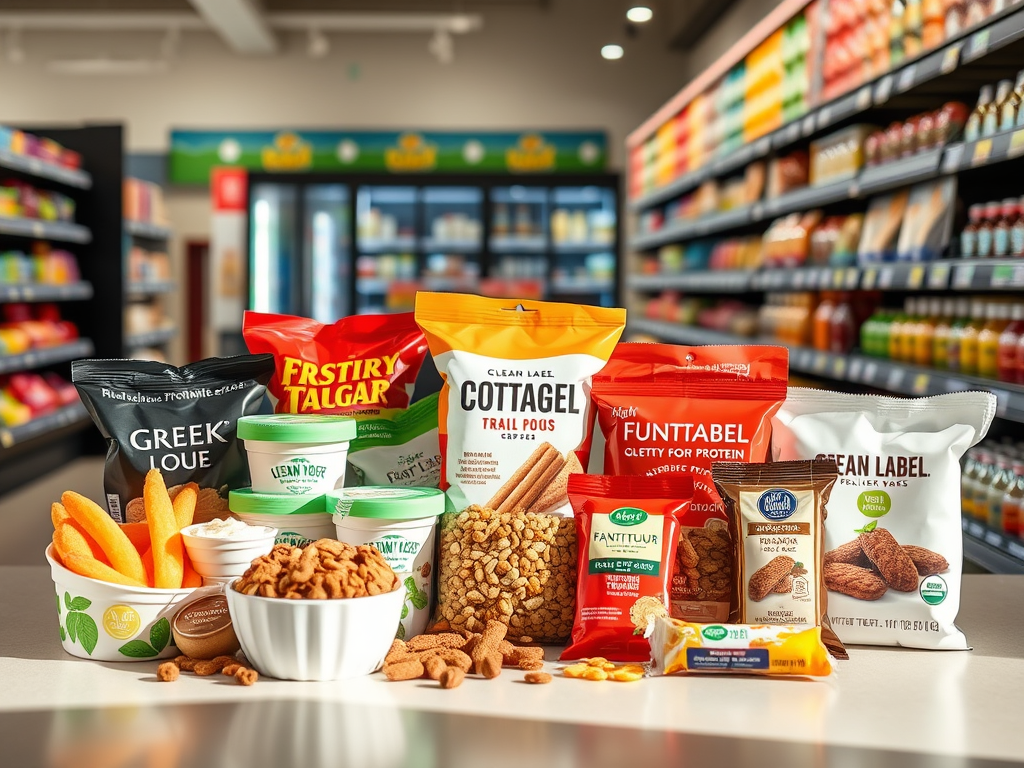
Following the expansion of a convenience store’s foodservice program, attention naturally shifts to the packaged snack aisle, where the “better-for-you” trend is profoundly reshaping consumer preferences. This movement is not confined to prepared meals; it deeply influences every category, driven by the fact that a significant 55% of Americans feel they should be eating healthier. This widespread health consciousness is fueling substantial growth, with the healthy snacks market projected to expand by over 6% Compound Annual Growth Rate (CAGR) through 2028.
High-Protein Powerhouses and Functional Foods
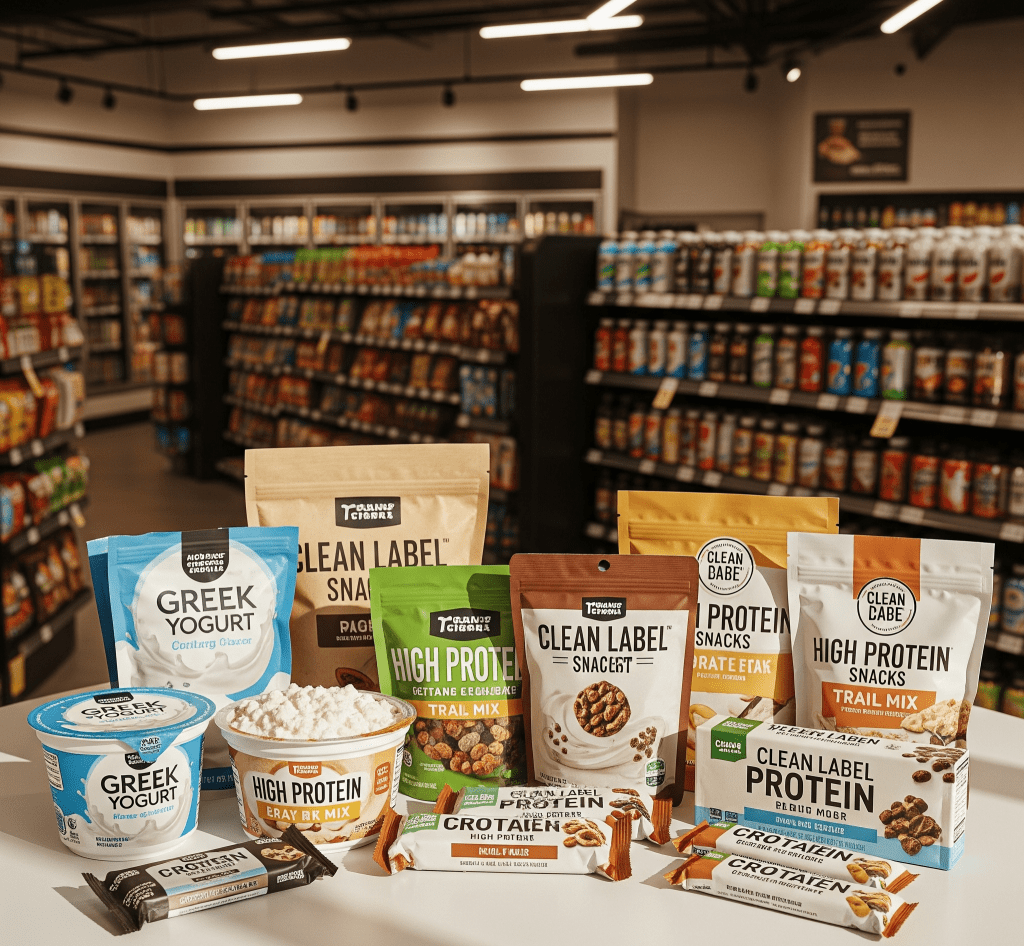
The “protein craze” stands out as a major driver within the “better-for-you” category. Consumers are actively seeking snacks that provide both satisfaction and sustained energy. Top-selling high-protein options dominating convenience store shelves include hard-boiled eggs, Greek and Icelandic yogurt, string cheese, cottage cheese, trail mix, sunflower seeds, tuna packs, clean-label protein bars, and various meat snacks. This consistent emphasis on protein across multiple reports suggests that for many consumers, “healthy” is increasingly synonymous with “high protein.” It represents a tangible and easily understood benefit. Therefore, convenience stores should aggressively merchandise and promote high-protein options across all relevant categories—snacks, beverages, and even prepared foods—making it effortless for consumers to identify and select these items.
Beyond solid snacks, the beverage category is also undergoing a transformation, with consumers increasingly expecting “more out of their drink”. This has led to a surge in demand for functional beverages that offer added benefits beyond basic hydration, such as protein, vitamins, and electrolytes. Examples like probiotic sodas and enhanced water illustrate this trend. This indicates a shift where beverages are no longer just for quenching thirst but are viewed as active tools contributing to wellness goals. Convenience stores should expand their selection of functional beverages, clearly highlighting the specific health benefits on packaging and through in-store signage to effectively attract health-conscious consumers.
The Clean Label and Fresh Produce Opportunity
Transparency with “clean labels” remains a crucial factor for consumers. There is a strong and persistent demand for minimally processed foods, free from artificial additives. Consumers actively look for shorter ingredient lists and terms like “natural,” “simple,” and “no artificial” on product packaging. This “clean label” movement is fundamentally about building consumer trust through transparency and simplicity. In a competitive market, a clear, understandable ingredient list becomes a significant competitive advantage. This suggests that simplicity in both product formulation and marketing messaging is key to winning over discerning consumers. Convenience stores should prioritize stocking and marketing packaged snacks and grab-and-go items that boast clean labels, emphasizing natural ingredients and minimal processing. Providing staff with training on these product attributes can further enhance customer confidence.
Integrating fresh produce into the convenience store offering presents another significant opportunity. There is a growing demand for fresh fruits (up 4%), vegetables (up 1.2%), and minimally processed foods. For many consumers, convenience and time-saving are the primary drivers for purchasing value-added produce, such as pre-cut or ready-to-eat options. Practical and popular choices include apples, bananas, carrot sticks with hummus, pre-cut fruit, fruit parfaits, and various veggie sticks.
While convenience stores have historically faced a perceived gap in freshness or variety compared to traditional grocery stores, the growth of “value-added” produce offers a solution. This indicates that convenience stores do not need to transform into full-service produce markets. Instead, they should focus on bridging the freshness gap by strategically introducing a curated selection of conveniently packaged, ready-to-eat fresh fruits and vegetables, potentially bundled with dips or proteins, to cater to the demand for quick, healthy, and convenient produce options.
Some key healthy snack categories and examples for convenience stores to consider are:
- High Protein: Hard-boiled eggs, Greek yogurt, Protein bars (clean-label)
- Low Sugar Treats: Dark chocolate, Freeze-dried fruit
- Fresh Produce (Value-Added): Apples, Carrot sticks with hummus
- Plant-Based: Chickpea chips, Mushroom jerky
- Functional Beverages: Protein water, Electrolyte-enhanced water
Stocking for a Healthier Future
The healthy snacking category represents an immense opportunity for convenience stores to attract new customers and increase basket sizes. By strategically focusing on high-protein, functional, clean-label, and convenient fresh produce options, operators can align their offerings with evolving consumer preferences.
Now that shelves are stocked with healthy, craveable options, the next critical step is to ensure customers perceive the true worth of these offerings. The upcoming discussion will explore how to redefine and deliver “value” beyond just a low price, transforming budget-conscious shoppers into loyal advocates.




 The5For
Leave a comment