
Having established how convenience stores can redefine and deliver value, the spotlight now shifts to the powerful role of technology. In the modern retail landscape, technology is not merely a supplementary tool; it is the essential engine that drives both operational efficiency and an enhanced customer experience, ultimately reinforcing the store’s value proposition. The convenience store industry is currently experiencing a “growing technology imperative”, with Artificial Intelligence (AI) moving beyond experimental phases to become an indispensable element for survival and competitiveness
AI in Action: The Smart C-Store
AI is revolutionizing convenience store operations by significantly boosting efficiency. AI-powered inventory management solutions, for instance, provide real-time insights into stock levels, product placement, and emerging trends, which is crucial for reducing waste, particularly for perishable items. Beyond stock, AI optimizes staff scheduling by analyzing historical foot traffic and sales data, leading to reduced labor costs and preventing costly understaffing during peak hours. AI also plays a role in optimizing fuel pricing, a critical revenue stream for many convenience stores. This pervasive application of AI positions it as a profit protector. Its benefits extend beyond mere innovation, directly impacting the bottom line by mitigating key operational challenges such as shrink, labor expenses, and food waste. Therefore, convenience store operators should view AI as a strategic investment primarily aimed at cost reduction and profit protection, focusing on applications that directly address these high-cost areas.
Beyond internal operations, AI is profoundly enhancing the customer experience. AI-powered systems deliver personalized recommendations and targeted advertising based on individual purchase behavior, making shopping feel more tailored and relevant. Innovations like voice-activated ordering systems not only reduce error rates but also contribute to a smoother, faster transaction experience, complemented by dynamic menu boards that adapt to various factors. Even self-checkout systems are becoming AI-driven, capable of predicting trends and analyzing purchasing patterns to further optimize the shopping journey. This represents a shift towards hyper-personalization as the new standard for customer service. AI is moving beyond basic automation to provide individualized engagement that anticipates customer needs and preferences. By leveraging AI to deliver tailored promotions, seamless ordering, and predictive services, convenience stores can foster deeper customer loyalty and increase average basket sizes.
Streamlining Transactions: Self-Checkout & Mobile Solutions
The “self-service revolution” is rapidly gaining momentum in convenience retail. Self-checkout systems are experiencing rapid growth, with a projected Compound Annual Growth Rate (CAGR) of 12.3% from 2024 to 2025, expanding to 13.4% by 2029, largely driven by consumer demand for faster transactions. These systems offer clear benefits: shorter wait times, reduced labor costs, and a strong appeal to busy customers who value efficiency. However, this convenience comes with challenges, notably the potential for increased theft and shrinkage. This creates a critical need for balancing speed with security. Convenience stores implementing self-checkout must pair it with robust security measures, including AI-powered computer vision and vigilant staff oversight, to maximize the benefits while effectively minimizing losses.
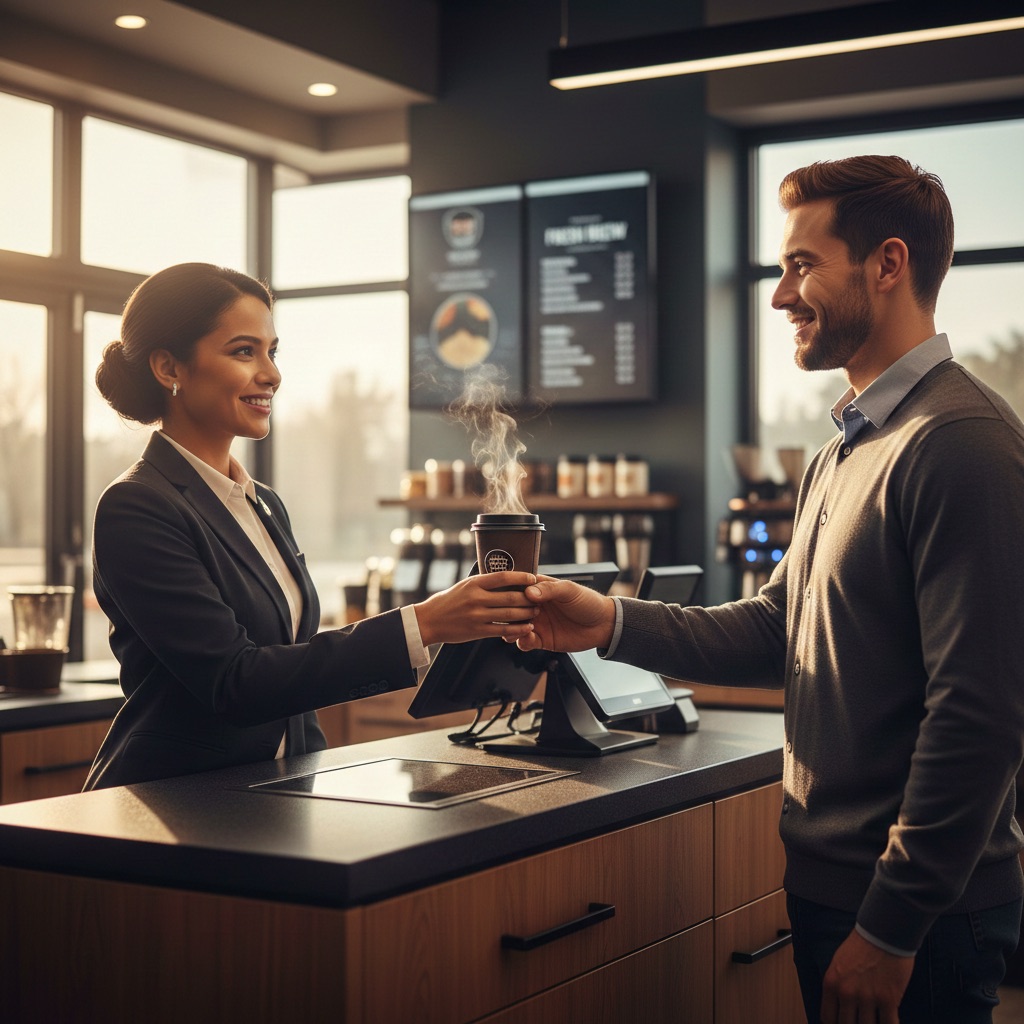
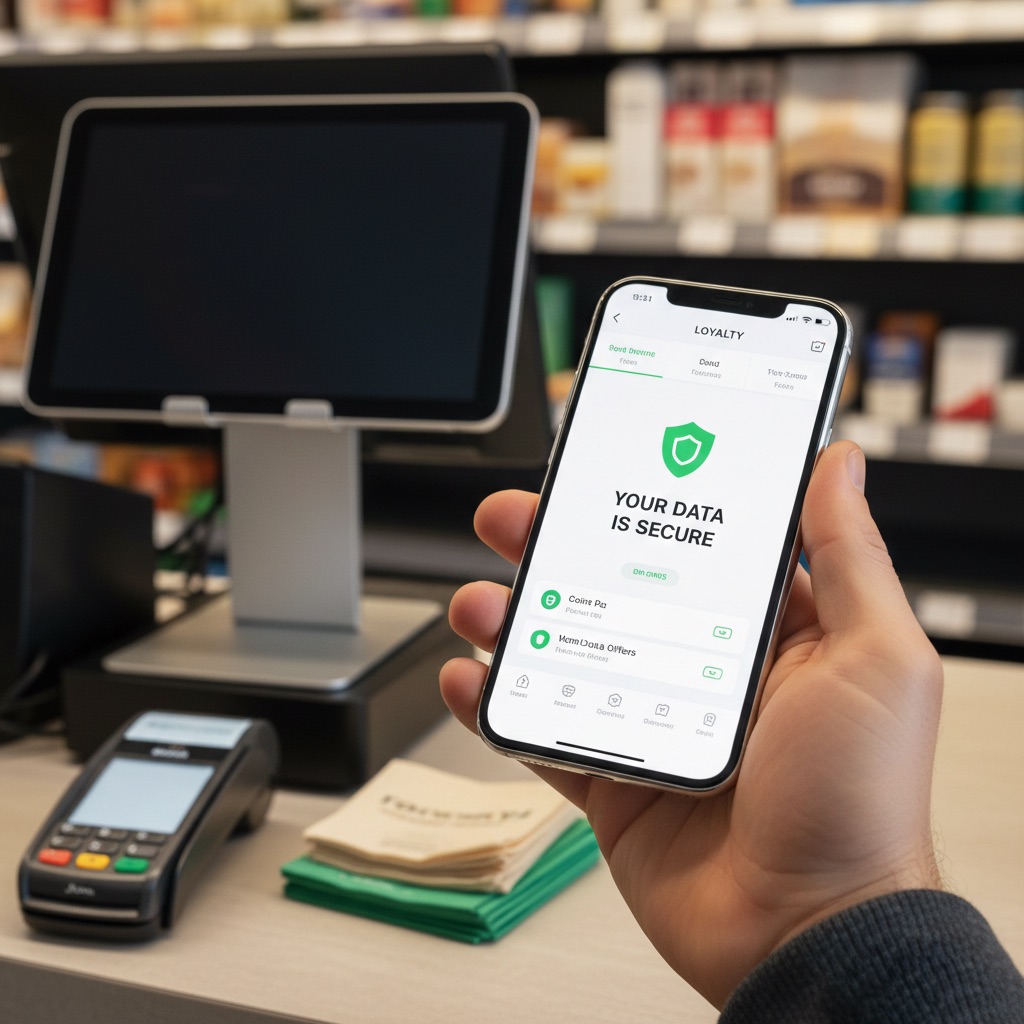
Parallel to the rise of self-checkout is the increasing adoption of mobile solutions. Mobile ordering and third-party delivery options are becoming increasingly popular, catering to the modern consumer’s desire for convenience and flexibility. Contactless payment methods and digital menus further enhance transactional efficiency. This trend positions the convenience store as an omnichannel hub. The customer journey is no longer confined to the physical store; it spans across digital and physical touchpoints. Therefore, convenience stores need to develop a cohesive omnichannel strategy, integrating mobile apps for ordering, loyalty programs, and payments with their in-store experiences to provide seamless service and capture a wider customer base.
In 2025, the key technology innovations and their applications for convenience stores are:
- AI-Powered Solutions: Predictive analytics assist with inventory optimization, help control food waste, and assist with theft prevention. Automated scheduling can help control labor cost. Voice-activated ordering, Dynamic menu boards, and Targeted promotions make up the trifecta personalized offers.
- Self-Checkout Systems: Streamlining your checkout means faster transactions and reduced wait times for customers and lower labor cost for you.
- Mobile Ordering/Payments: These provide customers with both convenience and an enhanced experience while enabling you to reach a wider audience.
- Loyalty Program Integration: This allows you to use AI-driven personalized offers enhancing customer loyalty and increasing basket size.
Powering Your C-Store’s Future
The strategic adoption of technology is fundamentally transforming convenience store operations and elevating customer satisfaction. By embracing AI, self-checkout, and mobile solutions, convenience stores can significantly enhance their competitiveness and profitability in a rapidly evolving retail landscape.
While technology provides the advanced tools, operational excellence remains the foundational bedrock for success. The next discussion will delve into the critical importance of meticulous inventory management, pristine cleanliness, and an empowered staff to ensure that fresh, healthy, and value offerings truly shine.




 The5For
Leave a comment