
While technology offers powerful tools for modernizing convenience store operations, as discussed in the previous post, even the most advanced innovations require a robust operational foundation to truly deliver. For convenience stores aiming to meet the evolving consumer demand for fresh, healthy, and value-driven options, meticulous attention to freshness, impeccable cleanliness, and a well-trained, empowered staff are not merely desirable attributes—they are non-negotiable requirements. Retailers across the industry are actively “gaining experience and improving operations”, recognizing that execution is paramount.
Mastering Fresh Inventory: Reducing Waste, Boosting Profit
Fresh food, while offering high profit margins, inherently carries the risk of spoilage and waste, which can significantly erode profitability. This challenge is particularly acute for independent grocers and convenience stores, who often struggle with managing perishable items and their expiration dates. This issue highlights that food waste is not just an environmental concern; it represents a direct and substantial leakage of profit, especially for smaller operators. Therefore, convenience stores must prioritize robust inventory management systems and practices specifically tailored for fresh food to minimize spoilage and maximize their profit potential.
The integration of AI-driven inventory management offers a sophisticated solution for this challenge. AI forecasting tools analyze vast datasets, including historical sales data, real-time transactions, and even external factors like weather trends, to predict demand for short-shelf-life items with remarkable accuracy. The benefits are substantial: reduced stockouts, a potential write-off reduction of up to 15%, improved product availability by up to 10%, and a significant reduction in human errors. Implementing these systems effectively requires adherence to best practices, including starting with clean, store-level data, integrating the AI solution with existing Point-of-Sale (POS) systems, piloting the technology in a single department first, and thoroughly training staff on its use. This level of precision is particularly vital for perishables. The ability of AI inventory software to account for factors like remaining shelf life, daily demand fluctuations, and delivery schedules goes far beyond basic tracking. This granularity is crucial for fresh items, where even slight miscalculations can lead to significant waste or missed sales opportunities. Convenience stores should therefore explore specialized AI-driven fresh inventory software that is designed to address the unique challenges of perishables, enabling highly accurate demand forecasting and replenishment to balance product availability with minimal write-offs.
Beyond advanced technology, foundational practices remain essential. The First-In, First-Out (FIFO) system is critical to ensure that older ingredients are used before newer ones, preventing spoilage. Regular inventory checks and audits are also crucial for identifying shrinkage patterns and ensuring compliance with food safety regulations.
The Cleanliness Imperative: Beyond Basic Hygiene
Cleanliness has transcended basic hygiene to become a crucial factor in consumer choice and loyalty. A recent report indicates that a significant 53% of consumers now consider cleanliness a “crucial factor” when deciding where to shop, a notable 10-point increase from 2023. This directly impacts customer loyalty and encourages repeat visits.3 The condition of restrooms, for example, serves as a strong indicator of overall store management, with over 70% of customers believing that dirty restrooms signal a “badly managed business”. This underscores that cleanliness is not just about avoiding germs; it is a direct brand statement. A pristine store environment signals care, professionalism, and trustworthiness, qualities that are particularly crucial when offering fresh food items. Therefore, convenience stores must elevate cleanliness from a mere chore to a core operational pillar, implementing rigorous cleaning protocols for all areas—from entrances and food stations to restrooms—and ensuring staff are thoroughly trained to maintain pristine conditions, as this directly influences brand image and customer loyalty.
Practical cleaning protocols involve daily routines for food and beverage stations, often multiple times per shift, to ensure hygiene. Regular maintenance of equipment such as soda fountains, hot beverage machines, and refrigeration units is also vital for ensuring beverage quality and energy efficiency. Furthermore, using color-coded cleaning tools is a simple yet effective practice to prevent cross-contamination in food preparation areas.
Staff Training & Empowerment: The Human Touch
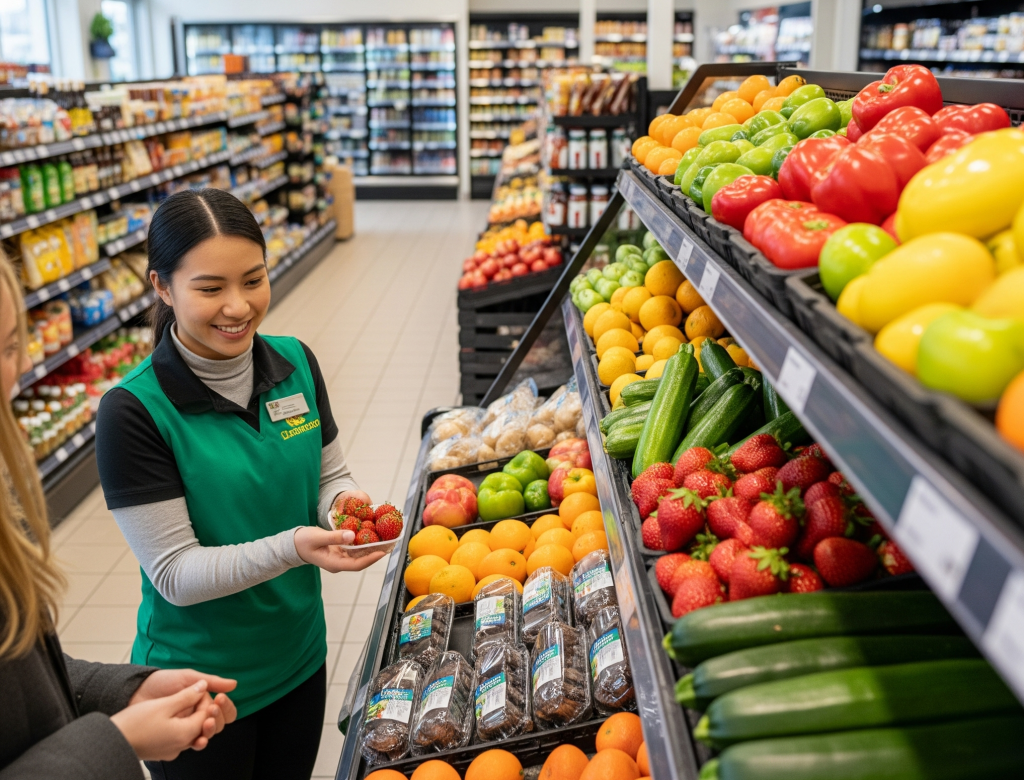
Addressing labor challenges, including persistent shortages and rising wages, remains a significant hurdle for convenience store operators. A substantial 46% of operators cite hiring and retaining employees as their top business challenge. However, the solution extends beyond simply finding more staff; it lies in empowering the existing workforce. Investing in employee satisfaction, providing development opportunities, and equipping staff with the necessary skills can significantly increase productivity and customer satisfaction, thereby offsetting some of the rising labor costs.
Comprehensive training for fresh food preparation and customer service is paramount. Key training areas include proper hand washing and personal hygiene, thorough cleaning and sanitizing procedures, safe food handling practices, adherence to FIFO rules for food storage, and maintaining correct food temperatures to prevent spoilage. Staff must also possess strong product knowledge to effectively assist customers with their choices. Crucially, customer service training should cover friendly greetings, maintaining professionalism, active listening, and confidently handling customer issues. This emphasis on the “human touch” is particularly important in a tech-driven world. While AI and automation streamline many menial tasks, they free up staff to focus on high-touch service and meaningful customer interactions. Convenience stores should intentionally cultivate a culture of exceptional customer service, leveraging technology to automate repetitive tasks so employees can dedicate their time to personalized assistance and building rapport with customers, especially for independent stores that thrive on personal connections.
The operational pillars for fresh and healthy convenience stores are:
- Fresh Inventory Management: Implement AI forecasting for perishables, Use FIFO/FEFO, Conduct regular audits.
- Store Cleanliness & Ambiance: Establish rigorous cleaning schedules (food stations, restrooms), Train staff on food safety/hygiene.
- Staff Training & Empowerment: Provide comprehensive customer service training, Empower staff for high-touch interactions.
The Foundation for Sustainable Growth
Operational excellence is the undeniable bedrock for successfully implementing and sustaining fresh, healthy, and value-driven offerings in a convenience store. By mastering precise inventory management, maintaining impeccable cleanliness standards, and cultivating a highly trained and engaged workforce, convenience stores can build a resilient foundation for sustainable growth.
The journey has covered the “what,” “why,” and “how” of meeting evolving consumer demands. In the final discussion, all these elements will be brought together, envisioning the holistic, future-ready convenience store that thrives by continuously adapting to a dynamic market.






 The5For
Leave a comment