
Welcome, convenience store owner/operators! In our fast-paced industry, staying informed isn’t just an option, it’s essential for survival and growth. Every week brings new challenges and opportunities, and this past Friday, June 20th, was no exception.
I’ve scoured the latest headlines to bring you 5 critical news items that directly impact your bottom line and strategic decisions. Think of this as your practical guide to understanding what’s happening now and, more importantly, what you should be doing about it. Let’s dive in and transform these insights into actionable strategies for your business.
1. MegaSavers’ Midwest Momentum: Understanding Market Shifts
Yesway is reportedly in talks to sell its Iowa and Kansas convenience stores to MegaSaver. This deal, if finalized, would nearly double MegaSavers’ store count and expand its footprint, marking a significant consolidation in the Midwest market. Yesway’s stated reason for divesting these locations is that they no longer align with their broader strategy, indicating a focus on specific regional growth, such as the Southwest.
Why it matters to you: This news underscores the ongoing trend of consolidation within the convenience store industry. Larger players are constantly optimizing their portfolios, leading to shifts in competitive dynamics. Even if you’re not in Iowa or Kansas, these deals highlight that strategic clarity and adaptability are crucial for every operator.
What you should be doing:
- Assess Your Local Competitive Landscape: Understand who your direct competitors are, both established and emerging. Are there new players entering or exiting your market?
- Evaluate Your Strategic Position: Does your current store portfolio align with your long-term vision? Are there underperforming assets you should consider divesting, or strategic acquisition opportunities that could strengthen your position?
- Focus on Core Strengths: In a consolidating market, smaller operators need to be exceptionally good at what they do. Whether it’s hyper-local offerings, superior customer service, or a unique niche, identify and amplify your distinct advantages.
- Be Agile: The industry is constantly evolving. Be prepared to adapt your strategy quickly in response to market changes, new technologies, or competitor moves.
Read about it here.
2. Menu Innovation: The Art of “Keeping It Real”
The Convenience Foodservice Vision Group (CFVG) Report emphasizes a balanced approach to menu innovation: introduce new, trending items but don’t abandon your beloved classics. Successful strategies involve leveraging existing ingredients for new combinations, understanding generational and regional preferences, and focusing on key dayparts like lunch. Emerging trends like “dirty sodas” and flat croissants are examples of successful additions, while cold brew coffee remains a highly profitable traffic driver. The rising use of GLP-1 medications is also noted as a factor influencing preferences towards protein-rich options.
Why it matters to you: Foodservice is a critical growth engine for convenience stores. Getting your menu right means attracting new customers, increasing basket sizes, and building loyalty. Sticking to only old favorites risks losing relevance, while chasing every fleeting trend can lead to operational headaches.
What you should be doing:
- Balance Tradition with Trend: Analyze your sales data to identify your top-performing “classic” items and ensure their consistent quality. Then, strategically introduce new items that align with current consumer preferences. Don’t be afraid to add “one weird thing” that sparks interest.
- Optimize for Dayparts: Focus innovation efforts on lunch and later dayparts, where the opportunity for prepared food sales is often highest.
- Leverage Existing Ingredients: Maximize efficiency by finding new ways to combine ingredients you already stock, allowing for rapid and cost-effective menu expansion.
- Embrace Health-Conscious Options: With trends like GLP-1 medication use, consumers are increasingly seeking protein-rich and healthier alternatives. Ensure your menu caters to this growing demand.
- Prioritize Quality Beverages: Cold brew and other specialty beverages are proven traffic drivers. Invest in high-quality equipment and ingredients to capitalize on this.
- Simplify for Success: A simpler menu can reduce operational complexity, improve consistency, and enhance the customer experience.
See the article here.
3. That’s Entertainment! Attracting Families for Foodservice Boost
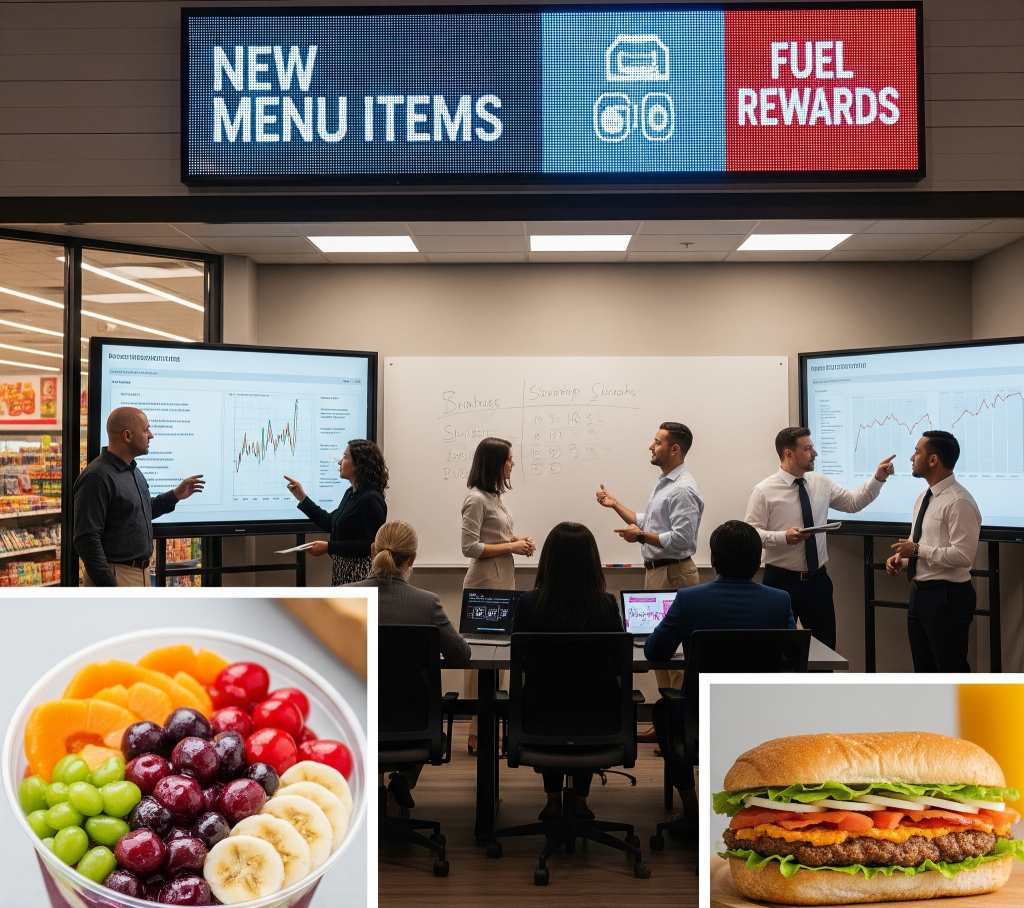
Research shows that families with young children are high-value customers in convenience store foodservice, leading to significantly higher transaction values. C-stores can learn from restaurants by offering kid-friendly food options, better drink selections, and even kids’ meals with special packaging. Beyond food, incorporating “fun” through promotions, giveaways, and improved amenities like clean, family-friendly bathrooms and seating can create emotional connections and long-term brand loyalty.
Why it matters to you: This is a golden opportunity to expand your customer base and increase foodservice sales. Families are looking for convenience and value, but also for a positive, engaging experience. Tapping into the family market can lead to sustained growth.
What you should be doing:
- Develop Kid-Friendly Offerings: Think beyond basic snacks. Offer popular kid-friendly entrées like mini pizzas, chicken nuggets, or simple sandwiches. Pair them with better-for-you drink options like milk or juice.
- Create “Kids Meals”: Bundle an entrée, drink, and small toy or collectible in special packaging. This concept, proven by fast-food giants, drives excitement and encourages repeat visits.
- Promote Family Fun: Consider kid-focused promotions or small giveaways (stickers, small toys) with food purchases. The emotional connection these create can be powerful.
- Enhance Amenities: Clean, well-maintained, and spacious family bathrooms are a huge draw for parents. If possible, offer a small, comfortable seating area.
- Train Your Team: Ensure your staff is welcoming and friendly to children, creating a positive overall experience for the entire family.
- Market to Families: Use social media to showcase your kid-friendly offerings and family-focused promotions.
Check out the story here.
4. EV Owners Gaining Confidence: The Future of Fuel and In-Store Sales
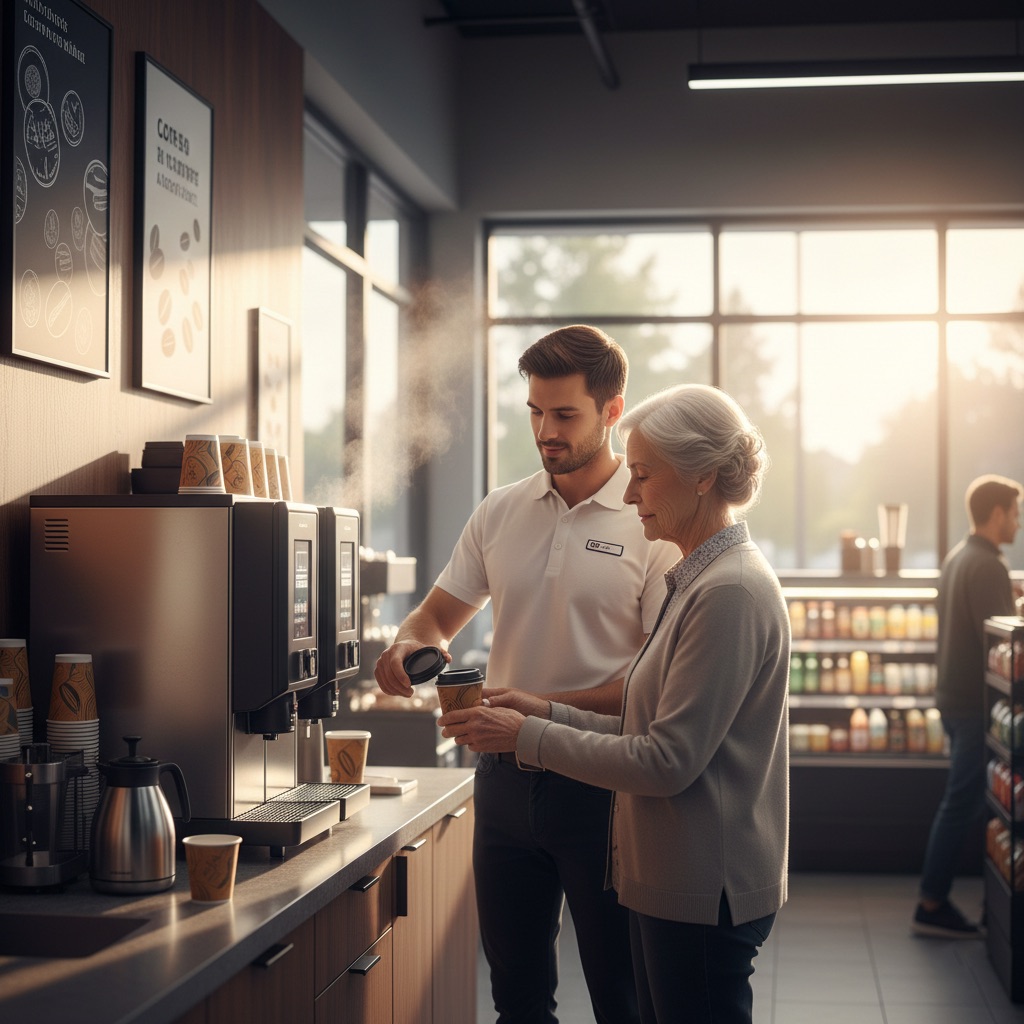
The 2025 Shell Recharge Driver Survey reveals a clear trend: EV drivers are gaining confidence in their vehicles, with 91% considering another EV for their next purchase. Conversely, internal combustion engine (ICE) drivers are losing faith. While charging times are longer than fuel fill-ups (20-30 minutes vs. 4-5 minutes), both EV and non-EV drivers frequently make non-fuel purchases in convenience stores, with quality coffee being a top demand.
Why it matters to you: This is the future of transportation, and it presents both a challenge to traditional fuel sales and a massive opportunity for in-store revenue. EV drivers become “captive” customers for longer periods, increasing their propensity to shop.
What you should be doing:
- Consider EV Charging Infrastructure: Evaluate the feasibility of installing EV charging stations at your location, especially fast DC chargers. While an investment, this positions you for the future and attracts a growing, often affluent, customer segment.
- Optimize Dwell Time: If customers are spending 20-30 minutes charging, what can you offer them? Comfortable seating, free Wi-Fi, high-quality coffee, fresh food, and clean restrooms become paramount.
- Integrate with Loyalty Programs: Offer incentives or loyalty points for EV charging that can be redeemed for in-store purchases, building stronger customer relationships.
- Elevate In-Store Offerings: Focus on high-quality prepared foods, fresh beverages, and a pleasant shopping environment. Both EV and ICE drivers are seeking quality.
- Plan for the Long Game: EV adoption will only accelerate. Proactive investment and strategic planning now will ensure your business remains relevant and profitable in the evolving energy landscape.
See the story here.
5. Western Eating Trends: Are You Capturing Your Market Share?
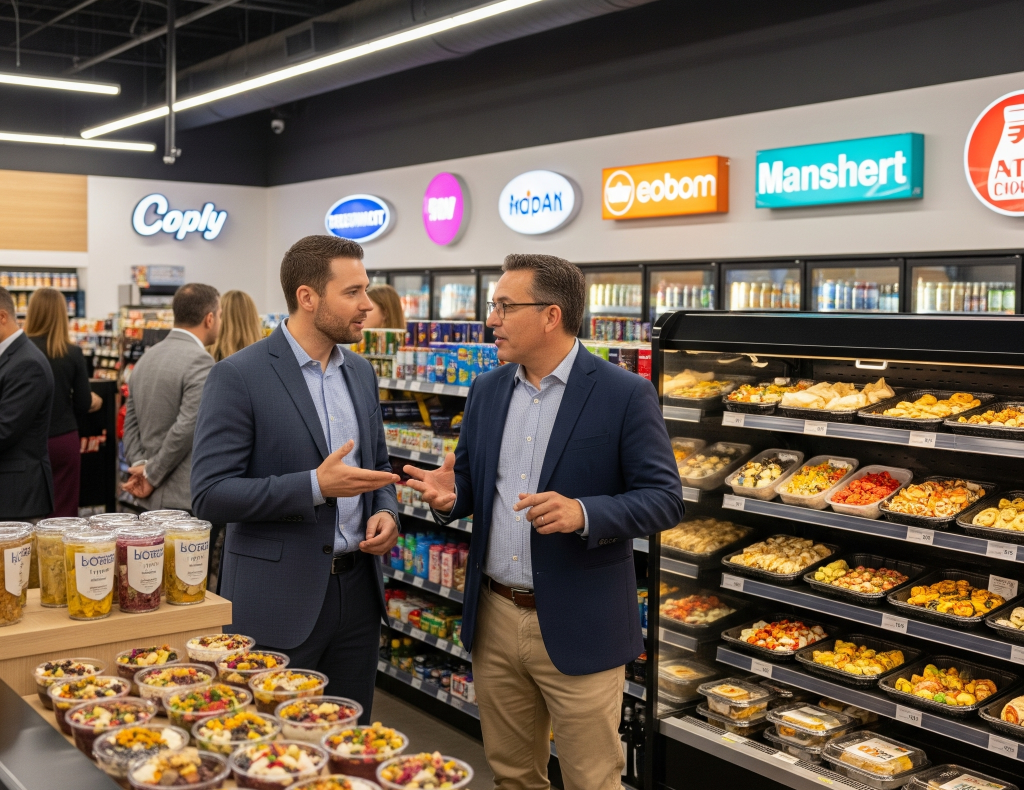
The restaurant industry, particularly in Western nations, is experiencing significant growth, driven by busy lifestyles and increasing reliance on prepared meals. While the initial article focused on broad investment, deeper dives into consumer behavior reveal key trends: a decline in home cooking, a rise in ready-to-eat and delivery options, and a growing demand for convenience, diversity, and experience in food. Importantly, convenience stores are increasingly becoming a primary source for meals and snacks, blurring the lines with quick-service restaurants (QSRs).
Why it matters to you: Your convenience store is no longer just a place for gas and a quick snack. Consumers, especially younger generations, are looking to c-stores to fulfill a wider range of meal occasions. This means a massive opportunity for foodservice growth, but also the need to compete with traditional restaurants on quality and variety.
What you should be doing:
- Embrace Your Role as a Meal Destination: Recognize that many consumers view your store as a viable option for breakfast, lunch, dinner, and critical snacking occasions. Market your foodservice accordingly.
- Expand Fresh and Prepared Food Options: Move beyond “Cokes and smokes.” Invest in fresh sandwiches, salads, hot prepared foods, and even made-to-order items that cater to evolving tastes and health consciousness.
- Focus on Speed and Quality: Convenience is your middle name, but quality drives loyalty. Ensure your prepared foods are consistently fresh, appealing, and served quickly.
- Diversify Your Menu: Explore plant-based options, ethnic fusion flavors, and protein-rich choices to cater to a broader demographic seeking healthier or more adventurous eats.
- Capitalize on Snacking: With consumers snacking more frequently, optimize your snack aisles for variety, healthy options, and impulse purchases.
The Bottom Line
The convenience store industry is dynamic, challenging, and full of opportunity. The news from this past Friday highlights key areas where you, as an owner/operator, can make a significant impact. From adapting to competitive fuel markets and understanding industry consolidation to innovating your foodservice, attracting families, and preparing for the EV revolution, staying informed and proactive is your best defense and offense.
Remember, every challenge is an opportunity in disguise. By thoughtfully analyzing these trends and implementing practical strategies, you’re not just surviving; you’re setting your business up for long-term success and continued growth.


 The5For
Leave a comment