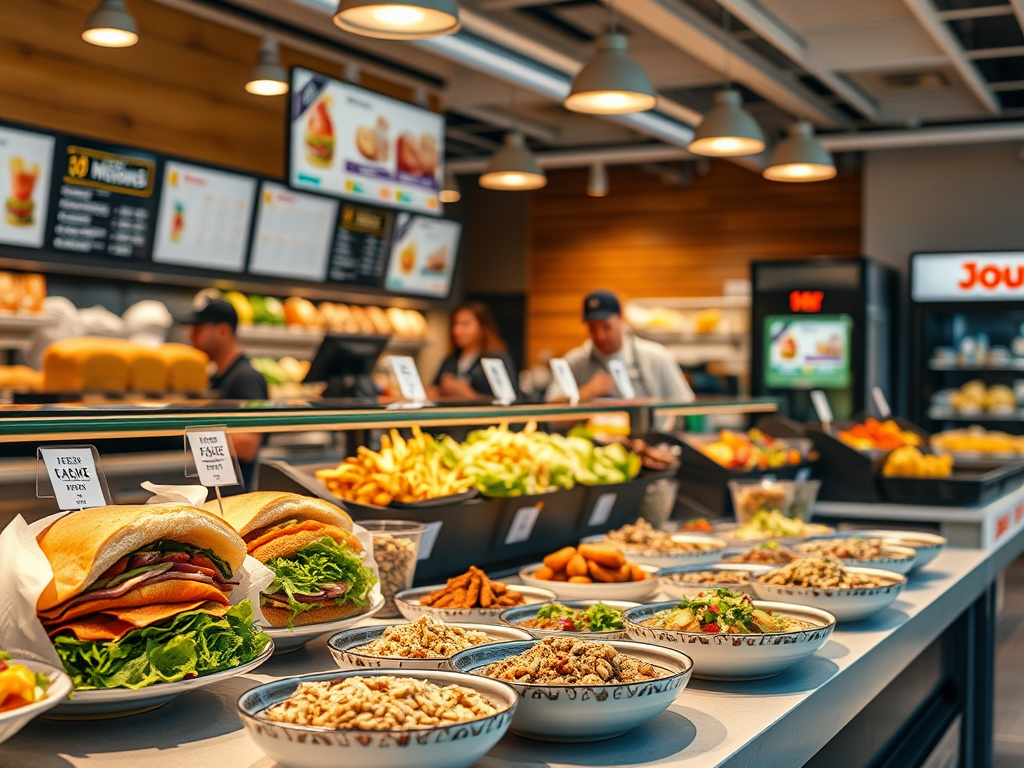
Building on the understanding that the “Groceraunt” revolution demands convenience stores become legitimate food destinations, the cornerstone of this transformation lies in implementing robust Made-to-Order (MTO) programs. This approach, which allows customers to customize their meals, has been a proven model for success for leading convenience store chains and is essential for capturing the evolving consumer demand for fresh, personalized options.
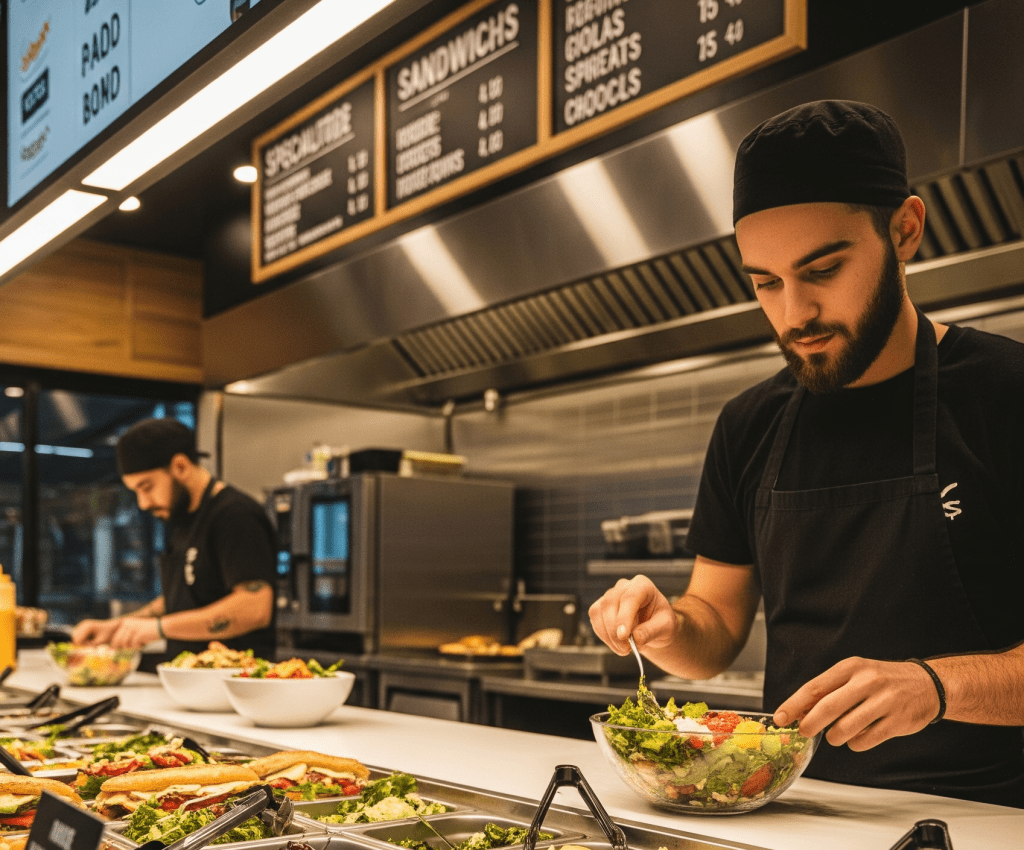
Lessons from the Leaders: Deconstructing MTO Success
Leading convenience store chains like Wawa and Sheetz serve as prime examples of how successful MTO programs can elevate a convenience store into a top-tier foodservice player. Their success stems from a relentless focus on food and beverage quality, offering clear value, ensuring high visit satisfaction, and providing excellent service. These chains have not shied away from significant investment, with Sheetz, for instance, investing $145 million in a new food production and distribution facility to support its proprietary food offerings. This level of commitment underscores the strategic importance they place on their MTO programs.
The widespread adoption of MTO in convenience stores is not a niche trend; it is becoming a mainstream expectation. Data reveals that 85% of U.S. shoppers have already tried made-to-order food at a convenience store, and hot-meal purchases saw a notable increase from 29% in 2024 to 35% in 2025. This indicates that consumers are not only receptive to MTO options in convenience stores but are actively seeking them out, reinforcing its position as a core strategy for growth.
Implementing Your MTO Program: Practical Steps
Successfully launching and scaling an MTO program requires careful planning across several key areas:
Menu Selection
The foundation of any successful MTO program is a well-curated menu. Convenience stores should focus on customizable specialty sandwiches, burgers, fresh salads, and grain bowls, as these items offer the personalization consumers desire [User Query]. To maximize sales efficiency, a strategic mix of both grab-and-go and made-to-order items is often effective. The menu should also embrace current trending items, including health-conscious options, plant-based and vegan dishes, global flavors, functional foods (e.g., probiotic-rich, superfood-infused), clean label products, and high-protein or keto-friendly meals.
A significant trend influencing menu development is the rise of weight loss medications like GLP-1, which has boosted demand for nutrient-dense, low-calorie options that support wellness goals. This presents a clear opportunity to cater to a growing segment of health-aware consumers. Furthermore, menus should balance consumer desires for “excess” (indulgent, larger portions, rich seasonings) with “functional health” and “affordable indulgence” (scaled-down portions, upscale twists on familiar snacks, handheld formats).
While offering variety, it is crucial to simplify the menu to reduce operational complexity, streamline labor training, and minimize inventory sprawl. This is particularly vital for convenience stores, which often operate with leaner staff and limited kitchen space. Simplifying the menu means focusing on a core set of high-quality, high-margin items that can be executed consistently, rather than a sprawling, inefficient list. This approach allows for better quality control and faster service, which are paramount for convenience. Operators should regularly audit their menu using sales and margin data, cutting slow-selling items and redundancies, and reusing existing Stock Keeping Units (SKUs) in different dayparts or formats to maintain variety without overcomplicating operations.
Sourcing Fresh Ingredients
The promise of “fresh” in Made-to-Order cannot be delivered without a reliable supply chain. Convenience stores must identify suppliers who prioritize freshness, meticulously balancing cost-effectiveness with quality. Careful inventory tracking is essential to avoid waste and ensure product availability. Partnering with local suppliers can also reduce transportation costs, support the community, and appeal to consumers who value locally sourced products.
Essential Equipment
Implementing an MTO program necessitates investment in quality kitchen equipment. This includes fryers, ovens, refrigeration units, and dedicated prep stations to ensure food safety and operational efficiency. Crucially, a modern Point-of-Sale (POS) system with integrated capabilities is vital for efficiently tracking sales, managing inventory, and processing orders. It is important to recognize that a serious MTO program extends beyond just kitchen equipment; it often requires significant infrastructure investment. For instance, the inclusion of on-site kitchens demands elevated Mechanical, Electrical, and Plumbing (MEP) services, including additional heat, grease exhaust, piping, and drainage requirements. This highlights that a robust MTO setup is a strategic capital investment requiring careful planning and engineering.
Operational Excellence: Staffing, Training, and Food Safety
The success of an MTO program hinges on efficient operations, which inevitably brings staffing and food safety to the forefront.
Staffing
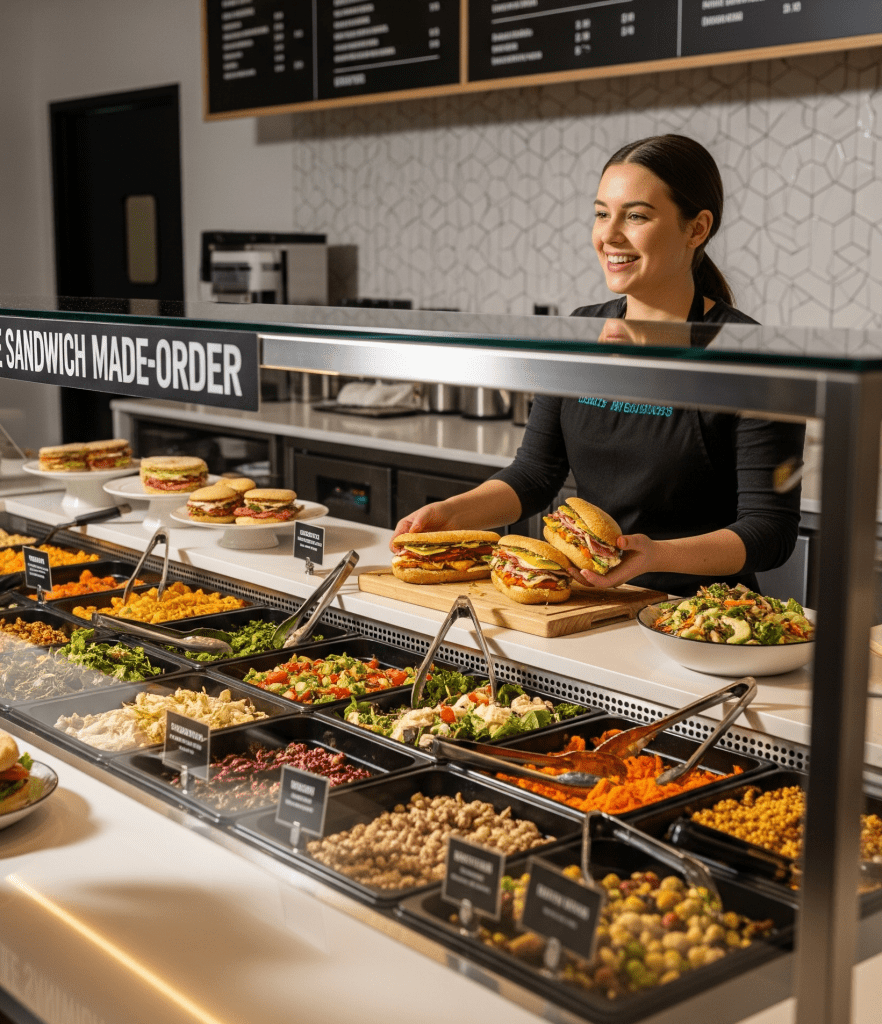
Staffing remains a significant challenge for convenience store operators, with 46% citing it as their top business concern. While MTO programs inherently require more staff for preparation and service, technology can play a crucial role in mitigating labor pressures. This indicates that technology is not just a beneficial addition but a critical solution for scaling foodservice operations without being hampered by staffing shortages.
Training
Comprehensive training for staff in proper food handling is non-negotiable. This includes rigorous protocols to prevent cross-contamination and ensure correct storage of ingredients and prepared foods.
Food Safety
Maintaining stringent food safety standards is paramount for consumer trust and legal compliance. This involves consistently monitoring food temperatures using digital thermometers to ensure hot foods remain hot and cold foods stay cold. Regular inspections and proactive adherence to compliance issues through routine checks are also essential. Investing in automated food safety tools, such as temperature monitoring systems, can further streamline compliance and reduce the potential for human error.
The list below outlines essential equipment and operational considerations for implementing a successful Made-to-Order program.
- Equipment: Fryers, Ovens, Refrigeration, Prep Stations, POS Integration
- Sourcing: Freshness-focused suppliers, Balance cost & quality, Careful inventory tracking, Local sourcing
- Staffing: Address staffing challenges, Train in food handling, Prevent cross-contamination, Ensure proper storage
- Food Safety: Temperature monitoring, Regular inspections, Automated tools
- Menu Strategy: Mix of Grab-and-Go & MTO, Menu simplification, SKU reuse, Balance indulgence & health
The Bottom Line
Order programs is a transformative step for convenience stores aiming to become legitimate food destinations. By strategically selecting menus, meticulously sourcing fresh ingredients, investing in the right equipment, and prioritizing operational excellence in staffing and food safety, convenience stores can build a strong foundation for their “Groceraunt” offerings. The next crucial step involves leveraging technology to amplify this potential, making MTO seamless, efficient, and even more appealing to the modern consumer.


 The5For
Leave a comment