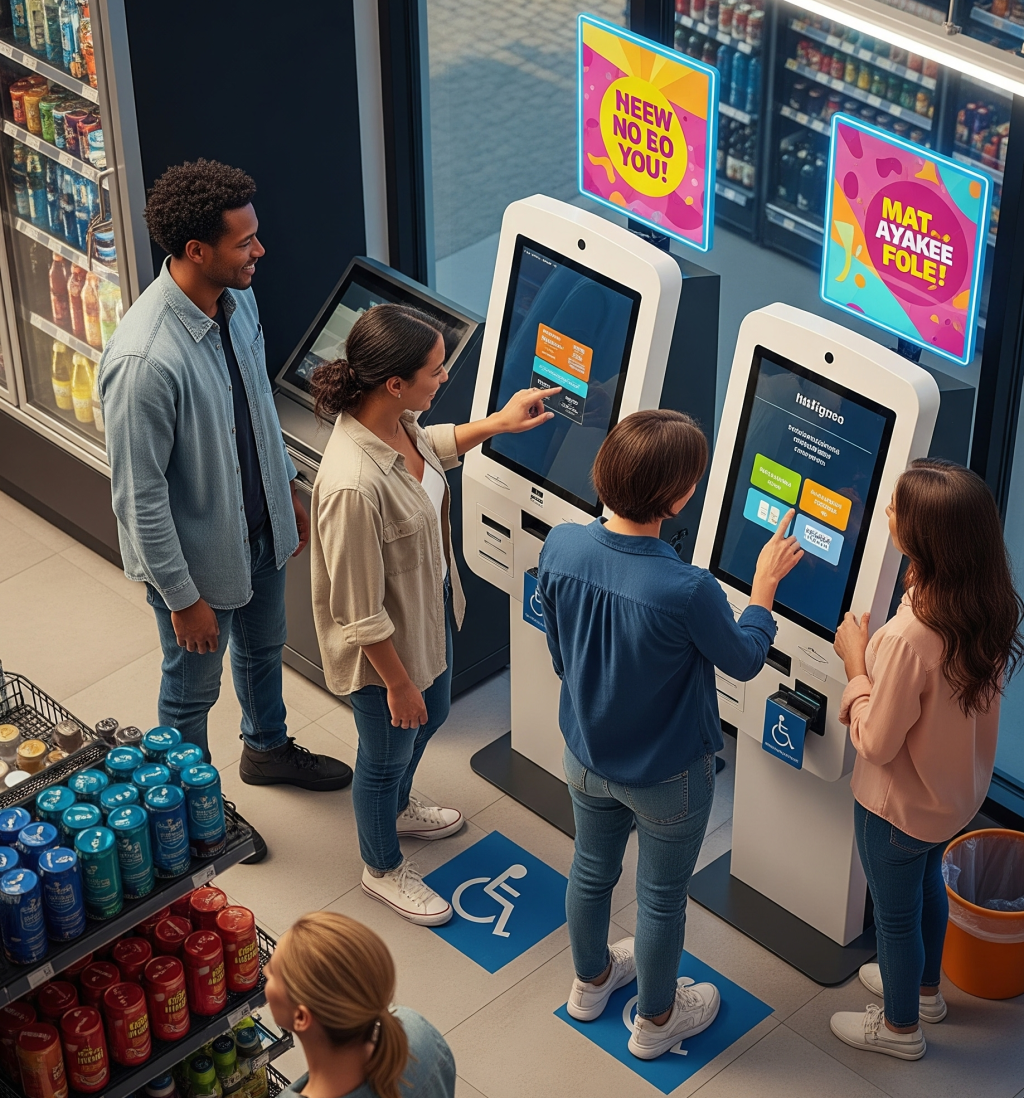
Having established Made-to-Order (MTO) as a cornerstone for convenience store foodservice, the next critical element is technology. Digital tools like self-service kiosks and mobile ordering apps are not merely enhancements; they are indispensable enablers for scaling and optimizing MTO programs, directly playing from the fast-casual restaurant playbook to enhance convenience and efficiency.
Self-Service Kiosks: Speed, Accuracy, and Customer Empowerment
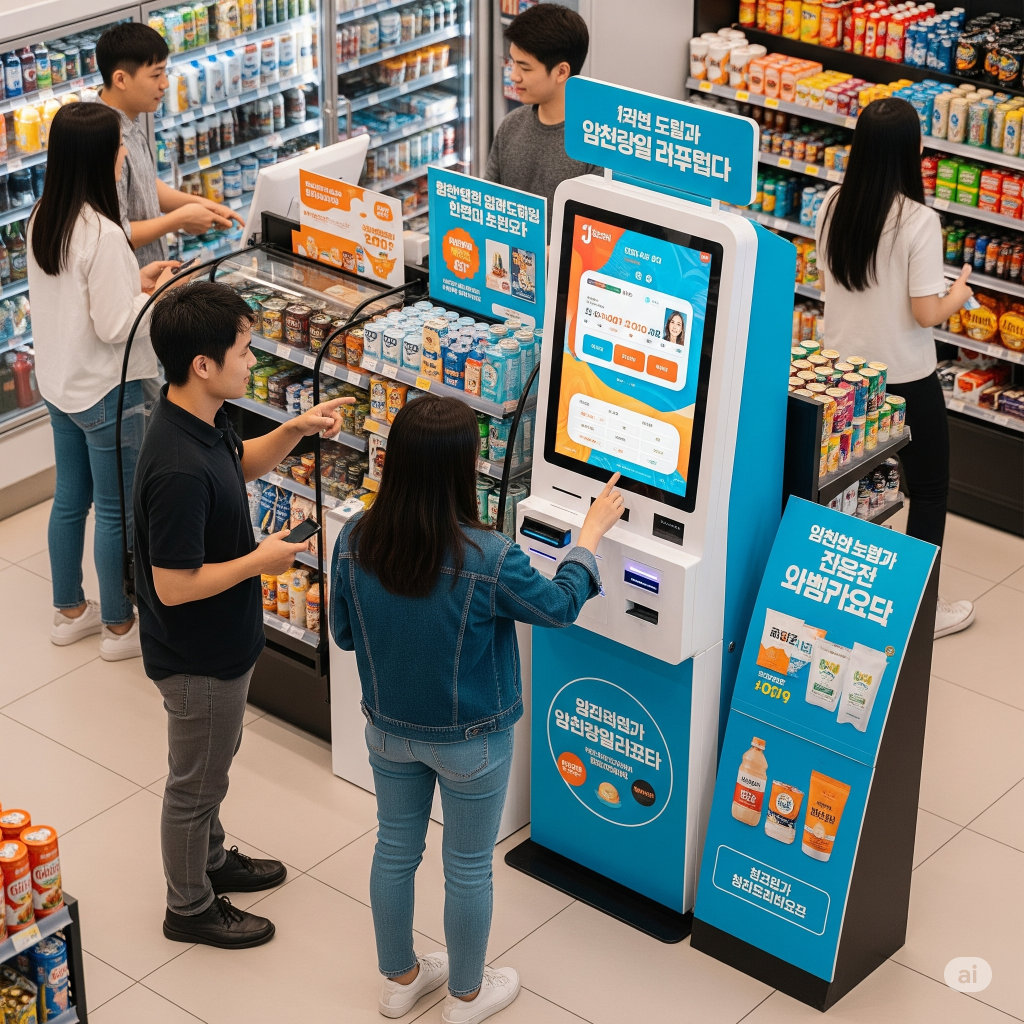
Self-service kiosks significantly increase order accuracy, accelerate service times, and effectively reduce labor pressure, a direct benefit for convenience stores facing staffing challenges. Beyond simple order taking, kiosks can dramatically improve the customer experience. A well-designed kiosk system makes customers feel empowered and comfortable, directly impacting satisfaction and encouraging repeat visits.
- Best Practices for Placement and Visibility: Strategic placement is key to kiosk adoption. Kiosks should be located in high-traffic areas, such as near the deli counter or at store entrances, allowing customers to place orders conveniently without navigating the entire store. The surrounding environment must be ready: bright lighting, high screen brightness, and illuminated scanners ensure the kiosk is noticeable and appears operational from a distance. Kiosks should stand out, avoiding cluttered counters or hidden corners. Deploying multiple kiosks can create a “fleet” effect, signaling a dedicated self-service center and encouraging transactions. Consistent cleanliness is also vital for optimal and safe operation.
- User-Friendliness and Accessibility: Effective communication about the value proposition of kiosks is crucial. Informing customers through e-newsletters and in-store fliers about how kiosks save time and improve their shopping experience can drive adoption. Store staff play a vital role; they should be trained to assist customers, troubleshoot common issues, and understand who to contact for technical support. Furthermore, accessibility is not just a legal requirement but an important aspect of customer experience. Kiosks should be physically accessible (considering height and distance from walls), and their applications should be designed for users with visual or hearing impairments, ideally operable with minimal reliance on color perception, hearing, or manual dexterity.
- Beyond Basic Ordering: Kiosks are more than just order-takers; they are digital sales associates and valuable data collection points. They can be programmed to present consistent cross-sell and upsell promotions, encouraging larger purchases. They also track sales and manage customer queues efficiently. Additionally, kiosks can collect customer information for loyalty programs and marketing campaigns, tracking repeat visits to reward and incentivize frequent patrons. This transforms kiosks into tools for revenue generation and personalized marketing, not just labor-saving devices.
Mobile Ordering Apps: Enhancing Convenience and Loyalty
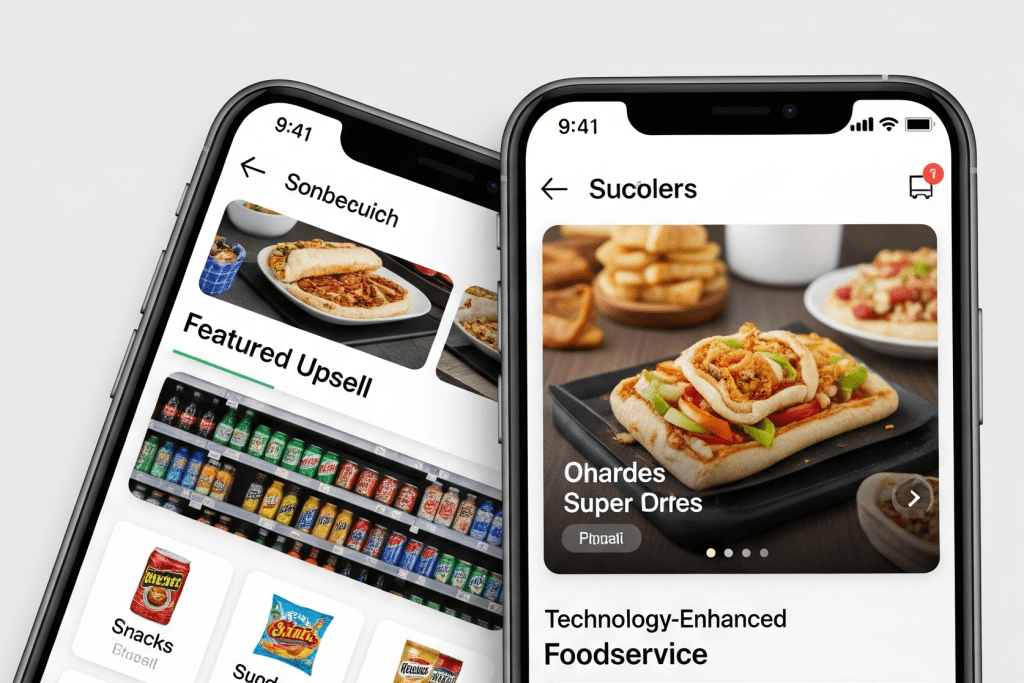
Mobile ordering apps offer unparalleled convenience, allowing customers to place orders ahead for in-store or drive-thru pickup, significantly streamlining the customer journey. The growth of online Consumer Packaged Goods (CPG) sales, which are expanding five times faster than in-store sales, highlights the immense opportunity for food sales in the digital realm.
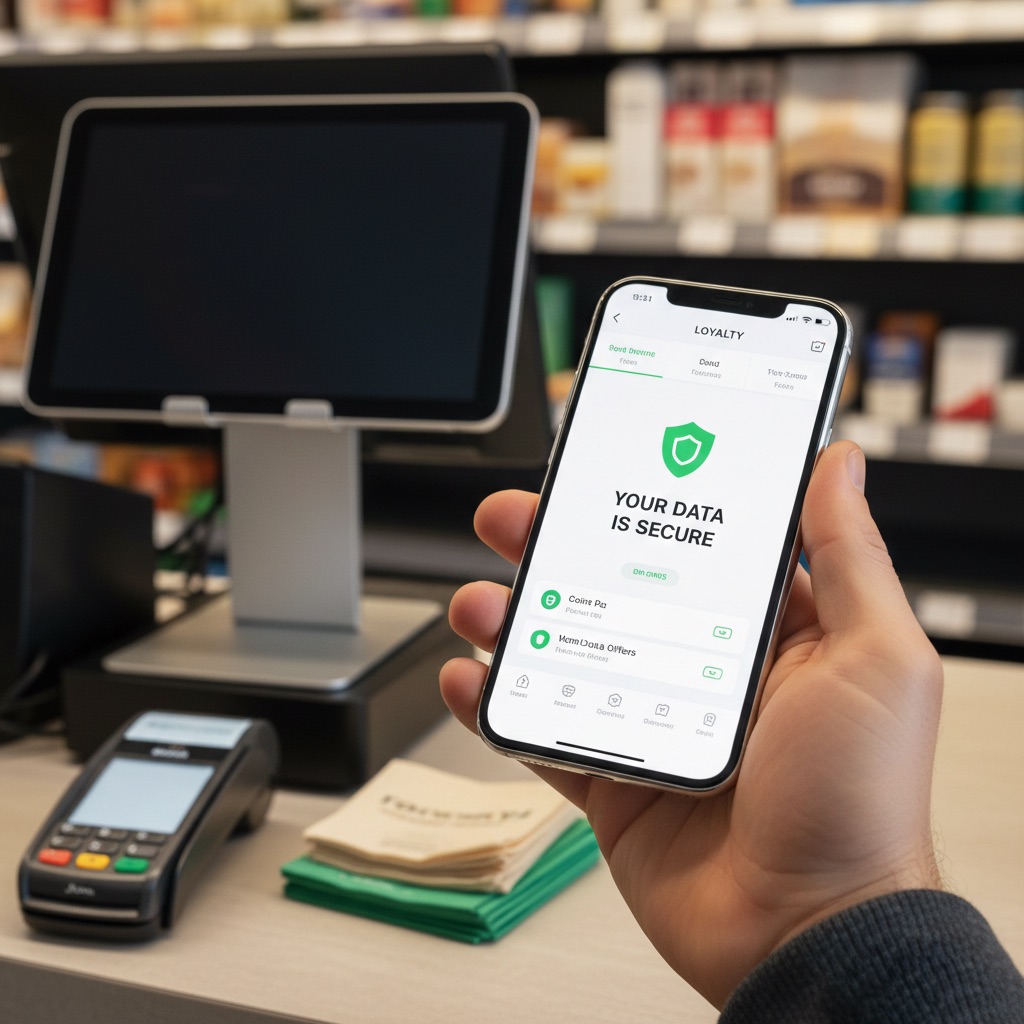
These apps can seamlessly integrate loyalty programs, personalized offers, and real-time discounts, fostering repeat business and deepening customer engagement. Successful examples like 7-Eleven’s 7NOW platform, offering over 3,000 products delivered in 30 minutes or less, demonstrate how digital platforms can directly compete with traditional food delivery services. Wawa’s mobile app also excels in customer convenience, facilitating faster pickups and building fiercely loyal fans.
The physical layout of the convenience store must support these digital offerings. In-store pickup areas for online food or grocery orders, whether shelves or food lockers, should be clearly visible through signage, positioned close to back-of-house access points for easy order drop-off, and located away from queues or egress paths. This ensures a seamless customer experience from app to pickup.
Beyond Ordering: Technology Streamlining Back-End Operations
The digital transformation in convenience stores extends beyond customer-facing tools to critical back-end operations. AI-powered inventory management and personalized loyalty programs are becoming key differentiators in the market. Modern Point-of-Sale (POS) systems are essential for streamlining operations and gathering valuable sales data, enabling data-driven decisions on product stocking and inventory management.
Enterprise Resource Planning (ERP) solutions integrate key business functions like inventory, procurement, and financial management into a single platform. This provides a holistic view and real-time understanding of supply chain operations, streamlining processes, reducing manual errors, and improving overall visibility. The effectiveness of technology is maximized when it is integrated into a single, seamless system rather than disparate tools. This means operators should seek comprehensive solutions that connect front-end ordering with back-end inventory and loyalty, maximizing efficiency and data insights.
The list below provides a practical checklist for implementing self-service kiosks and mobile apps:
- Kiosk Placement: High-traffic areas, Brightly lit, Stand out, “Fleet” effect
- Kiosk Signage: Large, Easy-to-read, On-brand, Avoid placing on kiosk
- Kiosk Accessibility: Physical (height, distance), App (visual/hearing impairments)
- Mobile App Features: Order ahead, Loyalty integration, Personalized offers, Real-time discounts
- Back-End Integration: POS, ERP, Inventory Management, Online Ordering Systems
- Staff Training: How to use kiosks, Troubleshooting, Customer assistance
The Bottom Line
Leveraging technology is not merely an option but a critical necessity for convenience stores to evolve into efficient, customer-centric food destinations. Self-service kiosks and mobile ordering apps streamline operations, enhance customer experience, and provide valuable data for strategic decision-making. With these technological foundations in place, convenience stores are well-positioned to maximize revenue by crafting irresistible meal deals that capitalize on this newfound efficiency. The next discussion will focus on designing these compelling offers to drive value, variety, and volume.


 The5For
Leave a comment