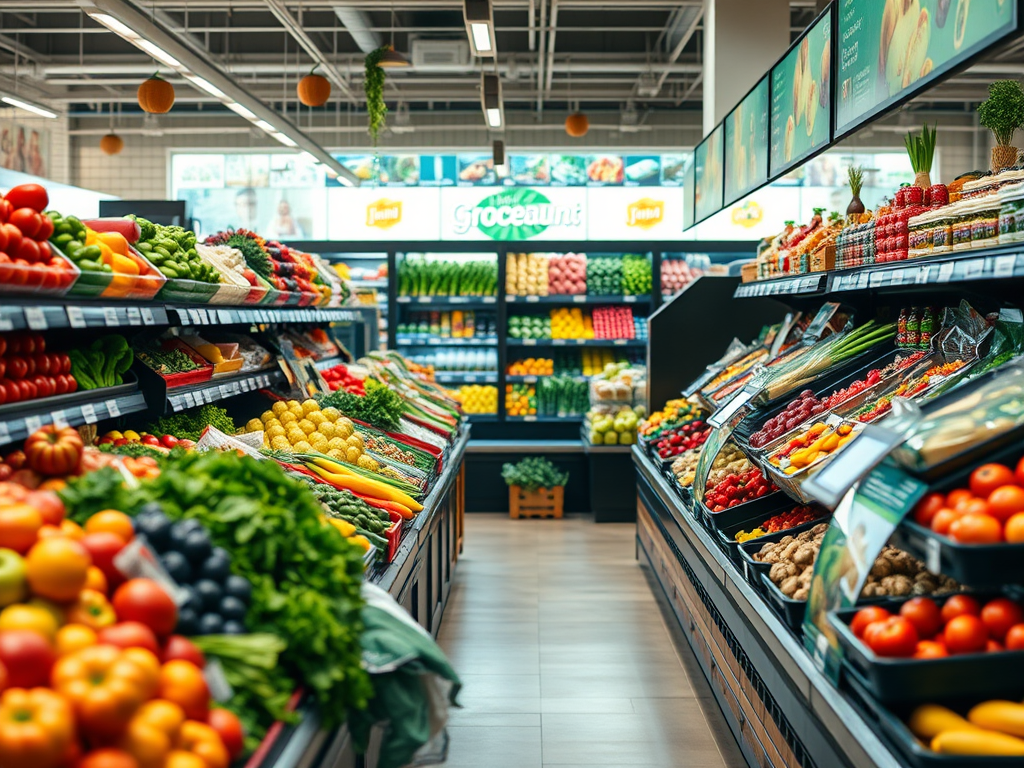
The success of crafting compelling meal deals and delivering on the promise of Made-to-Order food hinges on a foundational element: a robust fresh food supply chain. For convenience stores transforming into “Groceraunts,” ensuring freshness is not merely a logistical detail but paramount for customer satisfaction, brand reputation, and ultimately, profitability.
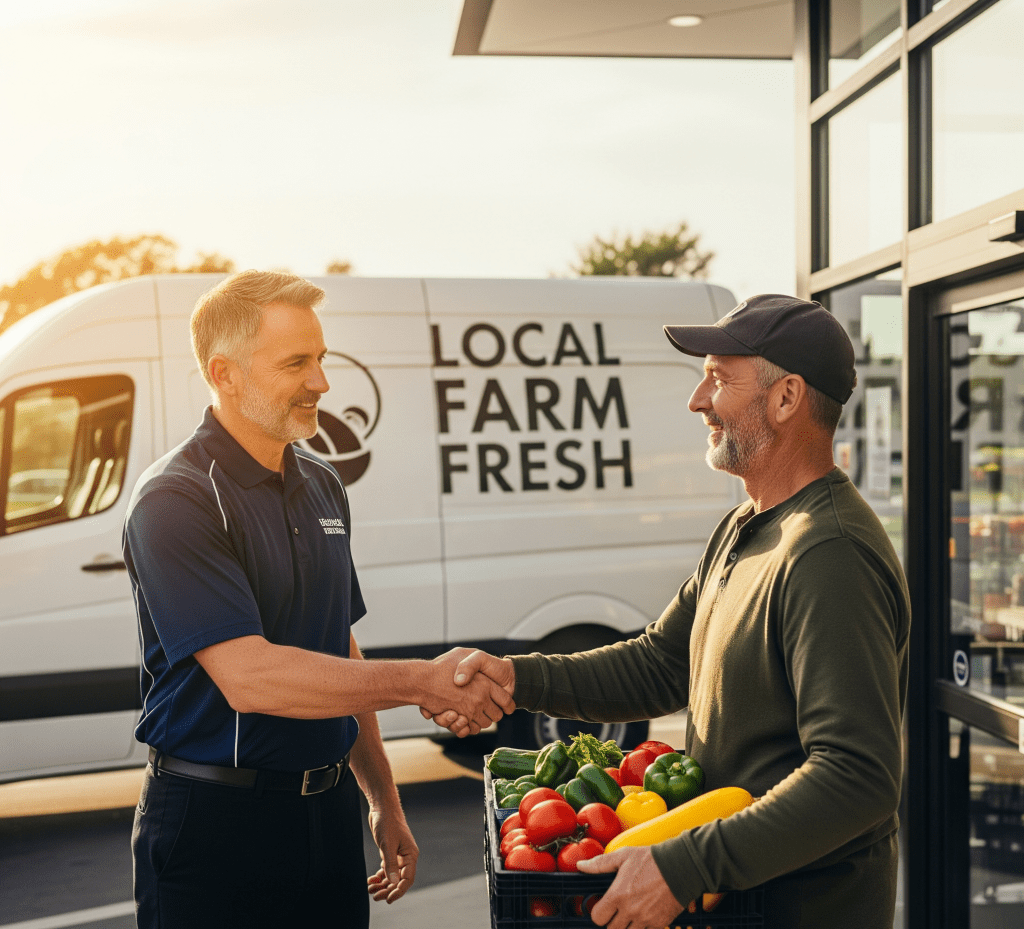
Vendor Partnerships: Building a Foundation of Quality
Building strong relationships with reliable vendors is the first step in establishing a high-quality fresh food supply chain. Convenience stores should select suppliers who consistently meet their needs for quality, delivery speed, and cost-effectiveness. A significant opportunity lies in partnering with local suppliers, which not only reduces transportation costs and carbon footprint but also supports the community and appeals to the growing segment of health-conscious and sustainably-minded consumers. Data indicates that sustainability matters to nearly all consumers, with 95% actively trying to live sustainably. Local sourcing directly aligns with this consumer value, providing a powerful differentiator.
Effective negotiation tactics are also crucial; working with vendors to secure better pricing, favorable payment terms, and discounts for bulk orders can significantly improve cash flow and reduce procurement costs. Furthermore, diversifying the supplier base is a critical risk mitigation strategy, preventing over-reliance on a single vendor and ensuring continuity of supply.

Inventory Intelligence: Minimizing Waste, Maximizing Freshness
Efficient inventory management is central to minimizing waste and maximizing freshness, directly impacting profitability.
- Inventory Forecasting: Leveraging technology to predict future demand based on historical sales data and trends is essential. Accurate forecasting reduces stockouts of popular items and ensures that the right products are available at the right time, preventing both lost sales and excess inventory.
- Stock Rotation (FIFO): Implementing the First In, First Out (FIFO) method for perishable goods, such as hot food items and coffee, is non-negotiable. This practice ensures that older stock is used before newer stock, preventing spoilage and maintaining freshness.
- Real-Time Tracking: Investing in an inventory management system that provides real-time stock levels and automatic reordering alerts is vital. This allows for immediate adjustments to orders based on current demand and prevents unexpected shortages.
- Just-in-Time (JIT) Inventory: A Just-in-Time inventory system, where products are stocked only when needed, significantly reduces excess inventory, minimizes waste, and improves cash flow by reducing capital tied up in unsold goods. This approach is particularly effective for perishable items like fresh food and dairy, as it ensures high inventory turnover, minimizing spoilage and increasing the likelihood of selling items before their expiration date. A proactive supply chain, therefore, directly translates to reduced waste, improved cash flow, and consistent availability, making it a profit enabler rather than just a cost center.
Tech in the Chain: Seamless and Efficient Management
Upgrading from manual tracking methods to advanced technology is crucial for improving accuracy and efficiency across the supply chain.
- POS Systems: Modern Point-of-Sale (POS) systems streamline store operations and collect valuable sales data. This data can be analyzed to understand customer purchase patterns, enabling data-driven decisions on product stocking and inventory management. A POS system centralizes the tracking of pricing, sales, and inventory levels, optimizing the supply chain.
- ERP Solutions: Enterprise Resource Planning (ERP) systems integrate key business functions—such as inventory, procurement, and financial management—into a single platform. This provides a holistic view of the business and a real-time understanding of supply chain operations, streamlining processes, reducing manual errors, and improving overall visibility.
- Online Ordering Systems: These systems expand a store’s reach beyond foot traffic by allowing customers to order convenience store items online for home delivery or in-store pickup. Integrating online ordering with POS and ERP solutions enables seamless order management, customer preference tracking, and inventory optimization.
- Automation and AI: Leveraging Artificial Intelligence (AI) functionalities, particularly for demand forecasting and automated reordering, is highly beneficial. AI-powered demand forecasting predicts future product needs with greater accuracy, while automated reordering ensures optimal stock levels by triggering restocks automatically when inventory reaches a certain threshold. This elevates the discussion on supply chain technology from basic POS to advanced AI-driven solutions, indicating that for convenience stores to truly scale their “Groceraunt” offerings and minimize waste, embracing sophisticated predictive analytics for perishable goods is a competitive necessity.
- IoT Sensors: Internet of Things (IoT) sensors enable real-time monitoring of inventory levels and storage conditions. By tracking temperature-sensitive products and automating restocking alerts, these sensors help prevent stockouts and reduce spoilage of perishable goods.
- Blockchain: Considering blockchain technology for traceability can provide transparent, tamper-proof tracking of products from supplier to shelf. This technology aids in product recalls and quality control by providing an immutable record of transactions, reducing fraud and errors in the supply chain.
The list below summarizes best practices for managing a fresh food supply chain in convenience stores.
- Vendor Management: Local sourcing, Supplier diversity, Negotiation tactics, Quality & delivery speed focus
- Inventory Control: Forecasting, FIFO (First In, First Out), Real-time tracking, Just-in-Time (JIT)
- Technology Integration: POS systems, ERP solutions, Online ordering, AI/Automation, IoT Sensors, Blockchain
- Data Utilization: Analyze customer preferences, Track supplier performance
The Bottom Line
An optimized fresh food supply chain is the indispensable backbone of a successful “Groceraunt” strategy. By building strong vendor partnerships, implementing intelligent inventory management, and embracing advanced technology solutions, convenience stores can ensure the consistent quality and freshness that customers demand. This meticulous attention to the supply chain not only minimizes waste and improves profitability but also enhances the overall customer experience. The next crucial step involves transforming the physical environment of the store to further enhance the perception and enjoyment of these fresh, high-quality food offerings.



 The5For
Leave a comment