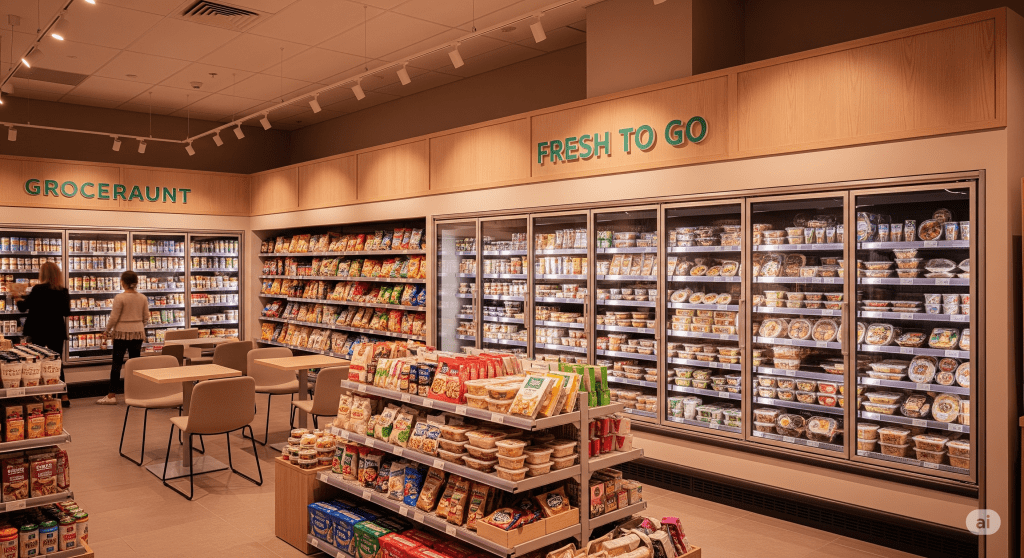
Having established the critical importance of a robust supply chain for delivering quality, the focus now shifts to how the physical environment impacts the customer experience. Transforming a convenience store into a true “Groceraunt” destination requires thoughtful design and ambiance. This goes beyond mere functionality. It creates a space where customers feel comfortable and are encouraged to engage with the food offerings.
Beyond the Transaction: Transforming Your C-Store into a Welcoming Destination
Effective store design is a powerful strategic tool that directly influences sales, customer experience, and loyalty. It ensures effortless traffic flow, minimizing congestion and improving navigation throughout the store. Design also maximizes product visibility, increasing the likelihood of impulse purchases and planned buys. Crucially, it fosters customer comfort, leading to positive impressions and encouraging repeat visits. The trend of convenience stores evolving into “neighborhood markets” with varied seating areas and clean, spacious bathrooms underscores this shift towards creating more inviting environments. The impact of design is quantifiable; for instance, upgrading to LED lighting in grocery stores has been shown to result in a 19% increase in sales.
Sensory Appeal: Engaging All the Senses
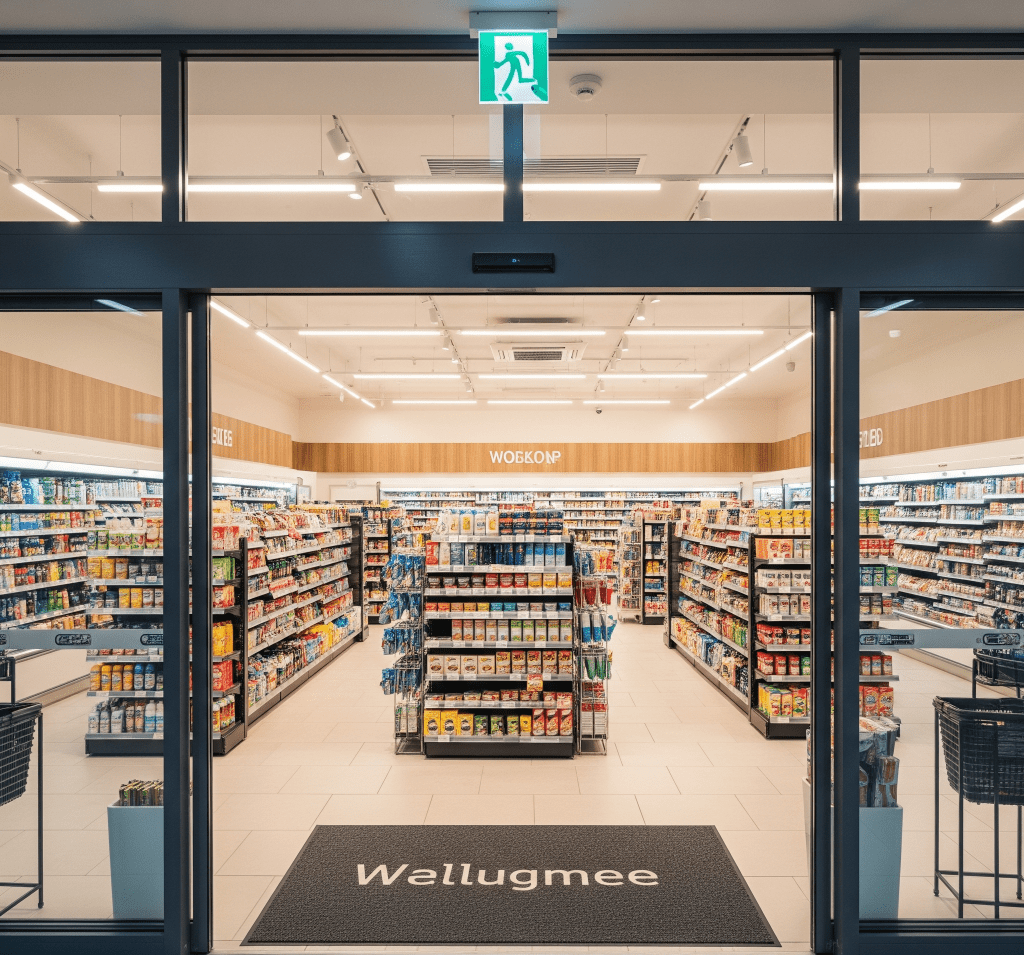
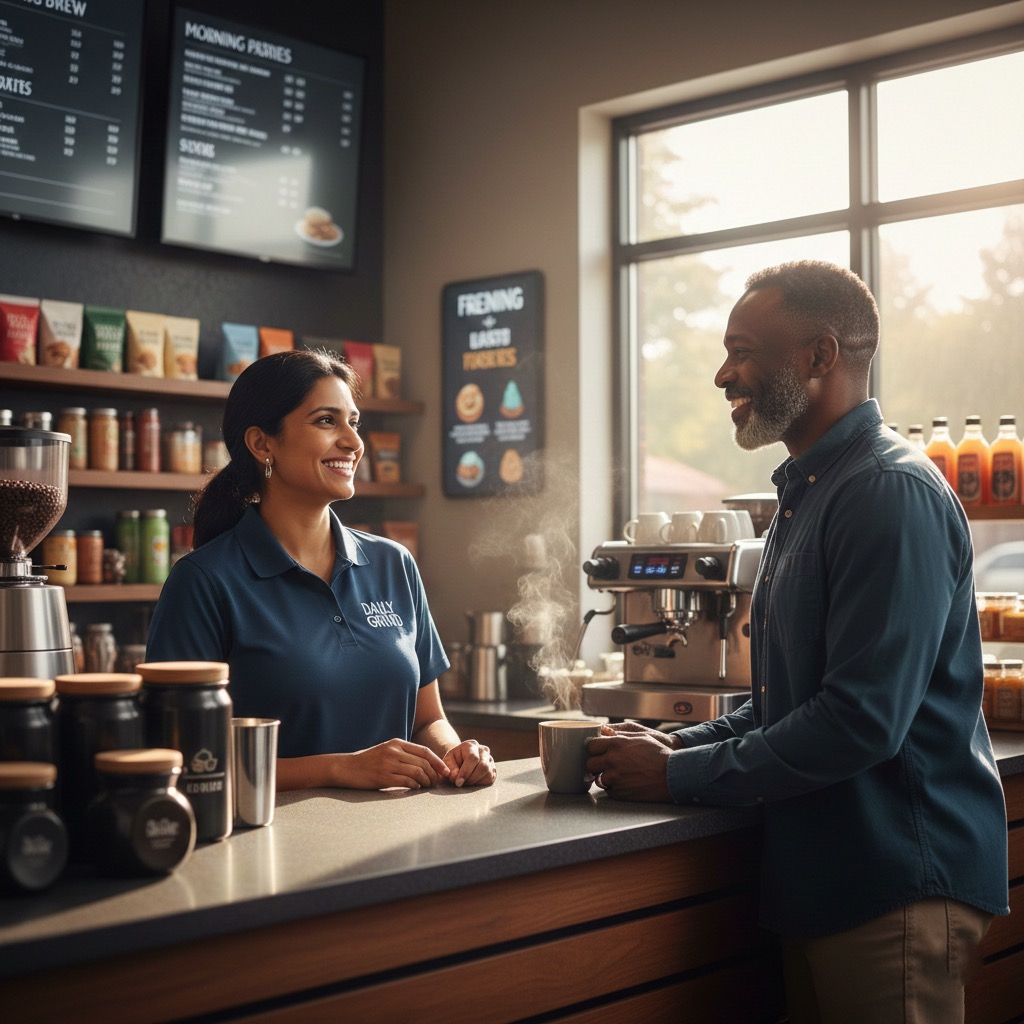
Creating an inviting ambiance involves engaging all five senses, moving beyond basic cleanliness to a truly immersive and appealing atmosphere.
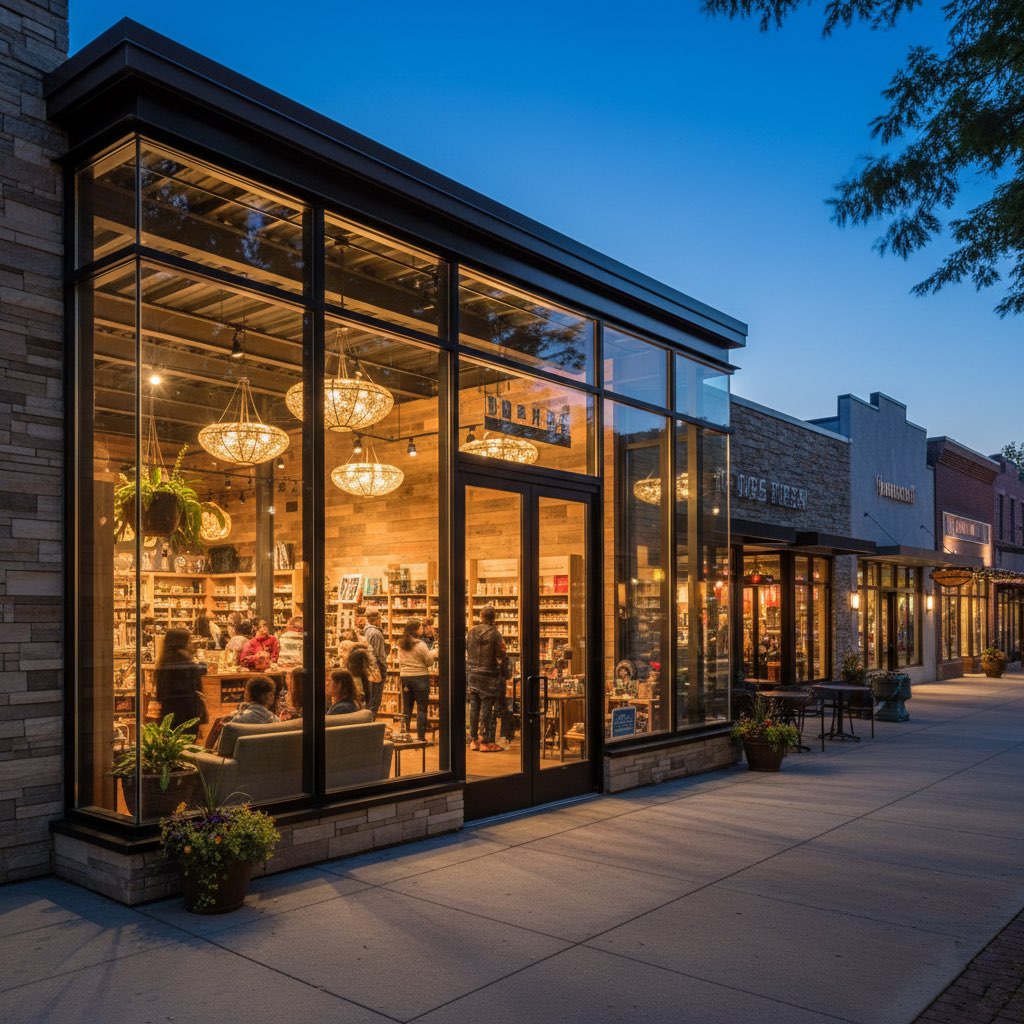
- Lighting: Lighting plays a pivotal role in shaping mood and directing focus. Combine ambient lighting for general illumination. Use task lighting for specific areas like prep stations. Accent lighting highlights displays to create a dynamic and welcoming environment. Warm LED lights can significantly enhance the mood, making the space feel more inviting, while spotlights can effectively highlight food displays, drawing customer attention to the fresh offerings.
- Layout & Visual Merchandising: The store’s layout should be intuitive and guide customers seamlessly through the foodservice area. This includes creating clear and welcoming entry and exit points. Optimizing aisle spacing allows customers to move comfortably while browsing, and organizing shelves with popular products at eye level maximizes visibility. Endcaps and temperature-controlled sections are ideal for highlighting promotions, new arrivals, or seasonal items. Different layout strategies can be employed based on store goals. Use a Grid Layout for organization. A Loop Layout guides customers through the store and increases product exposure. Opt for a Free-Flow Layout for flexibility and discovery. A Herringbone Layout is optimized for long, narrow spaces. Strategic use of color can also influence behavior. Warm tones like red and yellow stimulate appetite. They encourage impulse purchases, making them ideal for snack and beverage sections. Cool tones like blues and greens can create a calming atmosphere for essential items. Highlighting a “Fresh To Go” concept with grab-and-go coolers in central, visible areas can further emphasize the store’s commitment to fresh food.
- Subtle Scents & Sounds: Leveraging the natural aroma of fresh coffee or baked goods is a powerful, organic way to enhance the ambiance. Complementing this with a subtly curated background music playlist can further improve the customer experience without being distracting.
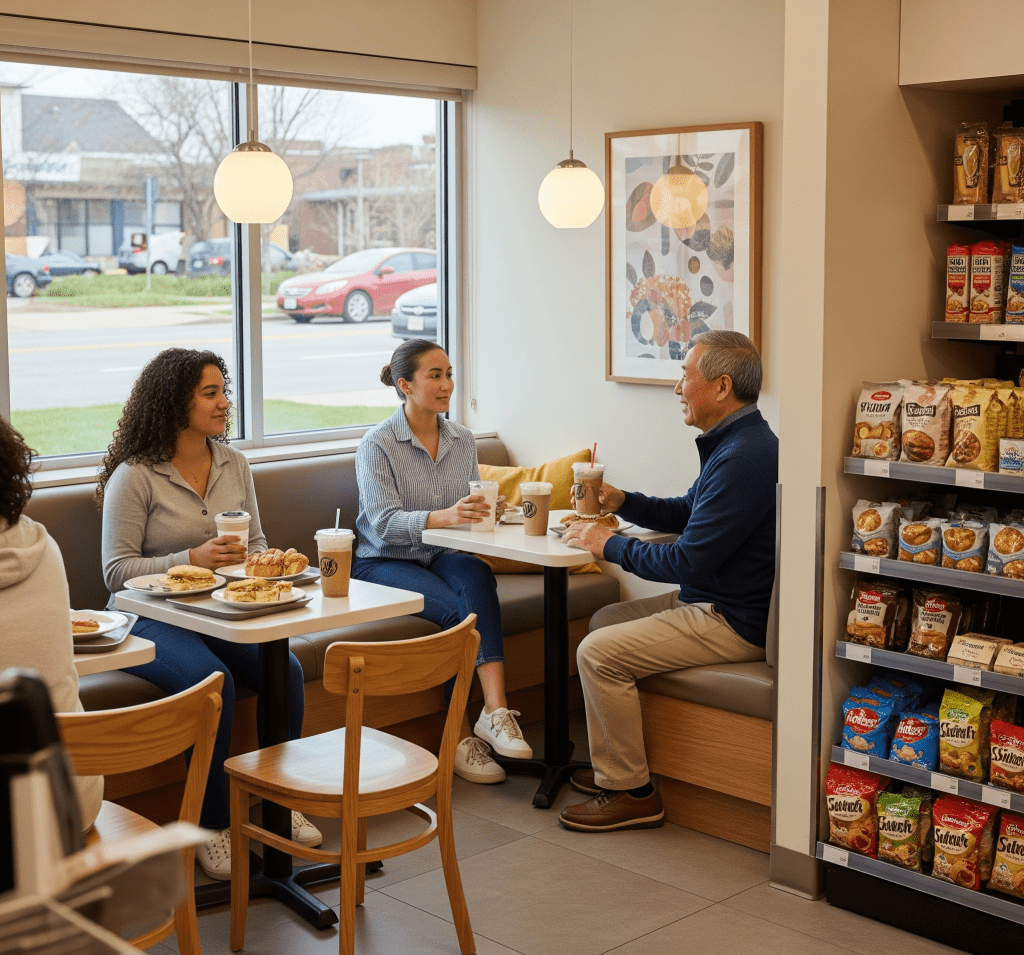
Comfort & Community: Encouraging Lingering and Loyalty
- Seating Areas: Even small seating spaces or cafe-style nooks can make a significant difference. These areas encourage customers to purchase beverages or snacks and enjoy them on-site, fostering a sense of community and relaxation.
- Local Touches: Incorporating wall art, local imagery, or featuring local products can connect the store to its community roots. This connection fosters a sense of belonging and makes the space more memorable.
- Cleanliness & Amenities: Maintaining clean, spacious, and accessible restrooms is fundamental. These amenities offer a sense of convenience, especially for travelers, and contribute significantly to a positive impression and repeat visits.22 Considering site-specific amenities, such as shaded parking in hotter regions or baby-changing stations, further enhances customer comfort.
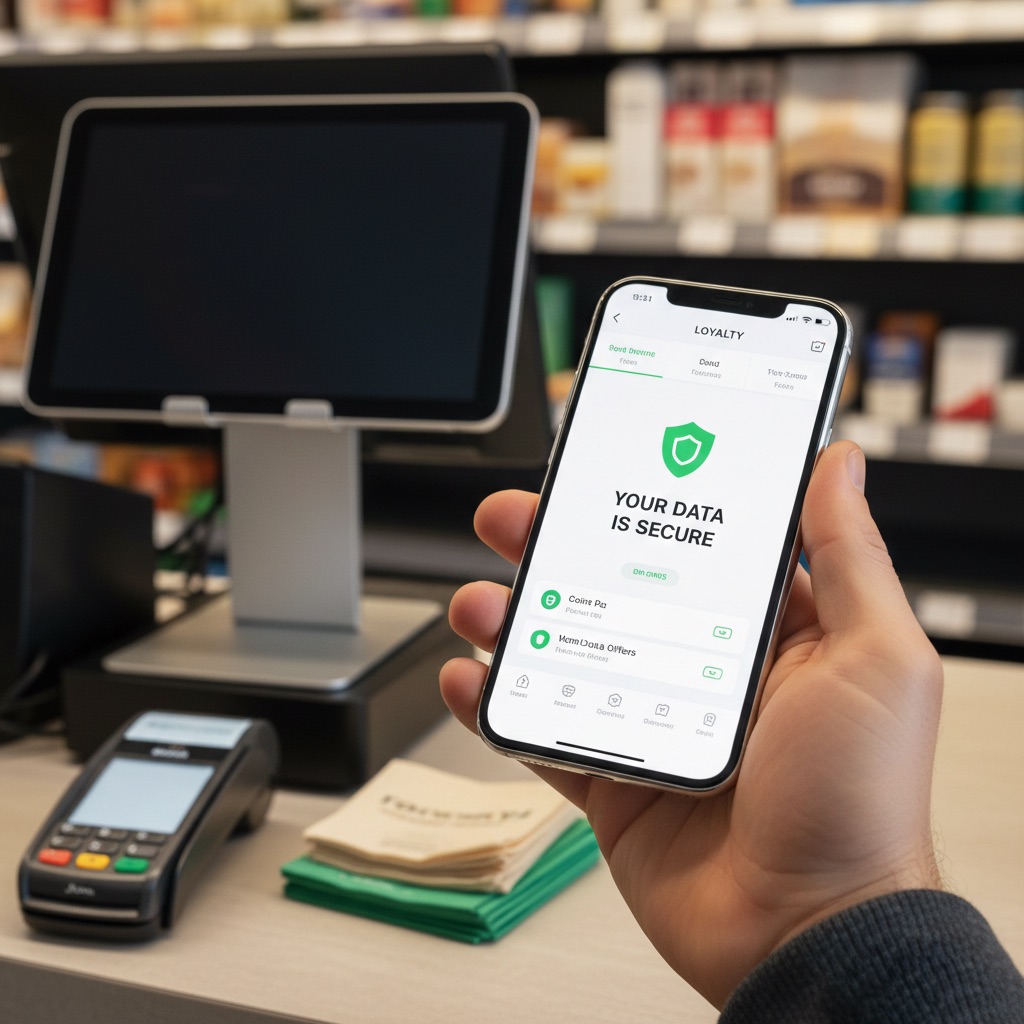
- Brand Identity: All design elements should align with the overall convenience store aesthetic, creating a unified and identifiable brand look. If a convenience store is developing unique, proprietary food offerings, the physical environment should reinforce that distinctiveness, making the space an extension of the food brand itself. This means design choices should reflect the quality and uniqueness of the food being offered. Furthermore, the physical layout must support digital convenience offerings, such as in-store pickup areas for online orders, ensuring they are visible, close to back-of-house access, and away from queues to facilitate a seamless customer journey.
The list below provides actionable design elements for enhancing the ambiance of convenience store foodservice areas.
- Layout & Flow: Welcoming entry/exit, Optimized aisle spacing, Clear pathways, Strategic product placement
- Lighting: Ambient, Task, Accent lighting, LED upgrades, Highlighting food displays
- Color Scheme: Warm tones for food areas (red/yellow), Cool tones for calming areas (blue/green)
- Seating: Small cafe-style nooks, Comfortable seating, Encouraging lingering
- Visual Elements: Wall art, Local imagery, Clear signage, “Fresh To Go” displays
- Sensory Details: Pleasant scents (coffee/baked goods), Curated background music
- Cleanliness & Amenities: Clean restrooms, Baby-changing stations, Shaded parking
The Bottom Line
Thoughtful design and an inviting ambiance are crucial for transforming a convenience store into a compelling food destination. By meticulously considering layout, lighting, sensory details, and comfort elements, convenience store operators can significantly enhance the customer experience. This encourages longer visits and fosters loyalty. With the physical space optimized, the final, crucial step is effectively communicating this transformation to consumers through strategic marketing efforts.

 The5For
Leave a comment