Welcome back, convenience store owner/operators! As we wrap up another week, the industry continues to evolve at a breakneck pace. Staying ahead means not just reacting to changes but understanding the underlying currents that shape our business. This morning, we’ve zeroed in on 5 crucial news items from Friday, June 27th, that offer invaluable insights and actionable strategies for your operations. Think of this as your essential Friday Five — a quick, insightful download designed to keep your finger on the pulse of profitability, operational efficiency, and community engagement.
Let’s dive into what you should be paying attention to right now.
1. Beyond the Roller Grill: Unpacking Couche-Tard’s $800K Weekly Meal Deal Success
Couche-Tard, the parent company of Circle K, is showing strong commitment to its “Fresh Food, Fast” program. Despite general merchandise margins facing headwinds, their fresh food sales are helping to offset declines, with a significant 35% increase in meal deals sold quarter-over-quarter in the U.S., translating to approximately 800,000 weekly meal deals across North America. This isn’t just about selling more food; it’s about making fresh food affordable for price-conscious consumers through initiatives like meal deals, underscoring a strategic shift toward a food-first mentality.
Why It Matters to You: Foodservice is no longer just an amenity; it’s a critical driver of gross margin and customer loyalty in the convenience sector. Couche-Tard’s success highlights that consumers are increasingly looking to c-stores for convenient, affordable, and fresh meal solutions. This trend suggests that a robust foodservice offering can significantly boost your bottom line and differentiate you from competitors. Ignoring this shift means leaving significant revenue on the table.
What You Should Be Doing:
- Invest in Fresh: Evaluate your current fresh food offerings. Are they competitive in terms of quality, variety, and price? Consider expanding grab-and-go options, healthy snacks, and easy meal solutions.
- Embrace Meal Deals: Implement attractive meal deal promotions. Bundling items (e.g., a sandwich, a drink, and a snack) can increase average transaction size and appeal to value-seeking customers.
- Optimize Operations: Investigate technologies that support efficient fresh food preparation and inventory management to minimize spoilage and maximize freshness. Focus on speed and consistency to meet the “fast” expectation.
- Learn from the Leaders: Research other successful foodservice programs in the c-store space and adapt their best practices to your unique market.
More Information: C-Store Dive.
2. Pouring Profits: Why Your C-Store Needs to Elevate Its Beverage Game Now
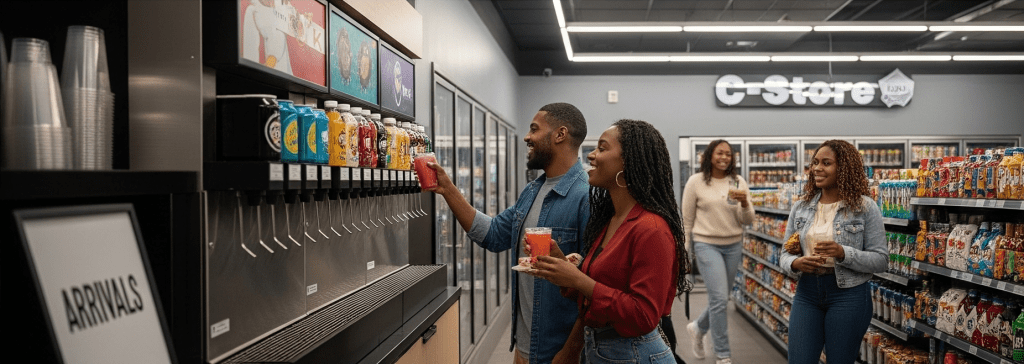
Whataburger is launching “Whatafreshers,” a new line of premium craft beverages, starting with a Prickly Pear Raspberry Whatafresher. This move is part of a broader trend among Quick Service Restaurants (QSRs) like Taco Bell and McDonald’s to expand and innovate their beverage menus, including craft lemonades and enhanced coffee options. This signals a recognition of beverages as a key area for innovation, customer engagement, and revenue growth.
Why It Matters to You: Beverages are a high-margin category for convenience stores, and the QSR market’s focus on premium and innovative drinks signals a shifting consumer palate. Your customers are likely experiencing these enhanced beverage options elsewhere and will begin to expect similar quality and variety in your store. Standing still on your beverage program means falling behind, especially when competitors are actively expanding their offerings.
What You Should Be Doing:
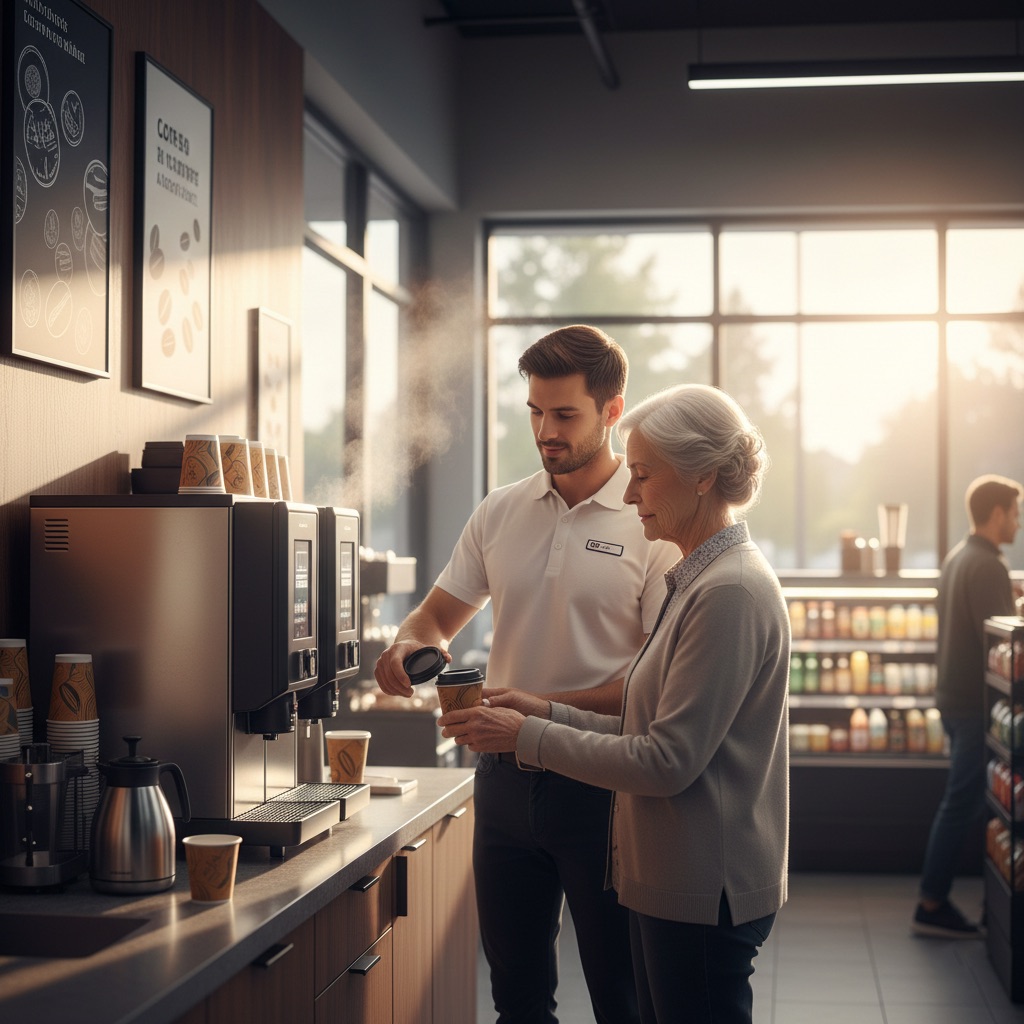
- Elevate Your Beverage Program: Review your current drink selection. Are you offering enough variety, especially in “premium” or “craft” categories like specialty coffees, unique sodas, and fresh juice blends?
- Consider Craft Options: Explore partnerships with local beverage producers or invest in equipment that allows you to offer made-to-order craft drinks, like flavored lemonades or iced teas.
- Promote Innovation: Don’t be afraid to experiment with limited time offers or seasonal beverages to create excitement and test new concepts.
- Focus on Experience: Consider the overall beverage experience, from presentation to speed of service, to match the expectations set by QSRs.
More Information: Restaurant Dive.
3. Beyond Paychecks: Crafting a C-Store Culture That Keeps Your Best Employees
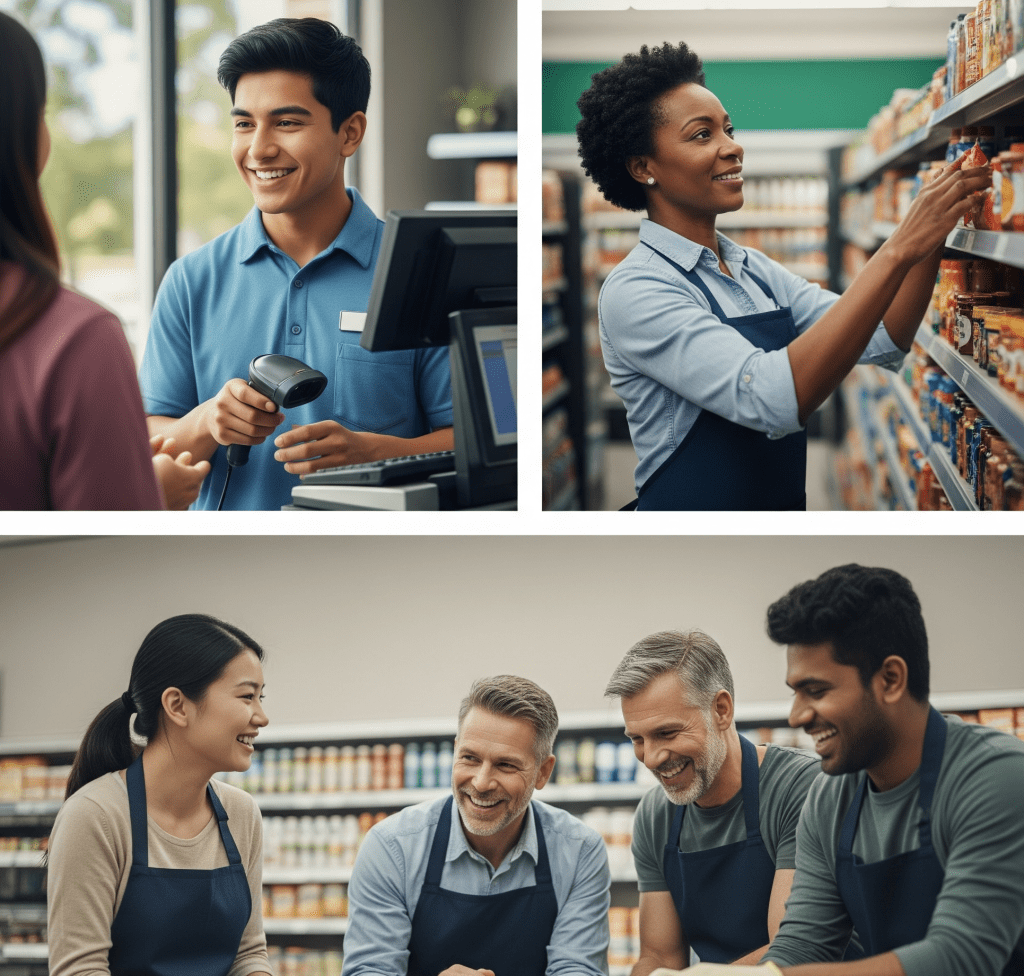
The convenience store industry continues to grapple with significant labor challenges, including nationwide shortages, high turnover, and the increasing cost of attracting and retaining quality employees. Many c-store operators are realizing that a proactive approach is essential, turning to technology for efficiency, offering better incentives, and investing in employee training and career advancement to build a more stable and skilled workforce. The focus is shifting to enhancing the overall employee value proposition.
Why It Matters to You: Your employees are the backbone of your operation. High turnover leads to increased training costs, reduced productivity, and inconsistent customer service, directly impacting your profitability and reputation. In a tight labor market, being an employer of choice isn’t just nice; it’s a necessity for survival and growth.
What You Should Be Doing:
- Review Compensation & Benefits: Benchmark your wages and benefits against local competitors and industry standards. Are you competitive? Consider offering perks beyond just pay, such as flexible scheduling, employee discounts, or health benefits.
- Invest in Training & Development: Provide clear pathways for growth and advancement within your organization. Investing in training not only improves skills but also shows employees you’re committed to their future, boosting morale and retention.
- Leverage Technology: Explore technology solutions that can alleviate labor pressures, such as self-checkout kiosks, automated inventory systems, or even AI-powered scheduling tools to optimize staffing.
- Foster a Positive Culture: Create a work environment where employees feel valued, respected, and heard. Recognition programs, open communication, and team-building activities can significantly improve morale and reduce turnover.
- Rebrand Employment: Work to change perceptions about c-store jobs. Highlight opportunities for growth, community impact, and the essential role employees play.
More Information: CS News.
4. SNAP Decisions: Understanding the Fight Against EBT Processing Fees for C-Stores
Bipartisan legislation, the “Ensuring Fee-Free Benefits Transactions Act” (EBT Act), has been reintroduced to permanently ban electronic benefits transfer (EBT) processing fees in the Supplemental Nutrition Assistance Program (SNAP). This move is strongly supported by organizations like NACS, aiming to protect small and independent retailers from being unfairly penalized for serving SNAP customers and to ensure continued accessibility of SNAP benefits in underserved and rural areas. The previous temporary ban was set to expire, posing a potential new financial burden on retailers.
Why It Matters to You: For many convenience stores, especially those in food deserts or rural areas, SNAP transactions are a vital part of daily business. The introduction of EBT processing fees would directly impact your profitability by adding an unnecessary cost to these essential transactions. Furthermore, it could discourage retailers from participating in the SNAP program, ultimately limiting food access for millions of Americans who rely on these benefits. This legislation directly impacts your operational costs and your ability to serve your community.
What You Should Be Doing:
- Stay Informed: Keep a close eye on the progress of the EBT Act. Understanding legislative developments like this is crucial for anticipating potential impacts on your business.
- Support Advocacy Efforts: Consider joining industry associations like NACS that are actively lobbying for policies beneficial to convenience retailers. Your collective voice can make a difference.
- Assess Impact: If processing fees were to be implemented, understand the potential financial impact on your store and consider how you might adjust operations or pricing (where permissible) to mitigate those costs.
- Communicate with Lawmakers: When opportunities arise, express your concerns about potential EBT processing fees to your local and federal representatives.
More Information: NACS.
5. Local Love, Loyal Customers: Why Community Engagement is Your C-Store’s Secret Weapon
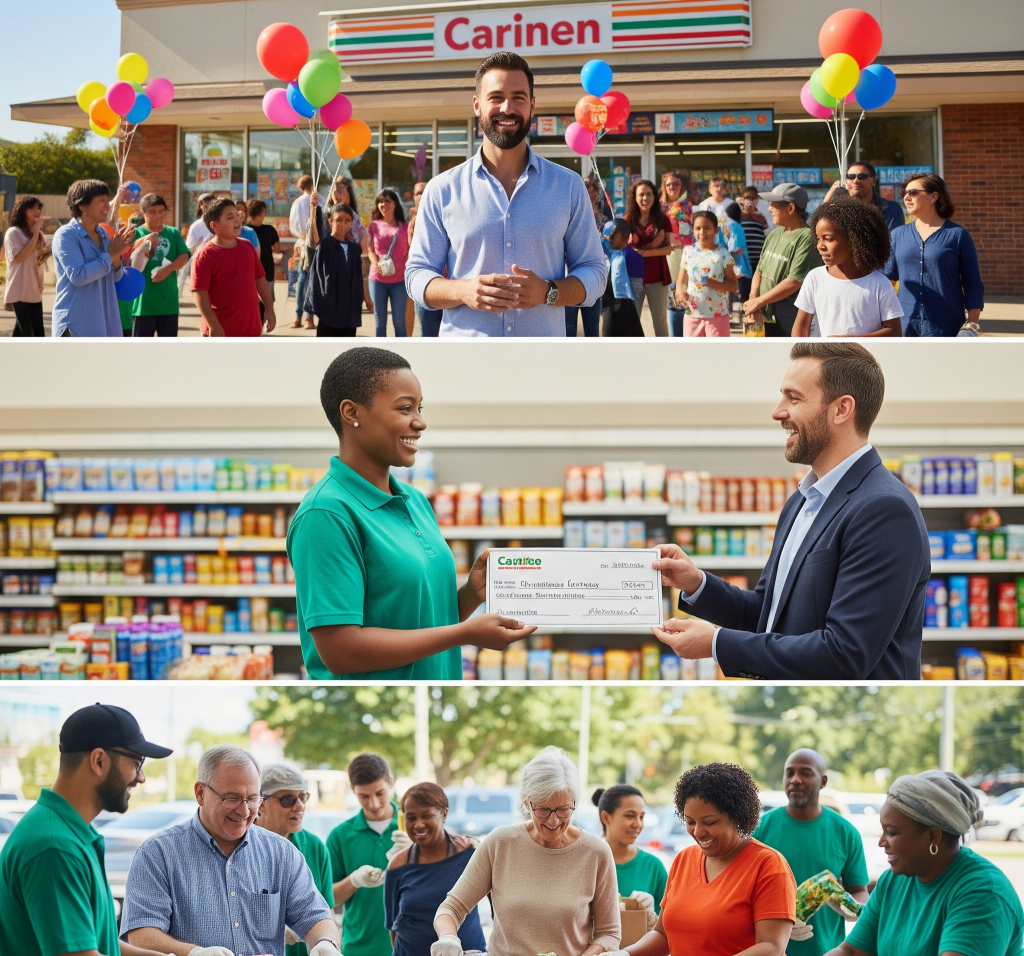
Retailers nationwide are actively supporting their communities through various initiatives. Recent examples include RaceTrac sponsoring the Boys & Girls Clubs of America, Tiger Fuel Company raising funds for local law enforcement, Wawa offering free admission to a museum for Juneteenth, Stewart’s Shops donating to health networks for teaching kitchens, and Citgo supporting hurricane preparedness. This demonstrates a strong commitment to local engagement beyond just sales.
Why It Matters to You: Community involvement is more than just good public relations; it’s a cornerstone of sustainable business growth for convenience stores. Being a responsible and engaged community partner builds goodwill, strengthens local relationships, fosters customer loyalty, and can even attract top talent. In an era where consumers increasingly prefer to support businesses that give back, your community efforts directly translate to a positive brand image and deeper roots in your market.
What You Should Be Doing:
- Identify Local Needs: Research and understand the specific needs and causes important to your immediate community. This could be local schools, food banks, youth sports, or environmental initiatives.
- Get Involved Authentically: Partner with local non-profits or community organizations whose missions align with your values. Participation can range from monetary donations to sponsoring local events, organizing clean-up drives, or hosting fundraisers.
- Encourage Employee Participation: Empower your team to get involved in community initiatives. This not only increases your impact but also boosts employee morale and strengthens your internal culture.
- Communicate Your Efforts: Share your community involvement with your customers through in-store signage, social media, and your blog. Be transparent and genuine about your contributions.
- Build Long-Term Relationships: View community outreach as an ongoing commitment, not a one-off event. Consistent engagement builds lasting trust and loyalty.
More Information: NACS.
The Bottom Line
The convenience store landscape is dynamic, filled with both challenges and immense opportunities. By focusing on strategic foodservice expansion, innovating your beverage offerings, proactively addressing labor challenges, advocating for fair payment policies, and deeply engaging with your community, you’re not just reacting to the market—you’re actively shaping your success. These five insights from the past week underscore that the most successful operators are those who are agile, forward-thinking, and deeply connected to their customers and their communities. Keep these points in mind as you plan your next moves, and here’s to a prosperous week ahead!


 The5For
Leave a comment