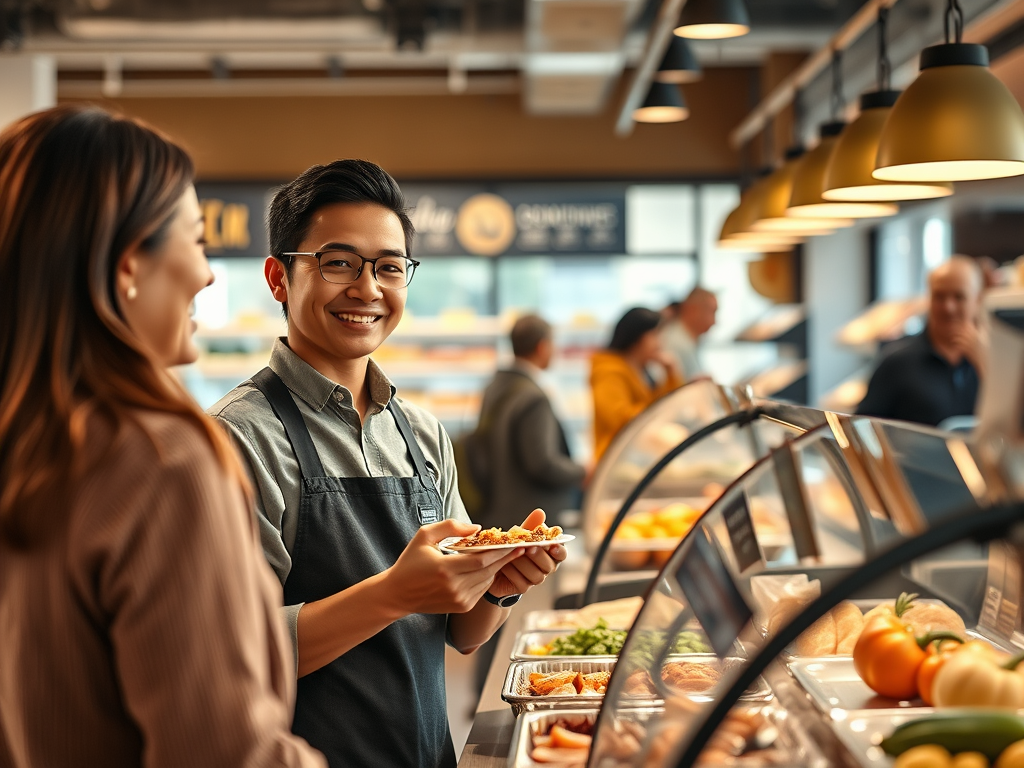
The journey to transforming a convenience store into a thriving “Groceraunt” has involved understanding the blurring retail landscape, mastering Made-to-Order programs, leveraging technology for seamless operations, crafting irresistible meal deals, optimizing the fresh food supply chain, and designing inviting ambiances. The culmination of these efforts, and the final piece of the puzzle, is effectively communicating this comprehensive transformation to consumers. Without robust marketing, even the most innovative foodservice offerings will struggle to gain traction.
Digital Dominance: Reaching Your Audience Online
In today’s digital age, a strong online presence is non-negotiable for any retail business, especially one aiming to become a food destination.
- Search Engine Optimization (SEO): Implementing robust SEO techniques for the store’s website is crucial for online visibility. This includes optimizing Google My Business listings and actively encouraging customer reviews, which significantly impact local search rankings. When customers search for “food near me” or “quick meals,” a well-optimized online presence ensures the convenience store appears prominently.
- Social Media Marketing: Establishing an active presence on platforms like Facebook, Instagram, and TikTok is essential. It is particularly important for attracting younger demographics. These platforms are ideal for sharing updates, promoting daily specials, showcasing engaging content (like behind-the-scenes glimpses of fresh food preparation), running targeted advertising campaigns, and directly engaging with customers through contests or challenges.
- Online Ordering & Mobile Apps: Developing user-friendly websites is essential. Creating mobile apps for seamless online ordering and delivery is a critical convenience factor. Successful examples include 7-Eleven’s 7NOW platform, which offers thousands of products delivered quickly. Wawa’s well-designed mobile app also highlights how digital ordering enhances customer convenience and loyalty. This integrated approach means that no single strategy operates in isolation; for a convenience store to become a food destination, it must leverage all available channels in a cohesive, integrated manner, ensuring synergy between different marketing efforts to create a powerful, unified message.
- Email Marketing: Implementing targeted email marketing campaigns is effective for reaching existing customers. These campaigns can promote loyalty programs, announce new menu items, and deliver personalized offers based on past purchase history, fostering repeat business and deepening customer relationships.
Local Love: Building Community Connections
While digital marketing is vital, local, community-focused strategies remain incredibly effective for convenience stores.
- Local Advertising: Utilizing traditional local advertising channels such as print, radio, billboards, fliers, and coupons can effectively reach the immediate community.
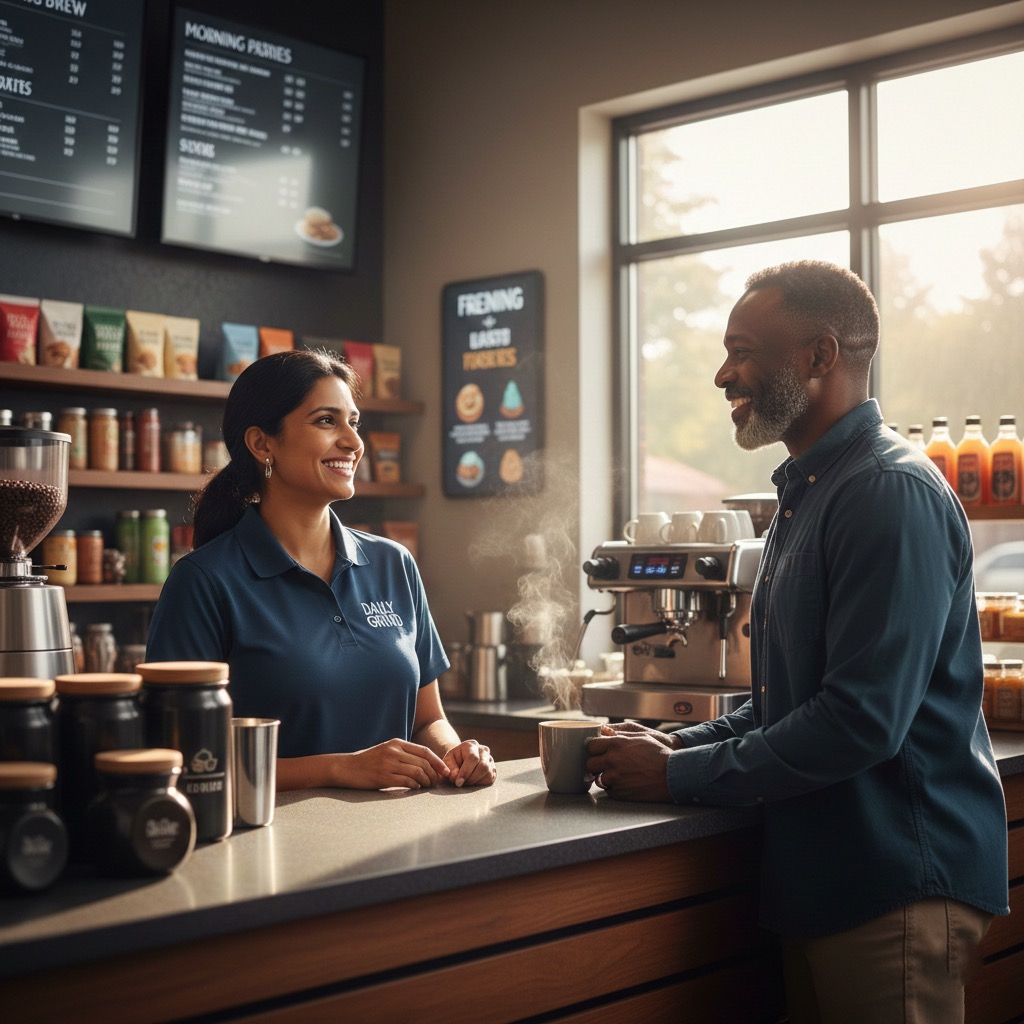
- Partnerships & Sponsorships: Forming strategic partnerships with nearby businesses, such as local farms for fresh ingredient sourcing or gas stations (if the convenience store is not co-located), can expand reach and offer bundled value. Sponsoring local events or youth sports teams builds brand awareness and establishes a positive reputation within the community. This approach transforms the convenience store into a community hub, fostering a sense of belonging and making it a preferred choice for local residents.
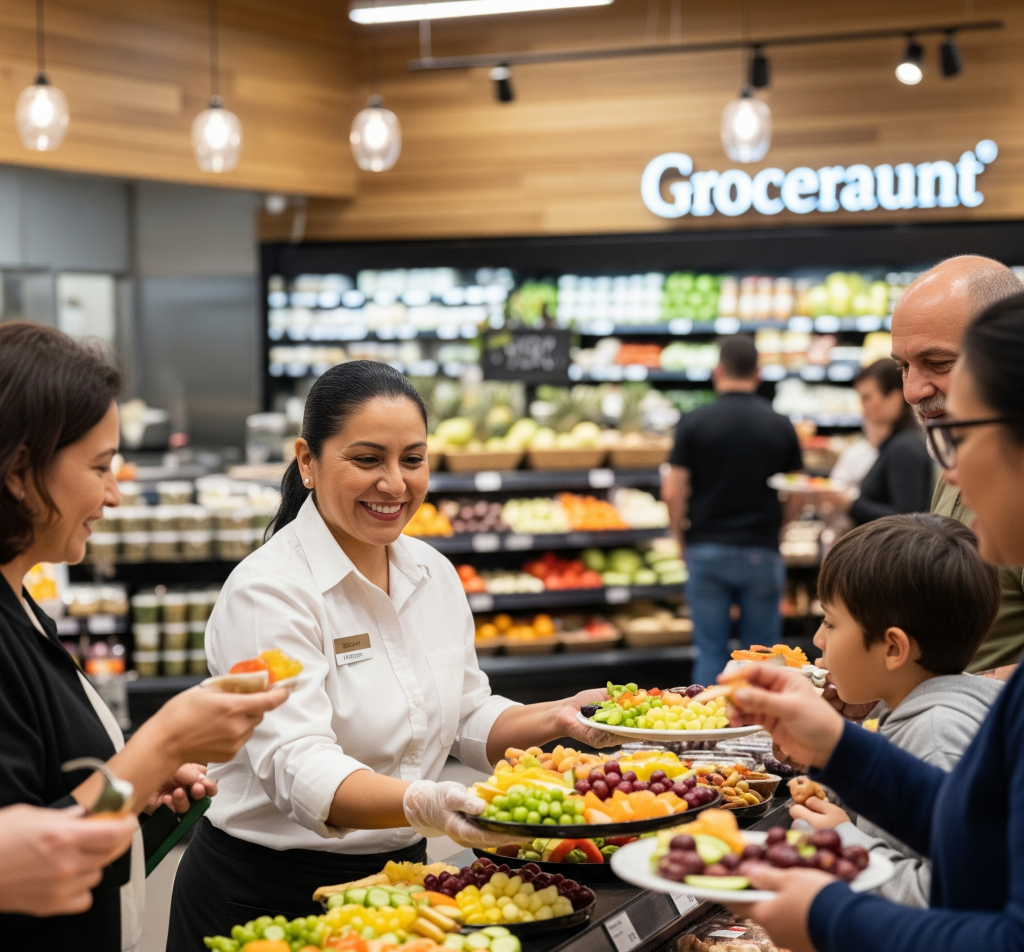
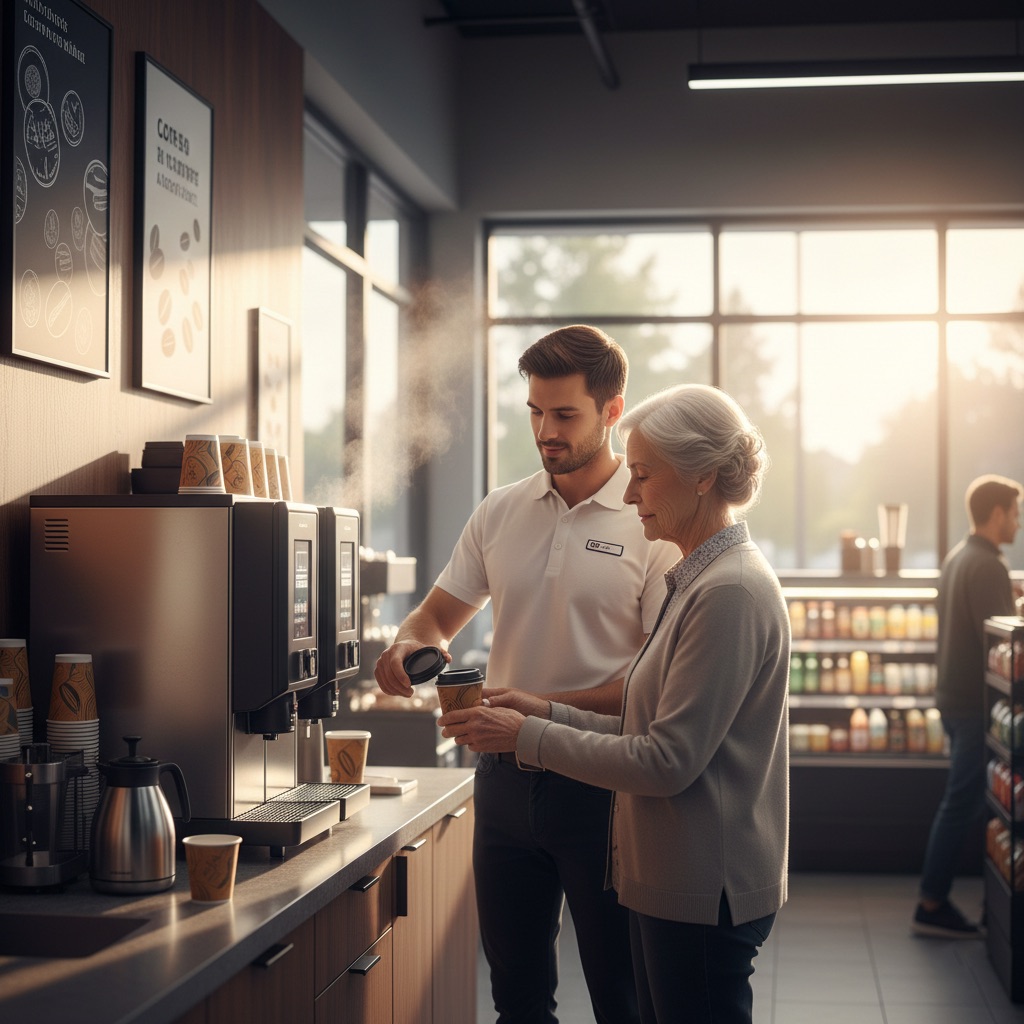
- Community Involvement & In-Store Sampling: Active community involvement, such as sponsoring local charities, reinforces the store’s positive image. Providing free samples of new or popular foodservice items in-store encourages trial and potential purchases, allowing customers to experience the quality firsthand.
Building Lasting Loyalty: Programs and Personalization
Loyalty programs are indispensable for incentivizing repeat visits and transforming one-time shoppers into dedicated patrons.
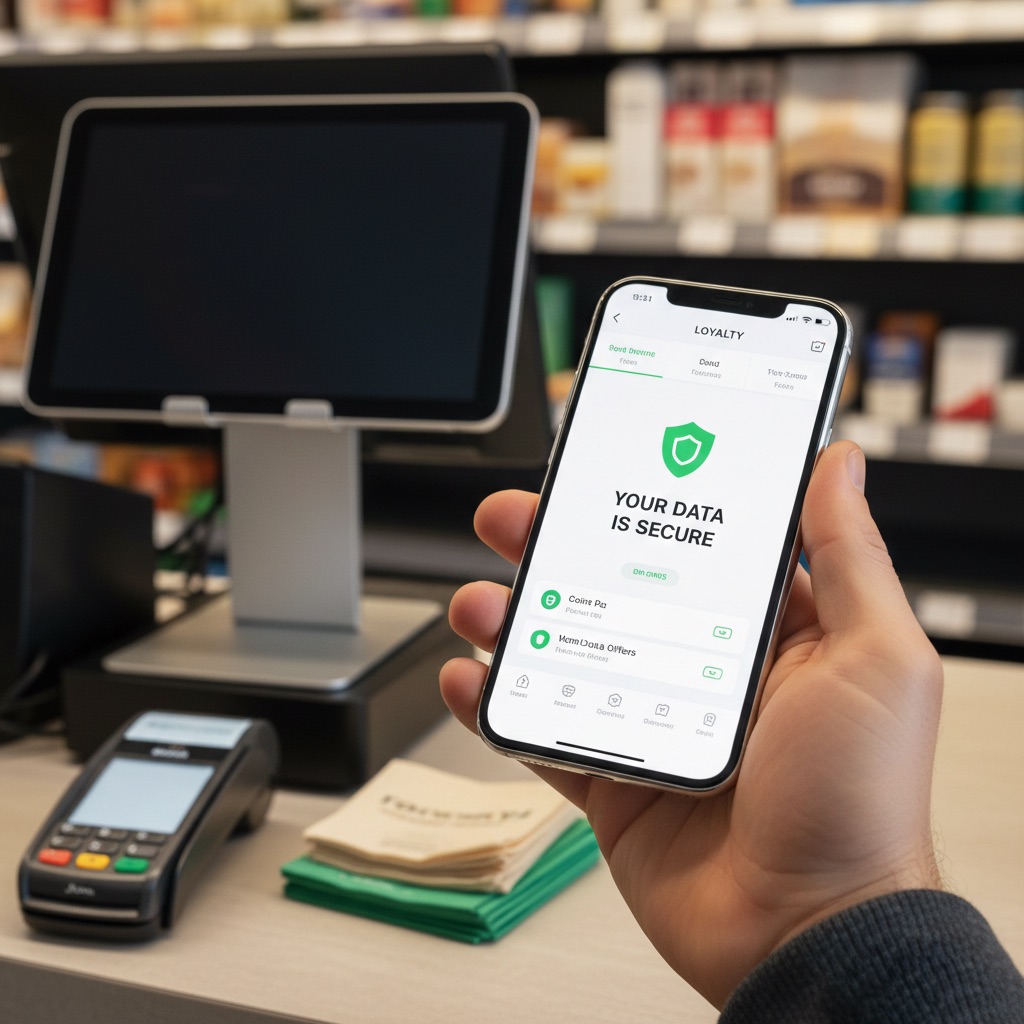
- Loyalty Programs: Implementing rewards programs or punch card systems encourages customer loyalty. Successful models like 7-Eleven’s 7Rewards and Wawa’s loyalty program offer personalized rewards. They provide bonus points for specific purchases and exclusive deals. These incentives effectively encourage customers to choose them over competitors.
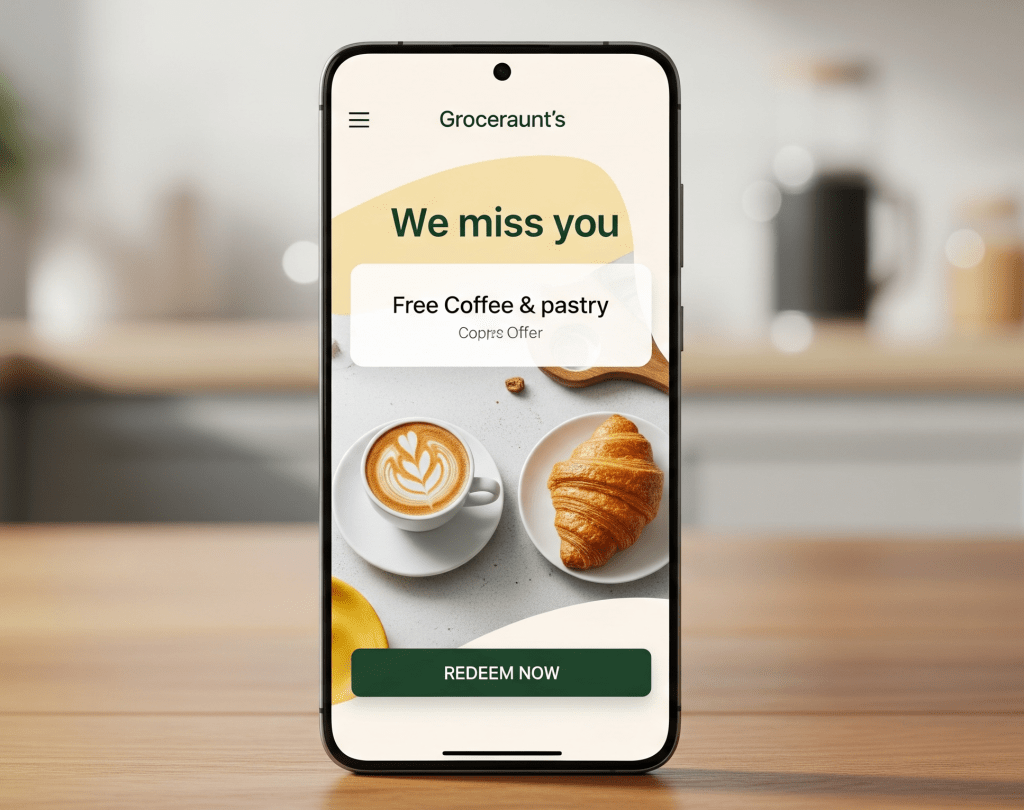
- Data Analytics and Personalized Messaging: These programs are powered by data analytics. This allows stores to understand customer preferences. It helps in tailoring offers accordingly. Utilizing customer data and purchase history to send personalized messages and recommendations, such as “we miss you” offers or birthday rewards, can significantly increase customer spend and engagement. This demonstrates that loyalty programs are not just discount schemes but data-driven engines for customer retention and increased lifetime value.
Positioning Your “Groceraunt”: Differentiating in a Crowded Market
Effective marketing also involves clearly defining and communicating the unique value proposition of the convenience store’s foodservice offerings.
- Value-Centric Marketing: Emphasizing the core “why” behind the offerings is crucial. Providing the best products at competitive prices attracts customers. Creating a welcoming atmosphere also attracts those who resonate with the store’s mission.
- Price Positioning: Offering competitive pricing can attract price-conscious consumers. Value-focused deals, especially leveraging the convenience store’s inherent price advantage over QSRs, strengthen this appeal.
- Convenience Factor: Highlighting the store’s convenient location, extended hours, and delivery/pickup options reinforces its primary appeal.
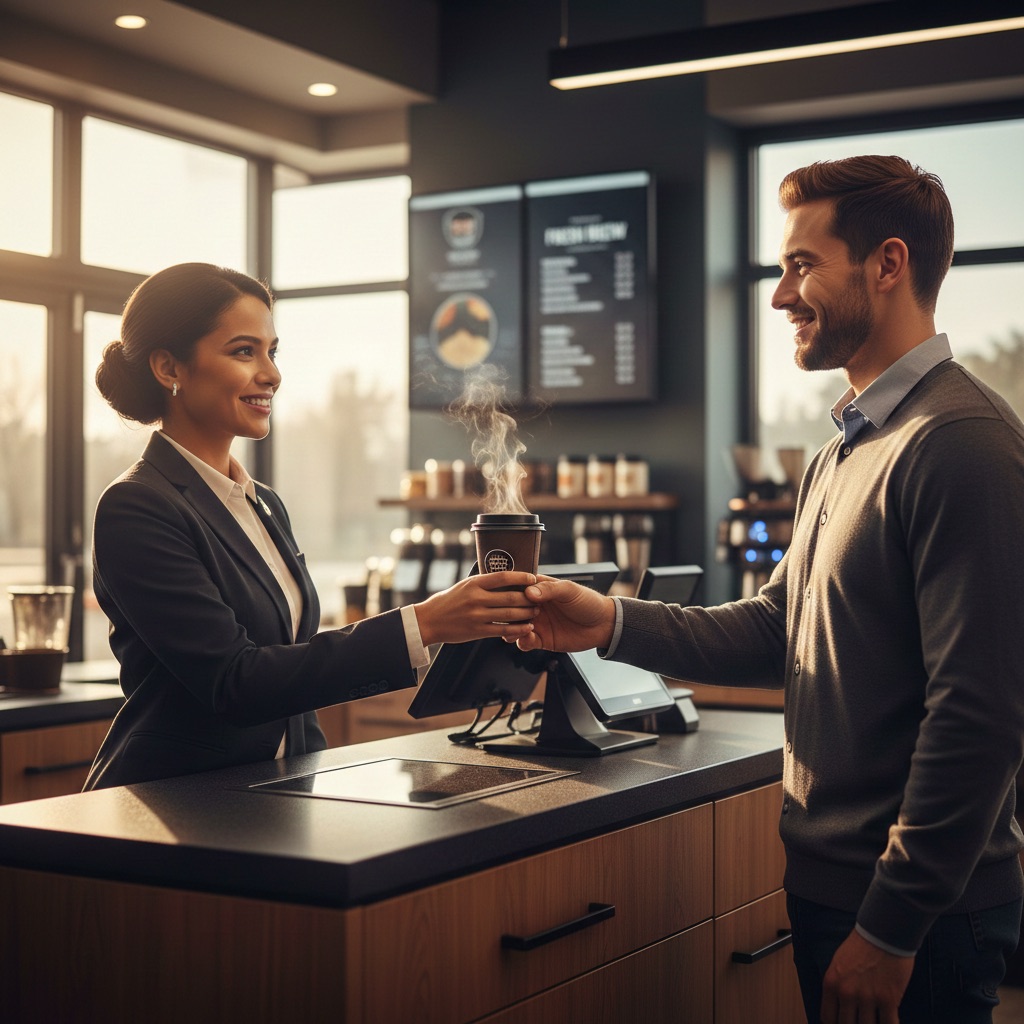
- Customer Service & High-Quality Offerings: Providing exceptional customer service and a welcoming atmosphere, alongside positioning the store as a purveyor of premium, high-quality products, builds trust and appeals to customers seeking an elevated experience.
- Product Selection & Targeted Offerings: Specializing in a specific niche or offering a unique product range (e.g., gourmet snacks, local products, organic options) can differentiate the store. Tailoring product selection, pricing, and promotions to specific customer demographics (e.g., college students, families) ensures offerings meet unique needs.
The Bottom Line
The “Groceraunt” revolution represents a transformative era for convenience stores, demanding a strategic pivot from traditional offerings to upgraded foodservice. This journey is comprehensive. It includes mastering Made-to-Order programs and leveraging cutting-edge technology. Additionally, it involves optimizing the supply chain, designing inviting spaces, and executing powerful marketing strategies. These efforts empower convenience store owner/operators to become legitimate food destinations. By embracing these actionable insights, convenience stores can thrive in a competitive landscape. They can also redefine their role as essential community hubs. These stores offer unparalleled convenience, quality, and value in the evolving world of food retail. The future of convenience is delicious, and it’s ready to be served.


 The5For
Leave a comment