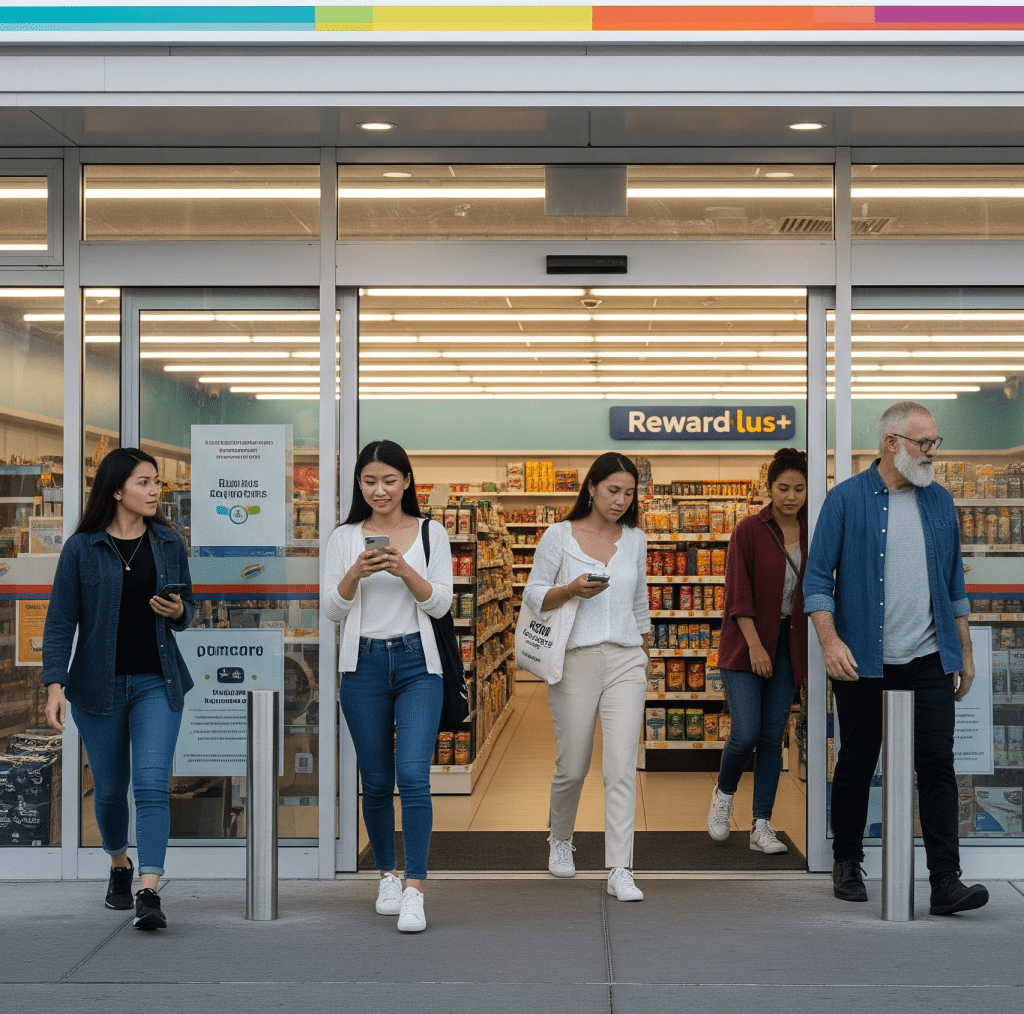
The Dynamic C-Store Landscape
The convenience store industry is currently navigating a period of profound transformation, demanding both agility and foresight from its owner/operators. Significant shifts are reshaping the market, driven by evolving consumer demands, the escalating importance of foodservice, and intense competition from quick-service restaurants (QSRs) and even traditional grocery stores. Economic pressures, including persistent inflation and elevated operating costs, particularly labor, continue to squeeze profit margins, making every dollar earned and every customer visit more crucial than ever. Recent reports from the National Association of Convenience Stores (NACS) indicate a challenging period, with dollar sales at retail down 2.4% year over year and customer trips declining by over 6% through three quarters of the previous year. These figures underscore an urgent need for strategies that can drive consistent engagement and revenue in a tighter economic climate.
Yet, amidst these challenges, substantial opportunities are emerging. Overall foot traffic to C-stores has shown resilience, standing 16.1% higher than five years ago. More notably, a significant 72% of consumers now perceive C-stores as a viable alternative to QSRs, a perception largely fueled by the value proposition these stores are increasingly offering. This indicates a shifting consumer mindset, where convenience stores are no longer just a pit stop for chips and soda but are becoming recognized destinations for a broader range of needs, including prepared foods and value-driven offerings.
Why Loyalty Isn’t Just for the Big Players Anymore: A Strategic Imperative
In this increasingly competitive environment, simply offering convenience is no longer sufficient to secure repeat business. Modern customers are actively seeking value, and they are consistently rewarding the brands that provide it. This fundamental shift in consumer behavior explains why loyalty programs are no longer a luxury reserved for national chains; they are taking center stage as a critical trend for 2025, prompting C-stores to re-evaluate and enhance their loyalty strategies.
For smaller, independent retailers, a robust loyalty program can serve as a powerful differentiator in a market experiencing ongoing consolidation. In a landscape where larger entities are acquiring smaller ones, the ability to cultivate a dedicated customer base through personalized value offerings can help independent stores stand out and thrive. This approach allows businesses to build deeper connections with their patrons, fostering a sense of community and exclusivity that larger competitors may struggle to replicate.
What This Discussion Will Uncover: A Roadmap to Deeper Customer Connections and Increased Profitability
This discussion will delve into five core reasons why a well-designed loyalty program is not merely a marketing gimmick but can be a convenience store’s most potent tool for sustained success. Each point will explore its significance to owner/operators, outline actionable steps, and detail practical implementation methods, providing real-world strategies for immediate application.
The 5 Game-Changing Reasons Your C-Store Needs a Loyalty Program:
This discussion will delve into 5 core reasons why a well-designed loyalty program is not merely a marketing gimmick but can be a convenience store’s most potent tool for sustained success. Each point will explore its significance to owner/operators, outline actionable steps, and detail practical implementation methods, providing real-world strategies for immediate application.
1. Boost Customer Retention and Drive Repeat Visits
In the convenience store sector, repeat business is not just a desirable outcome; it forms the fundamental bedrock of profitability. Loyal customers represent the most valuable asset a store possesses. The importance of this aspect is highlighted as arguably the most critical reason for implementing a loyalty program.
Retail industry research consistently demonstrates that a significant portion of business, approximately 65%, originates from loyal customers, who also tend to spend an average of 67% more per purchase compared to new customers. This represents a substantial difference in immediate revenue potential. Beyond the initial spend, the process of acquiring new customers is considerably more expensive and resource-intensive than retaining existing ones. By strategically focusing on customer retention, businesses can effectively reduce acquisition costs and maximize the return on their marketing investments, gaining a cost-effective advantage.
The financial implications of enhanced customer loyalty are profound. Even a modest 5% increase in customer loyalty can lead to a profit increase ranging from 25% to 95%. This demonstrates that the impact extends beyond incremental sales, unlocking exponential growth and establishing a stable, predictable revenue stream for the store. Loyalty programs directly encourage customers to return, fostering long-term relationships, with data indicating an 18-30% increase in both visits and spending among loyalty members.
This phenomenon can be understood as a “Retention Multiplier” effect. The initial data clearly shows that loyal customers spend more and are less costly to retain. When loyal customers spend 67% more and a 5% increase in loyalty can yield a 25-95% profit increase, it points to a powerful compounding effect. This is not merely about saving on customer acquisition costs; it involves unlocking significantly higher Customer Lifetime Value (CLV) from an already engaged customer base. In a high-frequency, low-margin environment such as convenience stores, even slight increases in visit frequency or average basket size from loyal customers can rapidly accumulate into substantial improvements to the bottom line. This perspective suggests that convenience store owners should view loyalty programs not as a mere expense for offering discounts, but as a strategic investment in their most profitable customer segment. This directly contributes to their overall financial health and stability, which is particularly crucial when overall customer traffic might be experiencing declines in specific areas or during certain periods. It fundamentally shifts the business focus from constantly chasing new sales to cultivating enduring, high-value customer relationships.
Actionable Steps for Owners/Operators:
- Prioritize customer retention strategies, recognizing that the existing customer base is the most valuable asset, and allocate resources accordingly to make retaining them a top business objective.
- Shift marketing focus by dedicating a significant portion of marketing efforts and budget to engaging and rewarding current, loyal customers, as they represent the most efficient source of revenue.
- Train staff thoroughly, ensuring every employee understands the value and benefits of the loyalty program, and equipping them to explain it clearly, encourage effortless sign-ups, and troubleshoot common issues, as their enthusiasm is key to program adoption.
- Monitor key retention Key Performance Indicators (KPIs) regularly, tracking metrics such as Customer Retention Rate (CRR), visit frequency per member, and active member growth to gauge the health and effectiveness of the loyalty program.
Implementing the Strategy:
Implementing an effective loyalty program begins with a streamlined enrollment process. Joining the program must be incredibly easy and fast. A mobile-first approach is highly recommended, allowing customers to sign up via QR codes at checkout, through a quick SMS message, or with a simple two-tap process requiring minimal information, such as just a phone number or email. Crucially, an immediate incentive, like a welcome bonus, should be offered to kickstart engagement and provide instant gratification.
Consider implementing tiered reward structures. A simple, clear tiered system (e.g., Bronze, Silver, Gold) encourages progression and offers escalating benefits as customers spend more or visit more frequently. This design motivates customers to reach higher levels, unlocking more valuable perks and reinforcing their commitment to the store.
Offering diverse and attainable rewards is also essential. A mix of rewards that appeal to different customer segments and provide tangible value should be provided. This could include direct discounts (71% of 45-54 year olds are interested in discounts), points redeemable for cash or free products (67% of 45-54 year olds earned points to use like cash), exclusive access to new products or early-bird discounts , or even unique experiences. The critical aspect is that rewards are perceived as valuable, easy to understand, and achievable.
Finally, leveraging technology for a seamless experience is paramount. Selecting a loyalty program software that integrates smoothly with existing Point-of-Sale (POS) systems is vital. This integration ensures real-time tracking of points and effortless redemption at the register, preventing clunky, frustrating experiences that can lead to customer churn.
2. Unlock Valuable Customer Data and Insights
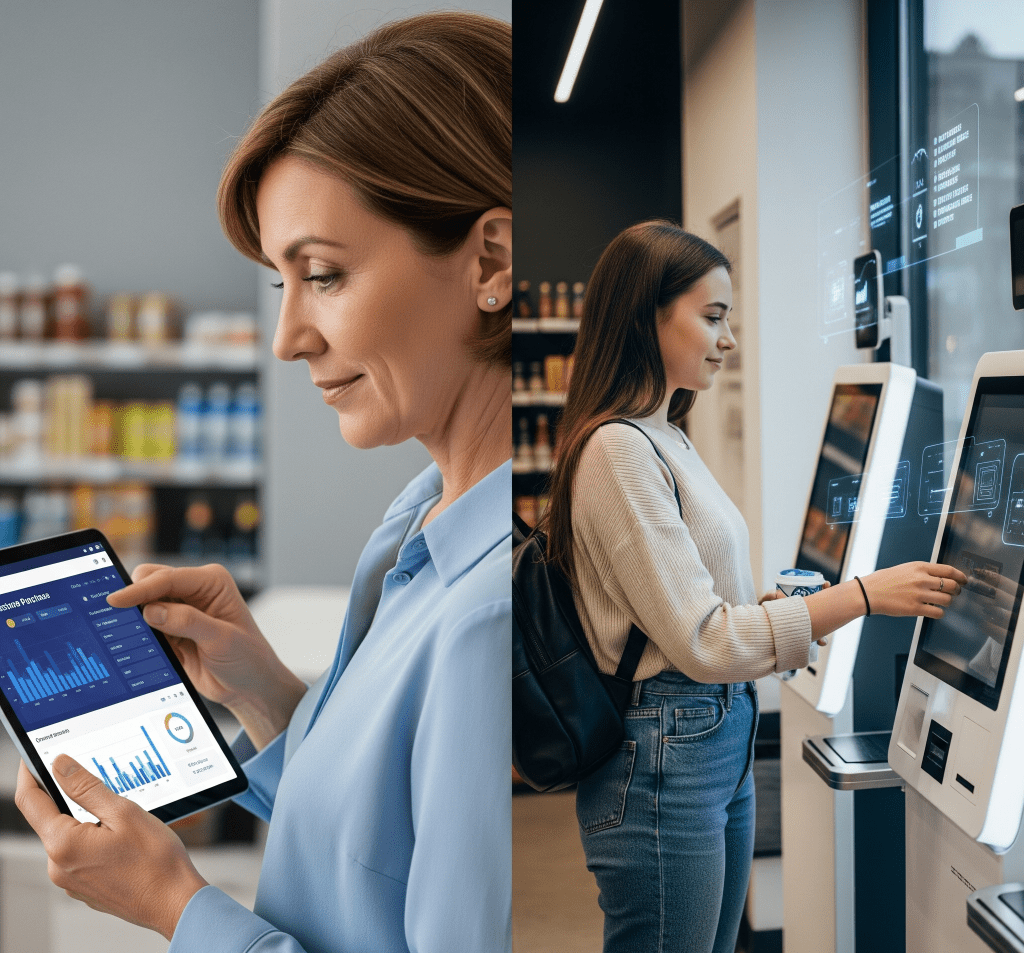
In the contemporary retail landscape, data has become an invaluable asset. Loyalty programs serve as a “goldmine” for understanding customers beyond basic transactions. They facilitate a shift from speculative decision-making to informed, strategic choices.
By meticulously tracking purchase history, preferences, and visit frequency, businesses can gain profound insights into customer behavior. This data can then be leveraged to personalize offers, optimize inventory, improve store layout, and develop more effective marketing strategies. Customer analytics is crucial for enhancing customer targeting, optimizing product assortment, improving inventory management, refining pricing strategies, and effectively segmenting customers. The impact of data-driven approaches is quantifiable: retailers who adopt such strategies for customer service often experience significant growth. Studies indicate that data initiatives have resulted in at least a 5% increase for 68% of surveyed respondents and at least a 10% growth for 38%. Ultimately, loyalty programs are fundamentally about customer data—acquiring information on consumer choices, habits, and shopping patterns, and then analyzing these details to create a more appealing brand experience.
This capability highlights the “Predictive Power” of first-party data. Loyalty programs are a primary source of this data. When effectively analyzed, this information moves beyond simply understanding “what was bought” to predicting “what
will be bought” and “why.” Several sources emphasize the increasing importance of predictive analytics for understanding customer behavior. For instance, the growing impact of GLP-1 drugs on food and beverage spending indicates a significant shift in consumer preferences towards healthier, more intentional purchases. Without granular data, convenience store owners might overlook these subtle yet impactful changes. Loyalty data, especially when combined with artificial intelligence (AI), enables anticipating customer needs before they even arise and tailoring offers for evolving consumer segments, such as specific healthy options for GLP-1 users. This means convenience store owners can proactively shape their inventory, promotions, and even store layout to meet future demand and evolving health trends, ensuring their store remains relevant and profitable in a rapidly changing market. It allows for “intentional spending” from customers to be met with “intentional offerings” from the store, creating a powerful feedback loop that drives continuous improvement and customer satisfaction.
Actionable Steps for Owners/Operators:
- Implement robust data collection by ensuring the loyalty program is seamlessly integrated with the POS system to capture comprehensive transaction data, including detailed purchase history, visit frequency, and specific product preferences.
- Invest in analytics tools, utilizing Customer Relationship Management (CRM) systems (such as HubSpot, Zoho CRM, or specialized retail CRMs) and data analytics platforms to efficiently process, analyze, and visualize invaluable customer data.
- Focus on first-party data generation by actively seeking to generate and ethically use first-party data through direct outreach channels like email and SMS, extending beyond just in-store purchases. This direct connection is vital for personalization.
- Segment the customer base using collected data to group customers into meaningful segments based on demographics, purchasing behavior, and preferences, allowing for highly targeted marketing efforts.
Implementing the Strategy:
To effectively leverage customer data, it is crucial to choose the right technology partner. Selecting a loyalty program platform that offers robust data collection and analytics capabilities, ideally one that integrates seamlessly with existing POS systems, is paramount. Solutions that provide a single, unified view of customer data across all touchpoints are particularly valuable.
Beyond overall sales, businesses should track key data points such as what specific products customers buy together, at what times of day, and how frequently they visit. Monitoring product-specific lifts resulting from promotions is also important.
Leveraging AI for deeper insights is becoming increasingly accessible. Many modern loyalty platforms and CRMs offer AI-powered analytics that can identify hidden trends, predict customer behavior, and suggest highly personalized recommendations or targeted campaigns. This automation can free up valuable time for strategic planning.
Regular data review and action should be an integral part of business operations. Analyzing reports to understand peak shopping times (e.g., morning being a “golden time” for C-stores), popular product categories, and the evolving needs of different customer segments is essential. Utilizing industry benchmarks from NACS reports can help compare performance against industry standards.
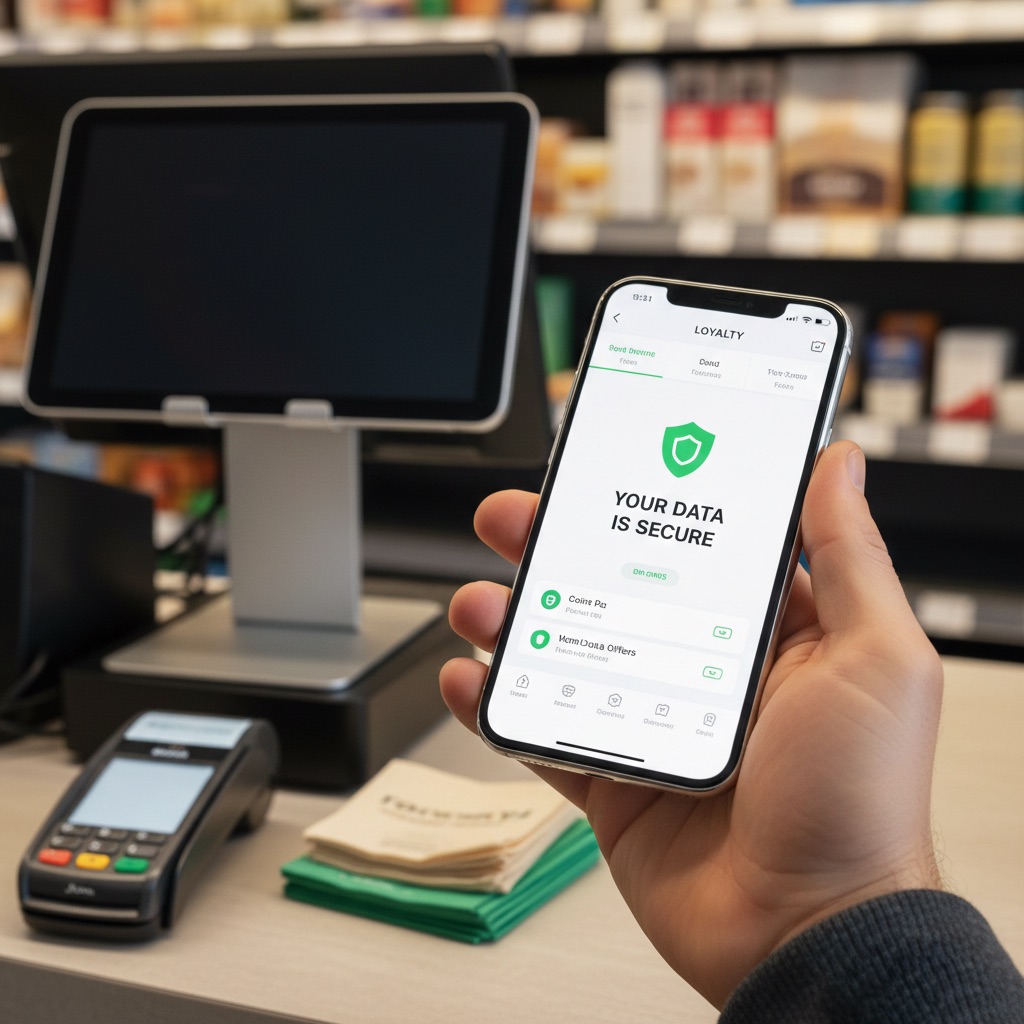
Finally, prioritizing ethical data use is non-negotiable. Businesses must be completely transparent with customers about how their data is collected and used, ensuring full compliance with all privacy regulations. Building trust around data practices is absolutely crucial for long-term loyalty and avoiding potential backlash.
Here’s how you can strategically apply loyalty data points:
- Utilize Purchase History: Leverage individual product preferences, frequently bought items, and buying patterns (e.g., energy drinks on Fridays) to personalize offers (e.g., “Hey, we know you love Monster, here’s a BOGO deal!”), optimize product assortment, and identify cross-selling opportunities.
- Monitor Visit Frequency: Track how often customers return, peak shopping times, and customer loyalty levels to reward consistent shoppers with visit-based rewards, target promotions before typical shopping times, and understand the impact of return-to-office trends.
- Analyze Average Basket Size / Spend: Understand how much customers spend per visit and the effectiveness of upsell/cross-sell efforts to identify opportunities to drive higher spend and measure the success of the loyalty program in increasing profitability by tracking average basket size (AOV) for loyalty members.
- Evaluate Offer Redemption Rates: Assess the relevance and appeal of offers and the ease of use of the program to refine your offer strategy by segmenting by region, time, and customer type, identify underperforming offers, and ensure rewards are valuable and accessible.
- Leverage Customer Demographics (if collected): Use information on age groups (e.g., increasing visits from 16-35 year olds), location, and specific needs (e.g., EV drivers, GLP-1 users) to tailor product offerings (e.g., healthy options for GLP-1 users), target marketing campaigns, and understand generational shifts in C-store visits.
3. Drive Higher Basket Sizes and Increased Spend
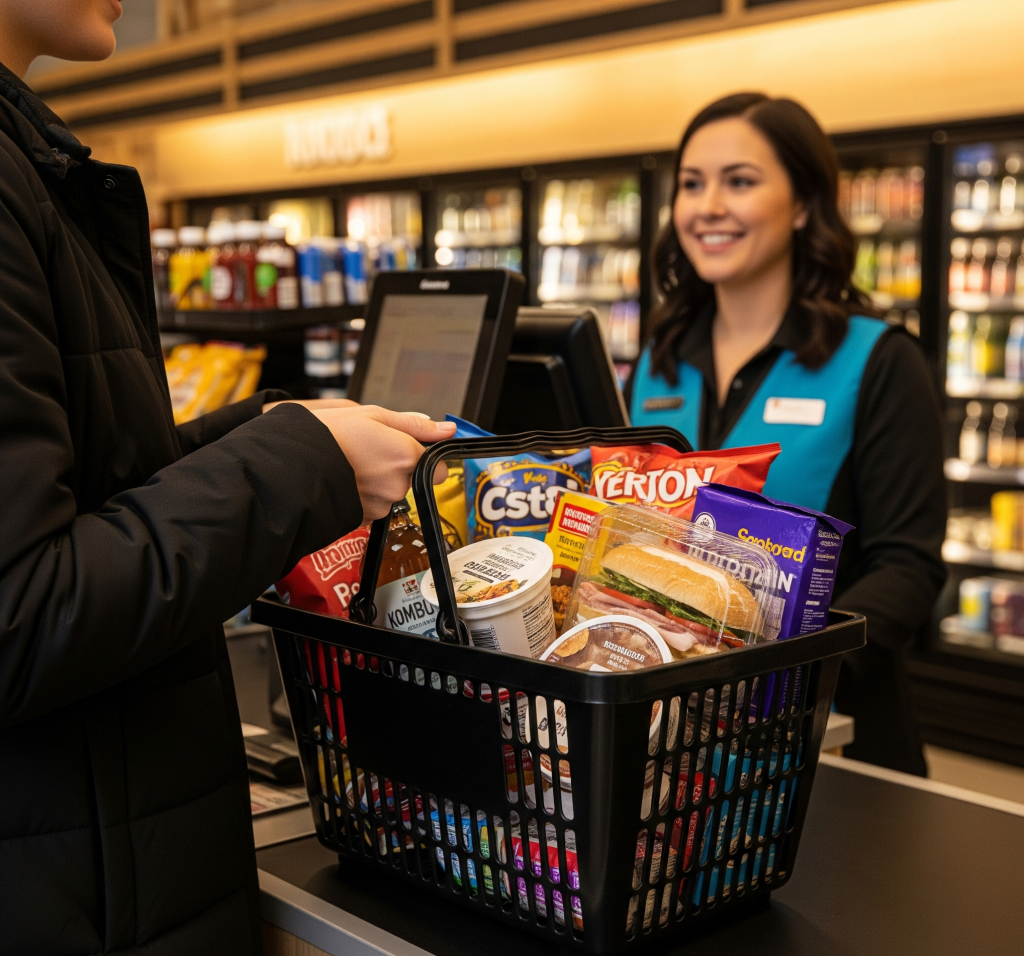
The objective extends beyond merely attracting customers to the store; it involves maximizing the value derived from each visit. Loyalty programs are specifically designed and have a proven track record of increasing the amount customers spend during their shopping trips.
Loyalty members consistently demonstrate higher spending per visit. Convenience store loyalty members, for instance, spent 38% more per visit than non-members. This disparity is growing, with loyalty members spending approximately 12% more in 2022 compared to 10% in 2021. These figures clearly illustrate the direct positive impact on a store’s revenue. A key finding from Paytronix emphasizes that profitability ultimately hinges on how much customers spend, rather than solely on visit frequency. Consequently, loyalty programs should be strategically leveraged to achieve “bigger basket sizes”. Furthermore, loyal customers are more inclined to try new products and exhibit a reduced tendency to compare prices. This represents a significant advantage in a market where consumers are increasingly price-sensitive and actively “hunting for value”.
This phenomenon underscores the “Value-Driven Upsell” imperative. While customers are undeniably seeking value, loyalty programs can strategically guide their focus from merely seeking the
lowest price to seeking the best perceived value from their loyalty. Data indicates that loyalty members spend more and adjust their spending to maximize rewards. This suggests that “value” is not always about being inexpensive, but about receiving the best
deal or benefit from their continued patronage. Moreover, the emergence of trends such as the impact of GLP-1 drugs on food spending means convenience stores must be even more astute about
what to upsell. Generic discounts might not be as effective as personalized offers for high-margin, relevant items that align with evolving consumer preferences. This means convenience store owners should move beyond offering blanket discounts and instead strategically design loyalty incentives that encourage customers to trade up to premium items, add complementary products, or try higher-margin offerings. This approach effectively transforms value-seeking behavior into increased profitability per transaction. It necessitates a crucial shift in mindset from simply “rewarding visits alone” to “rewarding value” and a deeper understanding of the nuances of customer behavior.
Actionable Steps for Owners/Operators:
- Design rewards for increased spend by structuring the loyalty program explicitly to incentivize larger purchases and higher average transaction values, not solely frequent visits.
- Identify high-margin products using sales data and customer insights to pinpoint items with the best profit margins that should be promoted more aggressively. Focus on integrating these into loyalty offers.
- Train staff on suggestive selling, equipping employees with the knowledge and subtle phrases to encourage additional purchases, especially for complementary items or upsells, during customer interactions.
- Monitor average basket size (AOV) regularly as a Key Performance Indicator (KPI) specifically for loyalty members to measure the direct effectiveness of strategies in boosting spend.
Implementing the Strategy:
To effectively drive higher basket sizes, businesses should implement personalized upsell and cross-sell offers. Leveraging customer data from the loyalty program allows for recommending items customers are highly likely to buy, or higher-value alternatives. For example, if a customer frequently purchases coffee, a bonus point deal on a premium pastry or a larger size could be offered. AI-driven personalization can efficiently identify and promote high-margin products tailored to individual preferences.
Bundle deals and combos are also highly effective. Encouraging customers to add more to their basket can be achieved by offering attractive discounts or bonus points when they purchase complementary items together, such as “Buy a coffee + muffin, get 50 extra points”. This strategy is particularly effective for growing foodservice offerings.
Implementing tiered rewards and spend challenges can further motivate customers. Tiers where higher spending unlocks greater rewards, or engaging “spend challenges” (e.g., “Spend $30/week for a month, get $5 off gas”) can be introduced. This motivates customers to reach specific spending thresholds to earn more valuable benefits.
Gamification can introduce fun, interactive elements into the loyalty program, such as prize wheels, virtual scratchcards, or app-based add-ons that guide customers toward additional purchases or encourage them to try new, higher-margin items. This approach enhances the shopping experience, making it more engaging.
Lastly, while not a direct loyalty program feature, strategic product placement within the physical store is crucial. Ensuring the store layout supports cross-selling by placing complementary products near each other (e.g., chips next to salsa) and high-margin impulse buy items near checkouts can significantly enhance sales. The loyalty program can then amplify these physical merchandising efforts with targeted digital prompts and offers.
Here are loyalty strategies to boost your Average Basket Size (AOV):
- Implement Personalized Upsell & Cross-Sell: Use loyalty data to identify individual preferences and buying habits, then tailor offers to suggest higher-value items or complementary products. For example, a customer who regularly buys energy drinks could receive a personalized offer for a new, higher-margin protein bar, or a combo deal with a specific snack.
- Offer Bundle Deals & Combos: Reward customers with bonus points or discounts for purchasing predefined product combinations through your loyalty program. For instance, “Buy a coffee + breakfast sandwich, get double points” encourages the purchase of a full meal, increasing the total transaction value.
- Introduce Tiered Rewards & Spend Challenges: Design your loyalty program so customers earn escalating benefits (e.g., higher point multipliers, exclusive discounts) as their total spend or visit frequency increases. A “Gold Tier” customer, for example, could receive a larger discount on fuel after spending a certain amount in-store, motivating them to consolidate purchases at your store.
- Integrate Gamification: Incorporate interactive elements like “spin the wheel” or “scratch-and-win” within your loyalty app, where prizes are often discounts on specific items or bonus points for certain purchases. A customer might spin a virtual wheel after a purchase and win 10% off their next purchase of a new, high-margin beverage, encouraging trial and additional spend.
- Optimize Strategic Product Placement (Physical & Digital): Use loyalty program data to inform optimal physical store layout and digital prompts, placing complementary or impulse items where they are most likely to be seen and purchased. This could involve placing a display of premium snacks near the coffee station, then sending a loyalty app notification about a special offer on those snacks to frequent coffee buyers.
4. Enhance Customer Engagement and Personalization
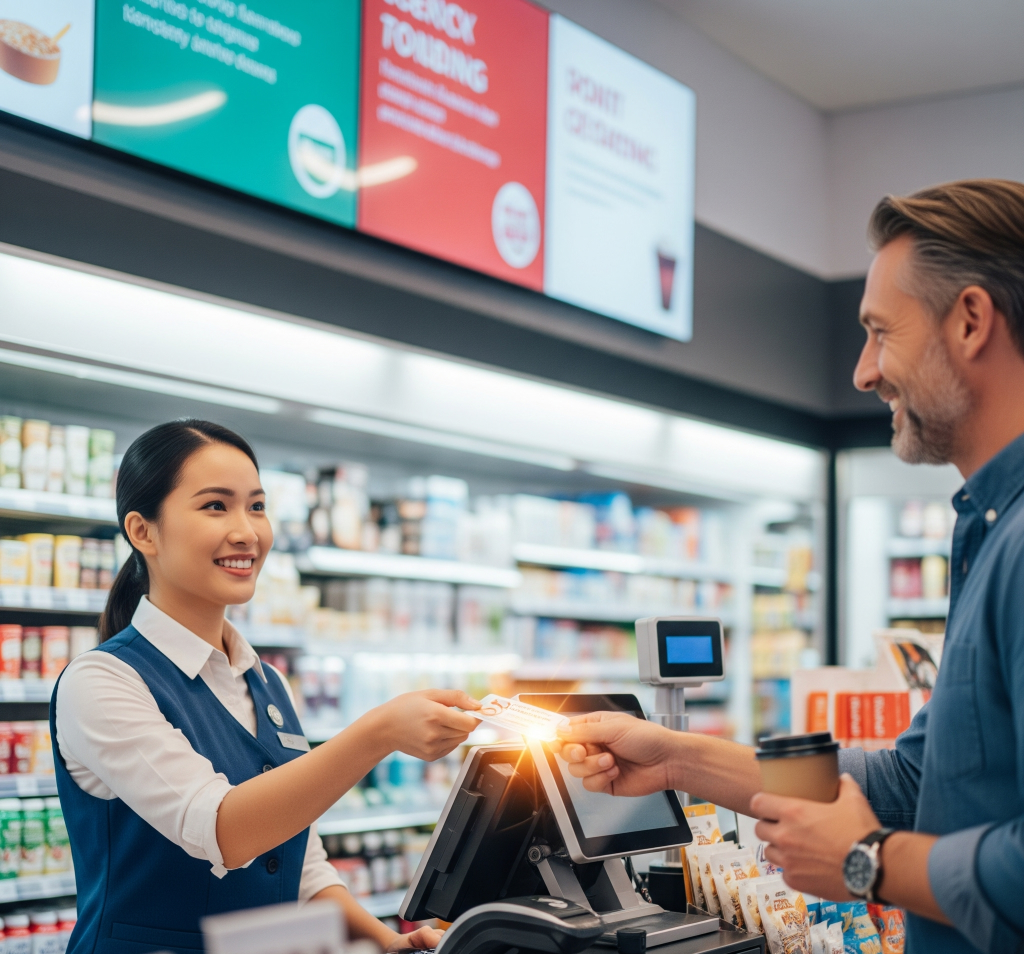
Beyond transactional benefits, a well-executed loyalty program fosters a deeper connection with customers, making them feel valued and understood. This level of personalization is critical in building lasting relationships.
Customer engagement goes beyond mere participation; it involves creating an experience that resonates with individual preferences. Modern consumers expect tailored shopping experiences, which can only be delivered through deep customer understanding. By leveraging customer purchase histories, loyalty programs can deliver highly customized incentives, aligning more closely with individual customer preferences. This targeted approach not only increases customer engagement but also cultivates greater satisfaction and loyalty, setting a higher standard in customer-centric retail experiences.
The importance of personalization is further underscored by statistics: 80% of consumers appreciate it when brands personalize communications based on their interactions and loyalty program status. This level of tailored communication can significantly strengthen the connection between the customer and the brand. For instance, a convenience chain like Wawa utilizes personalized emails and app notifications to deliver tailored deals to customers based on their past purchases. Similarly, 7-Eleven has invested in app redesigns and media networks to target shoppers with relevant messaging based on robust purchase and behavioral data.
This approach highlights the critical role of “Emotional Connection through Relevance.” It is not enough to simply offer rewards; the rewards and communications must feel relevant and meaningful to the individual customer. If customers receive rewards and messages that feel pertinent to their needs and preferences, they are significantly more likely to utilize them. Conversely, neglecting personalization and offering a generalized experience can lead to disinterest and a willingness to explore competitor programs. The success of brands like Casey’s General Stores, which integrated community commitment into their loyalty program by allowing customers to donate points to schools, demonstrates how aligning with customer values can create lifelong advocates and drive higher lifetime value. This goes beyond mere discounts, building a sense of shared values and purpose that deepens the customer’s emotional connection to the brand. This deeper connection makes customers more forgiving of minor issues and more resistant to competitive offers, fostering true brand advocacy.
Actionable Steps for Owners/Operators:
- Prioritize personalization in all loyalty program communications and offers, recognizing that generic messages can lead to disengagement.
- Actively seek customer feedback through various channels to understand their preferences and satisfaction levels, using this information to refine the loyalty program.
- Develop a strong brand identity that resonates with the target audience, highlighting unique offerings or service aspects that differentiate the store.
- Optimize communication frequency and channels to maintain engagement without overwhelming customers, ensuring messages are timely and relevant.
Implementing the Strategy:
To enhance customer engagement and personalization, businesses should focus on tailored communication and offers. This involves sending targeted promotions for items customers frequently purchase, offering birthday rewards, or notifying them of new products or services relevant to their preferences. For example, if a customer consistently buys vegan products, they should receive notifications about new vegan items rather than promotions on meat products. This level of specific targeting makes customers feel understood and valued.
Leveraging multi-channel communication is also crucial. Engaging customers across various touchpoints, via push notifications, SMS, and email, ensures timely, personalized communication that strengthens relationships. Email remains an effective channel, with 55% of consumers preferring it for loyalty program communications. Stores like Break Time have seen significant increases in customer spend by using email to engage top-tier customers in their loyalty program.
Implementing a feedback loop allows customers to provide input on their experiences and preferences. This can be done through short surveys or interactive features within the loyalty app. This two-way interaction not only provides valuable data for program refinement but also makes customers feel heard and invested in the store’s offerings.
Finally, creating exclusive experiences and benefits for loyalty members can significantly boost engagement. This could include early access to new products, members-only events, or unique content. For instance, Starbucks Rewards offers member-only extras like express order and pick-up, and even interactive games to earn NFTs that unlock exclusive rewards. Such offerings make members feel special and provide a “wow” factor that differentiates the program.
5. Gain a Competitive Advantage
In an increasingly crowded retail landscape, having a loyalty program is rapidly transitioning from a beneficial feature to a competitive necessity. With a growing number of retailers, including gas stations and even grocery stores, offering loyalty programs, implementing one becomes crucial for differentiation.
A robust loyalty program sets a convenience store apart from competitors who do not offer such benefits, attracting and retaining customers who are actively seeking added value and recognition. This is particularly pertinent as the lines between C-stores, QSRs, and grocery stores continue to blur, with 72% of consumers now viewing C-stores as viable alternatives to QSRs, largely due to the value they perceive. Brands like Circle K, EG America, and GPM are actively stacking up value offers, including bundled meals, loyalty discounts, and snack deals, specifically designed to draw QSR customers into their stores. This indicates that value is the new battleground, and C-stores are competing not just on price, but on better experiences, smarter promotions, and more effective ways to win loyalty.
For independent retailers, a loyalty program can serve as a “secret weapon” in a highly competitive market. Customers who feel a strong connection to a store and consistently have positive experiences are less likely to switch to competitors, even if those competitors offer similar products or prices. This competitive edge can distinguish a store and help it maintain a leading position. Large players like 7-Eleven and Wawa actively leverage their loyalty programs to drive sales and build customer lifetime value, setting a benchmark for convenience loyalty marketing.
This competitive dynamic highlights the “Differentiator in a Consolidating Market.” As smaller retailers increasingly become targets for consolidation, the ability to differentiate becomes paramount for those seeking to remain independent. A loyalty program moves beyond simple price competition by creating a unique value proposition and an emotional connection that makes switching costly for the customer—emotionally, logistically, and sometimes financially. This means that while larger chains might have economies of scale, a well-designed, personalized loyalty program allows smaller convenience stores to build a fiercely loyal customer base that is resistant to external pressures. This is not just about attracting new customers but about fortifying the existing customer base against poaching by larger, more aggressive competitors, thereby securing long-term viability and growth in a challenging environment.
Actionable Steps for Owners/Operators:
- Conduct a competitive analysis to understand what loyalty programs, if any, competitors are offering and identify opportunities to differentiate.
- Clearly communicate the unique benefits and value proposition of the loyalty program to customers, emphasizing what sets it apart from other retailers.
- Continuously innovate and evolve the loyalty program to stay ahead of changing consumer expectations and competitive offerings, avoiding stagnation.
- Leverage the loyalty program to highlight unique store strengths, such as exceptional foodservice programs, clean restrooms, or a unique product assortment, which are key motivators for customer visits.
Implementing the Strategy:
To establish a competitive advantage, businesses should first design a unique value proposition for their loyalty program. This involves identifying what makes the store special—whether it’s a superior coffee program, a unique selection of local products, or exceptional customer service—and then integrating these elements into the loyalty program’s rewards and benefits. For example, Casey’s General Stores differentiated its program by allowing customers to donate points to local schools, aligning with community values.
Focusing on experience-based rewards can also be a powerful differentiator. While discounts are important, offering exclusive access, personalized experiences, or even gamified elements can create a “wow” factor that competitors might lack. Starbucks, for example, offers interactive games and exclusive virtual experiences to its loyalty members.
Seamless technology integration is crucial for a competitive program. The ability to offer a frictionless experience, from easy enrollment to quick redemption at the POS, and to integrate with digital channels like mobile apps for personalized offers, is paramount. This ensures that the program is convenient and enhances the overall shopping experience, which is a key driver of customer satisfaction.
Finally, continuous program optimization is necessary to maintain a competitive edge. Loyalty trends are constantly evolving, and a program that remains static risks becoming outdated. Regularly reviewing program performance metrics, soliciting customer feedback, and being willing to adapt rewards, rules, and communication strategies based on these insights will ensure the program remains appealing and effective. This proactive approach allows the program to evolve with customer expectations and market dynamics, consistently providing a reason for customers to choose one store over others.
The Bottom Line
The evidence overwhelmingly supports the strategic imperative for convenience store owner/operators to embrace and optimize loyalty programs. In a dynamic retail environment characterized by fierce competition, evolving consumer preferences, and persistent economic pressures, a well-conceived loyalty initiative transcends a mere marketing tactic; it becomes a fundamental pillar of sustainable business growth.
As discussed, loyalty programs are instrumental in boosting customer retention and driving repeat visits, transforming transient shoppers into a stable, profitable customer base. The financial benefits of retaining existing customers far outweigh the costs of acquiring new ones, creating a compounding effect on profitability that is vital for long-term viability. Furthermore, these programs serve as invaluable conduits for collecting rich customer data, moving businesses beyond guesswork to data-driven decision-making. This first-party data enables predictive capabilities, allowing for proactive adjustments to inventory, promotions, and store layouts in anticipation of evolving consumer needs, such as the shift towards healthier options.
Moreover, loyalty programs are powerful tools for driving higher basket sizes and increased spend per visit. By strategically designing personalized upsell opportunities, bundle deals, and tiered rewards, businesses can encourage customers to maximize the value of each transaction, directly impacting revenue. The ability to enhance customer engagement and personalization through tailored communications and exclusive experiences fosters deeper emotional connections, making customers feel valued and understood. This level of personalized interaction cultivates brand advocates who are more resistant to competitive overtures. Ultimately, a robust loyalty program provides a significant competitive advantage, differentiating a convenience store in a consolidating market and building a loyal customer base that is resilient to external pressures.
For convenience store owner/operators, the path forward is clear: investing in a thoughtfully designed, technologically integrated, and continuously optimized loyalty program is not just an option, but a strategic necessity for securing a thriving future.

 The5For
Leave a comment