Good morning! We’re looking back on Wednesday July 9th, 2025, and diving into 5 critical industry updates that aren’t only headlines, they’re blueprints for your convenience store’s future. In a rapidly evolving market, staying ahead means not just knowing what’s happening, but understanding why it matters to your bottom line and what you can do about it. Let’s unpack the trends that will shape your strategy for the rest of the year and beyond.
1. The Sweet Spot: Proprietary Sweet Treat Offerings
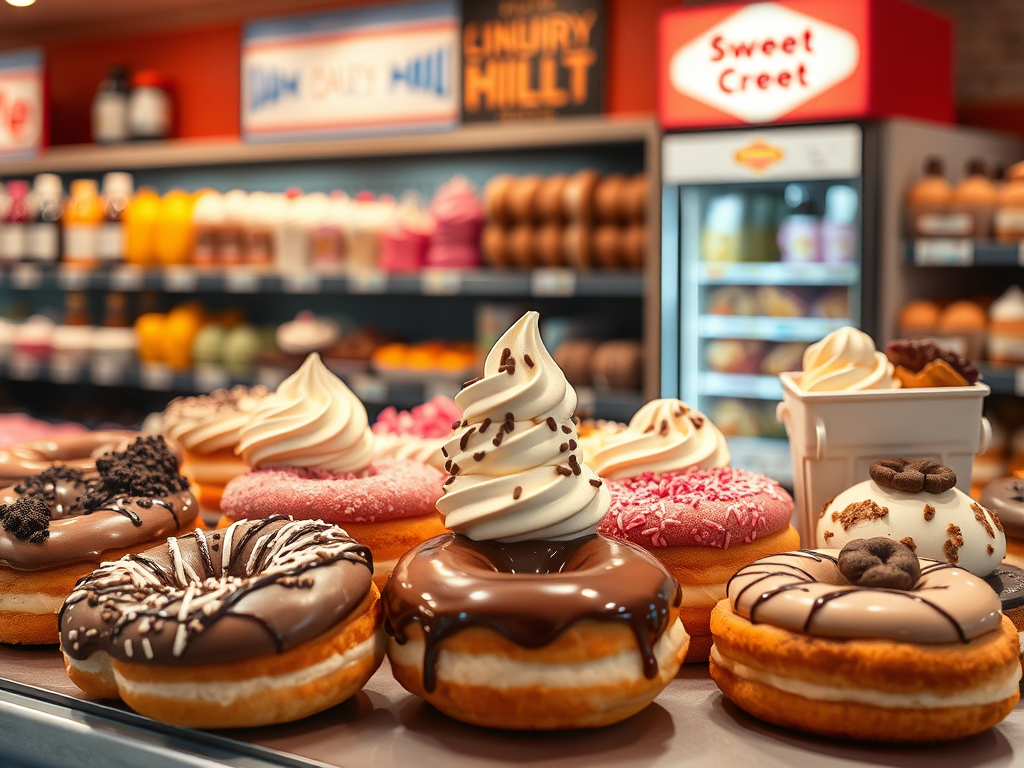
Convenience stores are finding a goldmine in proprietary sweet treat offerings. Think unique donuts, artisanal ice creams, and custom baked goods. Brands like BP and Stewart’s Shops are already seeing significant success by developing their own exclusive recipes and flavors, creating a distinct draw that national brands can’t replicate. This isn’t just about selling a treat; it’s about selling an experience and a unique destination.
Why It Matters: In a competitive landscape, differentiation is key. Proprietary sweet treats offer higher profit margins, build brand loyalty, and give customers a reason to choose your store over others. It also allows for creative cross-promotional opportunities, such as pairing a custom donut with a specialty coffee or a unique ice cream flavor with a new beverage. This can transform your store into a local favorite, known for its unique indulgences.
What You Should Be Doing:
- Assess Your Space and Capital: Determine if you have the physical space and financial resources for in-house baking or ice cream production. Consider smaller-scale options like finishing pre-made dough or partnering with local bakeries initially.
- Innovate and Indulge: Focus on unique, over-the-top, and indulgent offerings. Think bold flavors, creative combinations, and visually appealing presentations. Explore seasonal flavors to keep interest high.
- Consider Cross-Category Synergies: How can your sweet treats complement your beverage program? Could a custom ice cream be blended into a new frozen coffee drink, or a unique pastry be paired with a specialty soda?
- Understand Your “White Space”: Conduct a thorough assessment to identify unmet customer demands or unique categories where your store can truly stand out, rather than just mimicking competitors. Look at what’s trending in broader foodservice.
More Information: CStore Dive.
2. Navigating Economic Headwinds: Consumer Anxiety from Tariffs
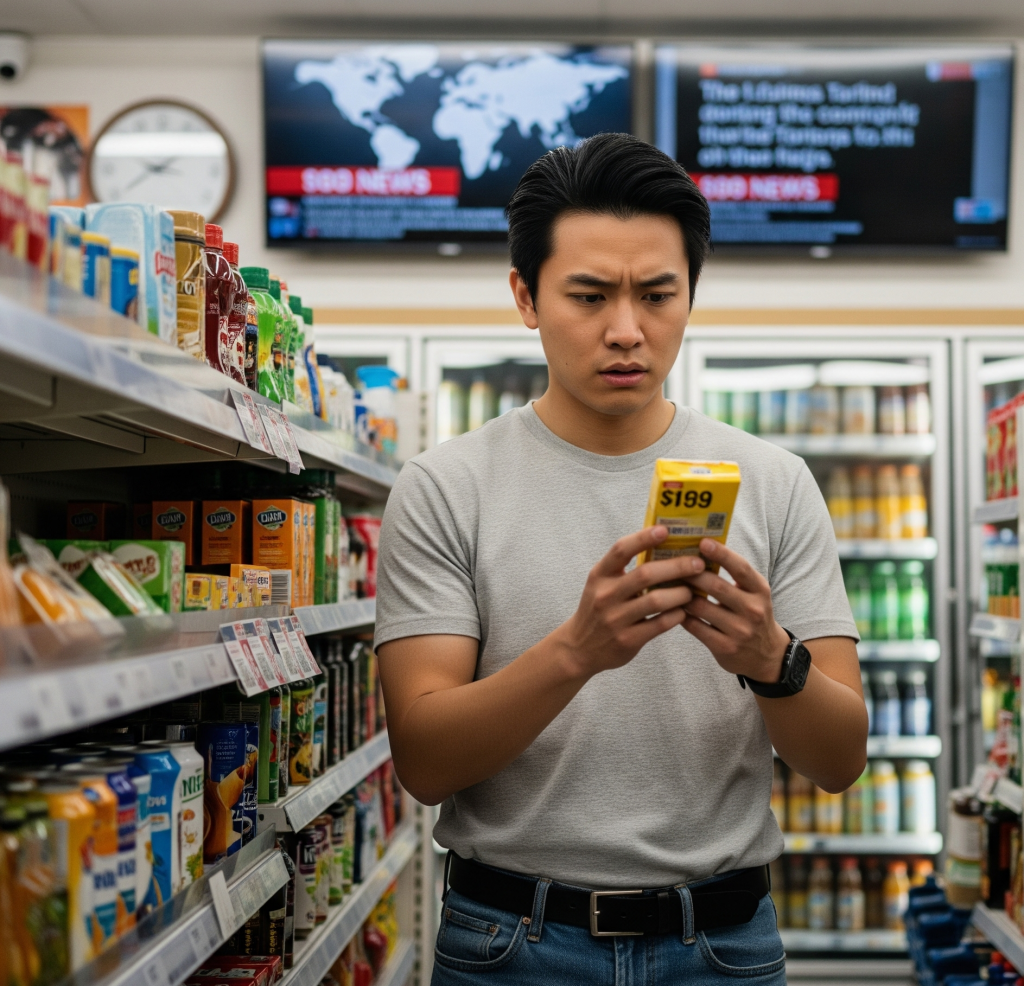
The National Retail Federation (NRF) reports that ongoing uncertainty from tariffs and other government policies is creating anxiety and confusion among consumers. This isn’t just economic jargon; it’s translating into a downshift in consumer spending. While economic fundamentals might seem solid, the unpredictable nature of these policies is making consumers cautious, with some anticipating higher prices and pulling back on discretionary purchases.
Why It Matters: Consumer confidence directly impacts foot traffic and purchasing power. When consumers feel uncertain about their economic future, they tend to reduce spending, especially on impulse buys and non-essential items, categories where convenience stores often thrive. Rising prices due to tariffs could also squeeze your margins if you can’t pass those costs along without deterring price-sensitive customers.
What You Should Be Doing:
- Monitor Consumer Spending Patterns: Pay close attention to your sales data. Are certain categories slowing down? Are customers trading down to value options? Adjust your inventory and promotions accordingly.
- Focus on Value and Essentials: Emphasize promotions on everyday essentials and perceived value. Highlight loyalty programs or bundle deals that help customers save money.
- Optimize Inventory Management: In times of uncertainty, accurate demand forecasting is more crucial than ever to avoid overstocking and reduce waste.
- Communicate Transparently (Where Possible): While you can’t control tariffs, understanding their potential impact on your pricing strategy and being prepared to explain value to customers can help maintain trust.
More Information: National Retail Federation.
3. The Sober Curious Movement: The Boom of Non-Alcoholic Spirits
The non-alcoholic spirits market is experiencing explosive growth, driven by a rising “sober curious” movement and increased consumer focus on health and wellness. These aren’t just sugary mocktails anymore; advancements in distillation and flavor development are producing sophisticated, high-quality non-alcoholic alternatives that mimic the taste and experience of their alcoholic counterparts. Bars and restaurants are increasingly expected to offer these options, and the market is diversifying into categories like zero-proof aperitivos and non-alcoholic amaro.
Why It Matters: This is a massive opportunity to capture a growing segment of consumers who are actively seeking sophisticated non-alcoholic options. Gen Z, in particular, is drinking less alcohol than previous generations but is highly interested in unique and flavorful beverages. By offering a curated selection of non-alcoholic spirits and ready-to-drink (RTD) alternatives, you can attract new customers and cater to evolving preferences, boosting your beverage sales and overall store appeal.
What You Should Be Doing:
- Expand Your Non-Alcoholic Selection: Move beyond basic sodas and juices. Stock a diverse range of high-quality non-alcoholic spirits, including non-alcoholic gins, whiskeys, rums, and aperitifs. Look for brands known for authentic flavor profiles.
- Create “Zero-Proof” Mix-and-Match Opportunities: Feature non-alcoholic spirits alongside mixers, garnishes, and recipes for customers to create their own sophisticated mocktails at home.
- Educate Your Staff: Ensure your team understands the appeal and quality of these products so they can confidently recommend them to customers.
- Market Your Offerings: Promote your non-alcoholic selection through in-store signage, social media, and local partnerships, positioning your store as a destination for inclusive and health-conscious beverage choices.
More Information: Food Dive.
4. Greener Choices: The Shift to Sustainable Packaging
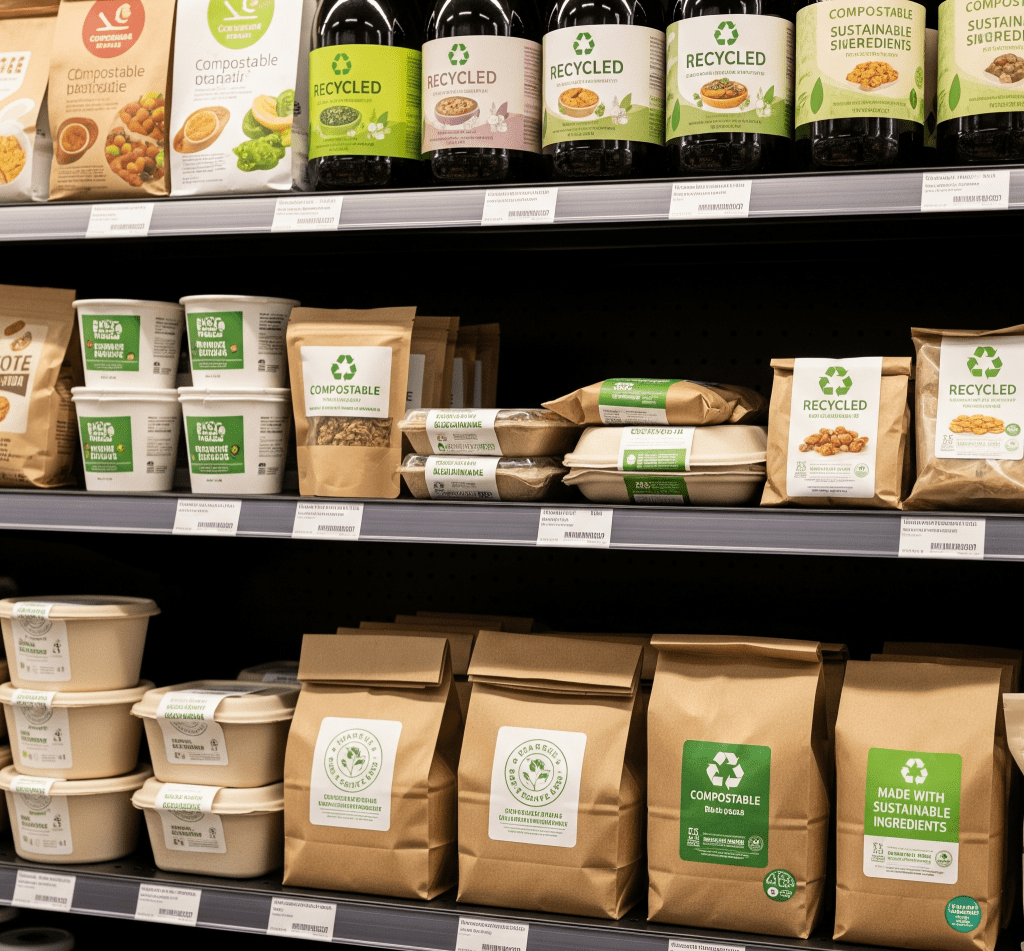
Consumer awareness of environmental issues and growing regulatory pressures are rapidly accelerating the demand for sustainable food service packaging. Major Quick-Service Restaurants (QSRs) like McDonald’s and Burger King are setting ambitious goals for renewable, recycled, or compostable packaging. While there’s a cost consideration, advancements in production are narrowing the price gap, making eco-friendly options more viable and aligning businesses with modern consumer values.
Why It Matters: Sustainability is no longer a niche concern; it’s a mainstream expectation. Customers, especially younger demographics, are increasingly making purchasing decisions based on a brand’s environmental impact. Offering sustainable packaging can significantly enhance your store’s image, build customer loyalty, and demonstrate your commitment to responsible business practices. It can also help you get ahead of potential future regulations.
What You Should Be Doing:
- Evaluate Your Current Packaging: Conduct an audit of your existing food service packaging to identify opportunities for more sustainable alternatives (e.g., compostable cups, recycled content containers, paper-based wraps).
- Prioritize Practical & Cost-Effective Changes: Start with high-volume items or those where sustainable alternatives are readily available and cost-effective. Research suppliers offering certified sustainable options.
- Communicate Your Efforts: Inform customers about your sustainable packaging initiatives through clear signage, on your website, and via social media. Highlight the materials you use and their environmental benefits.
- Stay Informed on Regulations: Keep abreast of local and state regulations regarding single-use plastics and foam, as these are continually evolving.
More Information: Restaurant Dive.

5. Capturing the Future: Gen Z and Beverages
Gen Z is proving to be incredibly influential in the beverage market. They are “obsessed with beverages,” ordering more prepared drinks per week than any other demographic. This generation seeks unique, customizable, and visually appealing options, from “dirty sodas” and specialty concoctions to innovative mixes of existing brands. They’re also heavily influenced by social media trends (#drinktok, anyone?). Companies like Taco Bell and Pepsi are already innovating rapidly to capture this segment’s attention.
Why It Matters: Gen Z represents the future of consumer spending, with projected spending power of $12 trillion by 2030. Their strong preference for beverages presents a massive opportunity for convenience stores, which are uniquely positioned to offer on-the-go beverage solutions. By tailoring your offerings to their tastes and desire for personalization, you can build lasting loyalty with this crucial demographic.
What You Should Be Doing:
- Invest in Specialty Beverage Equipment: Consider equipment for dispensed beverages, specialty coffee, slushies, and custom soda stations that allow for a wide range of flavor combinations.
- Embrace Customization and Self-Service: Empower Gen Z customers to create their own “dirty sodas” or personalized drink mixes. This hands-on experience resonates strongly with them.
- Innovate Your Menu: Experiment with unique flavor syrups, creamers, and mix-ins. Look at popular social media beverage trends and consider how you can replicate or adapt them in your store.
- Promote on Digital Platforms: Utilize social media, especially platforms popular with Gen Z like TikTok, to showcase your exciting beverage offerings. Encourage user-generated content by inviting customers to share their custom creations.
More Information: CSP Daily News.
The Bottom Line
The convenience store industry is dynamic, constantly presenting new challenges and opportunities. From the allure of proprietary sweet treats and the economic ripples of tariffs to the burgeoning non-alcoholic market, the push for sustainable practices, and the immense potential of Gen Z’s beverage preferences, each of these headlines offers a chance for growth and adaptation. By staying informed, remaining agile, and proactively implementing these strategies, you’re not just reacting to change, you’re shaping your store’s success and ensuring it remains a vital hub for your community.
Keep innovating, keep listening to your customers, and keep pushing the boundaries of what a convenience store can be!

 The5For
Leave a comment