Hey there, convenience store owner/operators! In the fast-paced world of retail, staying ahead means keeping an ear to the ground and an eye on the latest trends. July 10th brought some truly insightful news that can shape your strategy and boost your bottom line. We’re diving into the 5 key stories that caught my attention, breaking down what they are, why they matter to you, and what practical steps you can take to leverage this information. Let’s cut through the noise and get to what’s actionable!
1. “Newstalgia” Comfort Foods with a Modern Twist: More Than Just a Craving
Forget plain old comfort food; “newstalgia” is where it’s at. This trend, highlighted by Supermarket Perimeter, is all about taking beloved classics and giving them a fresh, often healthier, contemporary spin. Think your grandma’s meatballs with a Korean spice kick, or a Choco Taco reinvented with an almond flour shell and almond milk base. Younger generations, especially Gen Z and Millennials, are driving this, actively seeking familiar comfort with an innovative edge. What’s even better? Studies suggest consumers are more willing to spend when they feel that positive nostalgic pull.
Why It Matters to C-Store Owner/Operators: As convenience stores, you’re perfectly positioned to capitalize on impulse buys and quick meal solutions. “Newstalgia” offers a golden opportunity to refresh your foodservice program and grab-and-go options. By offering updated versions of classic snacks or introducing globally inspired twists on familiar items, you can attract a broader, younger demographic while still appealing to those who love the classics. This isn’t just about selling food; it’s about selling an experience.
What You Should Be Doing:
- Reinvent Classics: Look at your top-selling comfort food items (think hot dogs, pizza, nachos) and brainstorm ways to add a modern or international twist. Could you offer gourmet toppings or unexpected flavor combinations?
- Embrace Healthier Indulgences: Explore options that cater to health-conscious consumers without sacrificing flavor. Think baked instead of fried, or plant-based alternatives for traditional ingredients.
- Limited-Time Offers: Introduce “newstalgia” items as limited-time offers to create buzz and drive urgency. Promote these on social media, emphasizing the unique blend of old and new.
- Merchandising Matters: Highlight the “newstalgia” angle in your signage and marketing. Use language that evokes both comfort and innovation.
- Tap into Trends: Keep an eye on viral food trends on platforms like TikTok and see how you can adapt them into convenient offerings for your store.
More Information: Supermarket Perimeter.
2. Younger Shoppers Are Skipping Traditional Grocery Stores: Your Opportunity Awaits
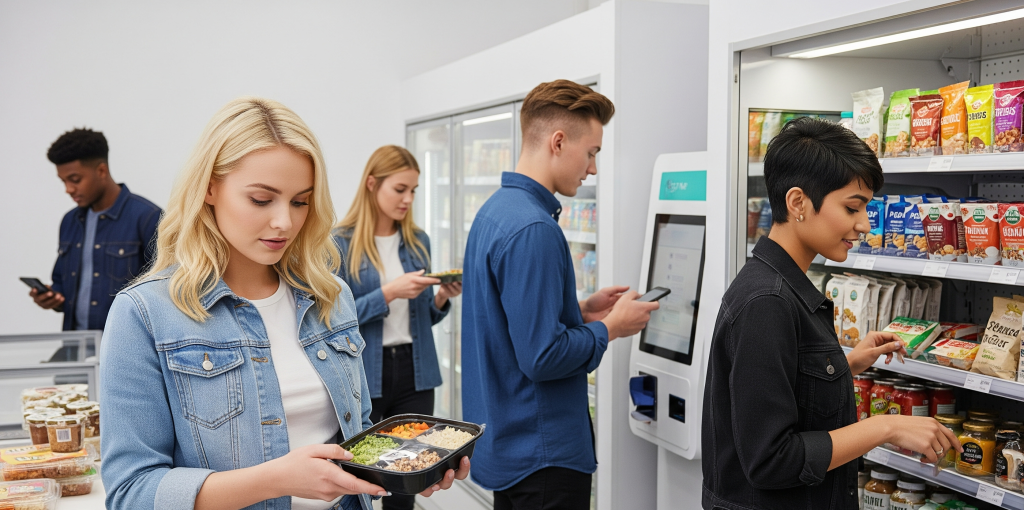
A recent study by The Feedback Group, reported by Grocery Dive, reveals a significant shift: younger shoppers (Gen Z, Millennials, and Gen X) are increasingly choosing retailers like Walmart, Aldi, dollar stores, and club stores over traditional supermarkets. Their preferences? Convenience, value, organic choices, sustainability, and a strong digital experience. While older generations still favor traditional grocers, your future customers are already shopping differently.
Why It Matters to C-Store Owner/Operators: This isn’t a threat; it’s an open invitation! Convenience stores are inherently designed for quick, convenient stops. You already have a leg up on traditional supermarkets in terms of speed. The key is to adapt your offerings and digital presence to align with what these younger shoppers are seeking. By understanding their behaviors and catering to their demands, you can become their preferred destination for daily needs and grab-and-go solutions.
What You Should Be Doing:
- Boost Digital Engagement: Invest in or enhance your mobile app, loyalty programs, and social media presence. Younger shoppers expect seamless digital experiences for promotions, ordering, and loyalty.
- Curate Convenient & Healthy Options: Expand your selection of fresh, pre-packaged produce, healthy snacks, and convenient meal solutions. Focus on quality, organic, and sustainably sourced items.
- Emphasize Value & Private Label: Introduce more private label products, especially in categories where price is a key driver. Promote “everyday low price” offerings.
- Streamline Checkout: Optimize both self-checkout and cashier-assisted lanes for speed and efficiency. A quick transaction is paramount for the convenience-focused shopper.
- Leverage Local & Community Focus: Younger consumers often appreciate local products and businesses that support their communities. Highlight these aspects in your store.
More Information: Grocery Dive.
3. Fuel Pump Uptime: The Silent Driver of Your Bottom Line
RaceTrac, a major player in our industry, has demonstrated the incredible impact of technology on fuel pump uptime. As reported by C-Store Dive, by implementing remote monitoring for their fuel pumps, they slashed downtime from an estimated 6.5-7% to a mere 0.3%. This technology automatically flags issues and generates maintenance tickets, even pinpointing exact problems, leading to fewer dispatches and faster repairs.
Why It Matters to C-Store Owner/Operators: Every minute a pump is down is a minute of lost revenue and a frustrated customer. Fuel is often the primary draw that brings customers to your location, where they then decide to come inside and make additional purchases. High pump uptime means a reliable customer experience, increased fuel sales, and more opportunities for in-store conversions. This isn’t just about maintenance; it’s about maximizing profitability and customer satisfaction.
What You Should Be Doing:
- Invest in Remote Monitoring: Explore remote monitoring solutions for your fuel dispensers. The initial investment can pay dividends in increased uptime and reduced maintenance costs.
- Optimize Parts Inventory: Implement better tracking for critical fuel pump parts to ensure they are readily available when needed for repairs, minimizing waiting times.
- Automate Maintenance Processes: Look for systems that can automatically generate work orders and alerts, streamlining communication with technicians.
- Track Key Metrics: Make fuel pump uptime a key performance indicator (KPI) for your operations team. Regularly review data to identify patterns and areas for improvement.
- Consider Expansion: Once successful with fuel pumps, think about applying similar technology to other critical in-store equipment like coffee machines, fountain beverage dispensers, or ovens.
More Information: CStore Dive.
4. Parker’s Kitchen Supporting Veterans: Building Community, Building Brand
Parker’s Kitchen, a leader in the convenience retail space, recently demonstrated its commitment to community by raising $360,000 for injured local veterans in Georgia and South Carolina through a partnership with the Wounded Warrior Project. They amplified customer donations with a 25% company match, as detailed by NACS. Beyond this, they’re launching a new round-up campaign to support a women’s homeless shelter and provide healthcare for uninsured residents.
Why It Matters to C-Store Owner/Operators: In today’s competitive landscape, customers are increasingly loyal to businesses that demonstrate a commitment to social responsibility. Community engagement isn’t just “nice to do”; it’s smart business. Supporting local causes, especially those as impactful as veteran services or addressing homelessness, builds genuine goodwill, enhances your brand image, and fosters a deeper connection with your customer base. It differentiates you from the competition and makes your store a true community hub.
What You Should Be Doing:
- Identify Local Needs: Research and identify local charities or community needs that resonate with your values and your customers. Veterans’ causes are often deeply appreciated.
- Implement a Round-Up Campaign: Set up an easy way for customers to “round up” their purchases to the nearest dollar, with proceeds going to a chosen charity. Consider a company match to show your commitment and amplify the impact.
- Partner Strategically: Collaborate with established local non-profits or community organizations. Their expertise can help maximize the impact of your efforts.
- Communicate Your Impact: Clearly promote your community initiatives in-store (signage, digital screens) and on your social media channels. Show customers how their contributions are making a difference.
- Encourage Employee Involvement: Engage your team in choosing causes or participating in events. This builds internal morale and external pride.
More Information: NACS.
5. The Importance of Being Heard: How Audio Intelligence Elevates Your Store
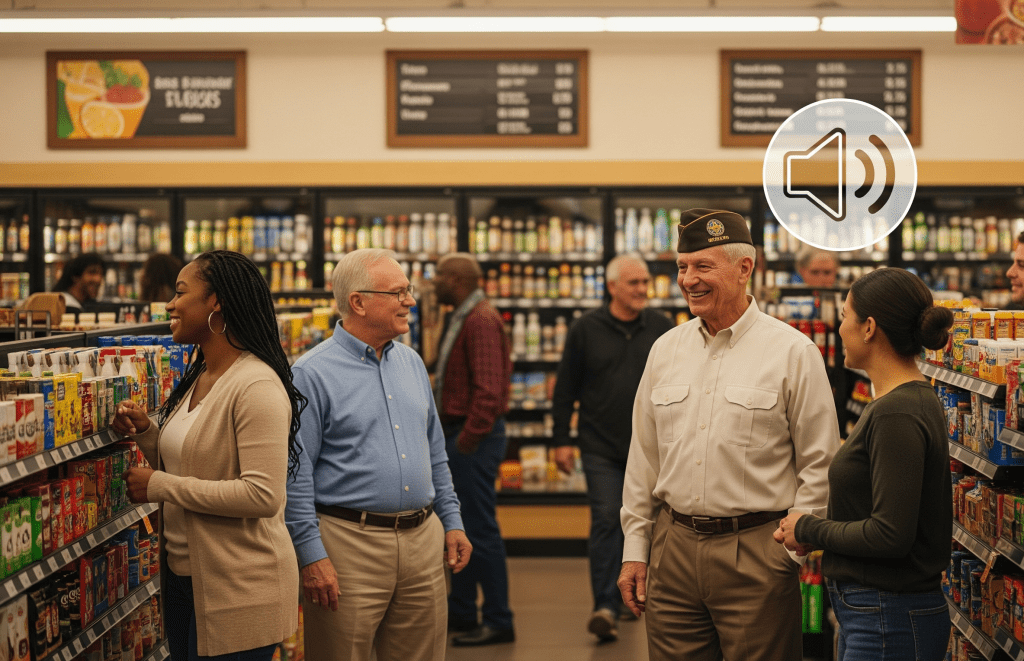
In the evolving world of retail media, sound is emerging as a powerful, often overlooked, secret weapon. CSP Daily News highlights that in-store audio—ranging from background music to targeted advertisements—can significantly influence purchasing decisions, direct shoppers to specific products, and combat brand indifference. With 96% of consumers still visiting brick-and-mortar stores, in-store audio offers an unskippable and pervasive way to engage your customers at the point of purchase.
Why It Matters to C-Store Owner/Operators: Think about it: your customers are already in your store. Audio gives you a direct line to them, subtly influencing their behavior and enhancing their experience. It’s not just about annoying jingles; it’s about a curated soundscape that can promote new products, highlight daily deals, guide customers to specific aisles, and reinforce your brand’s personality. This can lead to increased impulse buys, improved customer flow, and ultimately, higher basket sizes.
What You Should Be Doing:
- Develop an Audio Strategy: Don’t just play random music. Create a curated playlist that aligns with your brand and target demographic.
- Implement Targeted Audio Ads: Use in-store audio to announce daily specials, new product arrivals, or promotions. You can even direct customers to specific locations within the store.
- Enhance the Customer Experience: Use audio to create a more inviting and engaging atmosphere. Consider what kind of sound enhances your store’s image and makes customers want to linger (and spend) longer.
- Integrate with Retail Media: View in-store audio as part of a broader retail media strategy that might include digital screens, pump-top advertising, and loyalty app promotions.
- Measure and Adjust: If possible, track the impact of specific audio promotions on sales of advertised products. Refine your audio strategy based on performance data.
More Information: CSP Daily News.
The Bottom Line
The convenience store industry is dynamic, always evolving. From the subtle art of “newstalgia” to the powerful, yet often unseen, force of audio intelligence, these trends offer concrete ways to grow your business. By understanding your younger customers, optimizing your core operations, fostering community connections, and creatively engaging through sound, you’re not just reacting to change—you’re driving it.
Keep innovating, keep serving your communities, and keep an eye on these opportunities to truly unlock your store’s potential.

 The5For
Leave a comment