Welcome back to The5For, where we dive into the most impactful news shaping our convenience store world. We know the pace of change in our industry is relentless. New challenges and exciting opportunities are emerging faster than ever, demanding that we stay informed and agile. This isn’t just about keeping up; it’s about transforming our businesses to thrive in a dynamic market.
Every week, I bring you a concise, expert-led look at the developments that truly matter. Our goal is always to turn information into actionable strategies, helping you navigate the shifts and capitalize on the trends. This morning, we’re looking at 5 critical updates from Friday, July 11th, that underscore the accelerating digital transformation, the evolving role of foodservice, and the significant impact of global economics on our daily operations. Let’s get right into it.
1. The Digital Leap – EG America’s Vroom Delivery Partnership
A major development this past week saw EG America, a significant player in our industry with 1,500 stores operating under ten different banners, including well-known names like Cumberland Farms and Kwik Shop, announce a strategic partnership with Vroom Delivery. This collaboration is designed to roll out online ordering and delivery services across hundreds of their locations, with 500 stores already live and more planned.
What’s particularly noteworthy is how this partnership is structured. EG America is leveraging Vroom Delivery’s platform to centralize and manage its presence across various third-party marketplaces, such as DoorDash, Uber Eats, and Grubhub. A standout feature of Vroom’s offering is its Automated Menu Management (AMM) system. This ingenious system automatically populates each store’s online menu with every product available in-store, completely eliminating the need for manual updates and ensuring accuracy. This initiative is a core part of EG America’s broader strategy to enhance its foodservice programs, recognizing the growing importance of digital convenience in today’s market.
Why It Matters to You
This move by EG America isn’t just a story about a large chain; it provides a clear blueprint for how digital integration can drive significant growth and operational efficiency for convenience stores of all sizes. It highlights the critical importance of having a seamless online presence, especially for delivery services, which, for Vroom Delivery, often see order volumes two to three times higher than pickup orders.
The Automated Menu Management system addresses a major pain point many of us face: keeping online menus accurate and up-to-date without extensive manual labor. This technology not only reduces the potential for out-of-stocks to under 1% of orders, as seen with H&S Energy using Vroom’s AMM, but also frees up our staff for more valuable tasks. This shift from manual updates to automated systems is transforming digital solutions from mere customer conveniences into fundamental operational efficiencies, directly impacting labor costs, inventory accuracy, and ultimately, profitability.
Furthermore, the strategic decision to use a central platform to manage multiple third-party marketplaces is a powerful lesson in digital strategy. It means avoiding the headache of juggling separate tablets and menus for each delivery app. A system that can manage orders from a store’s own app, website, DoorDash, or even an in-store kiosk, all flowing to a single centralized order-management system, ensures consistent pricing, accurate inventory, and a smooth order flow. This approach reduces errors and improves the customer experience across all digital touchpoints, offering a crucial lesson in scalability and efficiency for any C-store looking to expand its digital footprint.
What You Should Be Doing
- Evaluate Your Online Presence: Take a critical look at your current online ordering capabilities. Is it truly user-friendly, allowing customers to easily find and order products with just a few clicks?
- Explore Integrated Solutions: Research e-commerce platforms, similar to Vroom Delivery, that offer Automated Menu Management and can integrate seamlessly with popular third-party delivery services. Focus on solutions that promise to streamline your back-office operations and reduce manual effort.
- Prioritize Your Delivery Strategy: Given that delivery often outpaces pickup orders, ensure you have a robust delivery infrastructure in place, whether you’re utilizing in-house drivers or partnering with third-party services. Emphasize same-day delivery, stringent quality control, and transparent communication with your customers.
- Actively Market Your Digital Channels: Don’t just set up online ordering and expect customers to find it. Actively promote your online ordering and delivery options through your website, social media channels, and prominent in-store signage. Make it as easy as possible for customers to discover and use these convenient services.
More Information: CStore Dive.
2. Loyalty Reimagined – Minuteman Food Mart’s Record Growth
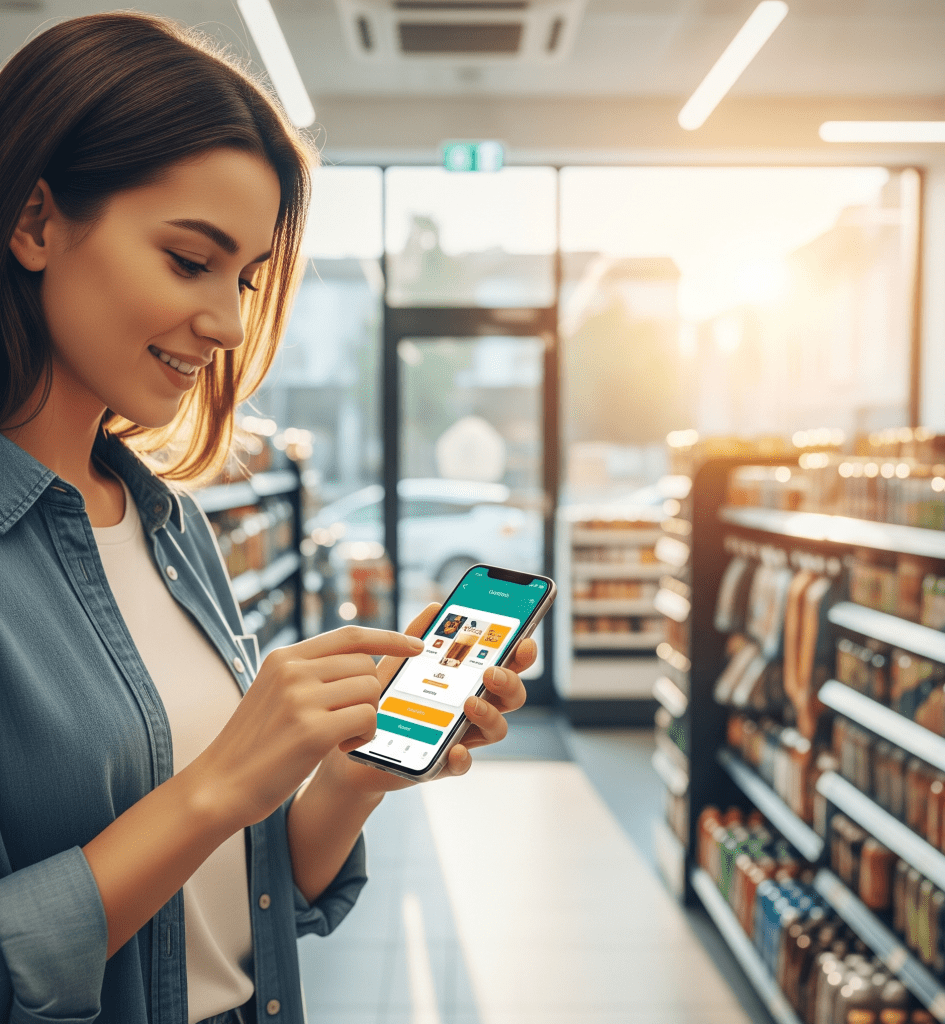
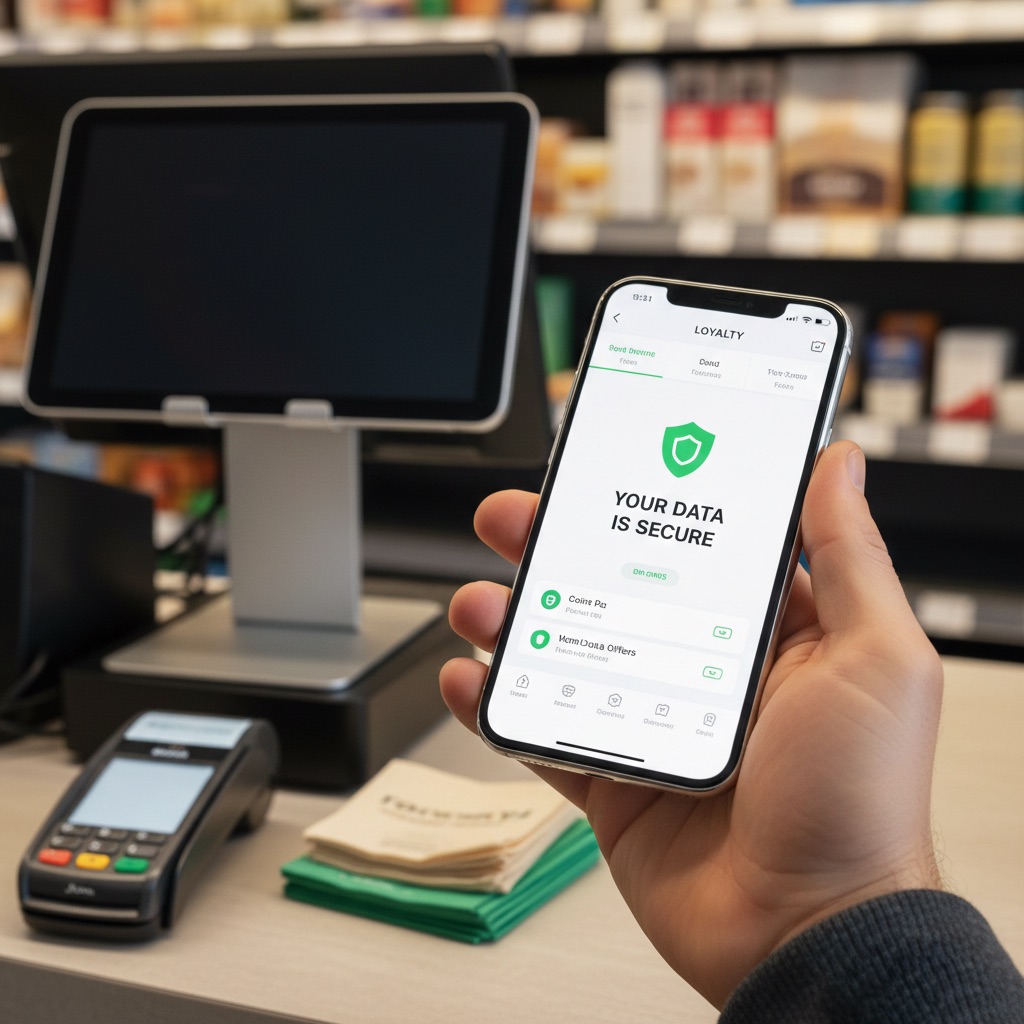
Minuteman Food Mart recently saw “record growth” thanks to a revamped “Minuteman Rewards” program. This updated loyalty initiative achieved an impressive overall participation rate of 30-35% across the chain, with some standout stores reaching even higher loyalty retention rates, ranging from 44% to 66%.
The success of this program is attributed to several key improvements. These include an enhanced app design, streamlined navigation that makes it easier for guests to interact, and new, more convenient ways for members to access and redeem deals. Consistent promotion of limited-time offers, such as the popular “Summer of Savings” giveaway, also played a significant role in keeping members engaged. Crucially, the program effectively drives higher foot traffic from the fuel forecourt directly into the store by offering member-only in-store promotions alongside everyday fuel savings.
Why It Matters to You
Minuteman’s remarkable success clearly demonstrates that a well-designed loyalty program can be a powerful engine for growth, significantly increasing customer participation and driving valuable in-store sales beyond just fuel. This is a strategic shift: instead of merely rewarding fuel purchases, the program leverages fuel as an entry point to encourage higher-margin in-store sales. The program actively incentivizes customers to come inside and experience the full Minuteman offering, directly impacting overall profitability.
This case also highlights that modern loyalty programs are about more than just accumulating points; they’re about creating a seamless, engaging digital experience that provides tangible value and encourages deeper interaction with your brand. The emphasis on “improved design and streamlined navigation” and “new ways to access deals and redeem rewards” aligns perfectly with what customers truly want: ease of use and quick benefits. For convenience store shoppers who visit frequently, often 3-4 times a week, immediate rewards are highly valued. This means complex point systems or delayed gratification are less effective in our fast-paced environment. Even smaller C-stores can implement effective, affordable loyalty solutions that integrate with existing POS systems and offer automatic rewards, such as those that allow for QR code signups or SMS-based rewards, making the program as convenient as the store itself.
What You Should Be Doing
- Prioritize User Experience: If you currently have a loyalty app, invest in its design and navigation to ensure it’s intuitive and exceptionally easy for customers to use. If you’re launching a new program, prioritize mobile-first enrollment methods like QR codes or SMS sign-ups, and ensure redemption is simple and quick at the checkout.
- Offer Diverse and Relevant Rewards: Expand beyond just fuel discounts. Include compelling in-store promotions, personalized offers based on individual purchase history, and even consider gamification elements or unique experiential rewards to keep engagement high.
- Actively Drive In-Store Engagement: Design your loyalty program to actively encourage customers to step inside your store after they’ve filled up their tanks. Promote exclusive in-store deals specifically for members to maximize this opportunity.
- Leverage Data for Personalization: Utilize customer purchase data from your Point of Sale (POS) system to segment your audience effectively. This allows you to tailor rewards that truly resonate with their specific habits and preferences, making the program feel more personal and valuable.
- Ensure Comprehensive Staff Training: Your team is the front line of your loyalty program. Ensure they are thoroughly trained, can explain the program’s benefits quickly and clearly, and are equipped to assist customers with sign-ups and redemptions efficiently.
More Information: CStore Dive.
3. The Sweet Spot – C-Stores Dominating Proprietary Treats
A notable trend emerging this week is how convenience stores are increasingly leveraging proprietary sweet treat offerings, such as unique ice cream flavors and freshly baked goods, to generate significant profit and stand out from competitors, including traditional restaurants. This strategy is built on several pillars: creating unique products that customers can only find at their locations, increasing profit margins on these items, and capitalizing on cross-promotional opportunities. For example, BP has successfully bundled a donut with a Red Bull for a combined price.
Successful programs in this category emphasize freshness and flavor, as exemplified by TXB’s popular fresh bakery program. There’s also a strong focus on innovation, from “over-the-top” ice cream creations with numerous inclusions and toppings to build-your-own ice cream bars and even “avant-garde” flavors like spicy-sweet or Asian-inspired options. This focus on unique and high-quality food items is part of a broader foodservice revolution within our industry, where C-stores are rapidly becoming “real alternatives” to Quick-Service Restaurants (QSRs).
Why It Matters to You
Proprietary food items, especially sweet treats, offer significantly higher profit margins compared to traditional packaged goods. They also create a unique selling proposition that differentiates your store, offering something customers can’t find anywhere else. This is a direct competitive advantage, as consumers are increasingly viewing C-stores as viable foodservice destinations. In fact, some research shows that C-store pizza is even edging out chain pizza in taste ratings, and 72% of consumers now see C-stores as a “real alternative” to fast food, a significant jump from last year.
This shift presents a tremendous opportunity to capture market share from QSRs. By developing your own private label products, you gain greater control over product quality, pricing, and your supply chain, which can be crucial during inflationary times. Furthermore, this strategy allows you to cater to evolving consumer preferences that include both indulgent “treat yourself” options and a growing demand for “better-for-you” choices, such as high-protein snacks or items with cleaner ingredients.
While taste and value are important, it’s crucial to understand that cleanliness is a paramount factor in how consumers perceive food freshness in C-stores. A clean store directly shapes how fresh shoppers believe the food is, with 70% of shoppers linking a clean environment to food freshness. This means that investing in cleanliness and hygiene is not just about compliance; it’s a direct marketing and sales strategy that builds trust and enhances the perceived quality of your foodservice offerings, directly impacting customer loyalty and repeat visits.
Here’s a look at how C-store foodservice is gaining ground:
- C-Store Foodservice Growth (2024): 5%
- C-Store Foodservice Growth (2025 est.): 5.7%
- Consumers seeing C-stores as “real alternative” to QSRs (2024): 56%
- Consumers seeing C-stores as “real alternative” to QSRs (2025): 72%
- Consumers saying C-store food is “just as fresh” as grocery/fast-food: 43%
- Consumers saying C-store food is “even fresher”: 11%
- Consumers saying made-to-order food is “good value” (2024): 62%
- Consumers saying made-to-order food is “good value” (2025): 75%
- Fastest-growing made-to-order category: Sandwiches, wraps, paninis
- Increase in customers buying breakfast items (2024 vs. 2025): 7 percentage points
- Shoppers linking clean store to food freshness: 70%
What You Should Be Doing
- Innovate Proprietary Offerings: Explore developing your own unique sweet treats and baked goods. Focus on creating “over-the-top” indulgent options, using fresh ingredients, and even experimenting with adventurous flavors to capture customer interest.
- Emphasize Freshness and Quality: Implement strict food preparation procedures, including proper time labeling and temperature control, to ensure consistent quality. Ensure your staff are thoroughly trained on food assembly, allergen awareness, and proper handling techniques.
- Prioritize Store Cleanliness: A pristine environment is directly linked to how customers perceive the freshness and quality of your food. Maintain impeccable cleanliness standards throughout your store, especially in all foodservice areas.
- Implement Strategic Cross-Promotions: Create attractive bundles that combine your proprietary treats with other high-margin items, such as coffee or energy drinks, to increase the average basket size and encourage impulse purchases.
- Stay Attuned to Consumer Trends: Continuously monitor evolving consumer preferences for both “better-for-you” and indulgent options and adapt your offerings accordingly to remain competitive and relevant.
More Information: NACS.
4. The Tariff Tangle – Coffee Price Hike on the Horizon
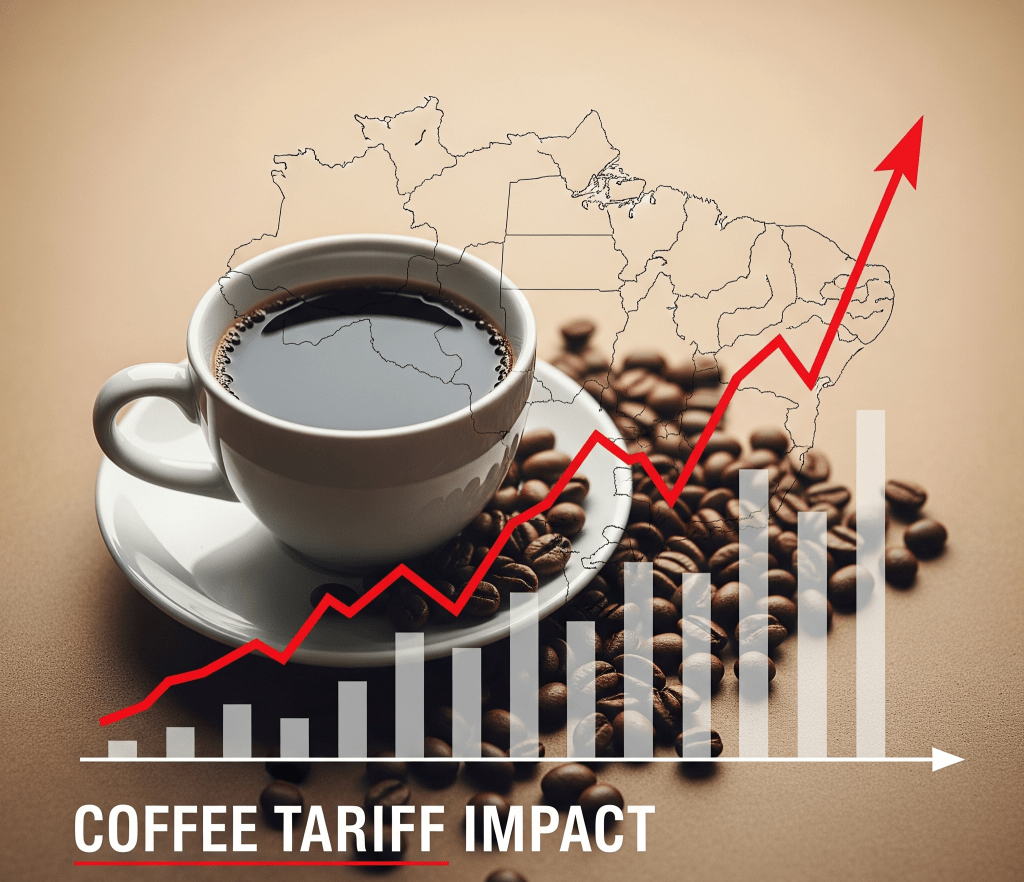
A significant economic announcement this week came from President Donald Trump, who declared a substantial increase in tariffs on Brazilian imports to 50%, effective August 1, 2025. This move is expected to trigger sharp price increases for U.S. consumers on essential food items, particularly coffee and orange juice. This is largely because Brazil is a major global supplier, providing approximately one-third of the coffee consumed in the U.S. and more than half of its orange juice.
Industry experts and traders are expressing considerable concern about the economic feasibility of selling Brazilian coffee to the U.S. with such a high tariff. They anticipate that this will lead to “more costs and more inflation to American consumers,” with coffee prices potentially rising “quite a lot”. This situation underscores that “tariffs are a tax on U.S. businesses, not foreign producers,” and these increased costs will inevitably need to be passed through to consumers.
Why It Matters to You
Coffee is a cornerstone category for many of our convenience stores, often a daily ritual for countless customers. A 50% tariff on imports from Brazil will directly and substantially increase your cost of goods for this critical product, significantly impacting your margins and likely necessitating noticeable price adjustments for your customers. This situation highlights your vulnerability to global political and economic decisions, emphasizing the critical need for flexible supply chain management and proactive pricing strategies.
This scenario is a stark reminder of how macro-level geopolitical decisions can have immediate, tangible, and significant financial impacts on local C-store operations. Brazil’s substantial share of the U.S. coffee market means a 50% tariff represents a considerable cost shock, requiring immediate attention and a strategic response beyond typical demand forecasting to include political risk assessment in your supply chain planning.
The tariff threat also underscores the dangers of over-reliance on a single source country for key commodities and the imperative for robust supply chain resilience. Brazilian producers are likely to redirect shipments, and prices from lower-tariff origins may rise as buyers adjust their sourcing strategies, creating a ripple effect across the global market. General best practices like diversifying your supplier base and maintaining safety stock for essential items become urgent necessities in such an environment.
Here’s a summary of the potential impact:
- Tariff Rate on Brazilian Imports: 50% (up from 10%)
- Effective Date: August 1, 2025
- Brazil’s Share of US Coffee Imports: ~30-33%
- Brazil’s Share of US Orange Juice Imports: >50%
- Industry Forecast: “Sharp price increases” for consumers; coffee prices rising “quite a lot”
- Impact on US Businesses: Tariffs are a tax on US businesses; costs must be passed through
What You Should Be Doing
- Review Your Coffee Supply Contracts Immediately: Assess how much of your current coffee supply originates from Brazil and how your existing contracts account for potential tariff increases.
- Communicate Proactively with Suppliers: Engage with your coffee distributors and suppliers without delay to understand their plans for managing the tariff impact. Explore potential alternative sourcing options from regions not affected by these tariffs.
- Prepare for Price Adjustments: Be ready to adjust your coffee pricing to reflect these increased costs. Consider implementing incremental price increases or developing value messaging to help mitigate any potential consumer sticker shock.
- Diversify Your Sourcing (Long-Term Strategy): Begin exploring coffee suppliers from other regions to reduce your reliance on a single country. This proactive approach will help build greater supply chain resilience against future geopolitical or economic shocks.
- Monitor News Closely: Stay continuously informed about any further developments regarding these trade policies. Changes can occur rapidly and have immediate impacts on your cost of goods.
More Information: Restaurant Dive.
5. The C-Store Foodservice Revolution: Beyond the Pump
Our industry is undergoing a fundamental transformation, with convenience stores rapidly becoming “go-to destinations for foodservice needs.” We are increasingly offering quick, high-quality meals that are not just rivaling but, in many cases, outperforming traditional Quick-Service Restaurants (QSRs).
The growth figures are compelling: C-store foodservice grew by 5% in 2024 and is projected to climb another 5.7% in 2025. Overall, in-store sales hit a record $335.5 billion in 2024 and are expected to top an astounding $3 trillion by 2028.This growth is reflected in changing consumer perceptions, with a remarkable 72% of consumers now viewing C-stores as a “real alternative” to fast food, a significant jump from 56% just last year. This shift is fueled by the inherent convenience of our stores, a growing perception of value, and an increasing appreciation for C-store food quality. Notably, C-store pizza has even edged out chain pizza in taste ratings in some surveys. Key growth areas within this revolution include sandwiches, wraps, and paninis, alongside a rapidly rising breakfast category.
Why It Matters to You
Foodservice is no longer a secondary offering for convenience stores; it has become a primary revenue driver and a critical competitive differentiator that can significantly boost your overall profitability. We have a unique opportunity to capture market share from traditional QSRs by leveraging our existing convenience and adapting our offerings to meet evolving consumer demands for freshness, value, and variety.
Investing in foodservice can notably increase foot traffic to your store and encourage longer visits, especially as more consumers are choosing to dine in-store (up to 11% from just 3% in 2023). This also helps build stronger customer loyalty. While price is certainly a factor, consumers define “value” in C-store foodservice much more broadly. They are looking for variety, flexibility, and customization in their meal choices, with 74% indicating that more meal choices would make value offers more appealing, followed closely by lower prices and customization options at 72% each. This tells us that simply offering cheap food isn’t enough; it’s about a holistic “value equation” that includes quality, freshness, and the ability to tailor meals to individual preferences.
The increasing number of consumers choosing to “dine in-store” suggests that the physical environment and overall customer experience are becoming increasingly important for C-store foodservice. This implies that investing in more comfortable, inviting in-store dining areas, rather than just grab-and-go setups, can transform your C-store from a transactional point to a mini-restaurant or cafe. This fosters longer dwell times and potentially higher spend per visit, while also reinforcing the foundational importance of cleanliness in building trust and enhancing the dining experience.
What You Should Be Doing
- Invest in Food Quality and Variety: Expand your offerings to include fresh foods, made-to-order options, and a diverse range of snacks. Focus on creating “crave-worthy meals” that cater to both indulgent preferences and the growing demand for “better-for-you” choices.
- Prioritize Impeccable Cleanliness: Ensure your entire store, especially all foodservice areas, is impeccably clean. This is the single most important factor influencing consumer perception of food freshness and quality.
- Offer Value Bundles and Customization: Develop attractive bundled meal deals and provide options for customization to enhance the perceived value for your customers. This meets their desire for variety and flexibility.
- Capitalize on Breakfast Offerings: Leverage the fast-growing breakfast market by offering quick, satisfying, and convenient breakfast items that cater to on-the-go consumers.
- Enhance the In-Store Experience: If your space allows, consider adding comfortable seating areas, Wi-Fi, or other amenities. These features can encourage customers to dine in, extend their visit, and transform your store into a preferred destination rather than just a quick stop.
More Information: CNBC.
The Bottom Line: Staying Agile in a Dynamic Market
This week’s news underscores a clear message for all convenience store owner/operators: our industry is not just surviving; it’s undergoing a profound transformation. We’ve seen the undeniable power of digital integration, exemplified by EG America’s partnership, which streamlines operations and expands reach. We’ve explored the strategic importance of evolving customer loyalty programs, as demonstrated by Minuteman Food Mart, which effectively drives in-store engagement beyond fuel. We’ve also highlighted the growing dominance of foodservice, particularly proprietary treats, where C-stores are increasingly rivaling and even outperforming traditional QSRs. Finally, the looming coffee tariffs from Brazil serve as a potent reminder of how global economic and political events can directly impact our local cost of goods and supply chains.
These developments, while distinct, are deeply interconnected. The success of digital ordering platforms, for instance, directly amplifies foodservice strategies. A robust loyalty program can significantly boost in-store food sales. The growth of proprietary treats is often bolstered by private label development and a keen focus on cleanliness, which enhances perceived quality. Even the challenges posed by coffee tariffs highlight the urgent need for agile supply chain management, which increasingly relies on digital tools.
This means avoiding siloed thinking. Success in today’s convenience retail landscape demands a holistic approach where technology, an exceptional customer experience, and continuous product innovation reinforce each other. Adaptability, a willingness to innovate, and an unwavering focus on understanding and meeting customer needs are not merely buzzwords; they are essential for sustained success and profitability. By embracing these changes as opportunities, we can continue to transform our businesses, build stronger relationships with our customers, and ensure our stores remain vital, thriving hubs in our communities.

 The5For
Leave a comment