Hey there, convenience store owner/operators!
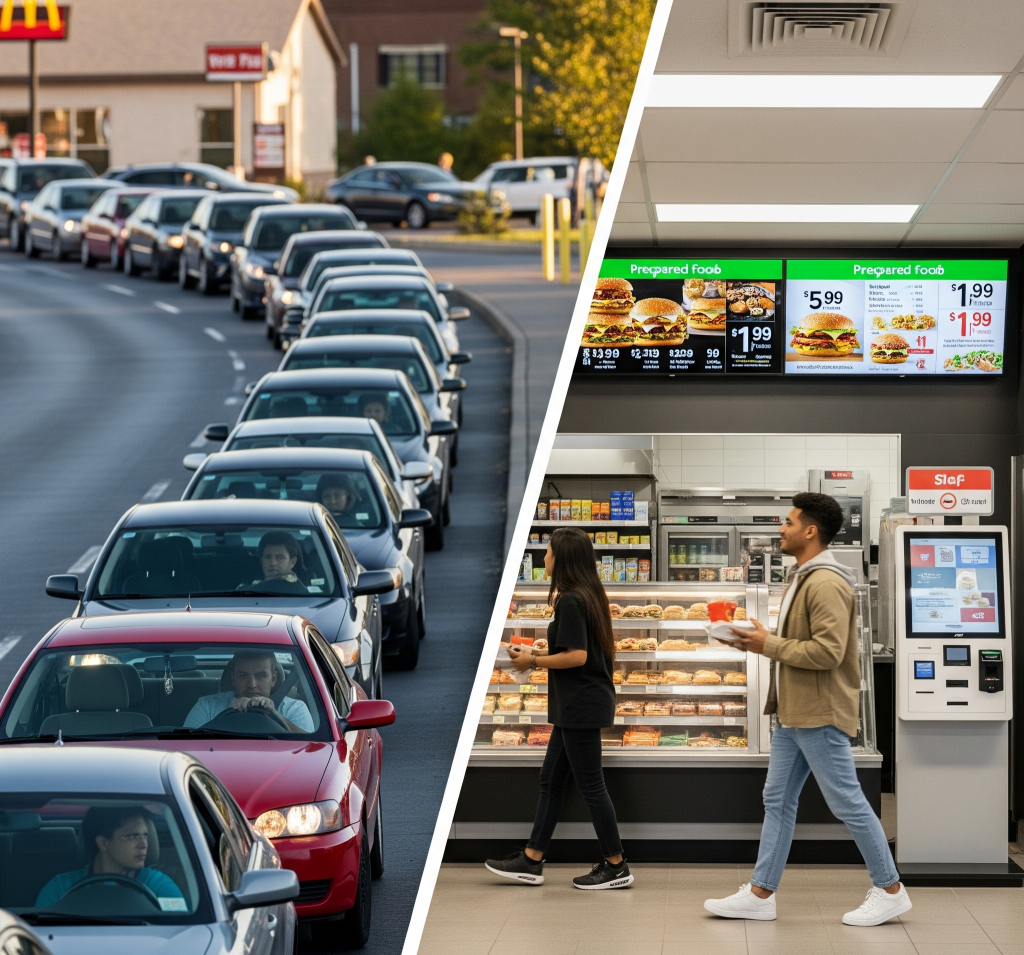
We’ve seen our industry evolve at warp speed. It wasn’t that long ago that stores were primarily about fuel, tobacco, and a quick grab-and-go snack. But if you haven’t noticed the seismic shift happening right under our noses, it’s time to pay close attention. The game has changed, and prepared food isn’t just a growing category anymore—it’s becoming the very heartbeat of our businesses.
I’ve been digging into the latest industry reports, and the message is crystal clear: customers are increasingly walking through our doors specifically for prepared food. This isn’t just a bonus sale; it’s the primary reason for their visit. In fact, foodservice has now officially surpassed tobacco as the largest share of in-store sales. Think about that for a moment. This isn’t just a trend; it’s a fundamental redefinition of what a convenience store is. We’re not just c-stores anymore; we’re becoming legitimate food destinations, directly competing with quick-service restaurants (QSRs) and even grocery stores.
So, what does this mean for your store? It means opportunity, but it also means adapting. Let’s break down the 5 key insights from recent research and discuss what you should be doing to not just survive but thrive in this exciting new landscape.
1. The Food Revolution is Here: You’re a Restaurant Now!
Recent studies show that prepared food is now the number one reason people visit convenience stores, moving beyond its traditional role as an add-on to a fuel stop. This isn’t just anecdotal; the percentage of shoppers buying prepared food monthly has jumped a staggering 25 points in just two years, reaching an 80% penetration rate among regular c-store shoppers. What’s more, our foodservice sales growth is projected to outpace that of quick-service restaurants in 2024. And here’s the kicker: 56% of consumers now view convenience stores as viable substitutes for fast-food chains.
Why This Matters to You: This is perhaps the most critical shift. Your store is no longer just a place to fill up or grab a soda. It’s a legitimate food destination. This means your entire business model needs to pivot from being “fuel-centric” to “food-centric.” If you’re still treating prepared food as an afterthought, you’re missing out on the biggest growth driver in our industry. You’re now directly competing with the McDonald’s, Subways, and local delis of the world. This is a massive opportunity to capture market share and redefine your store’s identity.
What You Should Be Doing:
- Reorient Your Strategy: Make prepared food a core pillar of your business plan, not just a supplementary offering.
- Invest in Foodservice: Allocate significant resources to your food program, from equipment and ingredients to staff training.
- Market Your Food: Promote your prepared food offerings as the primary reason to visit your store. Highlight daily specials, new items, and meal deals.
- Think Like a Restaurant: Adopt a “restaurant-like” approach to your foodservice operations and financials.
2. Quality & Value Trump Pure Convenience (But Convenience Still Matters!)
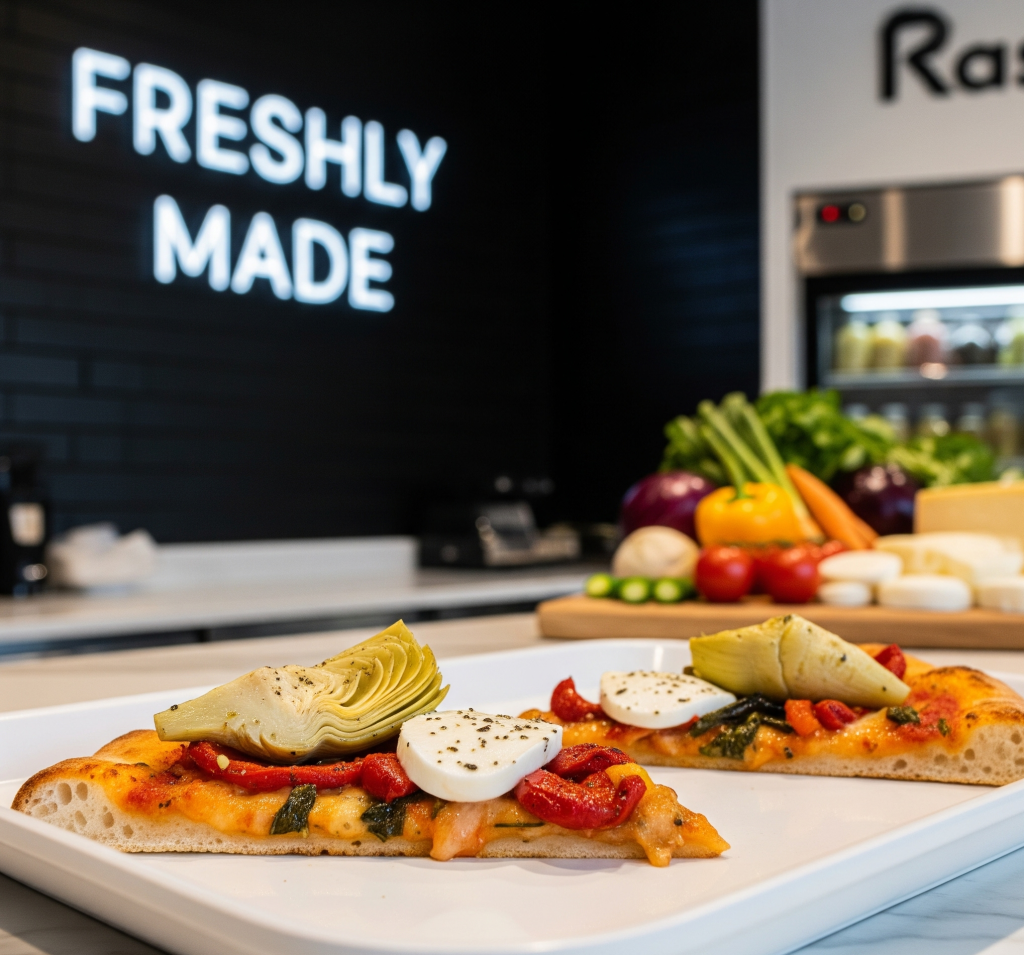
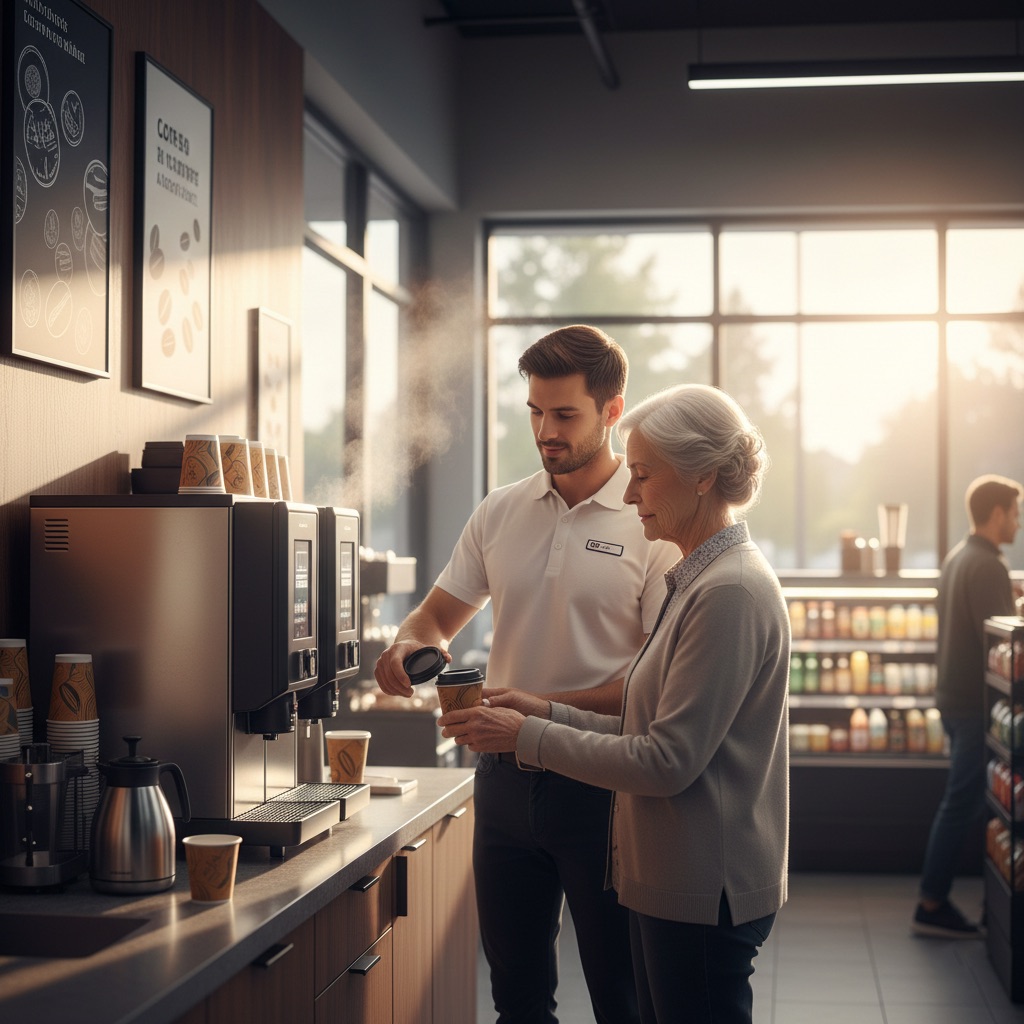
While convenience is our middle name, consumers are surprisingly discerning when it comes to prepared food. The top factors influencing their purchase decisions are Price/value (44%), Food quality (37%), Taste (35%), and Freshness (33%), with Convenience/portability coming in fifth at 26%. Furthermore, 40% of prepared food buyers are opting for made-to-order or freshly made items over grab-and-go. While fast-casual and grocery stores still hold a perception edge in food quality, that gap is narrowing as their own quality perceptions decline.
Why This Matters to You: This is a crucial insight. It tells us that simply being “convenient” isn’t enough anymore. Your customers want good food, conveniently. They’re willing to wait a little longer for something fresh and made just for them. This is where you can truly differentiate your store. By focusing on genuine quality, taste, and freshness, you can overcome historical perceptions and build a loyal customer base that sees your c-store as a go-to for delicious meals.
What You Should Be Doing:
- Prioritize Food Quality: Invest in high-quality ingredients and ensure consistent preparation. Taste tests are your friend!
- Embrace Made-to-Order: If feasible, expand your made-to-order options. This could be anything from custom sandwiches to fresh-made pizzas.
- Focus on Freshness: Emphasize the freshness of your ingredients and prepared items. Clear displays and transparent packaging can help.
- Communicate Value: Highlight the value you offer, great quality and taste at a competitive price, not just the lowest price.
3. Meet Your New Customers: Diverse, Digital, and Hungry for More!
The customer base is evolving. The shares of female, Gen Z, and Hispanic/Latino consumers purchasing prepared food and beverages at c-stores each rose by 2 points from 2022 to 2023. This is significant, especially given that c-stores have historically struggled to engage female consumers. There’s also a growing interest in healthier options, ethnic foods (like Indian food), and take-home meals. Plus, the “cooking convenience” trend, think meal starters, global sauces, and next-generation frozen meals, is on the rise, catering to those who want exciting flavors at home without the hassle.
Why This Matters to You: These demographic shifts represent the future of our market. Gen Z, in particular, is digitally native and values diverse options. Hispanic/Latino consumers are a key growth driver. By understanding and catering to these evolving preferences, you can unlock significant new revenue streams and build a broader, more loyal customer base. Ignoring these shifts means missing out on substantial growth.
What You Should Be Doing:
- Diversify Your Menu: Explore adding healthier options (fresh produce, salads), ethnic dishes, and convenient take-home meals.
- Tap into “Cooking Convenience”: Consider stocking meal starters, global sauces, and innovative frozen items that allow customers to create exciting meals at home.
- Tailor Marketing: Develop marketing campaigns that resonate with female, Gen Z, and Hispanic/Latino consumers.
- Leverage Digital Engagement: Use mobile apps and social media to reach these tech-savvy demographics.
4. Tech Up and Tweak Operations: The Path to Profitability
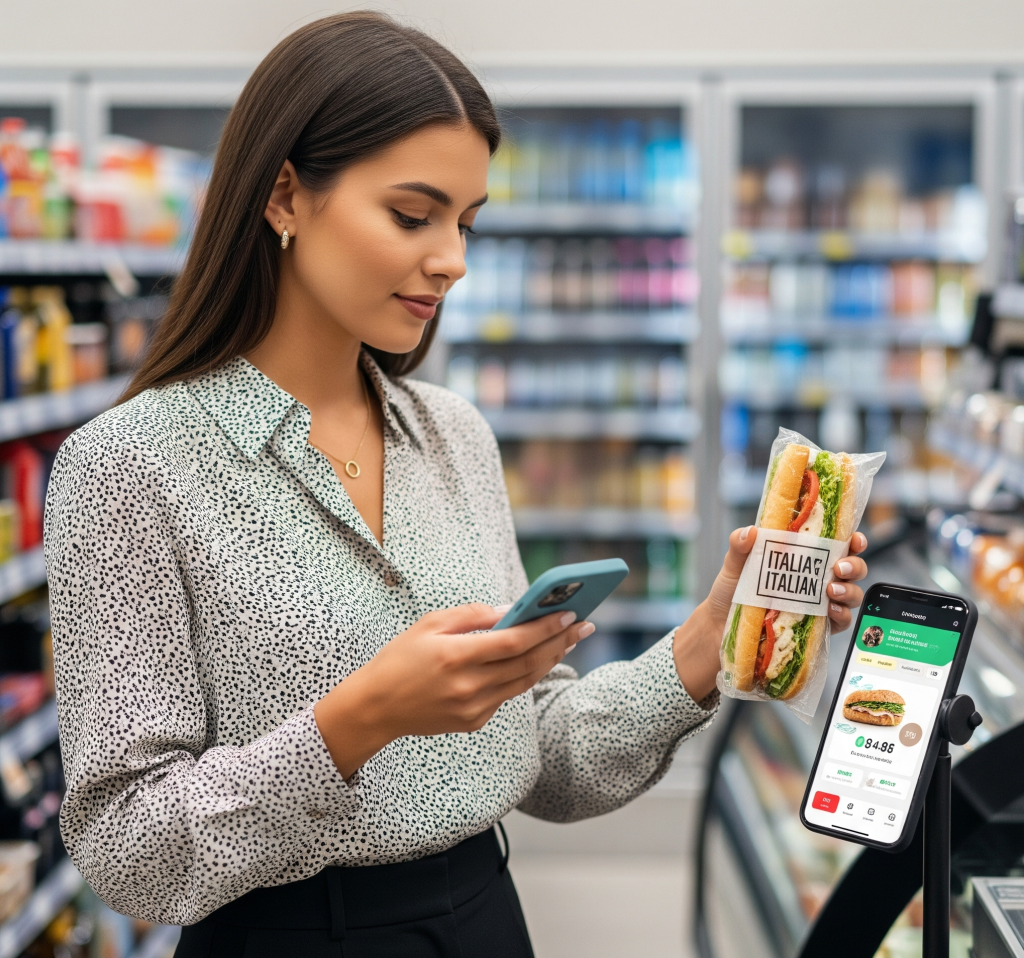
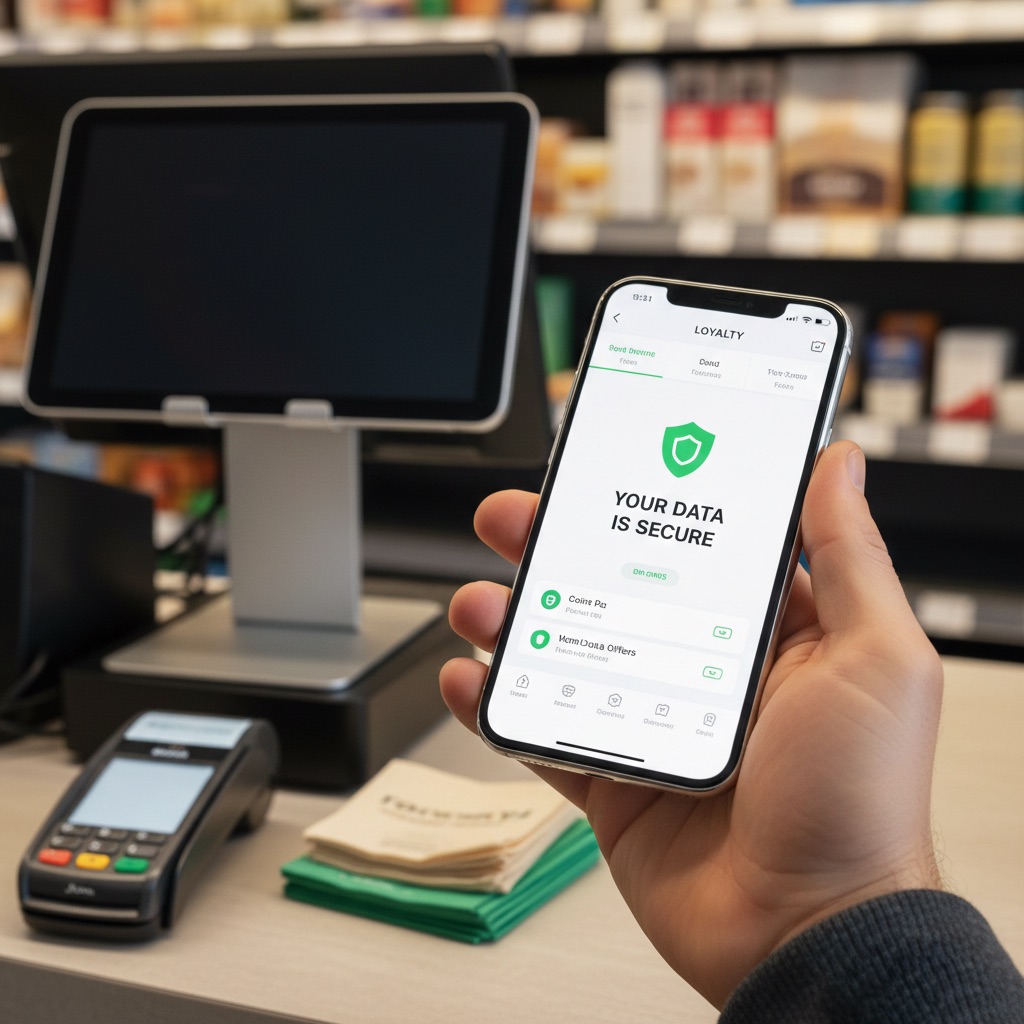
Technology is no longer a luxury; it’s a necessity. Mobile apps, loyalty programs (like 7-Eleven’s 7Rewards and Casey’s app), self-service kiosks, and CRM systems are crucial for enhancing customer experience, personalizing offers, and driving retention. Operationally, the shift to prepared food means new inventory management challenges, especially for grab-and-go items. And remember that “restaurant-like” financial approach? It’s vital for ensuring profitability, as traditional retail metrics don’t fully apply to foodservice.
Why This Matters to You: To truly scale your foodservice program and maximize profitability, you need the right tools and the right mindset. Technology streamlines operations, reduces wait times, and gives you invaluable data on customer preferences. And managing perishable food inventory is a different beast than managing packaged goods. Adopting foodservice-specific financial metrics will help you accurately assess profitability and make smarter investment decisions.
What You Should Be Doing:
- Invest in a Robust Tech Stack: Implement or upgrade your mobile app, loyalty program, and CRM system. Consider self-service kiosks to improve speed and efficiency.
- Optimize Inventory Management: Develop sophisticated forecasting and waste reduction strategies specifically for your prepared food items.
- Adopt Foodservice Financials: Understand and apply foodservice-specific key performance indicators (KPIs) to track profitability accurately.
- Explore Partnerships: Consider collaborating with foodservice partners who have expertise in preparing and packaging fresh food to meet demand and maintain quality.
5. Future-Proof Your Footprint: EVs and Beyond
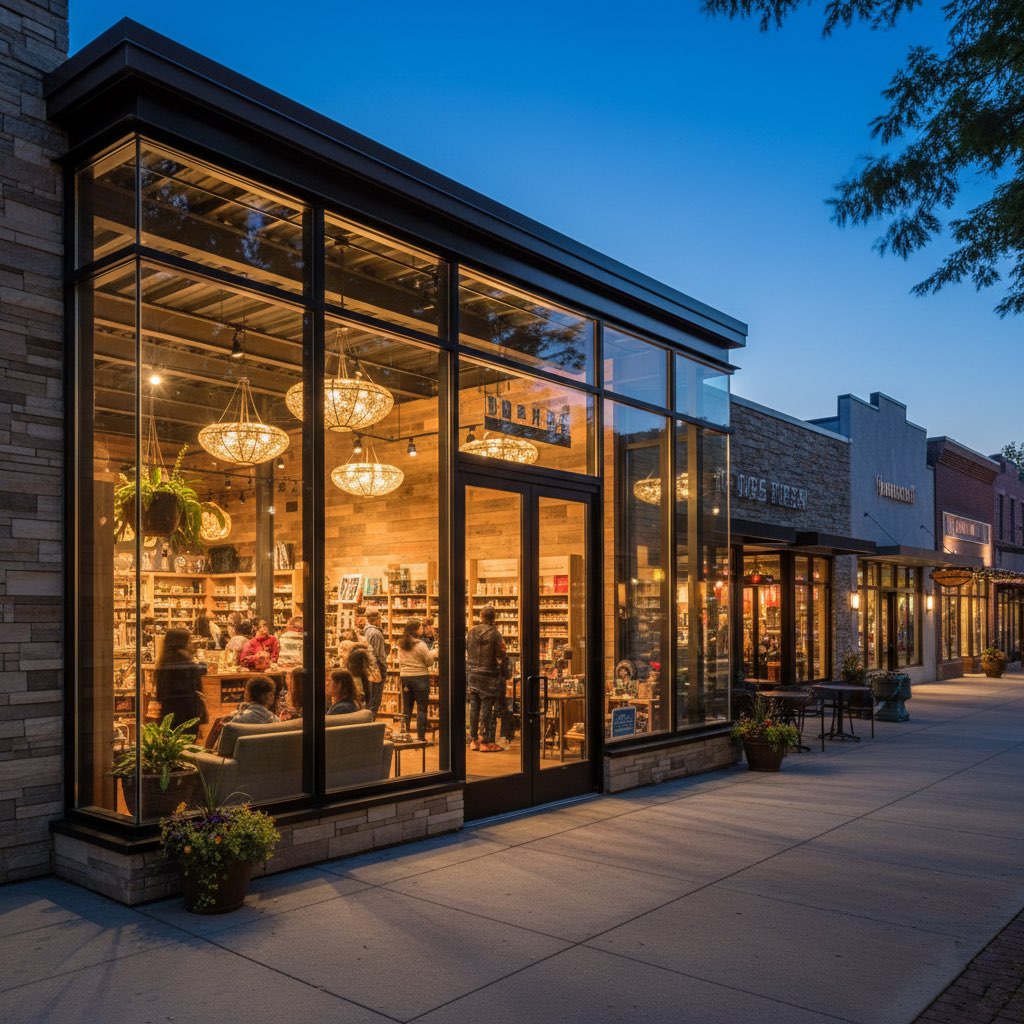
The growth in prepared food is directly impacting real estate needs, leading to investments in larger store formats to accommodate expanded food preparation areas. Operators are also exploring new locations in urban centers, college campuses, and downtown areas, moving beyond traditional roadside sites. A critical future consideration is the rise of electric vehicles (EVs). As EV adoption grows, c-stores must prepare for intensified competition and adapt their strategies.
Why This Matters to You: Your physical space needs to evolve with your offerings. More food means more prep space, more display space, and potentially a different customer flow. And the EV revolution is a game-changer. While it might reduce fuel sales, it creates longer dwell times for customers charging their vehicles. This is a golden opportunity to turn your store into a destination where customers can enjoy a high-quality meal while they wait.
What You Should Be Doing:
- Evaluate Your Layout: Assess your current store layout. Do you have enough space for expanded food prep, display, and seating (if applicable)?
- Consider New Locations: Explore non-traditional locations like urban centers or college campuses if they align with your brand and target demographics.
- Plan for EVs: If you’re not already, start planning for EV charging stations. Crucially, integrate these with your foodservice offerings, positioning your store as a convenient and appealing stop for EV owners.
The Bottom Line
The convenience store industry is in the midst of an exciting transformation, and prepared food is leading the charge. This isn’t just about adding a few hot dogs to the roller grill; it’s about fundamentally rethinking our business, our customers, and our competitive landscape. By embracing this shift, focusing on quality and value, understanding our evolving customer base, leveraging technology, and strategically planning for the future, we can ensure our c-stores remain vital, profitable, and truly convenient destinations for years to come.
The future is food-centric, and it’s yours for the taking. Let’s get cooking!

 The5For
Leave a comment