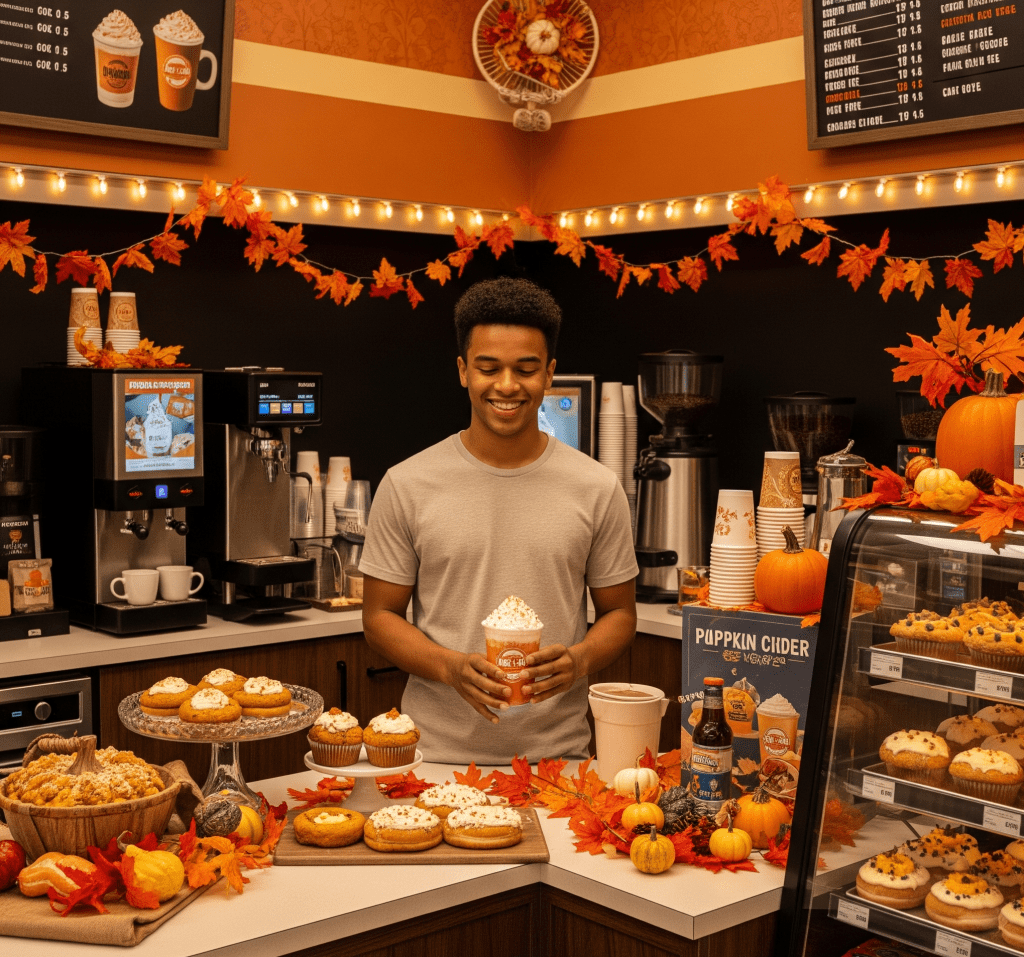
Good morning convenience store owners and operators! It’s Wednesday, July 23rd, and I’ve just wrapped up my deep dive into the latest industry happenings from Tuesday. As someone who lives and breathes convenience retail, I always keep an eye on the trends that can truly impact the bottom line and how we serve our communities. Yesterday, 5 news items really jumped out at me, and I wanted to share my thoughts on why they matter to you and what actionable steps we can all take. Let’s get into it!

1. The Foodservice Flavor Explosion: Get Ready to Experiment!
We’re witnessing a real “flavor explosion” in the foodservice sector, and convenience stores are right at the heart of it. Major players like 7-Eleven, EG America, Arko Corp., and Rutter’s are rolling out an incredible array of limited-time offers (LTOs) and innovative new menu items. We’re talking about everything from 7-Eleven’s Bacon Lover’s Pizza and Jalapeño Ranch Chicken Taquito to Rutter’s unique hot dogs like the Fried Pickle Dog and Spicy Slaw Sausage. This isn’t just about adding new items; it’s about pushing the boundaries with diverse and bold flavor profiles. EG America, for instance, has a watermelon Sour Patch Kids-inspired Hyperfreeze flavor, showing a clear move towards adventurous beverage options.
Beyond LTOs, many are expanding their proprietary food programs, like Arko Corp.’s “Fas Craves,” which includes hot and cold grab-and-go items such as crispy chicken biscuits and jumbo chicken wings. Even existing menus are getting a boost, with 7-Eleven enhancing breakfast at Laredo Taco Company and Speedy Café adding thin crust pizza. We’re also seeing smart strategic partnerships, like Stinker Stores teaming up with Mojo’s Donuts and Costa Coffee, to diversify their offerings without having to build everything in-house. The emphasis on beverage customization, with new components like chocolate soft whip cold foam, further highlights how c-stores are catering to evolving consumer tastes.
Why You Should Be Interested: Foodservice is no longer just an add-on; it’s a major revenue driver for convenience stores, accounting for 27% of in-store sales and generating $88 billion in 2023. Sales of prepared foods have grown over 12% year-over-year. Our customers are increasingly looking for quick, fresh, and high-quality meal options, and they view c-stores as viable alternatives to quick-service restaurants (QSRs). This flavor innovation isn’t just a trend; it’s a direct response to consumer demand for unique and exciting food experiences. When you offer these bold flavors, you’re not just selling a meal; you’re selling an experience that can significantly increase your average basket size and draw in new customers.
What You Should Be Doing:
- Embrace Limited-Time Offers (LTOs): Experiment with unique and bold flavors for a limited period. This creates excitement and a sense of urgency, encouraging customers to try new things before they’re gone.
- Analyze Your Local Market: Look at what’s popular in your area. Are there local food trends or popular regional flavors you can incorporate into your prepared food offerings?
- Consider Strategic Partnerships: If building a full kitchen isn’t feasible, explore partnerships with local bakeries, coffee shops, or specialty food vendors to diversify your offerings and bring in unique items without heavy investment.
- Focus on Customization: For beverages and even some food items, offer options for customers to personalize their orders. This could be different sauces, toppings, or flavor shots that cater to individual preferences.
- Promote Your Foodservice Loudly: Use in-store signage, digital displays, and social media to highlight your new and exciting foodservice options. Make sure customers know you’re a destination for great food, not just fuel.
More Information: Read about the latest foodservice flavor innovations here: CStore Dive
2. Beef Prices: Navigating the High Cost of a Staple
Here’s a tough one: ground beef prices have hit record highs, soaring to an average of $6.12 per pound in June, up nearly 12% from a year ago. Steaks are even pricier, reaching $11.49 per pound, an 8% jump. This isn’t a temporary blip; experts suggest prices could remain high through 2026 and beyond. The main reason for this surge is a shrinking cattle herd, now at its lowest level in over 70 years due to years of drought making feed more expensive. Additionally new tariffs on Brazilian beef imports, starting August 1st, could further disrupt supply chains, as Brazil accounts for about 23% of U.S. beef imports. Despite these rising costs, consumer demand for beef remains strong, especially during peak grilling season.
Why You Should Be Interested: If your convenience store offers prepared foods that include beef – think burgers, hot dogs, burritos, or even grab-and-go sandwiches, these escalating prices directly impact your food costs and, by extension, your profit margins. We know that rising ingredient and packaging prices are a top concern for c-store operators. This situation isn’t just about managing costs; it’s about strategically adapting your menu and pricing to maintain profitability without alienating your customers. It’s also an opportunity to explore alternatives and highlight other popular food options.
What You Should Be Doing:
- Review Your Foodservice Menu: Evaluate your beef-heavy items. Can you introduce new, equally appealing options that use less expensive proteins like chicken, pork, or plant-based alternatives?
- Optimize Portion Sizes: Look for ways to slightly adjust portion sizes for beef items without compromising customer satisfaction. Every little bit helps manage costs.
- Negotiate with Suppliers: Reach out to your food distributors. Can you secure better pricing through bulk orders, or explore alternative suppliers who might offer more competitive rates?
- Consider Dynamic Pricing: While sensitive, you might need to adjust prices for beef items to reflect the increased cost. Communicate transparently with customers if you do, perhaps by highlighting the quality of your ingredients.
- Promote Non-Beef Options: Actively market your delicious chicken sandwiches, plant-based burgers, or other non-beef items to guide customer demand towards more cost-effective choices.
More Information: Learn more about the record high beef prices here: MSN

3. Entertainment in C-Stores: Driving Family Foot Traffic
Jennifer Loper of C3 Brand Marketing recently highlighted a fantastic strategy for attracting families with children to convenience stores: combining “food and fun”. It’s not just about having kid-friendly food that parents know their children will eat; it’s about adding an element of entertainment. This could be as simple as fun packaging for a kids’ meal that incorporates your brand’s identity or including a small piece of entertainment like a sticker, a small toy, or a temporary tattoo. Wawa, for example, already offers a kids’ box with kid-friendly food and a small sticker. The key is that these items don’t need to be large or expensive; they just need to bring a moment of joy to the child. It’s also crucial to communicate these programs through social media or even at the pump.
Why You Should Be Interested: While purchases involving children might seem like a small percentage of overall sales, the impact is significant. Research shows that when children are present, the average check size can more than double. Why? Because kids don’t come alone! Parents or other adults are with them, and they are often more open to spending on extra items like desserts or additional snacks when their children are happy. Attracting families isn’t just about a single transaction; it’s about building multi-generational loyalty and increasing your overall sales and profitability. It helps position your store as a welcoming, family-friendly destination, which can differentiate you from competitors.
What You Should Be Doing:
- Develop a “Kids’ Meal” or “Kids’ Pack”: Create a simple, appealing meal option specifically for children, perhaps with a fun name.
- Invest in Fun Packaging: Design eye-catching packaging for your kids’ meals or snacks that includes illustrations, games, or puzzles related to your brand.
- Include a Small, Safe Toy: Partner with a supplier to source small, inexpensive, and most importantly, safe entertainment items like sticker sheets, temporary tattoos, or simple plastic figures. Ensure these meet all safety standards.
- Promote Your Family-Friendly Offerings: Use clear signage in-store, at the pump, and on your social media channels to let families know you cater to their needs. Highlight the “fun” aspect.
- Train Your Staff: Encourage your team to be welcoming to families and to highlight your kid-friendly options. A positive experience for the child often means a positive experience for the parent.
More Information: Discover how entertainment can drive more families to convenience stores here: CSP Daily News
4. Are You Ready for Pumpkin Season? Starbucks Says Yes!
Starbucks has made a surprising early announcement: their iconic Pumpkin Spice Latte (PSL) will be released on August 26, 2025. This is notable because they usually keep the launch date a secret until the last minute. This early reveal, perhaps to preempt social media leaks, signals a broader market shift. Beyond the classic PSL, Starbucks’ fall lineup will include Pumpkin Cream Cold Brew, Iced Pumpkin Cream Chai, and new pecan-flavored beverages like the Pecan Crunch Oatmilk Latte. They’re even adding new food items, such as Italian Sausage Egg Bites. Crucially for us, pumpkin spice-flavored ground coffees, K-cup pods, creamers, and ready-to-drink Starbucks beverages are expected to hit grocery and convenience store shelves as early as August, available for a limited time. This early push aligns with the growing “#Summerween” trend, where consumers are eager to start celebrating fall and Halloween earlier.
Why You Should Be Interested: Seasonal items, especially highly anticipated ones like pumpkin spice, are incredibly powerful drivers of foot traffic and impulse purchases. They create a buzz, a sense of excitement, and a feeling of urgency that encourages customers to buy now. Starbucks’ early announcement is a clear signal that consumers are ready for fall flavors before fall officially begins, giving us a fantastic head start on planning and stocking. This trend provides a significant opportunity for cross-promotion across categories – from coffee and ready-to-drink beverages to complementary baked goods and snacks. Being prepared allows us to capture early demand and maximize sales during this lucrative seasonal window. The way Starbucks leverages anticipation and a sense of scarcity by announcing the limited availability is a playbook we can adapt for our own seasonal offerings.
What You Should Be Doing:
- Plan Your Seasonal Inventory Early: Proactively order pumpkin spice and other fall-themed products (coffee, creamers, ready-to-drink beverages, snacks, and even seasonal non-food items) well in advance to ensure you have stock for the early rush.
- Create Themed Displays: Design eye-catching in-store displays and signage that prominently feature your seasonal offerings. Use autumnal colors, imagery, and cozy themes to create an inviting atmosphere.
- Promote on Social Media: Announce your fall lineup as soon as products arrive. Use popular hashtags like #PumpkinSpiceSeason, #FallFlavors, and even #Summerween to tap into trending conversations and drive excitement.
- Bundle and Cross-Promote: Create attractive deals by bundling pumpkin spice coffee with a complementary fall-themed pastry or promote ready-to-drink seasonal beverages alongside breakfast or snack items.
- Train Staff on Seasonal Offerings: Ensure your team is knowledgeable and enthusiastic about your fall products, encouraging them to talk about and recommend these items to customers.
More Information: Read about Starbucks’ early pumpkin spice announcement here: Restaurant Business Online
5. Building Trust in the Digital Age: Your Social Media Strategy
In today’s digital landscape, our online presence is more critical than ever. Brands are pouring more money into social media, an average 9% increase from 2023 to 2024, but many are still struggling to see a strong return on investment. This tells us that simply spending money isn’t enough; we need smarter strategies. Building a strong digital community that fosters genuine engagement and loyalty is what truly drives success. A huge majority of consumers (83%) trust influencers and creators as sources of information. What’s particularly relevant for us is that smaller, “social-first” brands are finding better results and higher ROI (48%) by working with niche (micro and mid-tier) creators rather than mega-influencers.
While social commerce (buying directly on social platforms) is a high priority for many brands, it’s still a challenge for some to convert. What influences consumers most when buying on social media? Customer reviews (46%) and deals/discounts (62%). Emerging technologies like AI are also changing the game, promising hyper-personalized shopping experiences, but we must also be mindful of data privacy and ethical AI use. For us, effective social media means having a consistent content calendar, posting high-quality visuals, actively engaging with our audience, and running targeted local ads. It also means actively managing our online reputation by monitoring sentiment and responding promptly to all feedback. The feedback we gather through social media is invaluable for tailoring our products and services to what our customers truly want.
Why You Should Be Interested: Your online reputation and social media presence directly impact customer trust, how your store is perceived, and ultimately, your sales. Social media offers a direct, cost-effective way to engage with your existing customers daily, build loyalty, and attract new, often younger, demographics like Gen Z and Millennials who expect digital convenience. Leveraging authentic user-generated content (UGC) and partnering with local influencers can significantly enhance your credibility and drive purchasing decisions. A strong, well-managed social presence can truly differentiate your store, provide invaluable real-time customer insights, and help you adapt quickly to market changes. The core takeaway here is that trust is the new currency in digital retail; it’s about authentic connections and transparent operations.
What You Should Be Doing:
- Develop a Consistent Social Media Content Calendar: Plan regular posts featuring new products, special promotions, community involvement, and behind-the-scenes glimpses of your store. Prioritize high-quality photos and videos.
- Actively Engage with Your Audience: Don’t just post; interact! Respond promptly and thoughtfully to comments and messages. Ask questions, run polls, and encourage user-generated content (UGC) by inviting customers to share their experiences using a branded hashtag.
- Explore Local Micro-Influencer Partnerships: Identify local food bloggers, community figures, or popular local social media accounts that align with your brand. Offer them products or gift cards in exchange for authentic promotion to their engaged local audience.
- Prioritize Online Reviews and Reputation Management: Actively monitor review sites and social media for mentions of your store. Encourage satisfied customers to leave positive reviews, and always respond professionally and empathetically to all feedback, both positive and negative.
- Ensure Data Privacy & Transparency: As you increasingly use digital tools and potentially AI for customer engagement (e.g., loyalty programs, personalized offers), be mindful of how customer data is collected and used. Communicate your practices clearly to maintain customer trust.
More Information: For insights on building customer trust through social media, explore this article on social media strategy: Deloitte Digital
The Bottom Line
As we wrap up our look at these 5 key takeaways, one thing is crystal clear: the convenience store industry is incredibly dynamic. It’s a space ripe with opportunities for those of us willing to adapt, innovate, and truly put our customers first.
From the exciting “flavor explosion” in foodservice that demands our culinary creativity, to the rising beef prices that challenge our sourcing strategies, every piece of news is a puzzle piece in our larger business picture. Attracting families means more than just kid-friendly snacks; it’s about doubling your check size and building multi-generational loyalty. And preparing for pumpkin spice season isn’t just about stocking shelves; it’s about leveraging anticipation and understanding consumer trends. Finally, building trust in the digital age isn’t a “nice-to-have” anymore; it’s the bedrock of your reputation and a direct driver of sales.
These aren’t isolated trends; they’re interconnected facets of a modern, successful convenience store strategy. The stores that thrive will be those that embrace these shifts, not just react to them. For example, a new, bold foodservice item could be the perfect “fun” food to attract families, whose positive experience might then translate into glowing online reviews, boosting your digital trust. Navigating beef prices might mean innovating with other proteins, which could become your next big flavor hit.
I encourage you to take these observations, discuss them with your team, and implement the actionable steps that make sense for your unique store. The future of convenience retail is bright, and by staying informed and agile, you’re not just keeping up, you’re leading the way. Here’s to your continued success!


 The5For
Leave a comment