As convenience store owner/operators, I know your days are packed. You’re juggling everything from inventory and staffing to customer service and local marketing. Finding time to keep up with the latest industry trends can feel impossible. However, staying informed is absolutely crucial. It keeps your business competitive and profitable. The speed at which our industry evolves means new opportunities and challenges emerge daily. That’s why I’m here. I want to distill some of the most impactful news from Friday, July 25th, into actionable takeaways for you. These aren’t just headlines; these are strategic points that can directly impact your bottom line and future planning.
1. The Secret Sauce: Consistency and Uniqueness in C-Store Foodservice
Foodservice has dramatically transformed from being a mere add-on to becoming a cornerstone of modern convenience retail. It’s a significant revenue driver, accounting for 27% of in-store sales and generating a staggering $88 billion in 2023, with projections for another 5.7% growth in 2025. This category also boasts higher profit margins than fuel or prepackaged goods, making it an undeniable focus for growth. What I find particularly compelling is how consumers are increasingly viewing C-stores as legitimate alternatives to quick-service restaurants (QSRs), with 72% now seeing them as viable options, largely driven by the value proposition. For instance, a chicken sandwich at a C-store averages $4.90, significantly less than the $9.11 average at a QSR, and a cheese pizza is about $6.63 compared to $13.11 at a QSR.
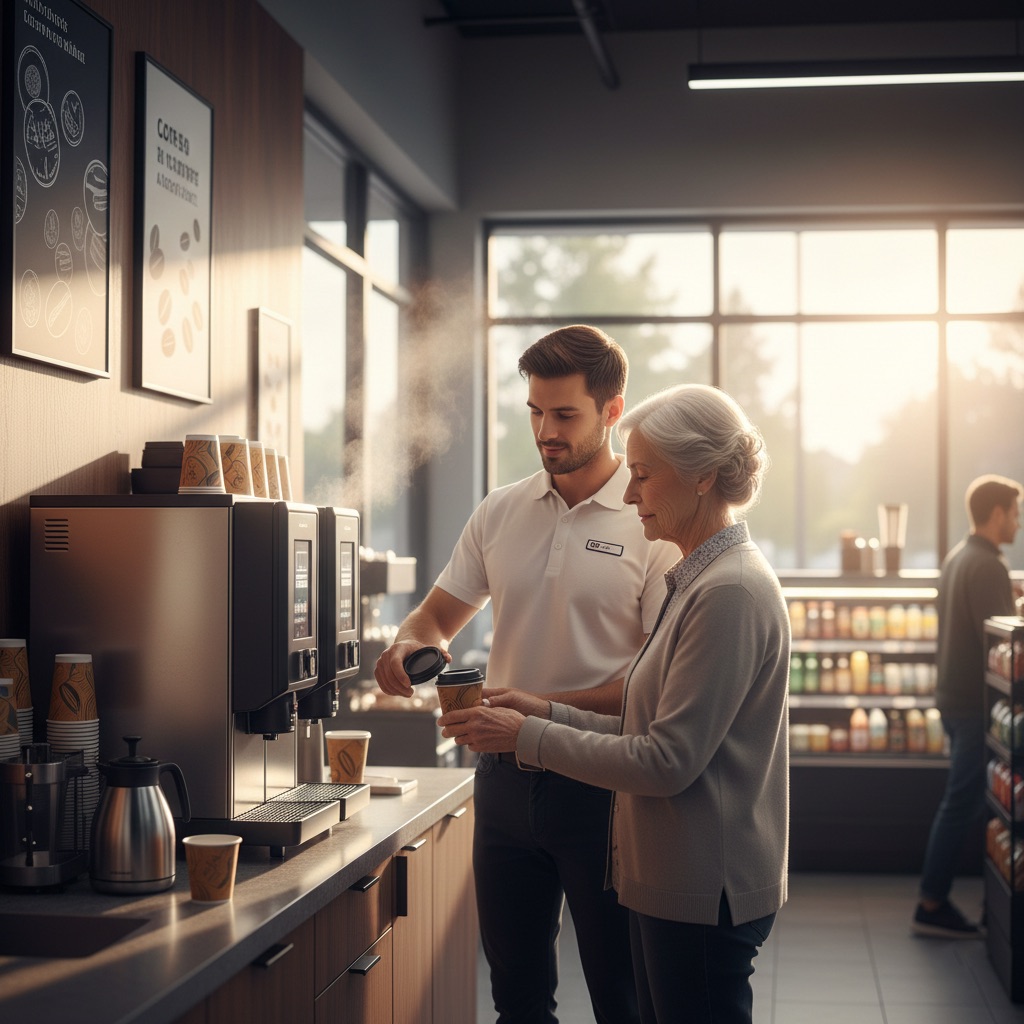
Johnny’s Market, a chain of 66 convenience stores, offers a fantastic case study in how to excel in this space by focusing on both differentiation and consistency. Their Food Service Director, Alexis Wood, aims to set them apart by offering unique items like exploring gluten-free muffins, emphasizing fresh fruit such as bananas, oranges, and apples, and introducing distinctive grab-and-go options like pasta salad, potato salad, and sandwiches on pretzel buns. They even sell fresh flowers at the front door, a subtle but effective differentiator. Beyond variety, their commitment to consistency is key: ensuring all locations serve the same core items like doughnuts and prepare foodservice items like pizzas and breakfast sandwiches uniformly. This approach ensures customers have a reliable experience every time, which is vital for building trust and loyalty.
A crucial lesson from Johnny’s Market is their experience with menu simplification. They learned that introducing too many breakfast items (18 SKUs) led to operational strain, inventory issues, customer confusion, and increased waste. By reducing their breakfast SKUs to just eight, they were still able to create 12-14 different breakfast combinations, improving inventory management, execution, customer experience, and significantly reducing waste. This shows that operational efficiency is achieved through menu simplification. Reducing the number of unique ingredients or items, while still offering variety through combinations, directly drives profitability. It also enhances the customer experience. Fewer unique ingredients lead to simpler ordering. They require less storage space. Reduced complexity for staff training and preparation is also a benefit. These factors in turn lower operational costs and inventory holding costs. This strategic approach to menu expansion allows for rapid innovation without unnecessary operational complexity.
What You Should Be Doing:
- Focus on Signature Items: Identify two to three unique, high-quality items that can become your store’s “signature” and consistently deliver on them. Think beyond typical offerings to truly stand out.
- Prioritize Freshness and Quality: Source quality ingredients and emphasize fresh, made-to-order options where feasible. Customers increasingly perceive freshness as a key differentiator.
- Streamline Your Menu: Analyze your current menu for operational strain. Consider reducing the number of unique ingredients (SKUs) but leverage existing ingredients to create variety through combinations, just like Johnny’s did with their breakfast offerings.
- Implement Strict Consistency Protocols: Develop and enforce standardized recipes, preparation methods, and portion control across all shifts and locations. Invest in thorough staff training for food handling and consider automated tools for temperature monitoring to ensure consistent quality.
- Enhance Store Vibe: Consider small touches like fresh flowers or improved lighting to make your store feel more inviting and less transactional, aligning with the “Vibe Spot” trend where C-stores become places to stay.
- Leverage Technology for Efficiency: Explore self-service kiosks and mobile ordering to streamline operations and enhance the customer experience, as technology is a game-changer in foodservice.
For more Information, read the full article on Johnny’s Market here: CSP Daily News.

2. Casey’s Blueprint for Growth: Expanding Smart, Not Just Big
Casey’s General Stores continues to be a powerhouse in our industry, offering valuable lessons in strategic growth. By the end of fiscal year 2025, Casey’s boasted an impressive 2,904 stores, a testament to their aggressive expansion strategy which included acquiring 235 stores and opening an additional 35, while also strategically closing 24 underperforming locations. This isn’t just about sheer numbers; it’s about smart, disciplined growth.
Their financial strength is equally remarkable, with nearly $1.1 billion in cash flow from operations in fiscal 2025, a figure that has doubled since 2020 and represents a 22% increase over the previous year. This robust cash flow fuels their continued expansion, with plans to open at least 80 new stores in fiscal 2026, part of a broader three-year goal to add 500 new locations.
What truly sets Casey’s apart is their unique market strategy: a significant 71% of their stores serve markets with populations fewer than 20,000 people. This focus on underserved rural areas allows them to dominate sales volume and offer competitive prices where larger chains might not venture, proving that profitability isn’t exclusive to high-traffic urban centers. Their success is also attributed to expanding their foodservice program, adding technology to streamline operations, and consistently improving customer service. Their Casey’s Rewards program, with 9 million members, is a prime example of how they drive loyalty and incremental sales.
The success of Casey’s demonstrates that sustainable growth in the C-store sector relies on multiple factors. Strategic geographic expansion into underserved markets plays a crucial role. Aggressive investment in high-margin foodservice is also important. Additionally, leveraging technology and loyalty programs enhances operational efficiency and customer retention. Their focus on rural areas with less direct competition allows them to capture significant market share. This, combined with their high-margin foodservice offerings, directly contributes to increased cash flow and profitability. Technology streamlines their operations, making growth scalable, and their loyalty program ensures repeat business from their growing customer base. This holistic approach to growth goes beyond simply opening more stores; it’s about where they open, what they sell, and how they engage customers, transforming them into a destination rather than just a transactional stop.
Here’s a snapshot of Casey’s impressive performance:
- Store Count (End FY2025): 2,904 stores
- Stores Acquired FY2025: 235 stores
- Stores Opened FY2025: 35 stores
- Stores Closed FY2025: 24 stores
- Cash Flow from Operations FY2025: Nearly $1.1 billion
- Percentage of Stores in Markets <20,000 People: 71%
- Casey’s Rewards Members: 9 million
- FY2026 New Store Target: At least 80 new stores
- FY2026 EBITDA Growth Projection: 10-12%
What You Should Be Doing:
- Analyze Your Market Footprint: If you have multiple locations, regularly evaluate their performance. Don’t be afraid to close underperforming stores to optimize your portfolio, much like Casey’s.
- Explore Underserved Niches: Look for opportunities in smaller communities or specific neighborhoods within larger areas that are not adequately served by existing C-stores or QSRs. There’s significant potential in being the dominant player in a less crowded market.
- Invest in High-Margin Categories: Double down on foodservice, prepared foods, and high-margin beverages. These are proven growth drivers for Casey’s and the industry as a whole.
- Leverage Technology for Efficiency and Customer Experience: Implement solutions like self-checkout, mobile ordering, or digital signage to streamline operations and enhance convenience for your customers.
- Build or Enhance Your Loyalty Program: Focus on personalized rewards to attract and retain customers. The data analytics from these programs can provide invaluable information to inform your offerings and promotions.
- Prioritize Cash Flow: Focus on operational efficiencies that boost cash flow, allowing for reinvestment in store improvements, technology, and new offerings that drive future growth.
Dive deeper into Casey’s strategy here: CStore Dive.
3. Reinventing the Backbar: High-Value Products and Digital Displays
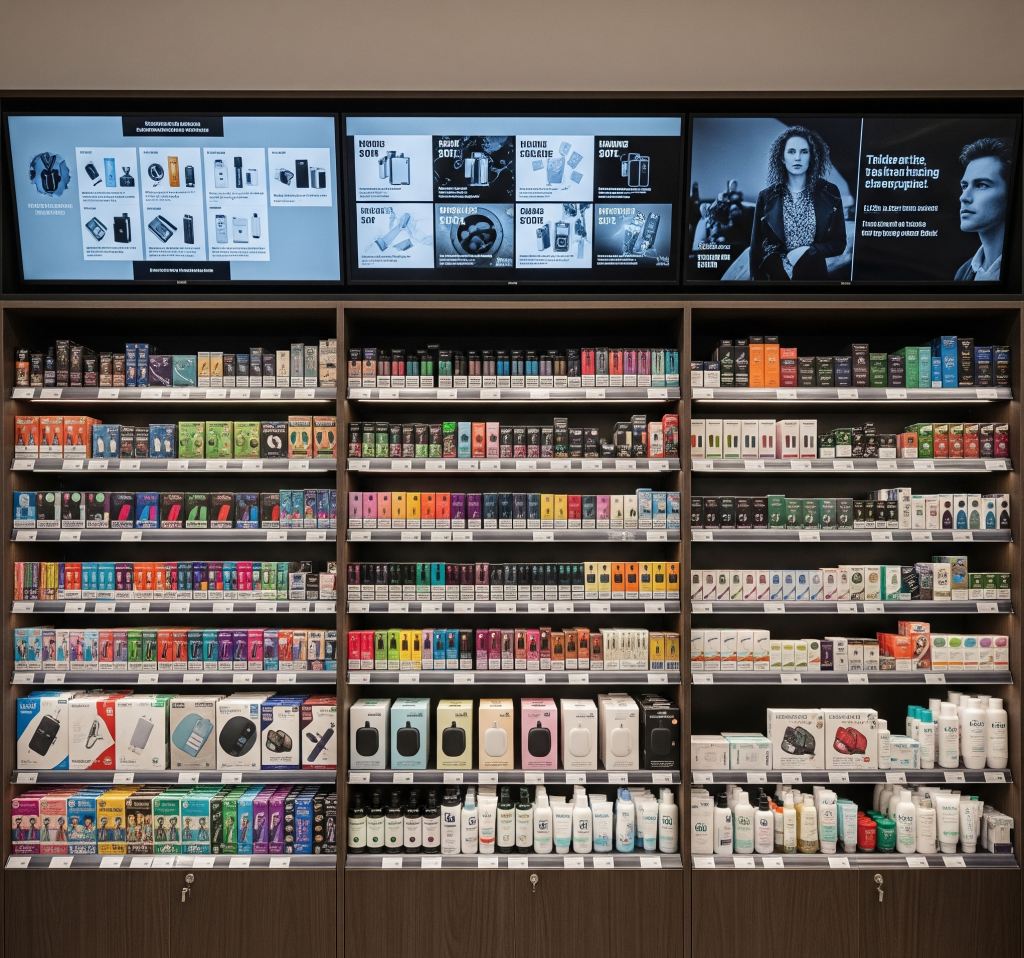
The traditional backbar, historically a display dominated by tobacco products, is undergoing a profound transformation. While tobacco still contributes substantially to in-store sales (currently 34%, though projected to decline to 25%), overall tobacco sales, especially cigarettes, are on a downward trend. This decline is partially offset by gains in modern oral nicotine products, with nicotine pouches seeing their share double from 5% to 10% of category sales between 2023 and 2024.
This shift means that relying solely on traditional tobacco for backbar profitability is a risky, outdated strategy. The backbar is evolving into a “controlled retail area” for higher-dollar, high-margin items beyond just tobacco. This includes a diverse range of products like health and beauty items, small electronics, and a growing variety of new products such as vapor, hemp, and e-cigarettes. Digital signage is becoming an indispensable tool in this space, allowing for quick updates to prices and dynamic promotion of new products, which can significantly influence purchasing decisions.
The fact that 70% of tobacco shoppers go directly to the backbar upon entering a store underscores its prime real estate value and direct customer interaction. This area is not just for tobacco buyers; it’s a high-visibility location ripe for product diversification and impulse purchases that can attract new customer segments and increase average ticket size. The decline in traditional tobacco sales is forcing a strategic pivot for the backbar, transforming it from a mere “tobacco wall” into a dynamic, high-value merchandising zone for diverse product categories. This transformation is driven by digital technology and evolving consumer preferences towards alternative nicotine products and other impulse buys. This signifies a fundamental shift in how convenience stores view and utilize their prime retail real estate, moving beyond a single product focus to a more diversified offering.
Here’s a look at the backbar’s changing landscape:
- Traditional Tobacco Share of In-store Sales: Currently 34%, projected to decline to 25%
- Modern Oral Nicotine Share Growth: Doubled from 5% of category sales in 2023 to 10% in 2024
- Examples of New Categories for Backbar: Health and beauty items, small electronics, local/ethnic foods, health and wellness items, premium goods, and potentially cannabis in legal markets
- Percentage of Tobacco Shoppers Going Directly to Backbar: 70%
What You Should Be Doing:
- Re-envision Your Backbar: Stop seeing it merely as a tobacco display. Instead, consider it a “controlled retail area” for high-value, impulse-driven items. A complete facelift or reset of this space can make a dramatic change.
- Diversify Product Offerings: Gradually introduce new, higher-margin categories. Explore health and beauty products, small electronics, or premium grab-and-go items. Also, capitalize on the growth of modern oral nicotine products like ZYN.
- Invest in Digital Signage: Implement digital screens at the backbar to dynamically update prices, showcase new products, and run promotions. This modern approach can significantly influence purchases and keep your offerings fresh.
- Optimize Merchandising: Use attractive displays and clear signage to highlight new products and encourage cross-category purchases, especially for the significant percentage of tobacco shoppers who are already drawn to this area.
- Stay Informed on Regulations: Keep abreast of changing laws regarding tobacco, nicotine, and the potential for cannabis products in legal markets, as these will directly impact your backbar strategy.
- Regularly Reset Your Backbar: This is no longer a once-a-year task. Increase the frequency of backbar resets to keep offerings fresh, relevant, and aligned with evolving consumer trends.
For more on evolving backbar trends, see this article: NACS.
4. Beyond Coffee & Donuts: Elevating Your C-Store Breakfast Game
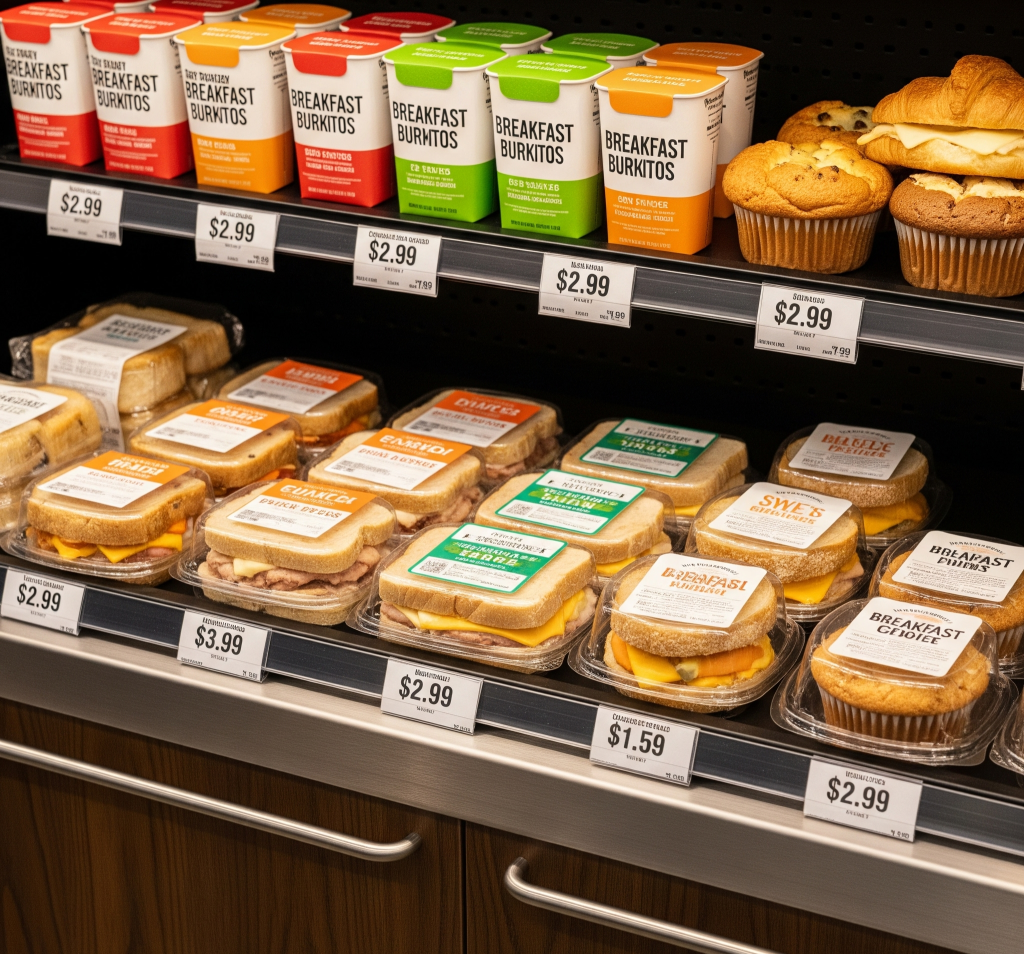
Breakfast is proving to be a high-stakes battleground for foodservice, with both sit-down and quick-service restaurants accelerating their morning menu development. Consumers are increasingly value-conscious, yet they also seek an “experience” when it comes to their meals. This is where convenience stores have a distinct advantage: we offer the speed and convenience that QSRs often can’t match, along with competitive pricing. For example, over 30% of Bojangles’ sales now come from breakfast, highlighting the immense potential of this daypart.
A smart strategy I’ve observed is the use of “platforms” to drive innovation. Instead of creating entirely new dishes from scratch, restaurants are using existing core components like scrambled eggs, pancakes, waffles, French toast, or biscuits as a canvas for new flavors and combinations. This allows for exciting innovations like the “Crab-Ocado Scrambler” or “Churro Crunch French Toast” while maintaining familiar bases and operational efficiency. This approach means you can keep your menu fresh and exciting without significant operational complexity or increased waste.
Beyond food, beverages are receiving as much attention as the food itself. Consumers are actively seeking “fancy coffee drinks, trendy teas, and fruity refreshers” to accompany their breakfast. There’s also a growing demand for functional beverages featuring nootropics, adaptogens, or electrolytes, and even alcohol or mocktails are emerging in breakfast offerings. This presents a significant, often overlooked, profit opportunity to increase average ticket size and attract customers seeking specific functional benefits or indulgent treats.
Limited-Time Offers (LTOs) are another powerful tool. They allow you to test new items, generate buzz, and drive traffic without committing to permanent menu changes. This agile approach helps you stay responsive to rapidly changing consumer tastes, including the demand for “maximalist flavors” like ultra-sour or extra-spicy items.
The collective observation is that breakfast is a high-stakes battleground where C-stores can win by leveraging their inherent advantages of speed and value. This can be amplified by adopting smart menu innovation strategies, such as using “platforms” and LTOs, which balance consumer desire for novelty and indulgence with operational efficiency. The growing importance of premium and functional beverages in this daypart presents a significant, often overlooked, profit opportunity. This indicates that C-stores are moving beyond being just a “pit stop” for basic coffee and a donut; they are becoming legitimate foodservice destinations for breakfast, capable of delivering on both convenience and quality innovation.
What You Should Be Doing:
- Optimize Your Breakfast Menu for Value & Portability: Focus on grab-and-go options that offer perceived value. Consider combo deals, such as a coffee and breakfast sandwich, to encourage larger purchases.
- Develop “Platform” Items: Instead of many unique items, create a few core breakfast components (e.g., eggs, bread, a protein) that can be combined in various ways to offer a wide variety of choices without increasing operational complexity.
- Innovate with Beverages: Expand your coffee program to include specialty drinks, and explore trendy teas, fruity refreshers, or functional beverages. Consider testing mocktails to appeal to a broader audience.
- Introduce Strategic LTOs: Use limited-time offers to test new flavors, ingredients (like sweet and spicy or hot honey), or combinations. Promote these heavily to create urgency and excitement, keeping your menu dynamic.
- Highlight Quality and Freshness: Emphasize that your breakfast items are made-to-order or fresh. This counters any perception that C-store food is lower quality and builds customer trust.
- Consider Daypart-Specific Marketing: Promote your breakfast offerings during morning hours, highlighting the speed and convenience your store provides for busy commuters.
Explore the full breakfast menu trends article here: Restaurant business Online.
5. Let Your Customers Design Your Menu: The Power of Co-Creation
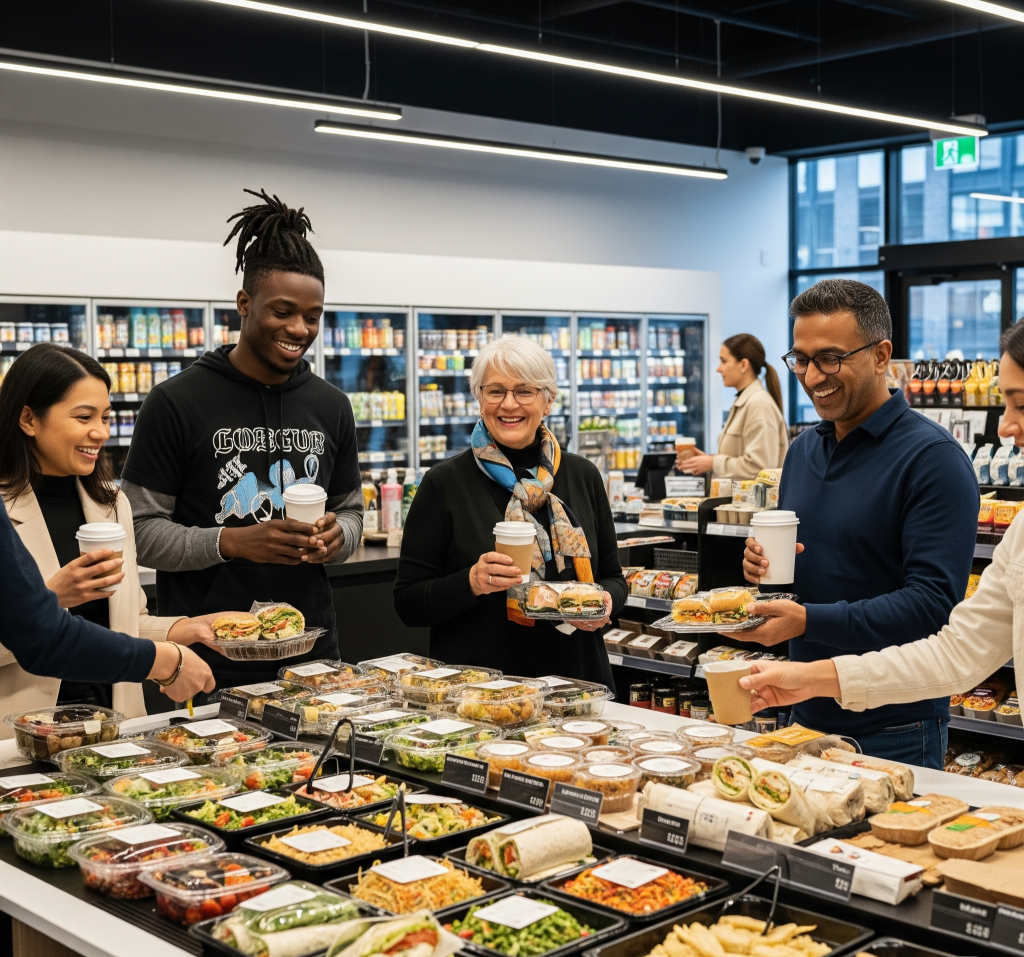
In today’s competitive market, truly understanding and responding to customer preferences is paramount. A powerful strategy gaining traction is customer co-creation, where customers actively contribute ideas, feedback, and even prototypes to product development. Products developed with direct customer involvement are 20% more likely to succeed in the market. This approach reduces development risks, builds deeper customer relationships, and significantly accelerates the product development cycle.
This isn’t just a theoretical concept; it’s being successfully implemented by major brands. PepsiCo’s “Do Us A Flavor” campaign, for example, generated millions of ideas for new chip flavors and provided invaluable data on consumer preferences, even if not all winning flavors became permanent fixtures. Similarly, Taco Bell and Chipotle’s “Build-your-own” concepts are prime examples of interactive menu co-creation, giving customers a sense of ownership over their meal.
The process involves establishing robust customer feedback loops through various channels, such as simple feedback forms, online surveys, social media polls, focus groups, and even analyzing your POS data for sales trends and special requests. This continuous dialogue allows you to identify bestsellers, reimagine classics, uncover opportunities for improvement, and create data-driven specials and promotions that truly resonate with your customer base.
Moving beyond traditional menu development, customer co-creation transforms menu innovation from a speculative internal process into a data-driven, customer-centric strategy. This significantly increases success rates, reduces wasted research and development efforts, and deepens customer loyalty by making them feel heard and valued. When customers are involved in the ideation or refinement process, the resulting products are inherently more aligned with market demand. This direct feedback loop minimizes the risk of developing unpopular items, thus reducing wasted resources and directly translating to higher profitability and faster time-to-market for successful innovations. For convenience stores, this involves leveraging readily available data from POS systems. Social media and staff observations are used to continuously evolve your menu. This ensures you stay relevant and competitive. It shifts the paradigm from “we know what’s best” to “our customers will tell us what’s best,” fostering a dynamic, responsive business model.
What You Should Be Doing:
- Establish a Customer Feedback Loop: Implement easy-to-use systems for regularly collecting customer feedback. This could be simple comment cards, online surveys linked via QR codes, active social media monitoring, or encouraging direct conversations with your staff.
- Analyze Sales Data for Information: Use your POS system to pinpoint best-selling items, identify underperforming dishes, and track popular modifications. This data is a goldmine for informing your innovation efforts.
- Monitor Social Media and Online Reviews: Pay close attention to what customers are saying about your food and what they’re requesting on social media platforms and review sites. These informal channels can reveal emerging trends and direct suggestions.
- Engage Staff for Front-Line Information: Your front-of-house staff are on the front lines, hearing direct customer feedback. Create a system for them to report common comments, suggestions, and special requests to management.
- Test New Ideas as LTOs or Specials: Before fully committing to a new menu item, test it out as a limited-time offer or daily special. This allows for low-risk experimentation, gathering real-world feedback and fine-tuning before a full launch.
- Incorporate Popular Modifications: If you notice customers consistently asking for the same changes to a dish (e.g., extra spice, sauce on the side), consider incorporating those changes into the standard recipe to meet demand.
- Consider a “Build-Your-Own” Concept: For certain categories like sandwiches, salads, or coffee, allow customers to customize their orders. This gives them a sense of ownership and personalization, enhancing their experience.
Learn more about customer-driven menu innovation here: NRN.
The Bottom Line: Your Weekend Homework for a Winning Week
As you can see, the convenience store industry is incredibly dynamic, and staying ahead of the curve requires proactive adaptation and a willingness to innovate. The news from this past Friday, though varied in topic, collectively points to a fundamental shift in our sector. We’re moving beyond being just transactional stops for fuel and basic snacks; we are transforming into diversified, customer-centric retail destinations that prioritize experience, value, and strategic innovation.
From Johnny’s Market showing us how to differentiate and maintain consistency in foodservice, to Casey’s General Stores providing a blueprint for strategic growth in underserved markets, and the necessary evolution of the backbar beyond tobacco, it’s clear that the future of convenience is about more than just convenience. The breakfast daypart offers a huge opportunity for growth through smart menu innovation and a focus on high-margin beverages. And perhaps most importantly, empowering your customers through co-creation can lead to more successful menu items and deeper loyalty.
I encourage you to take some time this weekend to reflect on these points. Even small, actionable changes based on these insights can make a significant difference in your store’s performance. The potential for growth and success in our evolving landscape is immense, and by embracing these trends, you’re not just keeping up, you’re leading the way.


 The5For
Leave a comment