How many times have you looked at your convenience store and thought, “How can I get more out of the hours between peak rushes?” Or perhaps, “My morning coffee crowd is great, but how do I get them back for lunch?” If these thoughts sound familiar, you’re not alone. The convenience store landscape is evolving at a rapid pace, and simply being a place for a quick fill-up or a pack of gum isn’t enough anymore. Customers’ habits are changing. This presents a huge opportunity for owner/operators. They can capture more of their daily spend and build deeper loyalty.
I have been digging into some recent industry insights. What I found confirms what many of us are already sensing. The future of c-stores lies in becoming true “destination hubs” that serve our customers throughout their entire day. It’s about moving beyond transactional stops to creating experiences that make people want to come back, not just out of necessity, but because we offer exactly what they need, when they need it. This isn’t only about incremental improvements. It’s about strategic shifts that can lead to significant growth in foot traffic. These shifts affect basket size and overall sales.
Today, I want to share 5 critical strategies that are top of mind for me, and I believe they should be for you too. These aren’t just theories; they’re actionable pathways to transforming your store into a go-to spot for every daypart.

1. Elevate and Diversify Your Foodservice Offerings
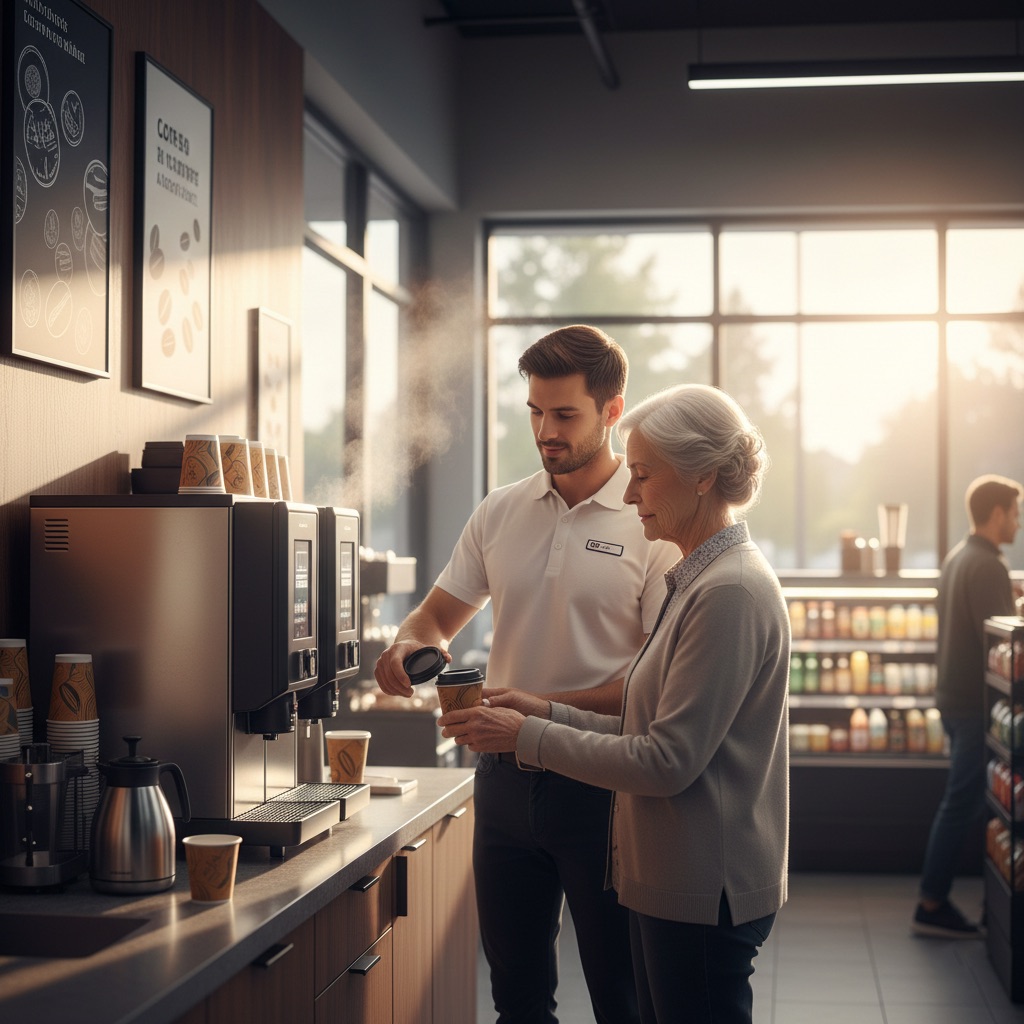
This means transforming your foodservice from an afterthought into a central pillar of your business. It’s about expanding your menu beyond the usual, focusing on quality, variety, and even catering to health-conscious consumers. We’re talking about offering compelling options for breakfast, lunch, dinner, and even late-night snacks.
Why You Should Be Interested: Food and drink purchases are now the primary reason for 92% of c-store trips. Foodservice has officially surpassed cigarettes as the largest category within our industry. Think about that for a moment. If customers are coming to us for food, aren’t we missing a massive opportunity if we’re not meeting their needs across the entire day? There’s a significant, unfulfilled demand for healthy and late-night snack options in c-stores, and by addressing this perception gap, we can unlock substantial new traffic. Plus, when we offer unique, quality food options, we differentiate ourselves from the competition, including quick-service restaurants (QSRs).
What You Should Be Doing:
- Tailor your menu by daypart: While your morning coffee and snack game might be strong, think about hot foods, grab-and-go refrigerated items, and made-to-order sandwiches for lunch. Dinner presents a huge opportunity for add-on business, so explore meal bundles and larger portion sizes.
- Focus on quality and health perceptions: Consumers don’t always associate c-store food with health or high quality, and we need to change that. Offer transparent nutritional labeling, highlight fresh ingredients, and even consider partnering with local healthy food purveyors.
- Diversify with trending items: Think plant-based options, unique flavor profiles, nostalgic comfort foods, and specialty beverages. Also, don’t forget the power of hyper-localization, tailor your offerings to your specific community’s demographics and tastes.
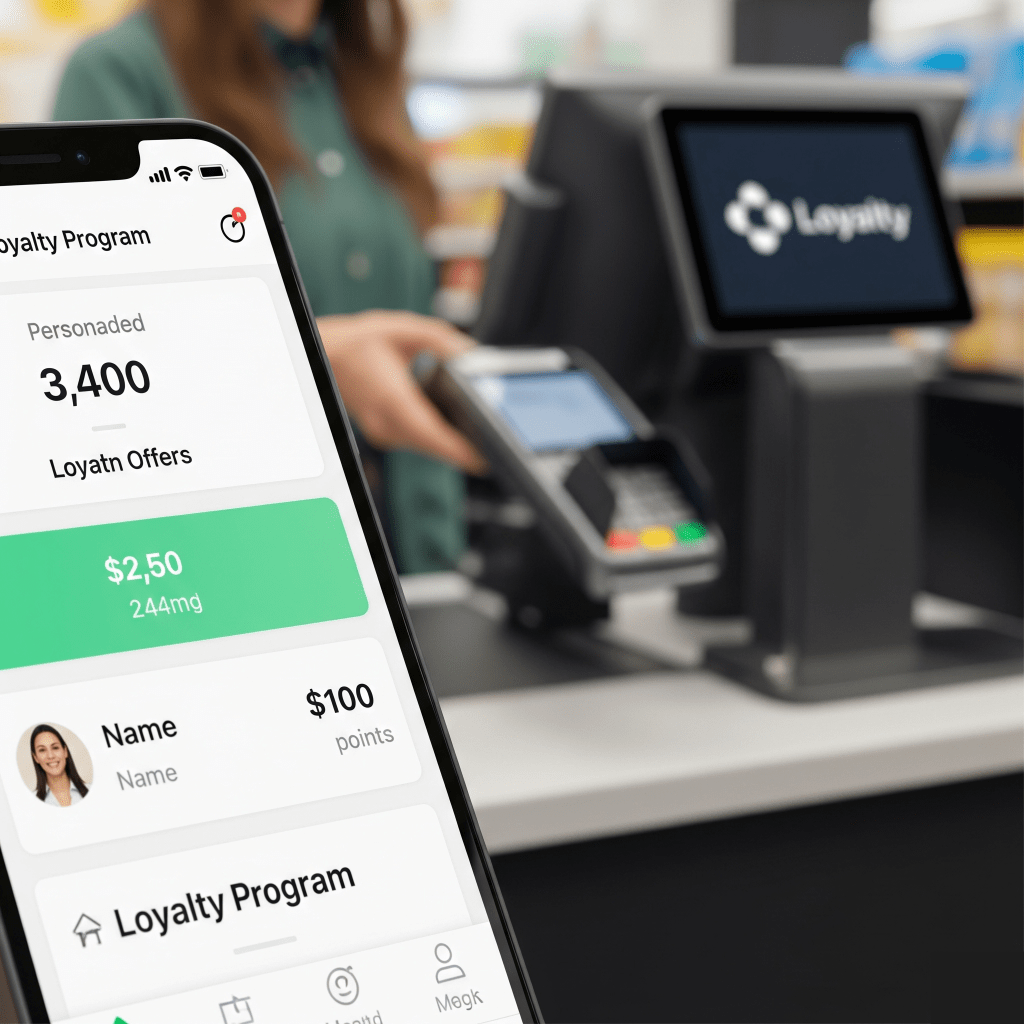
2. Implement Advanced, Personalized Loyalty Programs
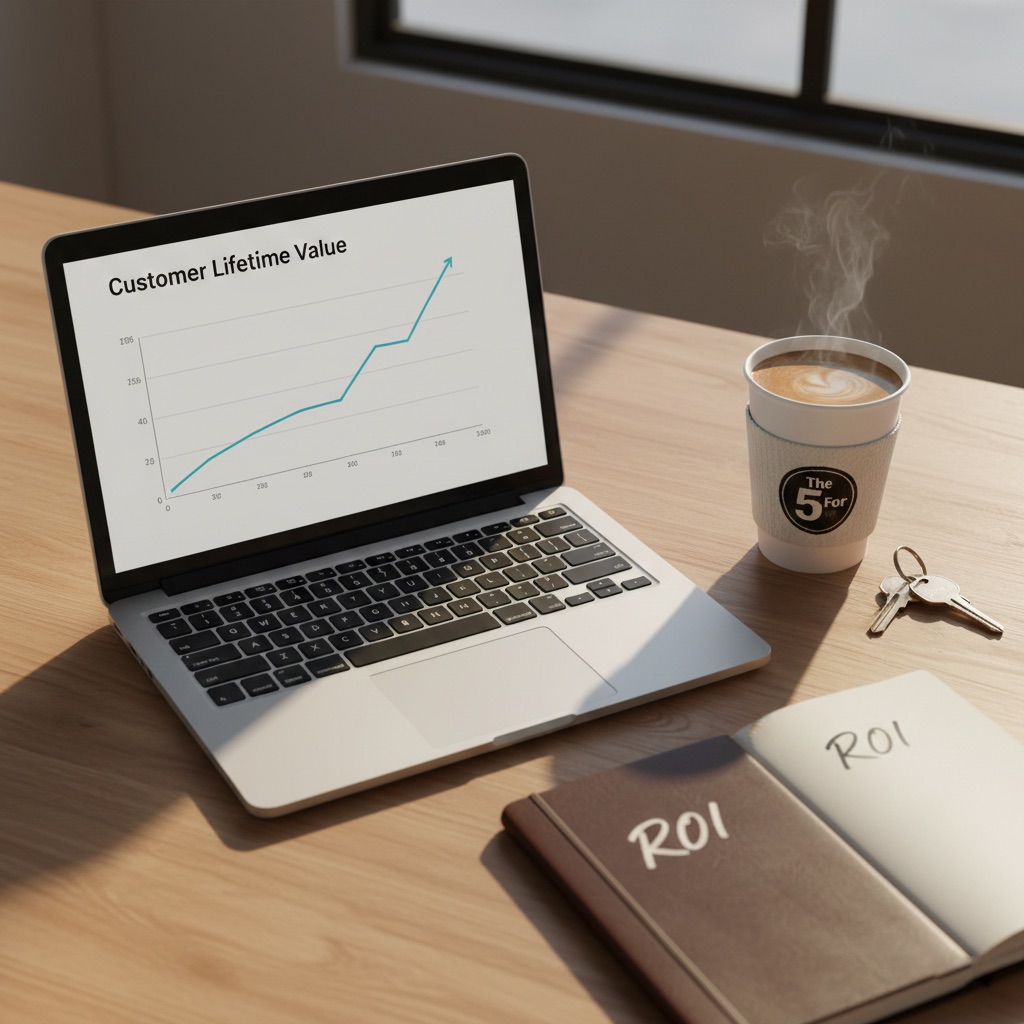
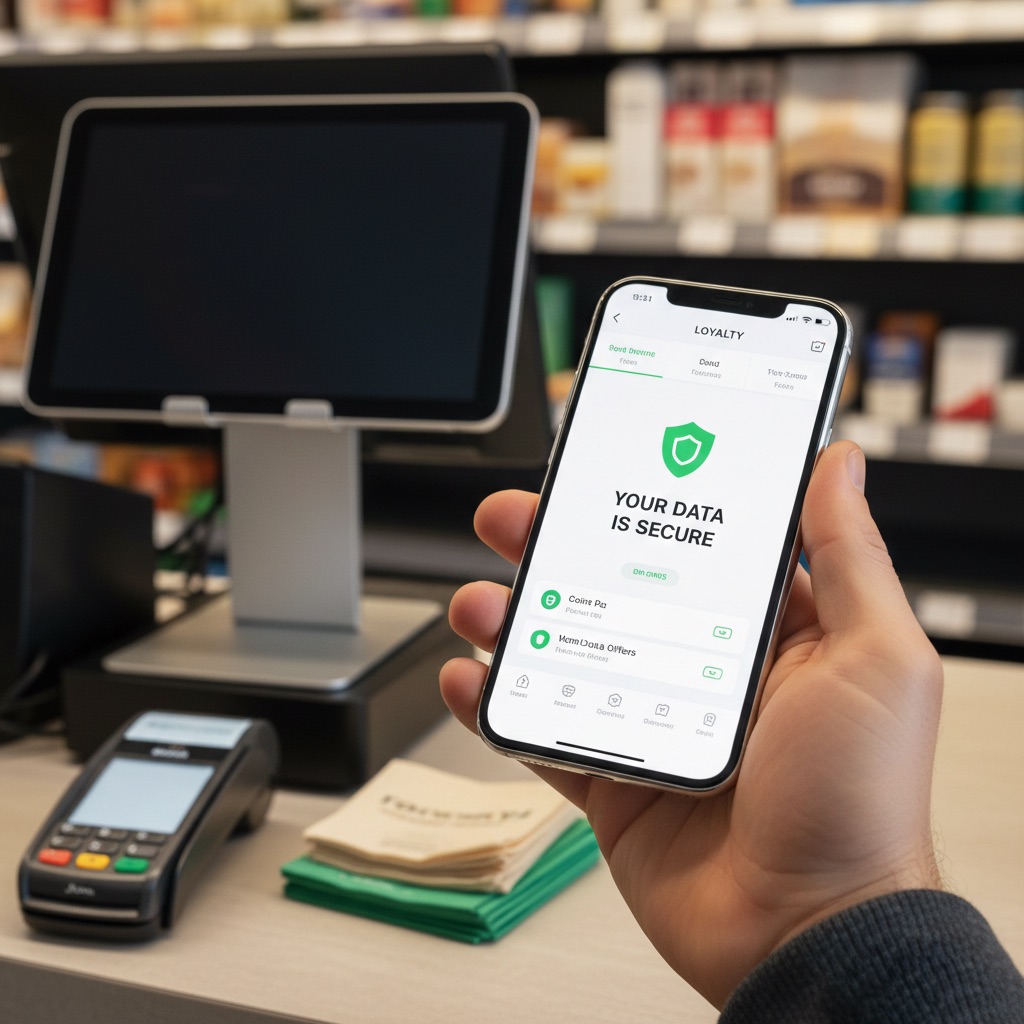
This isn’t your grandma’s punch card program. We’re talking about mobile-first, data-driven loyalty programs that not only reward repeat visits but actively influence customer behavior, encouraging them to visit at different times of the day.
Why You Should Be Interested: Loyalty program members consistently spend more and visit more frequently than non-members. This is a direct path to higher average spending and increased visit frequency. What’s more, a sophisticated program allows us to understand
why and when our customers visit. We can then use this data to send personalized, time-sensitive offers that break their routine. For instance, if you have a regular morning coffee customer, imagine sending them a push notification for a discounted lunch combo just before noon. Younger demographics, like Millennials and Gen Z, are highly engaged with these digital loyalty platforms, presenting a massive opportunity.
What You Should Be Doing:
- Design a seamless, mobile-first experience: Make it incredibly easy to join and redeem rewards, preferably through an intuitive app. Instant rewards are highly motivating.
- Leverage data for personalization: Collect data from all touchpoints (in-store, app, online) to get a 360-degree view of your customers. Use this information to deliver highly tailored offers at the optimal time. Think “healthy snack promotion during the week” or “weekend treat.”
- Reward all transaction types: Don’t just focus on fuel. Reward customers for in-store purchases, foodservice, and even for using mobile pay. The goal is to integrate your c-store into their daily lifestyle, making it a habitual stop for multiple needs.
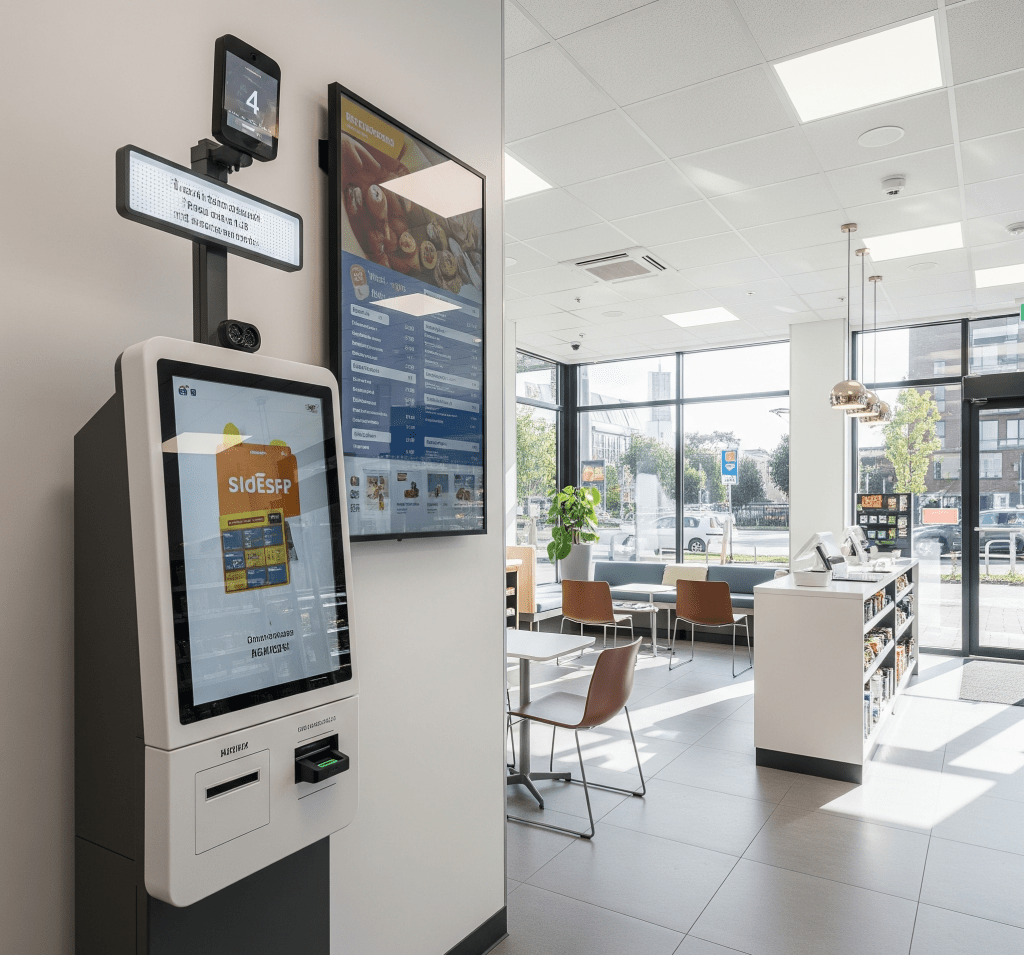
3. Optimize In-Store Experience with Technology & Design
This involves thoughtfully integrating technology and smart design to create a modern, efficient, and inviting environment. It’s about enhancing convenience and speed for those quick stops while also making the store appealing enough for longer, multi-purchase visits.
Why You Should Be Interested: Technology can satisfy both the “fast trip” and “enriched experience” drivers that different customer segments demand. For time-pressed customers, self-service kiosks and digital menu boards significantly cut down wait times, which is a top priority for 6 out of 10 shoppers. For those who value the experience, a well-designed space with good lighting, cleanliness, and comfortable seating can transform your store into a “destination hub.” Digital signage, used dynamically, can act as a powerful merchandising tool, influencing impulse buys across different dayparts.
What You Should Be Doing:
- Enhance convenience and speed with technology: Install self-service kiosks near the entrance for food ordering and consider digital menu boards that can change their display based on the time of day. Ensure your fuel pay apps are seamless and integrated with loyalty programs to encourage in-store visits after fueling.
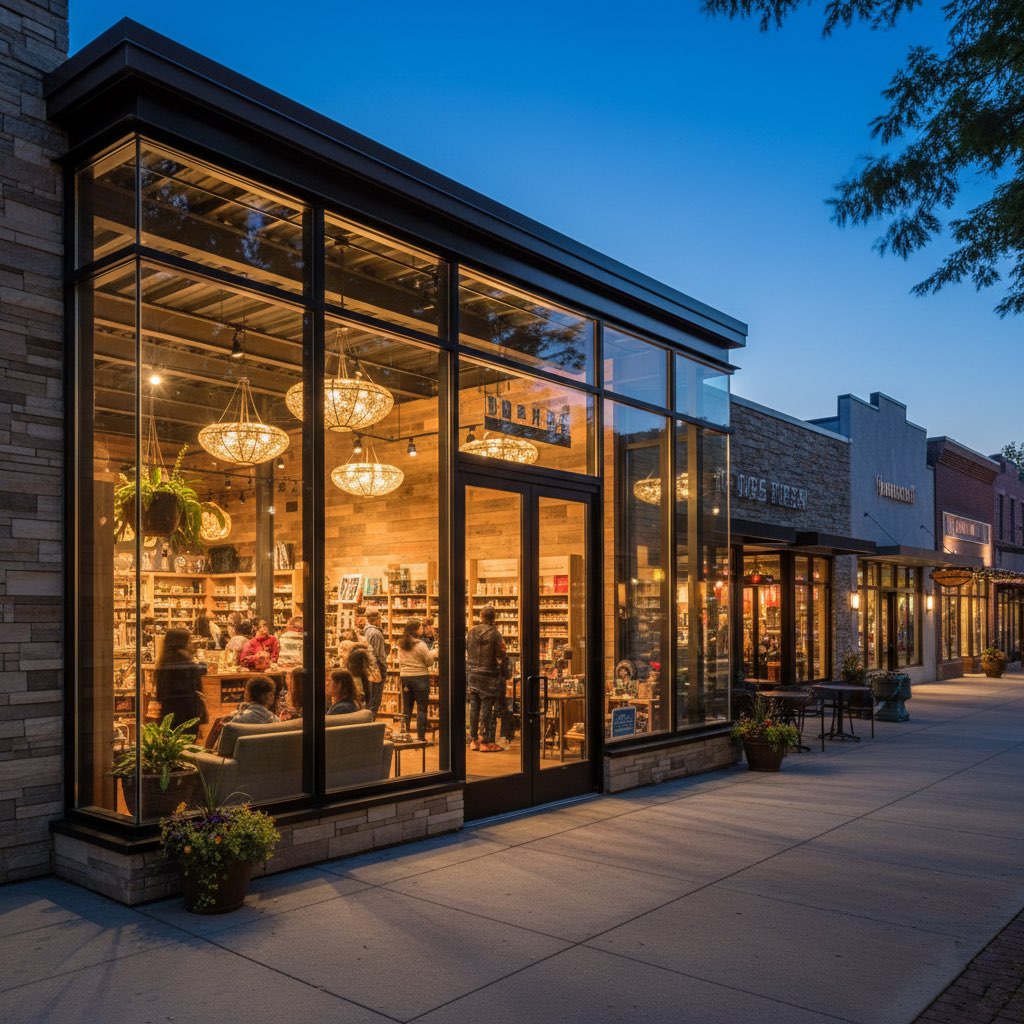
- Create inviting “destination hub” environments: Invest in aesthetics. This means cleanliness, proper lighting, and comfortable seating areas, especially if you want to capture lunch or dinner crowds who might want to eat in-store.
- Strategically use dynamic digital signage: Don’t just put up static ads. Use outdoor displays to direct traffic, window displays for daypart-specific promotions, and in-store screens to highlight food offerings, loyalty points, and even your store’s brand story. Remember, technology should align with your brand, not just advertise vendor products.
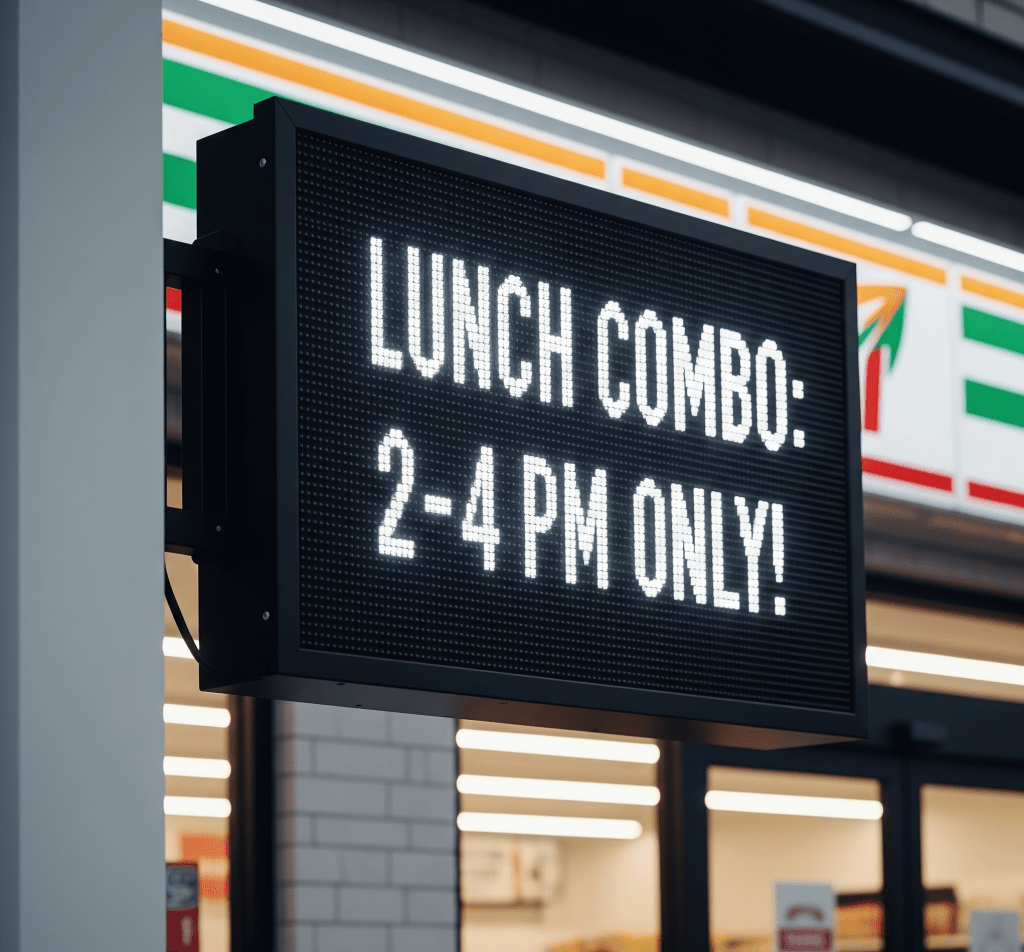
4. Leverage Targeted Promotions and Off-Peak Pricing
This strategy focuses on using smart pricing and promotions to incentivize customers to visit during your slower hours, effectively spreading out traffic and maximizing your store’s utilization.
Why You Should Be Interested: Off-peak pricing is a direct mechanism for shifting demand. By offering lower prices or exclusive deals during times of low demand, you’re giving customers a compelling financial reason to alter their usual visiting patterns. This isn’t just about moving slow-selling items; it’s about re-educating your customers to consider your store for new types of purchases during these previously underutilized times. When customers make a dedicated trip for an off-peak discount, strategically placed high-margin items can significantly boost their basket size.
What You Should Be Doing:
- Implement time-limited discounts and bundling strategies: Identify your low-demand periods (e.g., mid-morning, late evening, specific weekdays) and design attractive, time-bound promotions. Think “coffee and pastry for $X before 11 AM” or “double points on all purchases after 8 PM.”
- Develop cross-promotions and strategic partnerships: Look for complementary local businesses for joint promotions that can bring in new customers during off-peak hours.
- Communicate deals across multiple channels: Use in-store signage, fuel pump displays, window decals, your mobile app, social media, and email marketing to ensure your promotions are highly visible and compelling. Don’t forget to tie into local events; a “Game Day Special” can draw in crowds at specific times.
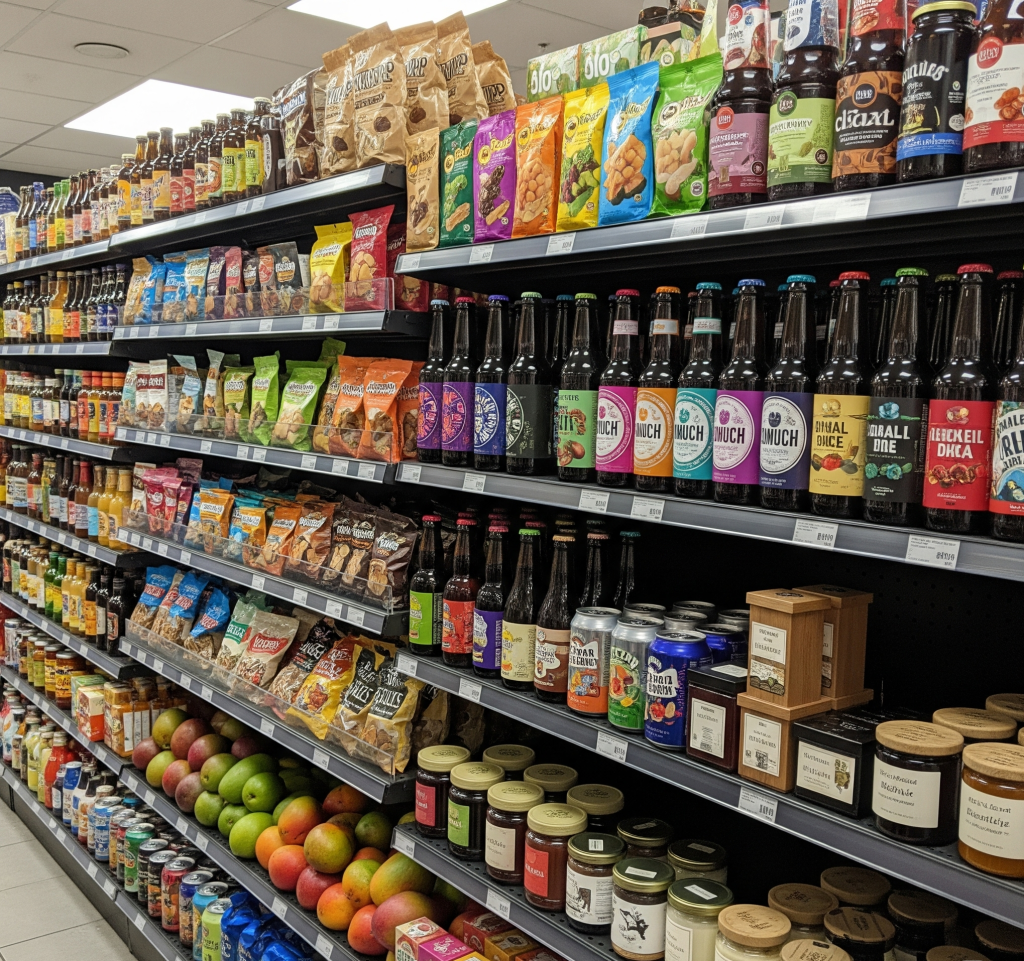
5. Expand Product Range Beyond Core Offerings
This means strategically diversifying your product selection beyond the traditional convenience store staples. It’s about introducing new categories and varieties that cater to diverse customer needs and lifestyles.
Why You Should Be Interested: Diversification creates more reasons for customers to visit your store and attracts new segments you might not currently serve. When customers realize they can consistently find a broader range of products, they’re more likely to return and become regular patrons, boosting loyalty. For example, if a customer typically stops for morning coffee but discovers you carry their favorite local artisanal bread or a unique plant-based meal kit, they might make a separate, dedicated trip in the afternoon or evening for those specific items. This directly drives cross-daypart visits by fulfilling previously unmet needs. Value Seekers, a significant customer segment, are also more inclined to visit stores with a larger product selection or healthy food options.
What You Should Be Doing:
- Introduce new categories strategically: Consider local products (snacks, bakery items), ethnic and international foods (if your demographics support it), health and wellness items (protein bars, organic drinks, fresh fruit), seasonal selections, and premium goods (gourmet chocolates, craft sodas).
- Cater to diverse needs and lifestyles: It’s not about choosing either healthy or indulgent; it’s about offering a balanced portfolio. A customer might want an indulgent treat in the morning, a healthy snack in the afternoon, and a convenient, balanced meal for dinner.
- Know your customers and start small: Use sales data, customer feedback, and local trends to guide your product choices. Test new products in limited quantities before committing big. Promote your new products effectively through in-store signage and social media.
The Bottom Line
The convenience store industry is dynamic, and customers are more discerning than ever. To truly thrive, you can’t afford to be complacent. By embracing these 5 strategies; elevating foodservice, implementing personalized loyalty programs, optimizing the in-store experience with technology and design, leveraging targeted promotions, and diversifying product ranges, you can transform your store from a simple stop into an essential, multi-purpose destination that serves your communities throughout the entire day. It’s about continuous adaptation, smart investment, and a deep understanding of what drives customers. Those who lean into these changes will not only capture a larger share of consumer spend but also build lasting loyalty for years to come.

 The5For
Leave a comment