Good morning convenience store owner/operators! As someone who’s spent years in this business, I know firsthand that staying ahead isn’t just about keeping the shelves stocked or the pumps flowing. It’s about understanding the pulse of our industry, anticipating shifts, and turning daily news into actionable strategies that boost your bottom line. That’s why I’m excited to share my take on 5 crucial industry developments from this past Monday, July 28th.
Think of this as your quick, actionable playbook for the week ahead. We’re going to dive into everything from the surprising stability (and challenges) in fuel prices to the rising cost of chocolate, the ever-changing tobacco landscape, the booming demand for healthy grab-and-go options, and the exciting evolution of our cold vaults. Each of these areas presents unique opportunities and potential pitfalls, and my goal is to equip you with the insights and practical steps you need to not just navigate but truly thrive in today’s dynamic retail environment. Let’s get to it!
1. Fuel Margins & Pump Price Stability: Driving In-Store Growth
The fuel market, a cornerstone for many convenience stores, is currently characterized by stability rather than growth, presenting a nuanced challenge for retailers. According to the Lundberg Survey published on July 28, 2025, oil and gasoline prices are stable, yet spring-summer 2025 gasoline demand is described as “not festive” and “flagging”. This indicates a lack of strong consumer enthusiasm for gasoline consumption, meaning fewer vehicles are filling up as frequently or completely as might be expected during peak seasons. Retailers have absorbed a significant portion of the cost fluctuations, losing 2.4 cents per gallon (CPG) of regular grade margin, bringing the current retail regular-grade margin to 33.5 cents. This figure is notably lower than the overall 2024 average margin of 37.71 CPG. While consumers are benefiting from this, enjoying a 36 CPG discount compared to the price at the same time last year, this consumer saving has not stimulated a significant increase in gasoline demand.
This situation carries direct implications for convenience store profitability. The reduction in fuel margin directly impacts the bottom line, especially for businesses where fuel sales constitute a substantial portion of revenue. When retailers absorb losses to maintain competitive pump prices, even amidst weak overall demand, their profit margins are directly compressed. Furthermore, stable or slightly lower fuel prices, combined with flagging demand, suggest a decrease in “fuel-only” stops. Customers are less influenced by volatile pump prices, which traditionally drive traffic. This makes the in-store experience increasingly critical for capturing consumer spending, as the fuel offering alone may not be a strong enough draw. This trend aligns with broader challenges observed in the sector; a PDI Technologies report indicated that overall convenience store sales were down 2.8% in 2024, with store trips declining by 4.6%. This underscores the urgent need for new strategies to drive revenue beyond the pump.
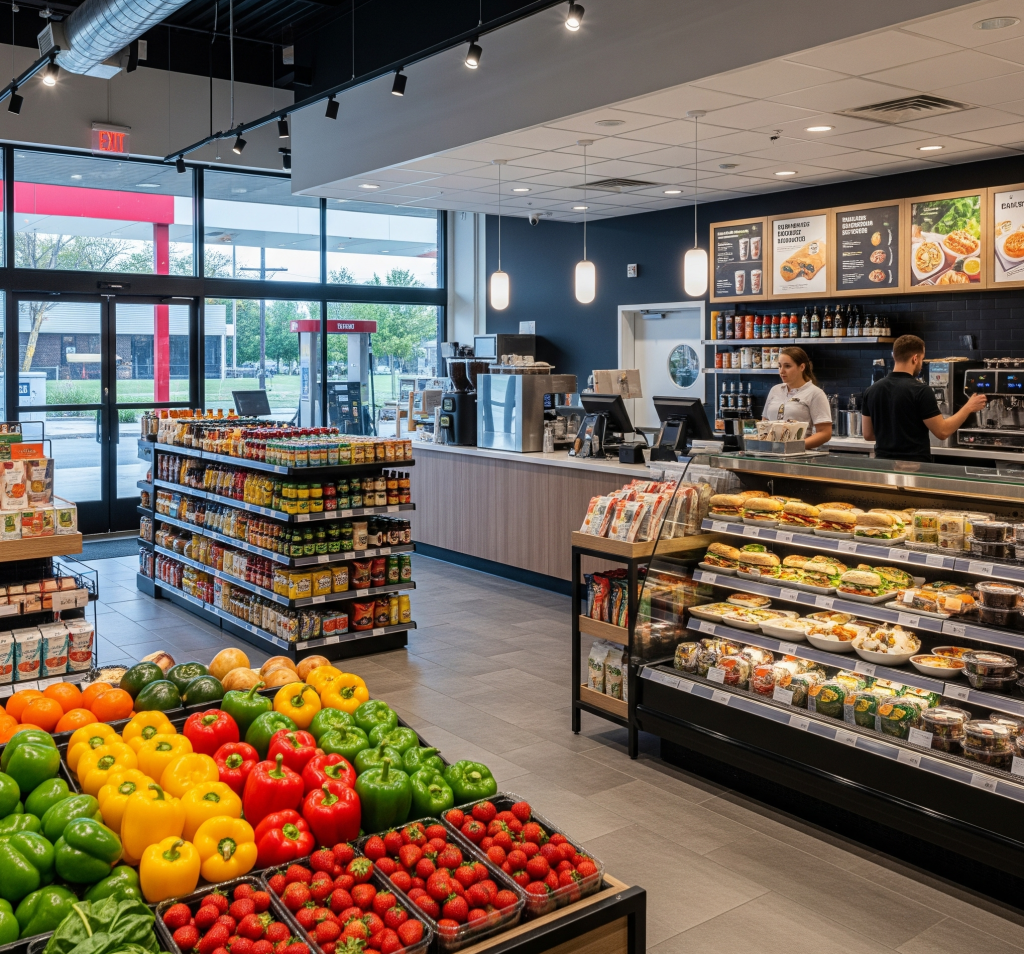
The prevailing market conditions suggest a fundamental shift in the convenience store business model. The traditional “fuel-first” approach, where low fuel prices act as a loss leader to attract customers who then make higher-margin in-store purchases, appears to be losing efficacy. If fuel prices lack the volatility to create significant “price shopping” traffic, consumers are less likely to make impulsive in-store purchases based solely on a cheap fill-up. This necessitates a transformation where the primary appeal shifts from the pump to the store itself. The core identity and marketing of a convenience store must evolve from a “gas station with a convenience store” to a “convenience store that also sells gas.” This requires a comprehensive re-evaluation of marketing strategies, product assortment, and the overall customer experience, with a clear prioritization of the in-store offering as the main value proposition.
Moreover, the competitive landscape extends beyond fuel pricing. Research from the Dallas Fed indicates that the entry of a new gas station can lead to a 2.5 CPG decrease in prices at nearby incumbent stores, representing a 7% reduction in estimated retail markups. While this research focuses on fuel, the principle of intense competition impacting margins is equally applicable to in-store products. If fuel margins are squeezed and competition remains fierce, there might be a temptation for retailers to lower in-store prices to attract traffic. However, many convenience store items are impulse buys, and their demand can be elastic, meaning price changes significantly affect sales volume (as seen with chocolate, for instance). This implies that simply reducing prices across the board might not generate sufficient volume to offset margin loss for all in-store items. Instead, a more nuanced strategy is required, one that focuses on enhancing perceived value, offering unique products, and fostering customer loyalty, rather than engaging in a race to the bottom on price.
What You Should Be Doing:
- Strategically diversify your product offerings. A focus on high-margin categories such as fresh food, a wide array of beverages, and ready-to-eat meals can significantly enhance profitability.
- Consider unique, locally-sourced, or premium items to further differentiate your store from competitors, attracting a broader customer base.
- Optimize store layout and merchandising. Strategically placing impulse-buy items near checkout counters and in high-traffic areas, along with regularly updating product displays, can keep offerings fresh and appealing, encouraging additional purchases.
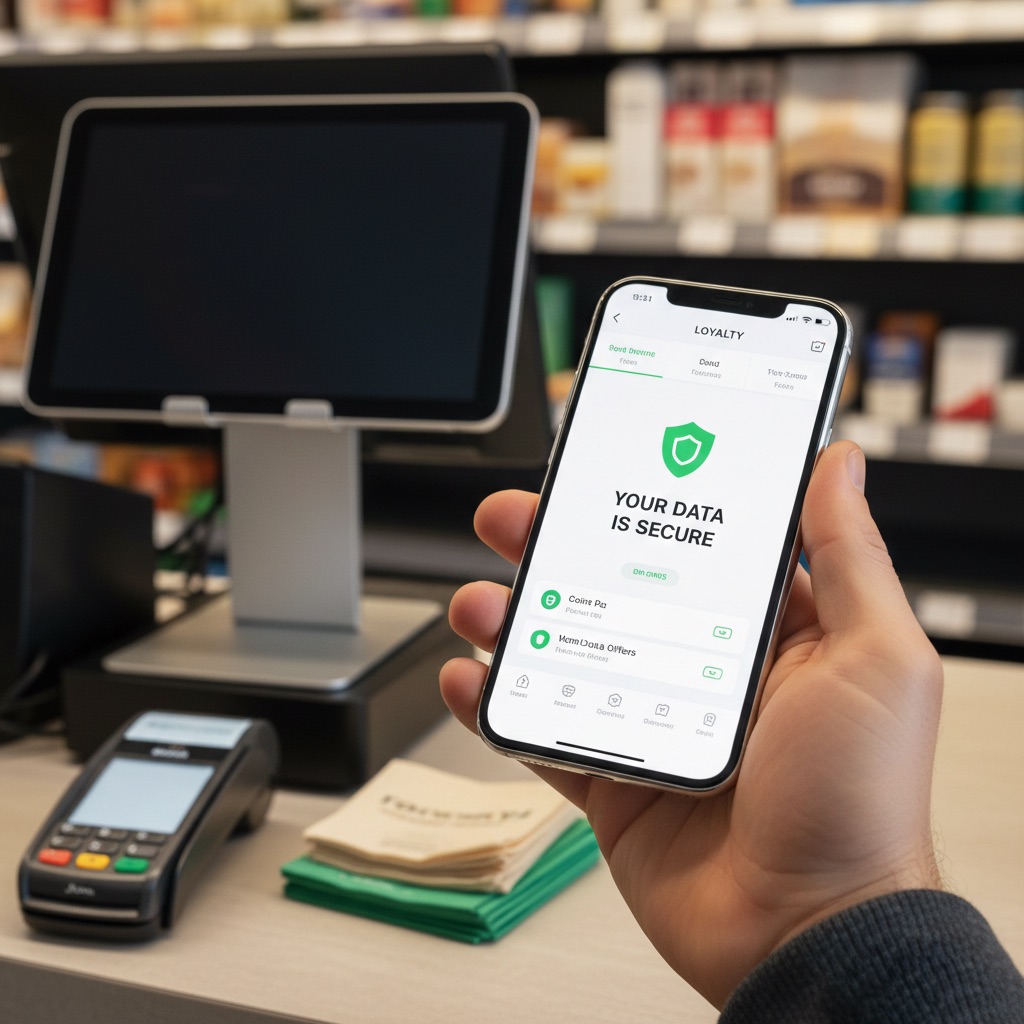
- Implement robust loyalty programs that offer fuel discounts, bundled deals on snacks or beverages, and tiered rewards to foster repeat visits and increase in-store spending, building customer stickiness beyond fuel price.
- Enhance customer service and maintain a pristine store environment, including clean restrooms and organized shelves, to transform one-time visitors into loyal patrons.
- Explore alternative revenue streams, such as lucrative car washes (especially when bundled with fuel discounts) or even electric vehicle (EV) charging stations, to attract new customer demographics and diversify income streams.
For more information, you can read the article here: CSP Daily News.
2. The Chocolate Crunch: Adapting to Hershey’s Price Hikes
The confectionery market is currently experiencing significant upheaval, particularly within the chocolate segment. Hershey, a major player, has announced plans for “double-digit” price increases across its candy products, a direct consequence of the “unprecedented cost of cocoa”. This trend is not isolated to Hershey; other industry giants, including Swiss chocolate maker Lindt & Sprungli, which reported a 15.8% price increase in the first half of 2025, and Toblerone/Milka manufacturer Mondelēz International, are implementing similar hikes. While cocoa prices have receded from their December peak of $11,984 per metric ton, they remain significantly elevated at approximately $7,380 per metric ton as of late July. This surge is attributed to a global cocoa shortage, exacerbated by disease pressures, climate change, and chronic underinvestment in cocoa farms, particularly in West Africa, which accounts for approximately 80% of the world’s cocoa output. Given that chocolate candy constitutes two-thirds of Hershey’s total sales and convenience stores accounted for nearly 17% of all U.S. candy sales in 2023, these price increases will have a substantial impact on the sector. NielsenIQ data already indicates a 1.2% fall in chocolate unit sales in the year ending July 12, suggesting consumers are already reacting to higher prices.
The implications for convenience store operators are direct and multifaceted. Chocolate, a high-margin impulse item, will see its retail price points rise, potentially leading to reduced unit sales. While some analyses suggest chocolate demand might be inelastic like milk, meaning price fluctuations matter less, the observed 1.2% drop in unit sales indicates that consumers are indeed sensitive to these higher prices. This suggests that customers may “vote with their baskets” by opting for cheaper alternatives or reducing their overall confectionery purchases. Furthermore, manufacturers are employing tactics such as “shrinkflation” (smaller pack sizes) or “skimpflation” (adjusting ingredients to reduce the proportion of expensive components) to maintain price points. While these methods aim to preserve margins, they carry the risk of consumer backlash if not handled with subtlety and transparency.
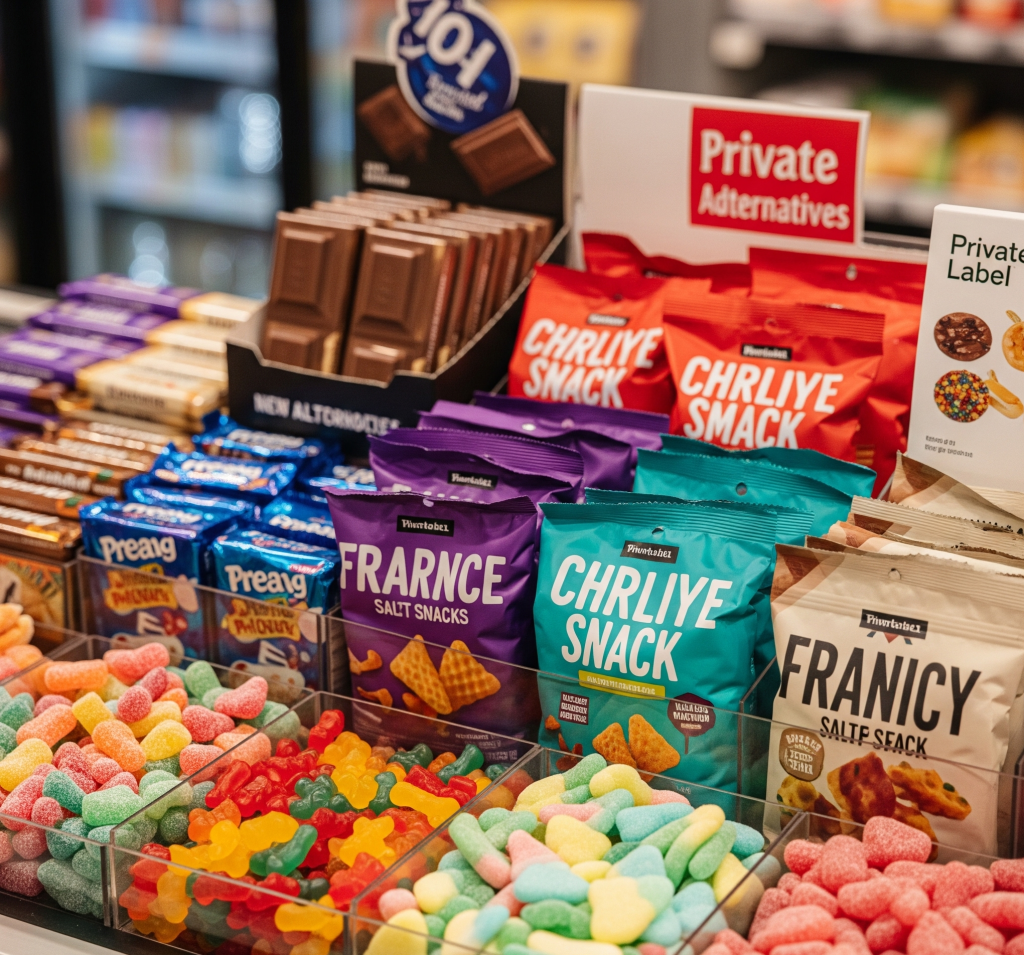
The rising cost of chocolate poses a significant threat to its traditional role as an “affordable treat” or impulse indulgence within convenience stores. With double-digit price increases, the perceived affordability of chocolate is eroding, and consumers, already navigating broader inflationary pressures, may reduce discretionary spending on what is no longer a low-cost indulgence. This suggests that the fundamental contribution of chocolate to a convenience store’s product mix requires re-evaluation. Retailers cannot simply rely on historical sales patterns. Instead, they must proactively diversify into other “affordable treat” categories or alternative snack options that offer perceived value, such as gummies, salty snacks, or even private-label alternatives, to maintain basket size and impulse purchases.
Given that chocolate is primarily an impulse item and consumers are demonstrating price sensitivity, static merchandising approaches will no longer suffice. Simply raising prices on existing products without a complementary strategy is likely to result in further volume decline. Convenience store operators need to adopt dynamic merchandising strategies. This includes strategic product placement in high-traffic areas and near checkout counters, creating visually appealing displays that draw attention, and offering targeted promotions or bundled deals. Moreover, if manufacturers are implementing shrinkflation or skimpflation, retailers should be prepared to subtly communicate perceived value (e.g., framing a smaller size as a convenient, portion-controlled option rather than simply “less for the same price”) or highlight unique attributes of premium products to justify their cost. This proactive approach to merchandising and communication is essential for managing consumer perception and mitigating potential negative reactions.
What You Should Be Doing:
- Strategic product placement remains vital. Chocolate products should continue to be positioned in high-visibility “hot spots” like checkout counters to encourage impulse purchases, but also consider placing them alongside new, emerging snack categories to offer alternatives.
- Optimize inventory and rotation. Implementing strict First-In, First-Out (FIFO) systems, especially for temperature-sensitive items like chocolate, ensures freshness and reduces waste.
- Utilize modern Point of Sale (POS) systems for real-time inventory tracking and reorder alerts to prevent overstocking or stockouts.
- Explore alternative snack categories. Diversifying offerings beyond traditional chocolate to include wafers, peanut butter products, gummies, and salty snacks, as Hershey itself is doing, or even private-label options, can provide better value and maintain impulse sales.
- Leverage promotions and bundling, such as time-limited discounts or bundled deals (e.g., a chocolate bar plus coffee), to encourage purchases and increase average transaction value.
- Closely monitor consumer response through POS data. If certain chocolate products experience significant drops in unit sales, operators must be prepared to adjust inventory or promotional strategies accordingly.
For more information, you can read the article here: CStore Dive.
3. Tobacco’s Shifting Sands: Battling Illicit Vapes & Embracing Nicotine Pouches
The tobacco category continues to present a complex and challenging landscape for convenience store retailers. The Goldman Sachs’ Q2 2025 Nicotine Nuggets survey, which encompassed approximately 46,000 convenience store locations across the United States, reveals ongoing cigarette volume declines and a persistent trend of “downtrading” to cheaper, deep-discount cigarette options. Cigarette volume declines increased “sequentially” in the second quarter, and nearly three-fourths of surveyed retailers indicated that deep discount cigarettes gained market share. Furthermore, 61% of survey respondents reported that manufacturer pricing power is weakening compared to a year ago. A significant and growing concern is the proliferation of the illicit e-cigarette market, which is actively diverting consumers from legal vapor products sold in legitimate retail channels. The survey also highlighted a potential shift in consumer behavior: if illicit e-cigarettes were completely removed from the market, 35% of retailers believe consumers would pivot to legal vapor products, while another 30% expect a shift to nicotine pouches.
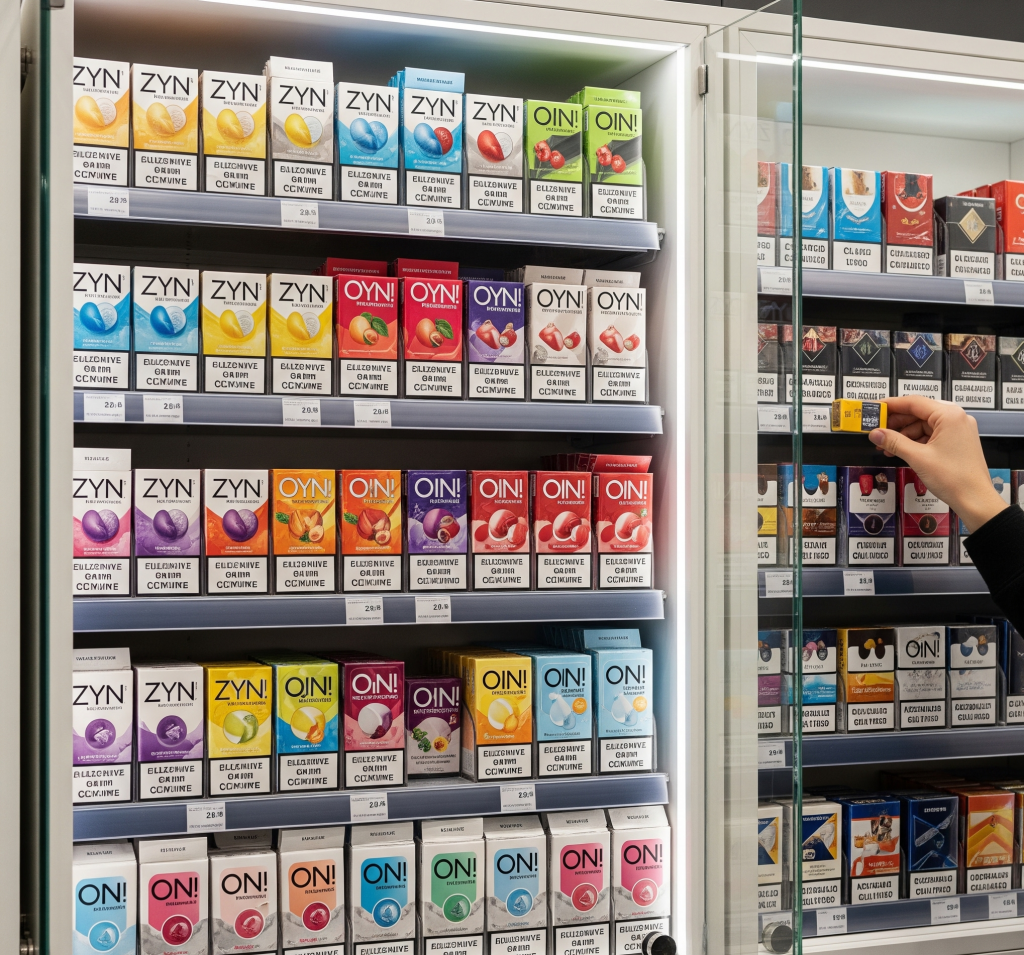
Despite these headwinds, a clear and substantial opportunity lies within the smokeless nicotine segment, particularly the oral nicotine pouch category. Retailers and wholesalers alike express significant optimism for these offerings. This market is experiencing explosive growth, projected to expand from approximately $3.95 billion in 2024 to an estimated $49.54 billion by 2033, demonstrating a staggering compound annual growth rate (CAGR) of 32.56% during this period. This remarkable growth is fueled by increasing consumer demand for smoke-free options, a broadening range of flavors and nicotine strengths to suit diverse user needs, and greater availability through expanding retail distribution. Convenience stores are already actively reallocating shelf space from traditional cigarettes to high-growth nicotine pouch brands such as Zyn (Philip Morris International) and On! (Helix Innovations LLC, an Altria company).
The continued decline in traditional cigarette sales, driven by factors such as inflation, economic uncertainty, and tightening regulations (like Indiana’s cigarette tax increase from 99.5 cents to $2.99 on July 1), signifies that relying solely on conventional tobacco products is an unsustainable strategy. The illicit e-cigarette market poses a direct threat, siphoning sales from legitimate vapor products and representing a significant, albeit difficult to quantify, loss for retailers. Conversely, the oral nicotine pouch category presents a clear, high-growth opportunity. Consumers are actively seeking smoke-free, discreet, and flavored alternatives, making this segment a crucial area for strategic focus and investment.
The rapid expansion of the nicotine pouch market is intrinsically linked to a broader societal movement towards perceived “safer” or “less harmful” nicotine consumption methods. This trend reflects an increasing demand for smoke-free options among health-conscious consumers, who are moving away from combustible products like cigarettes and even some vapor products due to concerns about lung health and secondhand smoke. For convenience stores, this represents more than just a fleeting product trend; it signifies a fundamental change in consumer values within the nicotine category. Retailers who proactively embrace and educate consumers about these harm-reduction alternatives, rather than clinging to declining traditional tobacco sales, are better positioned to capture market share and future-proof their nicotine category. This strategic shift also necessitates investment in staff training to ensure employees are knowledgeable about these products and their benefits, enabling them to confidently guide customer choices.
The pervasive presence of the illicit vape market not only drains sales from legal channels but also introduces regulatory risks and represents a significant missed opportunity for legitimate businesses. The fact that a substantial percentage of consumers would transition to legal vapor products or nicotine pouches if illicit options were removed underscores the potential for growth within the compliant market. This situation also highlights a systemic issue: insufficient enforcement against illicit products directly undermines the legal market and legitimate retailers who adhere to regulations. For convenience store operators, this implies a dual strategy: not only optimizing for legal alternatives but also actively advocating for stricter enforcement against illicit products to create a more level playing field. Furthermore, the regulatory uncertainty surrounding nicotine pouches, including potential flavor bans or advertising restrictions, suggests that while growth is high, retailers must remain informed about evolving policies that could impact future sales.
What You Should Be Doing:
- Aggressively reallocate shelf space from declining cigarette categories to high-growth oral nicotine pouches, ensuring prominent placement and a wide variety of flavors and nicotine strengths.
- Educate both staff and consumers. Training employees on the benefits and proper usage of nicotine pouches empowers them to confidently answer questions and drive sales, while in-store signage can highlight the “smoke-free” and “tobacco-free” aspects.
- Leverage loyalty programs for age-restricted sales to ensure compliance while simultaneously gathering valuable data on consumer preferences within the nicotine category, allowing for tailored promotions and inventory management.
- Actively monitor the regulatory landscape, staying informed about local and federal regulations concerning all nicotine products, especially potential flavor bans or advertising restrictions on pouches.
- While challenging, actively reporting known illicit vape sellers in the area can contribute to a healthier, more compliant market environment for legitimate businesses.
For more information, you can read the article here: CSP Daily News.
4. Beyond the Roller Grill: Capitalizing on the Healthy Grab-and-Go Boom
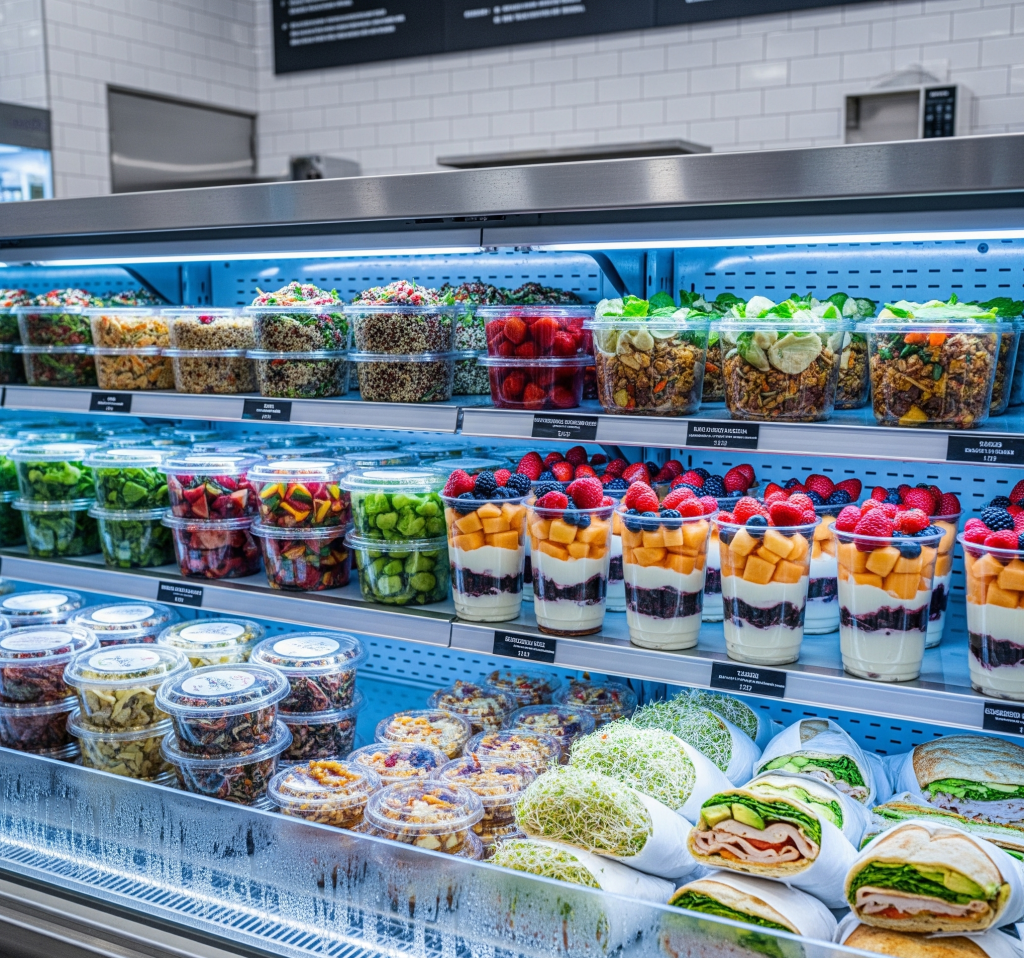
As temperatures rise, convenience store customers increasingly seek refreshing and cool meal options, with salads emerging as a prime example. The grab-and-go food market is experiencing robust growth, propelled by consumers who are busier than ever, increasingly prioritizing healthier eating choices, and seeking value amidst rising food prices. A report from the Hudson Institute, supported by the National Association of Convenience Stores (NACS), highlights a significant shift in consumer preferences: 75% of shoppers now lean towards healthier selections, and interest in nutritious grab-and-go options has climbed from 59% to 66% over the past seven years. The healthy snacks sector alone was valued at $95.61 billion in 2023, exhibiting an impressive 6.2% annual growth rate projected through 2030.Popular grab-and-go items include fresh fruits, vegetables, salads, and packaged prepared meals; sandwich purchases, for instance, have risen by 35% across all meal occasions. The “salad mix” prepackaged salad market is expected to grow 8.2% between 2021 and 2028. Major convenience store chains like 7-Eleven, QuikTrip, and Wawa are actively expanding their menus to include fresh deli sandwiches and made-to-order meals, demonstrating the viability and demand for these offerings. However, with the introduction of fresh food, paramount importance must be placed on food safety, as major incidents can incur billions in costs and severely damage a brand’s reputation.
The implications for convenience stores are substantial. This category represents a significant growth opportunity, driven by fundamental shifts in consumer behavior towards convenience, health, and value. By offering appealing meal solutions, stores can attract new customer segments who might not traditionally visit convenience stores for meals and also encourage existing customers to increase their average transaction value by adding a meal to their purchases. In an environment where consumers are seeking alternatives to more expensive restaurant dining, convenience stores are uniquely positioned to become a convenient, affordable, and healthier meal solution. The inherent risk, however, lies in managing the complexities of fresh food, where stringent food safety protocols are non-negotiable.
The strong and sustained demand for fresh, healthy grab-and-go items and the expansion of major convenience store chains into made-to-order meals indicate that the traditional convenience store model is undergoing a significant transformation. Consumers are increasingly viewing convenience stores as viable options for complete meal solutions, not merely as destinations for snacks and beverages. This necessitates that operators adopt a more sophisticated operational mindset, akin to that of a small grocery store or a quick-service restaurant (QSR). This shift requires a heightened focus on perishable inventory management, meticulous food preparation, and the implementation of stringent food safety protocols. Such an evolution often demands considerable investment in specialized equipment, comprehensive staff training, and potentially advanced technology, such as AI for demand forecasting, which extends beyond typical convenience store operations.
Managing fresh food effectively inherently involves balancing freshness with availability, accurately addressing “phantom inventory” (discrepancies between recorded and actual stock), and minimizing waste. Manual processes are often insufficient to handle this complexity efficiently. The research highlights the critical role of technology, specifically mentioning AI algorithms for precise demand prediction, forecasting spoilage rates, and optimizing stock levels, as well as automated inventory counts. Furthermore, the integration of online ordering and delivery services is no longer merely an advantage but a necessity to meet contemporary consumer expectations for convenience. This implies that investing in modern POS systems, sophisticated inventory management software, and potentially AI-driven solutions is not just about enhancing operational efficiency; it is fundamental to minimizing spoilage, ensuring consistent product quality, and capturing the full revenue potential of the grab-and-go market. Without these technological capabilities, the risks of spoilage and stockouts, coupled with the inability to cater to digitally-inclined consumers, become prohibitively high.
What You Should Be Doing:
- Reassess your product mix, identifying opportunities to introduce or expand nutritious options such as salads, fresh fruits, and prepared meals.
- Prioritize food safety. Implementing rigorous practices, including regular audits of cleanliness, proper food storage, and temperature control, is essential.
- Invest in mobile-based audit forms to provide real-time alerts and enhance accountability for food safety.
- Optimize product placement and display. Healthy choices should be made prominent, with layouts reconfigured to feature nutritious options centrally, supported by clear signage and thoughtful organization.
- Leverage technology for fresh item management, including predictive inventory and AI-driven insights, to help balance freshness and availability, reduce waste, and streamline replenishment processes.
- Offer online ordering and delivery services to integrate with modern consumer habits, catering to busy customers and expanding market reach, while ensuring seamless inventory management across all channels.
- Invest in comprehensive staff training on the nutritional benefits of products and best practices for food handling and preparation, which is vital for both compliance and customer engagement.
For more information, you can read the article here: CSP Daily News.

5. The Cold Vault Evolution: Tapping into Emerging Beverage Trends
The cold vault remains a critical component of convenience store profitability, with non-alcoholic packaged beverages alone accounting for 18% of in-store sales last year. While traditional beer sales have remained flat, brewers anticipate price increases. The ready-to-drink (RTD) alcoholic beverage market is experiencing a slowdown, yet unique flavors continue to be a key driver for consumer preference. In the energy drink category, Monster’s new zero-sugar flavors, such as Ultra Vice Guava and Ultra Blue Hawaiian, are performing exceptionally well, with Ultra Blue Hawaiian notably hailed as “the best innovation from [Monster] in many years”. Celsius is solidifying its third-place position in the energy drink market, though it faces challenges related to an oversaturation of flavors. Overall, Circana predicts a 2.0-4.0% increase in dollar sales for the global retail food and beverage industry in 2025.
Several key trends are shaping the beverage landscape. Consumers are increasingly seeking “maximalist” flavors, characterized by intensified profiles such as extra spicy, ultra sour, or “fully loaded” options. Unique flavor combinations like sweet and spicy, pickle, hot honey, and tropical notes are also gaining popularity. Beyond mere taste, there is a growing demand for functional beverages; shoppers are looking for drinks that offer benefits beyond a simple caffeine boost, supporting focus, endurance, hydration, or mood, often featuring ingredients like nootropics, adaptogens, and electrolytes. The “better-for-you” movement continues to influence choices, with a NACS survey indicating that 55% of Americans feel they should be eating healthier, driving demand for low-sugar, plant-based, and immune-boosting drink options. Furthermore, the alcohol aisle is seeing a shift away from traditional beer sales, with alternative formats such as canned cocktails, low-ABV wines, and hard seltzers gaining traction.
The cold vault is undergoing a significant transformation, evolving from a mere “thirst quencher” destination to a “wellness and experience hub.” The data clearly indicates a shift in consumer preferences beyond traditional sodas and basic drinks. Consumers are actively seeking “more out of their drink,” whether it is functional benefits for focus, endurance, or mood, unique and “maximalist” flavor profiles, or “better-for-you” options. This suggests that the cold vault’s role has expanded beyond simply providing hydration; it is now about delivering a specific experience, supporting personal wellness goals, or offering novelty. For retailers, this necessitates a strategic re-evaluation of cold vault space, prioritizing categories that align with these emerging trends over stagnant traditional options. This also implies a need for clear signage and merchandising that effectively highlights these benefits and unique flavor profiles to attract and inform consumers.
Brand loyalty in the beverage sector is increasingly driven by innovation and niche appeal, rather than solely by established names. While major players like Monster and Red Bull continue to lead the energy drink category, the growth of Celsius, despite its perceived challenge of “too many flavors,” and the strong performance of Monster’s new flavors, underscore that consumers are highly responsive to innovation and specific flavor profiles. The emphasis on “unique flavors” for RTD beverages further reinforces this observation. This suggests that relying exclusively on established brands and their core offerings may lead to missed opportunities. Retailers need to maintain agility in introducing new, trending products and flavors, even from smaller or emerging brands, to capture evolving consumer interest. This also means actively monitoring social media trends, such as “dirty sodas,” and local preferences to tailor the assortment, as niche appeal can drive significant sales and differentiate a store.
What You Should Be Doing:
- Regularly curate and optimize your beverage assortment. This involves prioritizing shelf space for high-growth categories such as functional beverages, uniquely flavored energy drinks, and “better-for-you” options.
- Embrace flavor innovation. Stocking beverages with trending “maximalist” flavors (e.g., sweet and spicy, tropical, ultra sour) and remaining open to new, unique RTD options can capture consumer interest.
- Highlight functional benefits through clear in-store signage (e.g., “boosts focus,” “hydration,” “immune support”) to effectively appeal to health-conscious consumers.
- Actively monitor emerging trends, including alternative alcohol formats like canned cocktails and low-ABV wines, as well as social media-driven concoctions such as “dirty sodas”.
- Leverage data from POS systems to analyze sales patterns for beverage categories, which is crucial for identifying top performers and slow-moving items, informing stocking decisions and maximizing profitability.
For more information, you can read the article here: CSNews .
The Bottom Line: A Dynamic Market
There you have it, 5 critical areas currently impacting convenience store businesses: navigating tighter fuel margins by strategically boosting in-store sales, adapting to the significant price increases in the chocolate category, capitalizing on the explosive growth of nicotine pouches amidst declines in traditional tobacco, seizing the expanding opportunities within the healthy grab-and-go segment, and optimizing the cold vault to align with emerging beverage trends.
These areas are not isolated challenges or opportunities; rather, they are deeply interconnected, forming a complex web of influences on overall profitability. The persistent pressure on fuel margins, for instance, directly reinforces the imperative for robust in-store performance, shifting the operational focus from the pump to the interior of the store. Simultaneously, rising chocolate prices may naturally redirect consumer spending towards other snack alternatives or the increasingly popular healthy grab-and-go options. The broader consumer demand for “better-for-you” products, evident in the shift away from traditional tobacco towards smoke-free alternatives, also permeates other categories, notably influencing choices within the beverage market.
Success in this dynamic and evolving retail landscape hinges on several key strategic imperatives. First, agility is paramount; the ability to quickly adapt product mixes, merchandising strategies, and operational processes in response to shifting consumer preferences and market conditions is crucial. Second, data-driven decision-making is indispensable; leveraging POS systems and other analytical tools to understand sales patterns, inventory performance, and customer behavior allows for informed, proactive adjustments. Third, an unwavering focus on evolving customer needs is essential; understanding what today’s consumers prioritize—whether it’s health, convenience, value, or novelty—guides product selection and service offerings. By diligently implementing the actionable strategies outlined in this playbook, convenience store operators can effectively transform current challenges into significant growth opportunities, solidify customer loyalty, and ensure their businesses remain vibrant, profitable, and indispensable hubs within their communities. Continued vigilance, adaptability, and innovation will be the hallmarks of thriving convenience retail in the years to come.


 The5For
Leave a comment