Hey everyone, it’s your friendly neighborhood convenience store industry observer back with another dose of insights to keep your business sharp. Yesterday, my eyes caught 5 news items that I think every owner and operator in our industry needs to be thinking about. Things are moving fast, and staying ahead means not just seeing the trends, but understanding how they directly impact your stores and your bottom line. So, grab a coffee, settle in, and let’s dive into the five things that should be on your radar right now.
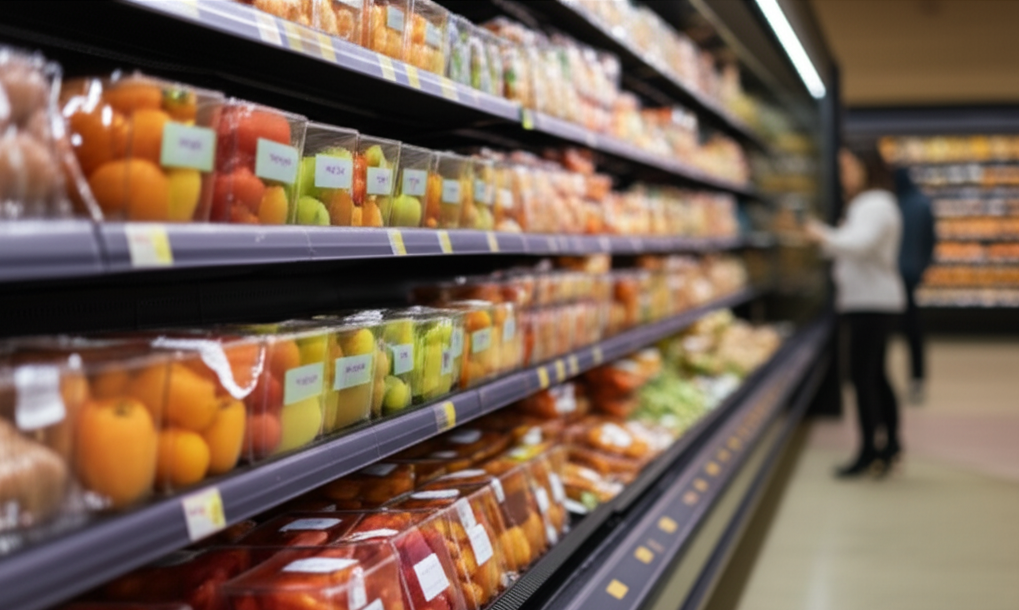
1. Consumers “Eating-Well” and What Grocery Stores Can Teach C-Stores
This first one, from Food Navigator-USA, talks about the continued rise of consumers looking for “eating-well” options and what grocery stores are doing to meet this demand. Now, I know what some of you might be thinking: “We’re a convenience store, not a health food store!” And yes, for years, our bread and butter (or should I say, hot dogs and soda!) has been about quick, indulgent treats. But here’s the thing: the world is changing, and so are our customers’ preferences.
Why This Matters to You: The trend towards healthier choices isn’t just a niche market for fancy supermarkets anymore. It’s a broad shift impacting almost every consumer. People are becoming more conscious of what they put into their bodies, even when they’re on the go. If we, as convenience store owners, don’t adapt and offer some of these “better-for-you” options, we risk losing customers to places that do. Think about it: customers are increasingly choosing c-stores as viable alternatives to quick-service restaurants, and they expect more than just the basics. They’re looking for value, yes, but also for food that they enjoy and that aligns with their wellness goals. We’ve even seen data showing that healthy eating and c-stores aren’t mutually exclusive, with sales of items like salads on the rise!
What You Should Be Doing:
- Take a fresh look at your inventory: Walk your aisles with “eating well” in mind. Are there obvious gaps where you could add healthier snacks like nuts, seeds, or protein bars?
- Think beyond packaged goods: Could you offer simple grab-and-go fresh fruit cups, single-serve salads, or even pre-cut veggies with hummus? Even small steps can make a big impact.
- Showcase the good stuff: Make your healthier options visible and appealing. Group them together, use clear signage, and consider placing them near the register or other high-traffic areas.
- Educate your team: Your staff are your front line. Make sure they know about your healthier options and can confidently answer customer questions.
- Don’t forget beverages: Beyond diet sodas, what about sparkling water, unsweetened teas, or healthier juice options?
More Information: You can dig deeper into what’s hot (and not) in grocery and how it relates to our industry right here: Food Navigator USA.
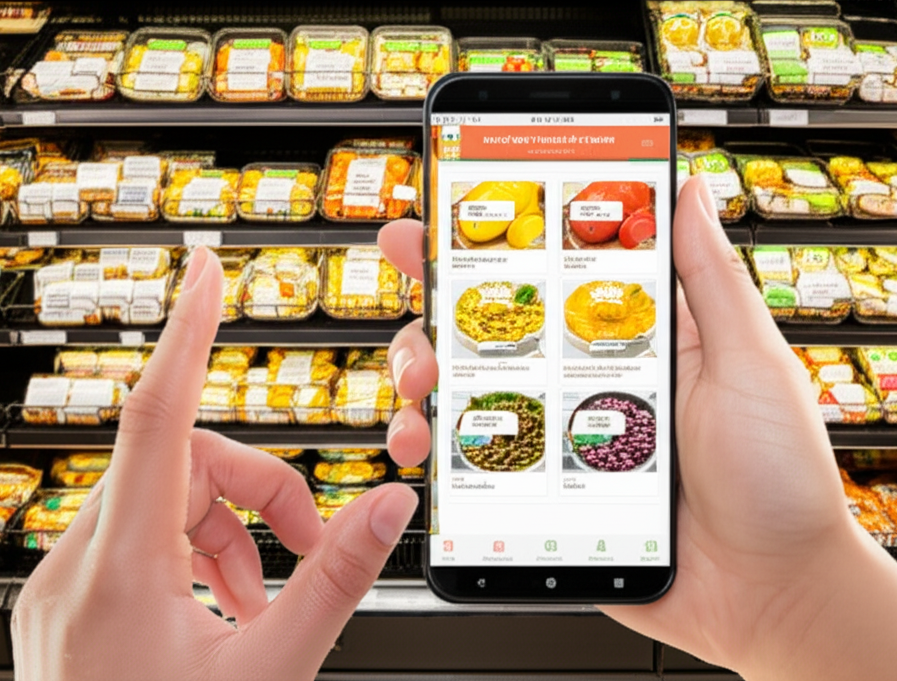
2. Decoding Digital: Is a C-Store App Right for You?
Next up, a thought-provoking piece from convenience.org that asks a really important question for all of us: Do you actually need a dedicated mobile app for your convenience store? It’s easy to feel the pressure to have an app in today’s digital world, like it’s the only way to be “modern” or competitive. But as an independent operator, you and I both know that every investment needs to make sense for our specific business. Building and maintaining an app isn’t cheap, so it’s smart to explore if it’s truly the best path.
Why This Matters to You: Listen, a mobile app can be fantastic for big chains with massive budgets and a national customer base. But for local and regional c-stores, the cost and effort of developing and promoting an app might outweigh the benefits, especially when there are other digital strategies that can be just as effective, if not more so, for less money. This article nudges us to think strategically about where we put our digital dollars and how to engage our customers effectively without necessarily launching our own app. We need to focus on what truly drives engagement and makes our customers’ lives easier.
What You Should Be Doing:
- Define your digital goals clearly: What are you trying to achieve? Is it repeat business, mobile ordering, getting the word out about promotions, or something else? Knowing your ‘why’ will guide your ‘how.’
- Explore existing platforms: Instead of building from scratch, could you leverage third-party delivery apps (we’ll talk more about that in a minute!) or popular social media channels to connect with customers?
- Optimize your web presence: Make sure your website (if you have one) is mobile-friendly, easy to navigate, and clearly lists your hours, location, and any key services. A good mobile website can often do a lot of what an app would.
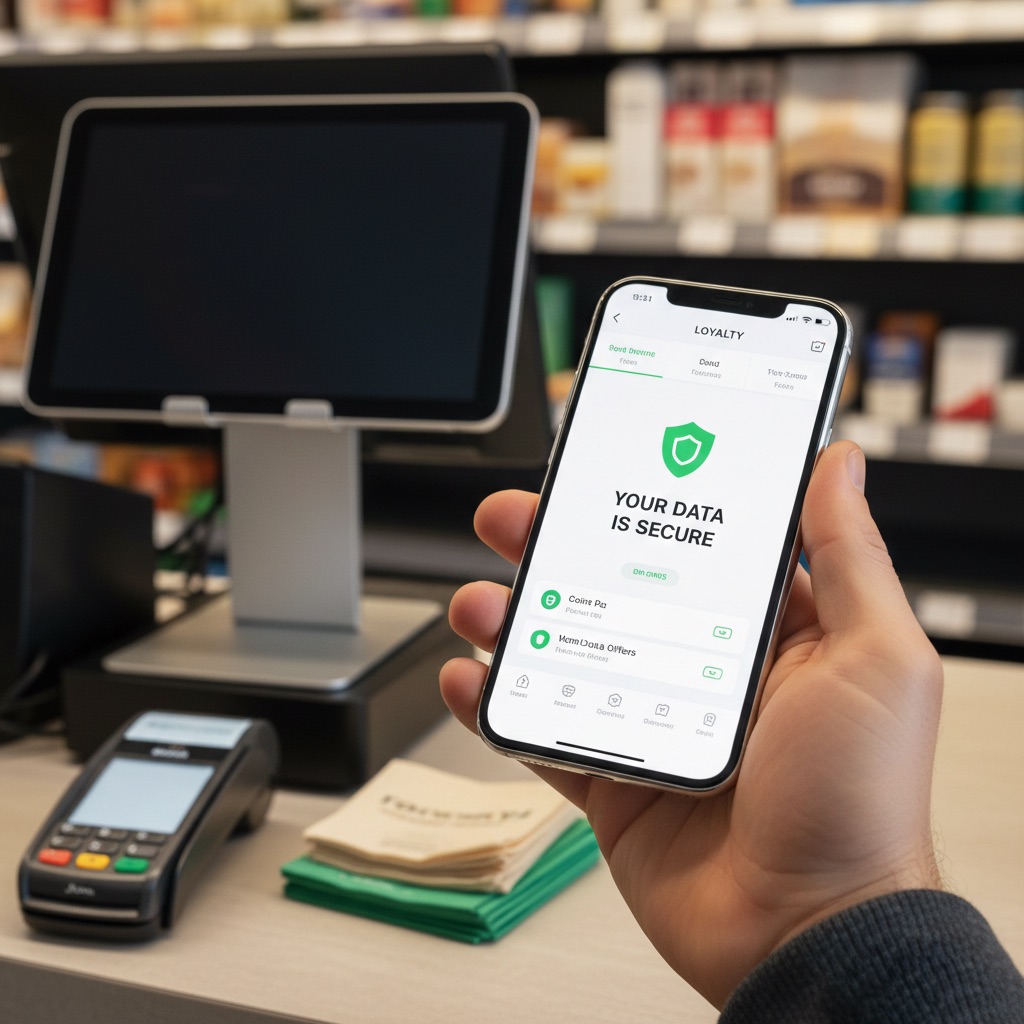
- Consider simple loyalty programs: You don’t always need an app for loyalty! Card-based programs, punch cards (digital or physical), or even just a simple text-message opt-in for deals can build loyalty without the app overhead. Focus on ease of use and instant gratification for your customers.
- Crunch the numbers: Get realistic estimates for app development, marketing, and ongoing maintenance. Compare that to the potential return on investment before diving in.
More Information: You can read the full report from convenience.org and explore these alternatives here: NACS.
3. The Modern Consumer: How Their Stress Shapes Your Store
Here’s another great one from convenience.org, and it’s all about understanding what’s really going on in our customers’ heads. Think about it: people are busy, often stressed, and always looking for ways to simplify their lives. Knowing their current “state of mind” isn’t just touchy-feely; it’s absolutely crucial for how we operate our stores and even how we talk to them.
Why This Matters to You: In today’s fast-paced world, our customers are juggling a lot. Economic concerns, tight schedules, and a general sense of overwhelm can really influence their shopping behavior. They’re coming into our stores with certain needs and expectations, and if we can meet those on an emotional level, we’re building more than just a transaction – we’re building loyalty. If someone is rushing and stressed, they want speed and simplicity. If they’re worried about their budget, they’re looking for value. Understanding these underlying currents allows us to make our stores a welcoming oasis rather than just another chore.
What You Should Be Doing:
- Prioritize speed and efficiency: This is always key for c-stores, but even more so now. How fast can they get in, find what they need, and get out? Look at your checkout lines, store layout, and product placement.
- Emphasize value, not just low prices: “Value” can mean different things. It might be a combo deal that saves them money, or it might be a quick, quality meal that saves them time and hassle.
- Create a sense of calm and order: A clean, well-lit, and organized store environment can actually reduce customer stress. Think about the overall atmosphere.
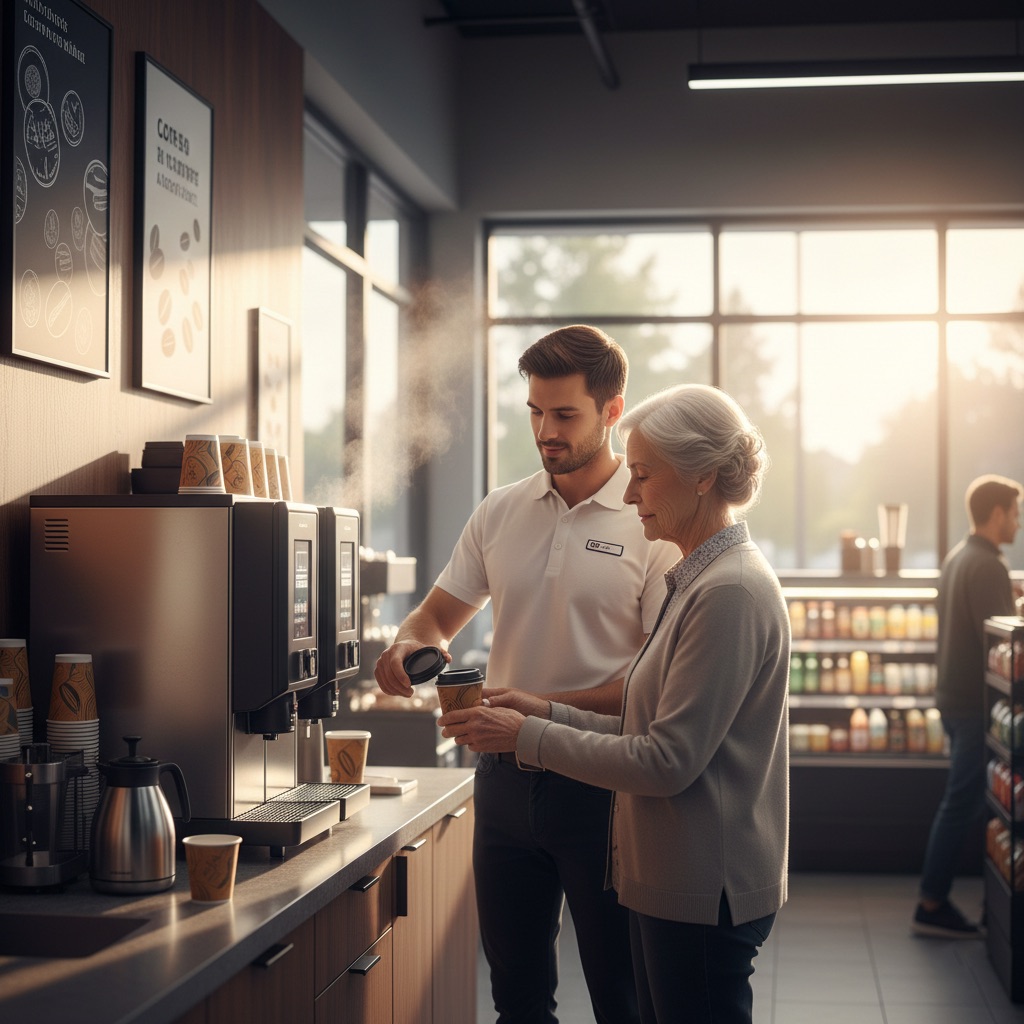
- Offer convenient solutions: Beyond just products, what services can you offer that make their day easier? Maybe it’s a quick coffee stop with mobile ordering, or a reliable ATM.
- Empower your team with empathy: Encourage your staff to be friendly, helpful, and understanding. A positive interaction, even a brief one, can leave a lasting impression on a stressed customer.
More Information: Dive deeper into consumer psychology and what it means for your store by checking out the full article here: NACS.
4. Your C-Store and Food: Earning Customer Confidence, One Safe Bite at a Time
Now, this next headline from Food Business News might sound a little alarming, but it’s something we absolutely need to talk about: “Who’s Afraid of Food? Turns Out Consumers Are.” The article points out that consumer confidence in US food safety has actually hit a 13-year low. This isn’t just a fleeting worry; it reflects a deeper unease about where our food comes from and how it’s handled.
Why This Matters to You: As convenience store owners, we’re on the front lines of food sales. Whether you’re selling packaged snacks, hot dispensed beverages, or fresh grab-and-go meals, your customers are making purchasing decisions based on their trust in your products. If they’re feeling less confident about food safety in general, they’re going to be even more scrutinizing of where they choose to buy. This trend means that maintaining impeccable food safety standards and making those standards visible isn’t just good practice; it’s essential for your reputation and for reassuring your customers that your store is a safe place to buy food. People are concerned about everything from bacteria like E. coli to pesticides and even additives.
What You Should Be Doing:
- Double down on cleanliness: This is a no-brainer, but it’s more important than ever. Make sure your store, especially food preparation and display areas, is visibly spotless. Customers notice.
- Train your team, constantly: Ensure all staff handling food are rigorously trained on proper food handling, storage temperatures, personal hygiene, and cross-contamination prevention. Regular refreshers are key.
- Be transparent about your practices: If you have certifications or follow specific health and safety protocols, let your customers know! Post signs, mention it on social media, or even have a “how we keep your food safe” section on your website.
- Check expiration dates religiously: This seems basic, but in a busy environment, it can sometimes slip. Ensure a strict rotation policy (FIFO – first in, first out) for all perishable items.
- Listen to feedback: Encourage customers to voice any concerns and take them seriously. Address them promptly and visibly.
More Information: For the full scoop on why consumers are feeling this way and what it means for the food industry, check out the article here: Food Business News.
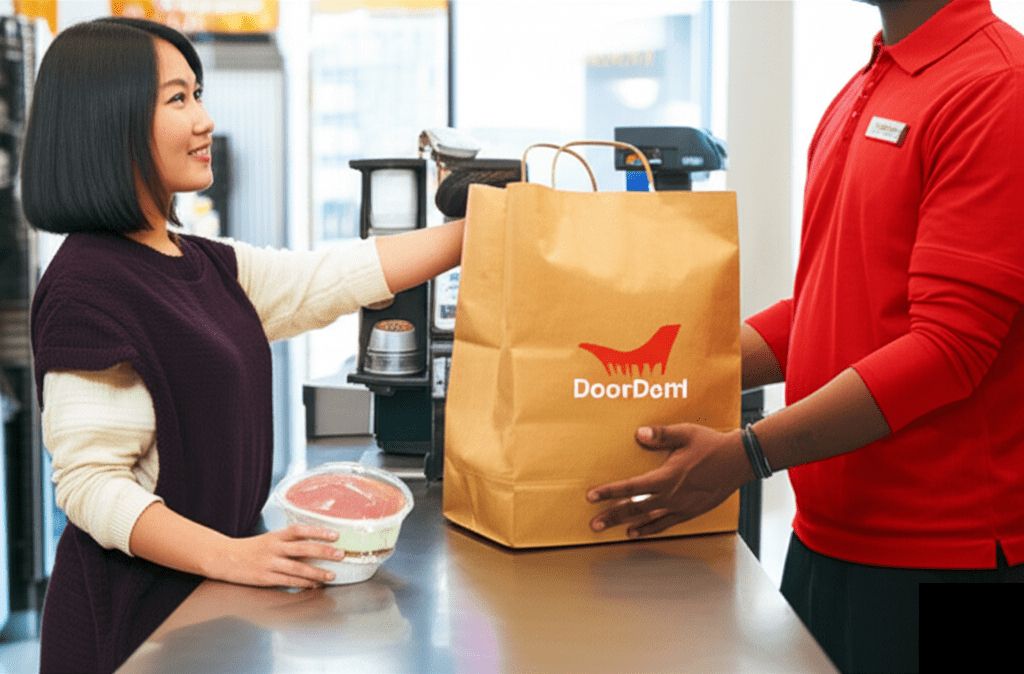
5. DoorDash & Beyond: Delivering Convenience to Your Customers
Last but certainly not least, CSP Daily News brings us some exciting news: National Retail Solutions (NRS) is partnering with DoorDash to help independent retailers get into the delivery game. This is a big deal, especially for those of us who might not have the resources to build our own full-blown delivery infrastructure.
Why This Matters to You:
Think about how much our customers rely on delivery for everything these days, from their dinner to their groceries. Your c-store, with its convenience and quick access to essential items, is perfectly positioned to capture some of that delivery demand. But for many independent operators, setting up a delivery service from scratch – hiring drivers, managing logistics, building an app – can feel overwhelming. This partnership offers a ready-made solution, letting you tap into DoorDash’s vast network of drivers and established delivery platform. It means you can reach customers you might not otherwise, opening up a whole new revenue stream, potentially even during off-peak hours!
What You Should Be Doing:
- Investigate partnership options: Look into what DoorDash (or other third-party platforms like Uber Eats or Grubhub, if they’re strong in your area) offers for convenience stores. Understand their fee structures and what kind of support they provide.
- Curate your delivery menu: What items in your store make the most sense for delivery? Snacks, drinks, basic groceries, household essentials – these are often big sellers for quick, on-demand needs.
- Streamline your in-store process: If you’re going to offer delivery, make sure your team can efficiently pick, pack, and hand off orders. The smoother the process, the better for everyone involved.
- Promote your new service: Don’t just sign up and hope people find you! Let your regular customers know you offer delivery through in-store signage, social media, and maybe even a quick mention on your website.
- Monitor and adapt: Pay attention to what’s selling well through delivery, what times are busiest, and how the service is impacting your overall business. Be ready to adjust your offerings or operations based on what you learn.
More Information: You can read more about this exciting partnership and what it means for independent retailers here: CSP Daily News.
The Bottom Line
So, there you have it, 5 key areas that I think deserve your attention from Tuesday. From understanding the evolving health consciousness of consumers to navigating the digital landscape, ensuring food safety, and embracing delivery solutions, there’s a lot to consider. It might feel like a lot of moving parts, but remember, staying informed and taking proactive steps is what separates the thriving convenience stores from the ones that get left behind. We’re a resilient industry, always adapting to what our communities need. By continuously keeping your finger on the pulse of these trends and being willing to innovate, we can continue to serve our customers effectively and profitably. Keep moving forward, stay curious, and don’t be afraid to try new things that can help your business shine.
Here’s to a successful week!

 The5For
Leave a comment