Another week in the books, another whirlwind of activity in our dynamic convenience store industry! As busy owner/operators, your plate is always full, making it tough to keep up with every headline. That’s why I’ve sifted through the noise to bring you the 5 most interesting and impactful news items from yesterday, August 1st, that I believe every one of you should be paying attention to. Think of this as your quick-hit weekend playbook—practical, insightful, and designed to give you a real edge. This curated information is essential because the fast-paced nature of convenience retail demands that we not just react to trends but proactively adapt to them. Staying on top of these developments is not just about being informed; it is about positioning your business for sustained success and growth. Let’s dive in and see how we can turn this week’s news into next week’s wins for your store.
1. The Shifting Sands of C-Store Mergers & Acquisitions: Opportunity or Threat?
We’ve been watching the merger and acquisition (M&A) space closely, and while broader retail M&A saw a 20% increase in the first five months of 2025, our c-store and fuel distribution sector actually experienced a significant 35.7% decline in announced deals through mid-May. It might seem like the market took a breather, but summer has brought a noticeable pickup. We’ve seen Gill Energy acquire Dutchess Terminals and its 13 retail locations, Applegreen secure rights to remodel and operate 18 Massachusetts travel centers, Sampson-Bladen Oil Co. acquire the 15-location Breeze Thru Markets chain, and MAPCO purchase 35 stores from Couche-Tard. This recent activity suggests 2025 could still outpace 2024 in terms of M&A volume.
The biggest news is Sunoco’s $9.1 billion buyout of Parkland Corp., which shareholders approved in June. This is particularly interesting given Sunoco sold most of its c-store assets to 7-Eleven just last year, marking a significant return to retail for them. Our market remains incredibly fragmented, with over 152,000 c-stores in 2024, many of them single-unit operators. This fragmentation is a key driver for ongoing consolidation. A significant 80% of deals in 2023 and 74% in 2024 involved target companies with fewer than 50 stores. This shows that while the mega-deals grab headlines, the backbone of M&A is still smaller, regional acquisitions. A crucial detail emerging from these transactions is that rebranding acquired stores can cost up to $1 million per location, largely due to upgrades for foodservice capabilities. This tells us where the real value is perceived. Finally, there’s a significant social implication: c-stores often serve as vital food and staple providers in rural communities, especially where grocery access is limited. Consolidation in these areas can have a profound impact on food accessibility.
Why You Should Be Interested
This M&A landscape, though fluctuating, signals a relentless long-term trend towards consolidation in our industry. For you, this means two things: increased competition from larger, more efficient chains with deeper pockets, but also potential opportunities if you’re looking to grow through acquisition or strategically position your store for a future sale. The consistent investment in foodservice during these acquisitions isn’t just a coincidence. It underscores that prepared food and dispensed beverages are no longer just an add-on; they are the core drivers of profitability and valuation for modern c-stores. Chains like Casey’s are seeing fuel margins around 12%, but prepared food and dispensed beverages are closer to 59%. This is a clear signal of where the industry is heading and indicates where the most significant profits are being generated.
Even if you’re a single-store operator, these trends affect your local competitive environment. A new, larger chain entering your market can drastically alter customer expectations and pricing dynamics. The fact that smaller acquisitions remain dominant, even as overall M&A activity slows, means that regional players are still actively expanding, potentially surrounding and out-competing independent stores. This also means that well-run, smaller independent stores are attractive targets. Your business needs to be positioned either as too strong to be easily outmaneuvered, or valuable enough to be an appealing acquisition for these expanding regional chains. Furthermore, the vital role c-stores play in addressing food insecurity in rural areas reveals an often-overlooked social and economic value. When larger chains acquire these locations, they are not just buying a business; they are acquiring critical community infrastructure. This suggests that rural c-stores, particularly those that effectively serve as essential food solutions, may possess an intrinsic, undervalued asset that could become a strategic focus for acquirers looking to expand their community footprint and leverage foodservice in underserved markets, potentially leading to unique positioning or acquisition opportunities for rural operators.
What You Should Be Doing
- Double Down on Foodservice Investment: Prioritize expanding or upgrading your prepared food and dispensed beverage offerings. Focus on high-margin items like fresh coffee, hot and cold dispensed beverages, and grab-and-go meals. Explore partnerships with local bakeries or food providers to offer unique, high-quality grab-and-go options that differentiate your store.
- Leverage Your Local Identity and Community Connection: Emphasize personalized customer service and foster strong community ties—these are advantages larger chains struggle to replicate. Curate a selection of local or specialty products that resonate with your community’s unique preferences, creating a “must-visit” destination.
- Optimize Operations with Smart Technology: Invest in affordable technology solutions like robust point-of-sale (POS) systems, real-time inventory management, and potentially mobile ordering or self-checkout options to streamline operations and meet customer expectations. Utilize data analytics from your POS to identify top-performing products, manage inventory shrink, and optimize pricing and promotions.
- Cultivate Strong Customer Relationships: Implement a loyalty program that rewards repeat customers and encourages higher basket sizes. Actively solicit and respond to customer feedback to continuously improve your offerings and service.
- Stay Informed on Local Market Dynamics: Keep an eye on any local or regional M&A activity that could impact your competitive landscape or present future opportunities for your own business.
More Information: CStore Dive.
2. Sweet Success: How Frozen Treats are Driving Sales
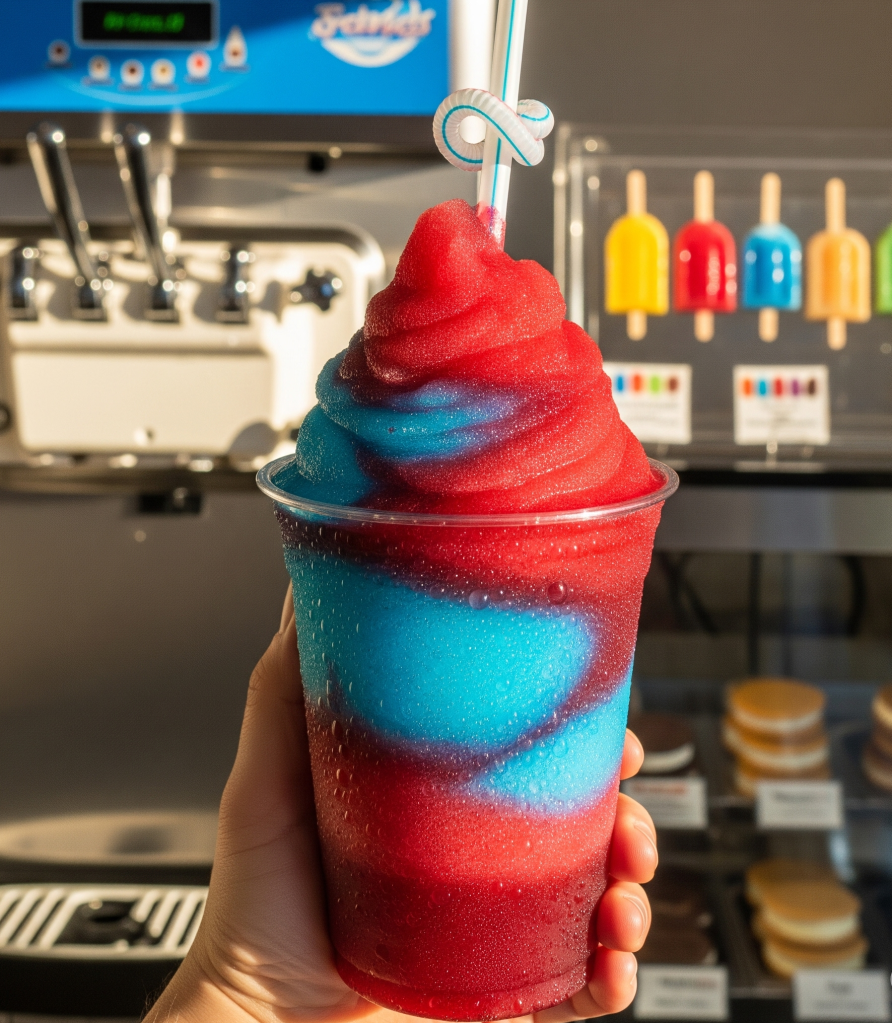
It’s no surprise that summertime is prime time for fun frozen treats—from classic ice cream sandwiches to innovative dispensed beverages and soft-serve. What might surprise you are the incredible profit margins: frozen carbonated beverages (FCB) can yield up to 70% gross profit, while frozen uncarbonated beverages (FUB) are typically in the 50-60% range, and even smoothies and milkshakes hit around 40%. These are serious money-makers!
We’re seeing chains like Good 2 Go successfully leverage soft-serve programs and a wide array of FCB/FUB flavors, including popular energy drink-inspired options. Huck’s Market, with their “Bigg Swirl” (f’real and Fresh Blends) and “Bigg Chill” programs, has seen sales surge with promotions like 89-cent frozen beverages. They emphasize using eye-catching colors like blue and red to draw customers in. Duchess Convenience Stores find success with classic ice cream pints and sandwiches, often partnering with local manufacturers for unique regional flavors that resonate deeply with their customers. Their frozen dispensed favorites are the timeless blue raspberry and cherry, often combined by customers for a personalized experience.
The broader frozen novelty category is buzzing with innovation: smaller portions, wildly unique flavor profiles (think dragon fruit lemonade or ube), creative coatings, sprinkles, and exciting brand collaborations (like Eggo and Rice Krispies Treats ice cream sandwiches). This category saw sales up 1.3% to $8.2 billion in 2024 and is one of the most repeatedly purchased frozen categories. Interestingly, nostalgia plays a big role for millennials and Gen Z, while families often gravitate towards tried-and-true classics. Finally, proprietary offerings, like Stewart’s Shops’ award-winning ice cream, can truly differentiate a store and boost margins, but they do require a significant investment in space and capital.
Why You Should Be Interested
Frozen treats aren’t just seasonal delights; they’re a consistent, high-margin, high-impulse category that can significantly boost your average basket size and attract new customers year-round. While the high-impulse nature of frozen treats is clear, the data also shows they are “most repeatedly purchased” and that “tried-and-true classic flavors always win”. This indicates a deeper connection than just a spontaneous buy. By consistently delivering on quality and availability of beloved classics, you can turn a quick impulse into a dependable, recurring revenue stream, making the category a “sticky” one that fosters habitual purchases and customer loyalty.
Understanding the delicate balance between offering beloved classic flavors and introducing exciting, limited-time offers (LTOs) is crucial for maximizing sales and keeping your customers engaged. The innovation happening in the broader frozen novelty market provides a fantastic blueprint for how you can keep your own offerings fresh and exciting, appealing to a wide range of customer segments from adventurous Gen Z to nostalgic boomers. The discussion of unique flavor combinations, coatings, sprinkles, and customers combining multiple flavors in a cup point to a growing demand for a personalized “experience” from their frozen treats. It’s not just about consuming a product; it’s about the customization, the visual appeal, and the fun of creation. This suggests that you can compete not just on convenience or price, but on offering a unique, interactive, and potentially “Instagrammable” experience that encourages experimentation and sharing, driving engagement beyond the immediate sale. The success stories of local partnerships and proprietary programs demonstrate that differentiation, whether through unique products or community ties, can lead to strong customer loyalty and healthier profits. The advice to identify “white spaces” in proprietary offerings is a critical strategic point. It’s not about simply copying what national brands or competitors offer, but about identifying unmet needs or unique niches where your store can truly own a category or flavor profile. This requires proactive market analysis, understanding local tastes, and a willingness to innovate beyond ubiquitous products, directly tying into the broader strategy of differentiation for independent operators in a consolidating market.
What You Should Be Doing
- Diversify and Innovate Your Frozen Offerings: Go beyond traditional packaged ice cream. Invest in or expand self-serve soft-serve, FCB, and FUB programs. Stock a strategic mix of classic, consistently popular flavors (chocolate, vanilla, blue raspberry, cherry) and exciting, rotating LTOs or unique flavors to generate buzz and encourage repeat visits. Consider adding innovative frozen novelties that cater to specific flavor trends or dietary preferences.
- Optimize Merchandising and Promotions: Place frozen treats in high-impulse areas, such as near the register or beverage stations, with bright, eye-catching displays that highlight their vibrant colors. Run targeted promotions, like discounted price points on dispensed beverages, to drive traffic and increase unit volume. Ensure your frozen area is always impeccably clean, well-lit, and fully stocked with cups, lids, and straws—the basics matter!
- Explore Local Partnerships and Proprietary Options: Investigate partnerships with local ice cream manufacturers or bakeries to offer unique, regional flavors that build a strong community connection and differentiate your store. If your resources allow, consider developing a proprietary frozen treat offering. While a significant investment, it can create a truly unique selling proposition and capture higher margins.
- Think Cross-Category: Brainstorm how your frozen treats can be combined with other beverage programs (e.g., coffee, soda) to create unique, “over-the-top” offerings that blur the lines between categories and appeal to adventurous consumers.
More Information: CStore Decisions.
3. Leadership & Culture: What You Permit, You Promote
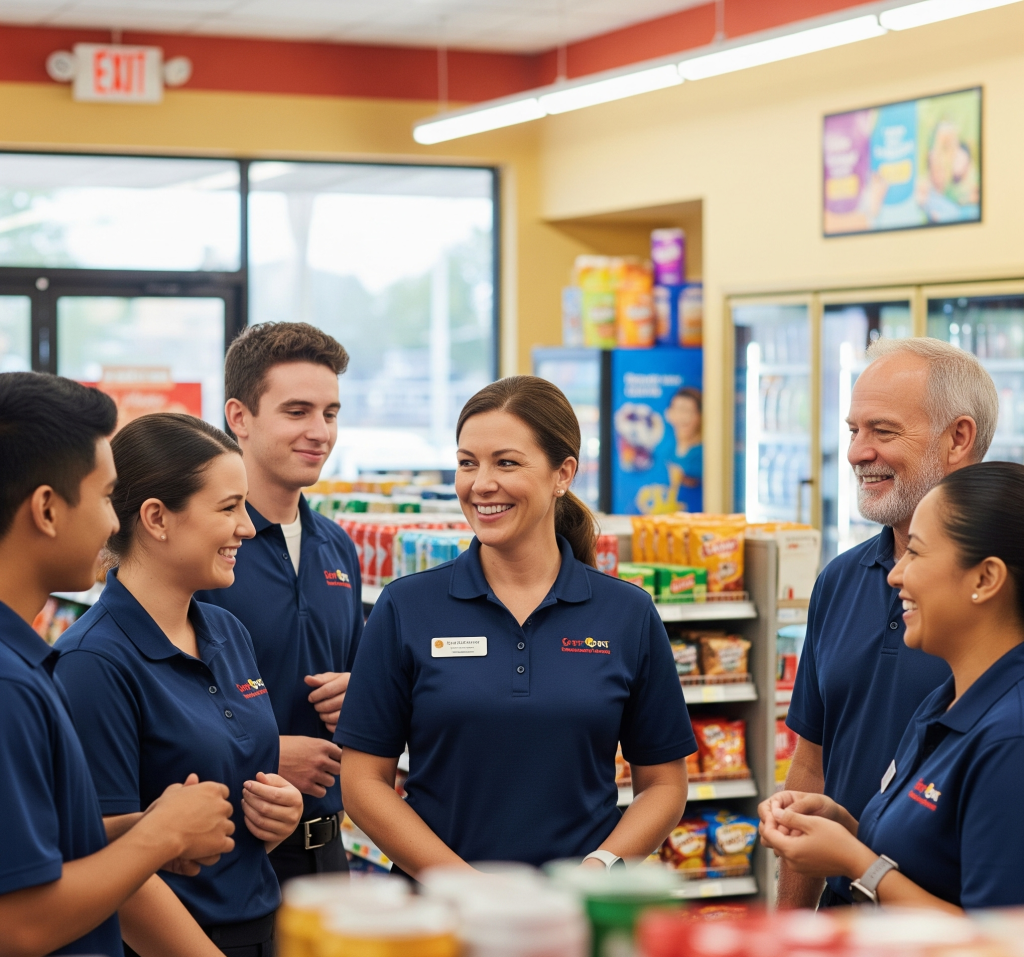
This article hit home for me: company culture isn’t built on fancy mission statements or posters. It’s fundamentally shaped by the behaviors you, as a leader, implicitly or explicitly permit. If you tolerate dominating meetings, toxic high performers, or missed deadlines, you’re effectively promoting those behaviors, eroding trust and undermining your desired culture. To truly transform culture, leaders must engage in deep self-reflection, audit team dynamics, visibly model the behaviors they want to see, and proactively signal clear expectations.
The core of a thriving culture is employee engagement. Engaged employees are emotionally invested, perform better, provide excellent customer service, and significantly reduce costly turnover. What drives this engagement? Several key factors stand out:
- Empathy and Coaching: Leaders who lead with empathy, active listening, and a coaching approach—empowering development rather than just dictating—build stronger teams.
- Growth Opportunities: Employees are far more engaged when they see clear paths for career advancement and receive professional development opportunities.
- Recognition: Consistently recognizing and thanking employees for their contributions, big or small, is a powerful motivator.
- Open Communication: Fostering two-way communication, actively listening to ideas, and providing constructive feedback creates a trusting environment where employees feel valued.
- Positive Mindset: A leader’s positive outlook instills confidence and encourages employees to strive for higher performance.
- Well-being and Safe Conditions: Supporting employee well-being, offering flexible scheduling where possible, and ensuring comfortable and safe working conditions are critical for satisfaction and retention.
Practical leadership tips for c-store managers include leading by example, being decisive and transparent, getting to know staff personally, delegating effectively, and adopting a data-driven mentality.
Why You Should Be Interested
Your store’s culture is not some abstract concept; it directly impacts everything from employee morale and retention to the quality of your customer service and, ultimately, your profitability. In today’s competitive labor market, retaining quality employees is paramount, and strong, empathetic leadership is the cornerstone of that retention. The “what you permit, you promote” principle is a powerful reminder that every action (or inaction) you take as a leader is shaping your business’s identity and performance, whether you intend it to or not. This is your chance to intentionally build the culture you desire.
The retail sector, including convenience stores, is notorious for high employee turnover. The information explicitly links strong culture and employee engagement to reduced turnover, improved customer service, and increased sales. This means that a positive, intentional culture is not just a “soft” HR benefit; it is a strategic asset that reduces operational costs (like recruitment and training) and enhances the customer experience, creating a significant competitive advantage against competitors, especially larger chains that often struggle with personalized employee relationships. The principle that “what we permit, we promote” implies a powerful, often unseen, cascading effect throughout the organization. If a leader tolerates a specific undesirable behavior, it implicitly signals to their direct reports that this behavior is acceptable. Those direct reports then consciously or unconsciously model or tolerate the same behavior down the line to their teams, creating a ripple effect that shapes the entire store’s operational norms, customer interactions, and overall atmosphere. This means a single leader’s inaction or “blind spot” can inadvertently define the entire store’s culture and performance. The research clearly articulates that engaged employees lead to “higher productivity,” “better teamwork,” “increased sales,” and a “healthier bottom line”. This elevates employee engagement from a qualitative “feel-good” metric to a direct, quantifiable driver of financial performance. Investments in leadership development, employee training, recognition programs, and fostering well-being should not be viewed as expenses, but as high-yield investments with tangible returns on profitability and operational efficiency.
What You Should Be Doing
- Lead by Example, Always: Visibly demonstrate the behaviors you want to see in your team—whether it’s exceptional customer service, meticulous tidiness, or proactive problem-solving. Your actions speak louder than any words. Be transparent in your communications and decisive in your actions, especially when facing challenges.
- Invest in Your People’s Growth: Provide ongoing training and development opportunities. Clearly communicate paths for career advancement within your organization, showing employees their future with you. Shift your management style from “telling” to “coaching,” empowering your team members to grow, take initiative, and solve problems independently.
- Foster Open Communication and Recognition: Implement regular, brief check-ins and create accessible channels for two-way feedback. Actively listen to your employees’ ideas, concerns, and suggestions—they are on the front lines. Consistently recognize and celebrate both big wins and small daily achievements. A simple, sincere “thank you” or a public shout-out can significantly boost morale.
- Prioritize Employee Well-being and Work-Life Balance: Ensure your store provides safe and comfortable working conditions. Support work-life balance where possible, respecting off-hours and making scheduling transparent and fair.
- Self-Reflect and Take Action: Regularly ask yourself: “What behaviors am I tolerating in my store that I would never include in an employee handbook?” Once identified, develop a concrete action plan to address them.
More Information: Leadership.

4. Decoding the Modern Snacker: Are You Satisfying Their Cravings?
Cargill’s recent research offers a fascinating look into consumer snack habits, identifying six distinct segments: Health Seekers, Purposeful Snackers, Role Modelers, Emotional Snackers, Impulse Munchers, and Guiltless Grazers. Each of these groups has unique motivations—from prioritizing health and functional benefits to seeking comfort, satisfying immediate cravings, or simply enjoying a moment of indulgence. Our c-stores are uniquely positioned for the snacking market. Customers spend less than four minutes inside, typically seeking quick, competitively priced, ready-to-eat meals or snacks for immediate consumption. This is our sweet spot! It’s no secret that snacks are often impulse buys, making strategic placement absolutely crucial.
The research highlights key merchandising strategies:
- Monitoring Trends: Stay on top of popular local and national snack trends, like the current surge in demand for hot and spicy flavors.
- Diversification: Offer a wide variety: grab-and-go items, indulgent treats, healthier options, and even local/specialty snacks to cater to all segments.
- Stock Rotation: Regularly update your stock and experiment with product placement to keep your offerings fresh and exciting.
- Seasonal & Holiday: Introduce limited-time seasonal and holiday-themed snacks to create a sense of urgency and new interest.
- Portioning: Provide both single-serve and multi-pack options to cater to different needs and occasions.
- Data & Feedback: Use your POS data to identify best-sellers and customer feedback to tailor inventory.
- Cross-Merchandising: Think beyond the traditional candy aisle. Place snacks strategically throughout the store—near the register, coffee stations, or soft drink fountains—to encourage impulse buys.
- Visual Appeal: Ensure your displays are always neat, organized, and eye-catching with clear signage and creative themes.
- Private Label: Consider offering private label candy and snack options to build customer loyalty and differentiate your brand.
Why You Should Be Interested
Snacks are a cornerstone of c-store profitability and deeply understanding the “why” behind consumer choices allows you to implement highly targeted and effective inventory, merchandising, and marketing strategies. Your store’s inherent convenience factor makes it a prime destination for snackers. Maximizing this potential requires more than just stocking shelves; it demands strategic thinking about how to meet diverse, evolving cravings. Effective merchandising isn’t just about aesthetics; it directly impacts impulse purchases, increases overall basket size, and enhances customer satisfaction.
The research highlighting “Guiltless Grazers” who snack “throughout the day” and the general c-store customer seeking “quick, easy-to-grab items” for “immediate consumption” points to a broader societal trend where traditional meal times are blurring, and snacks are increasingly substituting or supplementing full meals. This means that c-stores, with their inherent speed and accessibility, are perfectly positioned to capitalize on this “snackification” of eating, making snack strategy not just about impulse buys, but about capturing a larger, more frequent share of consumers’ daily food consumption. Cargill’s research doesn’t just categorize
what people snack on, but why—their motivations and barriers. Understanding the underlying emotional or functional drivers (e.g., stress relief for Emotional Snackers, gut health for Purposeful Snackers) allows for more sophisticated and effective merchandising and marketing. Instead of simply categorizing “chips,” it becomes “chips for de-stressing after a long day,” or “protein bars for sustained energy.” This shifts the focus from merely stocking products to providing
solutions that resonate with specific consumer needs and emotional states. While convenience is a given for c-stores, the ability to offer a diversified and trend-aware selection elevates this to “curated convenience”. It’s not just about having
any snack but having the right snack for the right occasion and the right consumer segment. This implies a need for continuous market research and agile inventory management, moving beyond static planograms to dynamic, responsive merchandising that anticipates and fulfills specific “snack moments” and preferences, thereby enhancing customer loyalty and perceived value.
What You Should Be Doing
- Segment Your Snack Strategy: Analyze your current snack inventory and identify which of the six consumer segments (Health Seekers, Emotional Snackers, etc.) you are serving well, and where your gaps might be. Diversify your offerings to appeal to all segments, ensuring you have options for health-conscious choices, indulgent treats, functional benefits, and local favorites.
- Optimize Merchandising for Impulse: Strategically place high-demand and impulse snacks near high-traffic areas like the register, coffee stations, and beverage fountains. Create eye-catching, organized, and seasonally themed displays that encourage exploration and trial. Consider creative signage to highlight new or trending items.
- Leverage Data and Trends: Use your POS system to regularly analyze sales data. Identify your top-performing products and remove slow movers to optimize shelf space and inventory. Actively monitor social media and industry reports for emerging snack trends (e.g., hot and spicy flavors) and introduce new products regularly to keep your selection fresh.
- Consider Private Label and Local Partnerships: Explore private label snack options to build brand loyalty and offer unique value that customers can’t find elsewhere. Partner with local bakeries or snack producers to offer unique, community-specific items that appeal to customers looking for regional flavors.
More Information: Candy USA.
5. Energy Drinks Get Creative: Fueling Future Growth
Energy drinks are a true powerhouse in our industry, accounting for nearly 39% of the functional beverage market with a staggering $28.18 billion in annual sales. Even better, the category is forecast to grow at an impressive 8.2% CAGR from 2022-2027. This isn’t a fad; it’s a fundamental shift. Our c-stores are perfectly set up to capitalize on this. When consumers are feeling the economic pinch, they often opt for single-serve options in c-stores rather than buying more expensive multi-packs elsewhere. This gives us a distinct advantage.
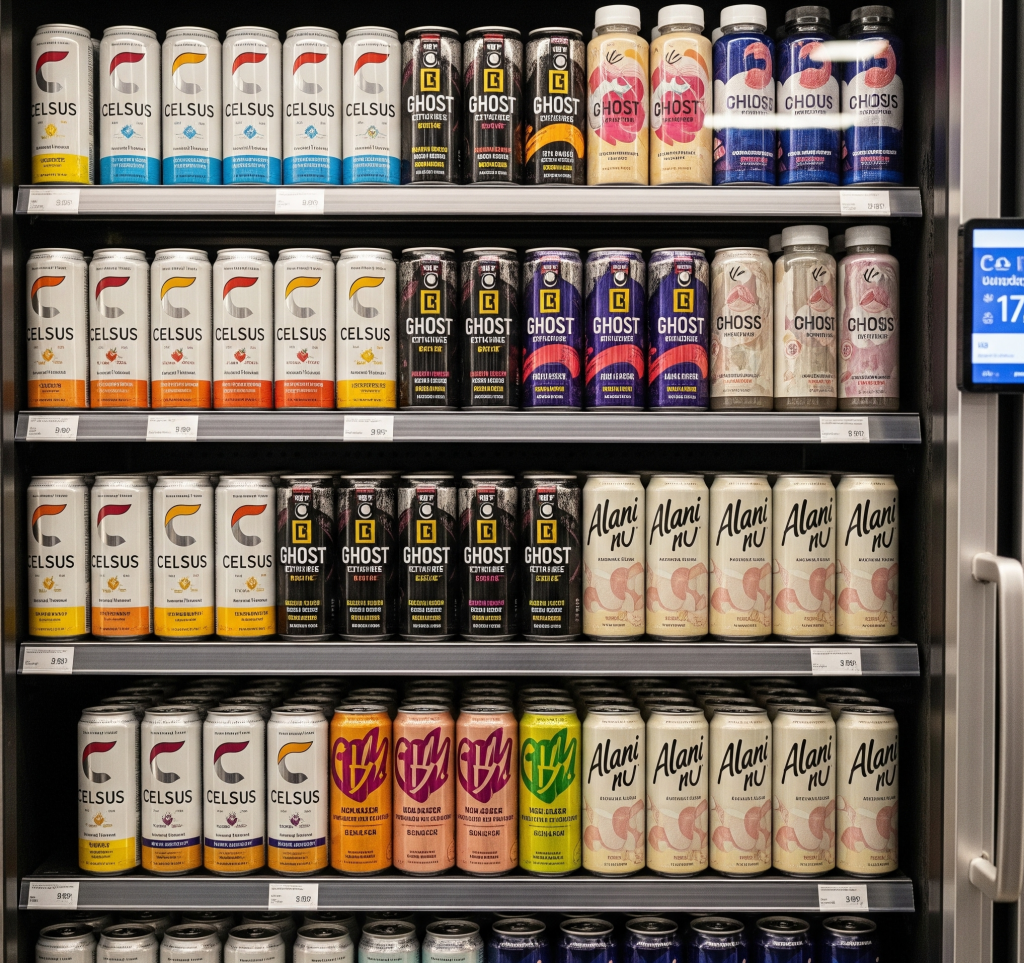
What’s truly exciting is the rise of smaller, innovative brands. Celsius sales surged nearly 118% in c-stores over the past year, with retailers expecting another 40% growth this year. Brands like GHOST and Alani Nu are also seeing significant growth and are gaining valuable shelf space. Conversely, some traditional giants like Red Bull, Monster, Bang, and Rockstar are struggling or expected to lose shelf space. This signals a changing of the guard.
Innovation is rampant across several fronts:
- Formulation: Beyond just caffeine, new formulations include adaptogens, nootropics for cognitive performance, natural caffeine sources, and functional benefits like BCAAs, electrolytes, creatine, and taurine for athletic performance, as well as immune support and mood enhancement.
- Flavor Profiles: We’re seeing a “flavor renaissance” with complex and sophisticated flavors, unique fusions (e.g., vanilla, blueberry, eucalyptus), and nostalgic options (like C4 Energy’s Creamsicle or Jolly Rancher).
- Sugar Reduction: This is a significant trend, with more zero-sugar options and innovative alternative sweeteners like allulose and monk fruit.
- Format Innovation: Beyond the traditional can, new formats are emerging, including powdered energy solutions (think “Focus + Flow” modular stacks), gummies, chewables, shots, and concentrates.
- Sustainability: Eco-friendly packaging (compostable sachets, refillable containers) and ethical sourcing are increasingly appealing to new demographics.
Consumers are looking for more than just a jolt; they prioritize great taste and caffeine, but also seek vitamins, minerals, and specific functional benefits like improved performance, hydration, and concentration. Crucially, Gen Z and Gen Alpha are driving much of this change. They are drawn to purpose-led brands, functional benefits, sustainable packaging, and authentic stories, often discovered via platforms like TikTok.
Why You Should Be Interested
Energy drinks represent a high-growth, high-profit category that continues to evolve at an incredible pace. Staying ahead of these trends isn’t just about keeping up; it’s crucial for maximizing your sales and capturing new market share. Consumer preferences are clearly shifting away from traditional brands and towards products offering diverse functional benefits, cleaner labels, and innovative formats. This represents a huge opportunity for agile c-stores to differentiate their offerings. Your ability to offer single-serve options gives you a distinct competitive advantage, especially in economically challenging times, as consumers prioritize individual purchases over bulk buys.
The evolution from traditional energy drinks (pure caffeine for a jolt) to formulations incorporating adaptogens, nootropics, and athletic performance ingredients signifies a deeper shift. Energy drinks are no longer niche products for extreme athletes or late-night workers; they are becoming mainstream “performance enhancers” for everyday life—from studying and gaming to managing daily stress and improving focus. This significantly broadens the target demographic beyond the traditional energy drink consumer, opening up new sales avenues for your c-store. The demand for “clean energy,” natural caffeine sources, and functional benefits like immune support and mood enhancement suggests that consumers are increasingly viewing their beverage choices through a wellness lens. By stocking these innovative energy drinks, you can subtly position your store not just as a place for quick grabs, but as a convenient destination for functional wellness solutions. This aligns with broader consumer trends towards healthier living and could attract a new, health-conscious customer segment, transforming the perception of your c-store. The explicit mention of Celsius gaining “significant” shelf space while Red Bull and Monster are losing it is more than just a sales trend; it’s a powerful indicator of a fundamental, ongoing market shift. For a c-store operator, this means that holding onto old inventory allocations based on past performance is a losing strategy. Agile reallocation of precious cooler space, driven by real-time sales data and emerging brand performance, is critical to capture new growth and avoid being left behind by rapidly changing consumer preferences and brand power.
What You Should Be Doing
- Re-evaluate and Optimize Your Assortment: Prioritize stocking high-growth, emerging brands like Celsius, GHOST, and Alani Nu. Be prepared to reduce space for traditional brands that are losing traction. Allocate more cooler space to these top performers, as they are expected to be major space winners in the non-alcoholic beverage category.
- Embrace Functional and Diverse Formulations: Look for energy drinks that offer benefits beyond just a caffeine boost, such as cognitive support, hydration, athletic performance, or immune support. Highlight these benefits on your shelves. Ensure you have a strong selection of low-sugar and zero-sugar options and explore products utilizing alternative sweeteners.
- Innovate with Flavor and Format: Offer a wide range of flavor profiles, including nostalgic options, complex fusions, and unique fruit or floral notes. Consider stocking new formats like energy shots, powdered blends, or even gummies if they align with your customer base and local trends.
- Market to New Demographics: Understand that Gen Z and Gen Alpha are key drivers of this category. They respond to purpose-led brands, functional benefits, sustainable packaging, and authentic stories often discovered via social media. Tailor your in-store promotions and any digital marketing accordingly.
- Highlight Benefits, Not Just Brand: Educate your staff and customers on the specific functional benefits of different energy drinks on your shelves (e.g., “This one’s for focus,” “That’s for post-workout recovery”).
More Information: Progressive Grocer.
The Bottom Line
As we wrap up this week’s insights, I hope you see a clear theme emerging: our industry is constantly evolving, and success hinges on our ability to adapt, innovate, and truly understand our customers. From the strategic shifts in M&A driven by foodservice, to the booming and diversifying world of frozen treats and energy drinks, and the foundational power of strong leadership and understanding snack habits—every piece of news offers a roadmap.
What becomes clear is that these seemingly disparate topics are deeply interconnected. M&A activity is driven by the profitability of foodservice, which relies on understanding consumer snack habits and preferences, like those for frozen treats. Delivering on these consumer demands requires strong leadership and an engaged workforce, shaping your store’s culture. The energy drink market’s evolution reflects broader consumer wellness trends that also impact snacking. This means that these are not isolated challenges or opportunities; they form a complex, interdependent ecosystem where action in one area, such as leadership development, can have ripple effects across others, like customer service and sales of high-margin items.
It’s not about grand gestures, but about consistent, informed action. Each small adjustment you make based on these insights can lead to significant gains in profitability, customer loyalty, and employee satisfaction. The ultimate competitive advantage in our rapidly changing industry lies not in being the biggest or having the most resources, but in the agility and foresight to continuously learn, adapt, and implement new strategies. This proactive approach, driven by timely information, transforms uncertainty into opportunity and positions you as a leader rather than a follower. So, take these insights, discuss them with your team, and start implementing your weekend playbook. The future of convenience is bright for those who are ready to lead the way. Here’s to a successful week ahead!

 The5For
Leave a comment