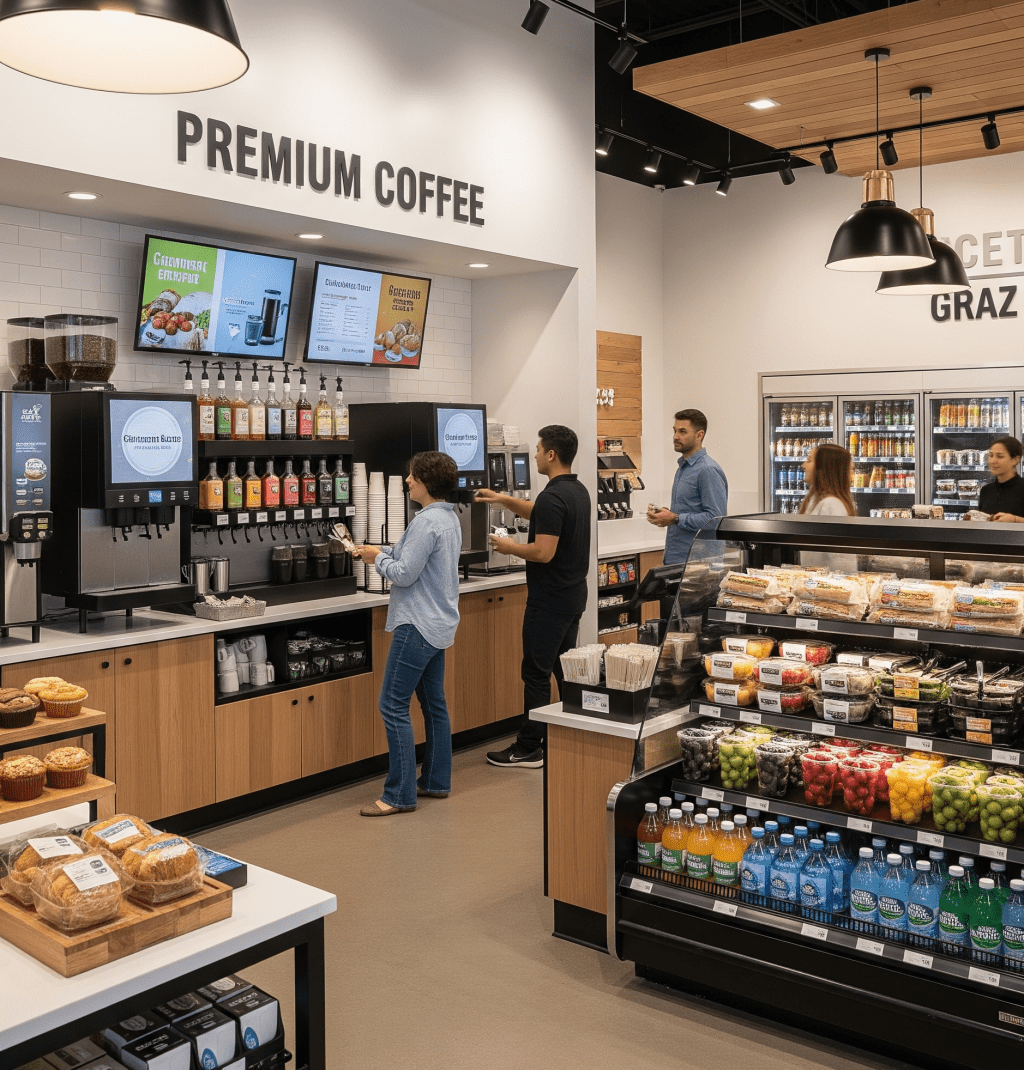
Alright, C-store owners, we’ve journeyed through a lot of Starbucks’ secrets so far, from their strategic foundations and product magic to their digital prowess. You might be feeling inspired, but also a little overwhelmed. “This all sounds great,” you might be thinking, “but how do I actually do it in my store?” That’s exactly what we’re tackling today: practical implementation. Because “stealing” from Starbucks isn’t about a massive overhaul; it’s about smart, actionable steps that fit your business.
1. Start Small, Scale Smart: You Don’t Need a Starbucks Budget
One of the biggest misconceptions is that you need deep pockets to implement these kinds of strategies. Not true! Starbucks itself started small, and many of their principles can be applied incrementally. You don’t need to build a lavish lounge; a clean, well-lit seating area with a few comfortable chairs can be your “third place” start.
Why this matters to your C-store: Starting small reduces risk, allows you to test what works (and what doesn’t) with your specific customer base, and builds momentum. You can learn and adapt without breaking the bank.
What You Should Be Doing:
- Prioritize 1-2 Key Areas: Don’t try to do everything at once. Based on our previous discussions, what’s the single biggest impact you could make? Is it improving your coffee program, enhancing cleanliness, or launching a simple digital loyalty program?
- Pilot Changes in One Location (If You Have Multiple): If you operate more than one store, pick one to be your “test lab.” Learn from that experience before rolling out changes across the board.
- Gather Feedback Constantly: After implementing a small change, actively ask customers and staff what they think. Use surveys, comment cards, or just casual conversations. Their insights are gold.

2. Leverage Your Existing Strengths: Convenience is Your Superpower!
Your C-store already has inherent advantages that Starbucks often strives for: convenience and accessibility. Starbucks targets busy individuals who need a quick, premium experience, and they’ve invested heavily in drive-thrus and mobile ordering to achieve this. You already have that built-in! The goal isn’t to become a coffee shop; it’s to integrate Starbucks’ “experience” elements into your existing convenience model.
Why this matters to your C-store: You’re not starting from scratch. By building on what you already do well, you create a differentiated offering that combines speed and ease with an elevated experience.
What You Should Be Doing:
- Enhance Your Existing Coffee Program: If you already sell coffee, focus on making it the best it can be. Offer fresh beans, clean equipment, and a few premium add-ins.
- Improve Grab-and-Go Freshness and Variety: Convenience store food has a reputation. Elevate yours with fresh ingredients, healthier options, and appealing displays.
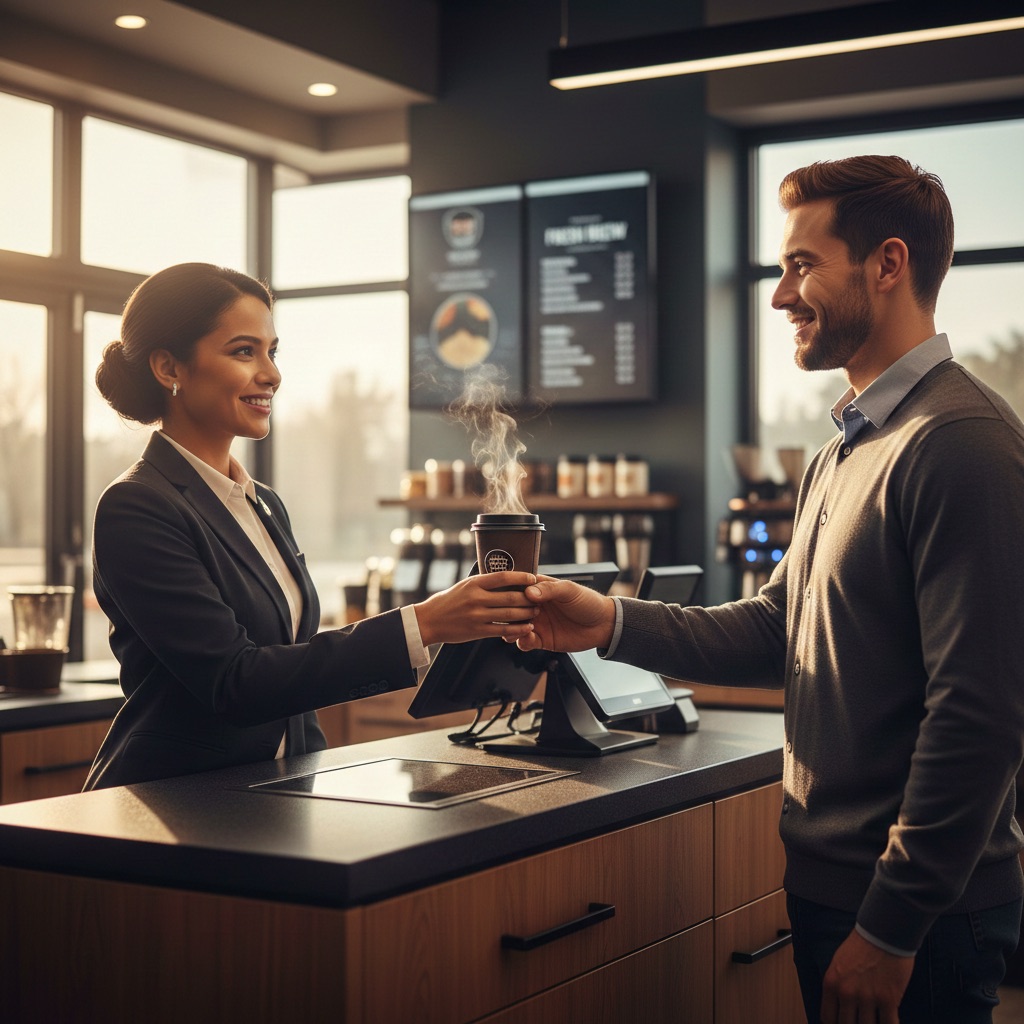
- Optimize Checkout Speed and Friendliness: Your core offering is convenience. Ensure your checkout process is as fast and friendly as possible. A quick, pleasant interaction leaves a lasting positive impression.

3. Train Your Team (The “Partners” Mindset): They Are Your Front Line
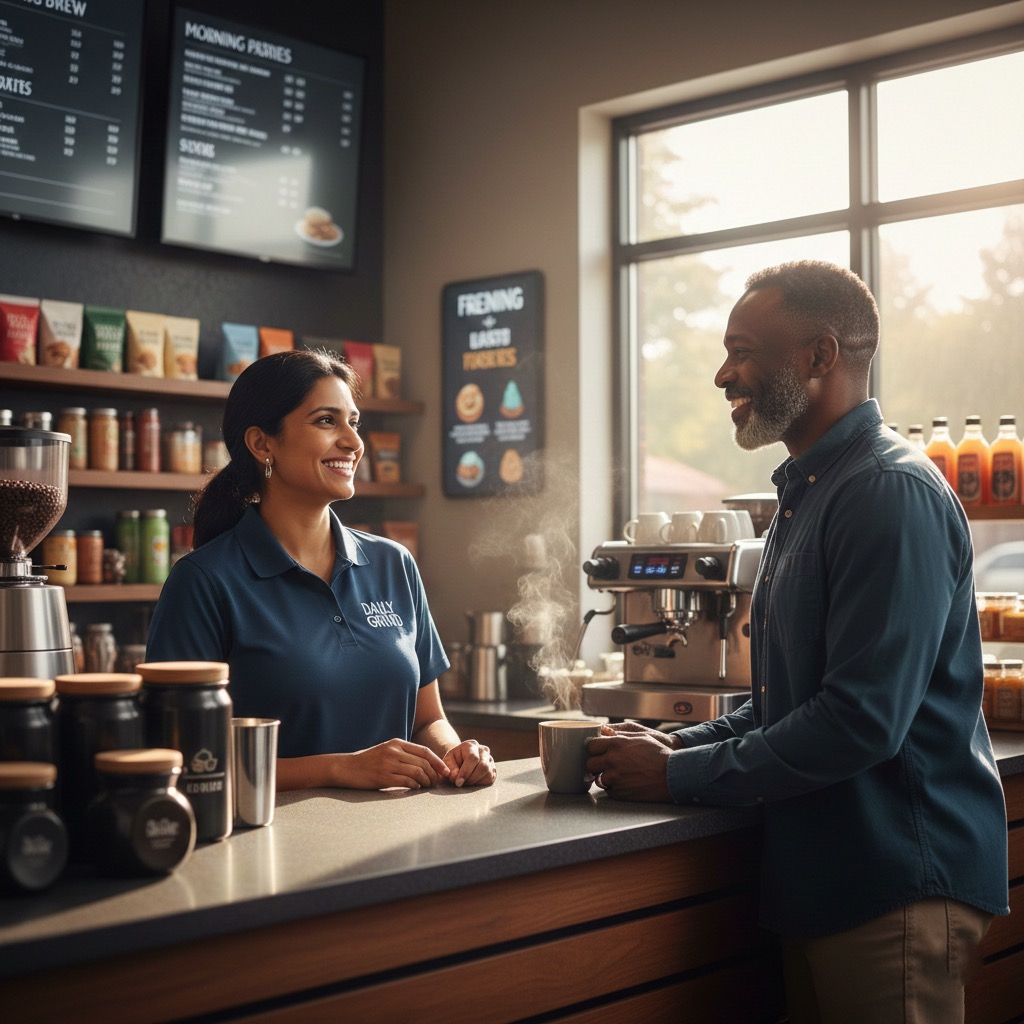
We’ve talked about how Starbucks calls its employees “partners” and invests heavily in them. This isn’t just a feel-good philosophy; it’s a strategic move. Your employees are the direct interface with your customers, and their attitude and efficiency directly impact the customer experience.
Why this matters to your C-store: Happy, well-trained, and empowered employees provide superior service. They create positive experiences and are more likely to go the extra mile for your customers. They are your most valuable asset in building loyalty.
What You Should Be Doing:
- Regular Customer Service Training: Beyond just ringing up sales, train your staff on how to greet customers, handle complaints (remember the “Latte method”? 5) and make personal connections.
- Empower Staff to Resolve Issues: Give your team the authority to fix small problems on the spot (e.g., replace a spilled drink, offer a discount for a minor inconvenience). This shows customers you value them and trust your employees.
- Recognize and Reward Good Performance: Acknowledge employees who go above and beyond. Public praise, small bonuses, or even just a thank-you note can boost morale and encourage continued excellent service.
4. Measure What Matters (Beyond Just Sales): Look at the Bigger Picture
Starbucks understands that success isn’t just about the bottom line. They measure emotional key performance indicators (KPIs) like brand trust, customer sentiment, and cultural relevance. These intangible metrics are crucial for long-term brand equity and loyalty.
Why this matters to your C-store: Focusing solely on sales can lead to short-sighted decisions. By tracking customer satisfaction and loyalty, you gain a more holistic view of your business’s health and can make strategic decisions that build lasting value.
What You Should Be Doing:
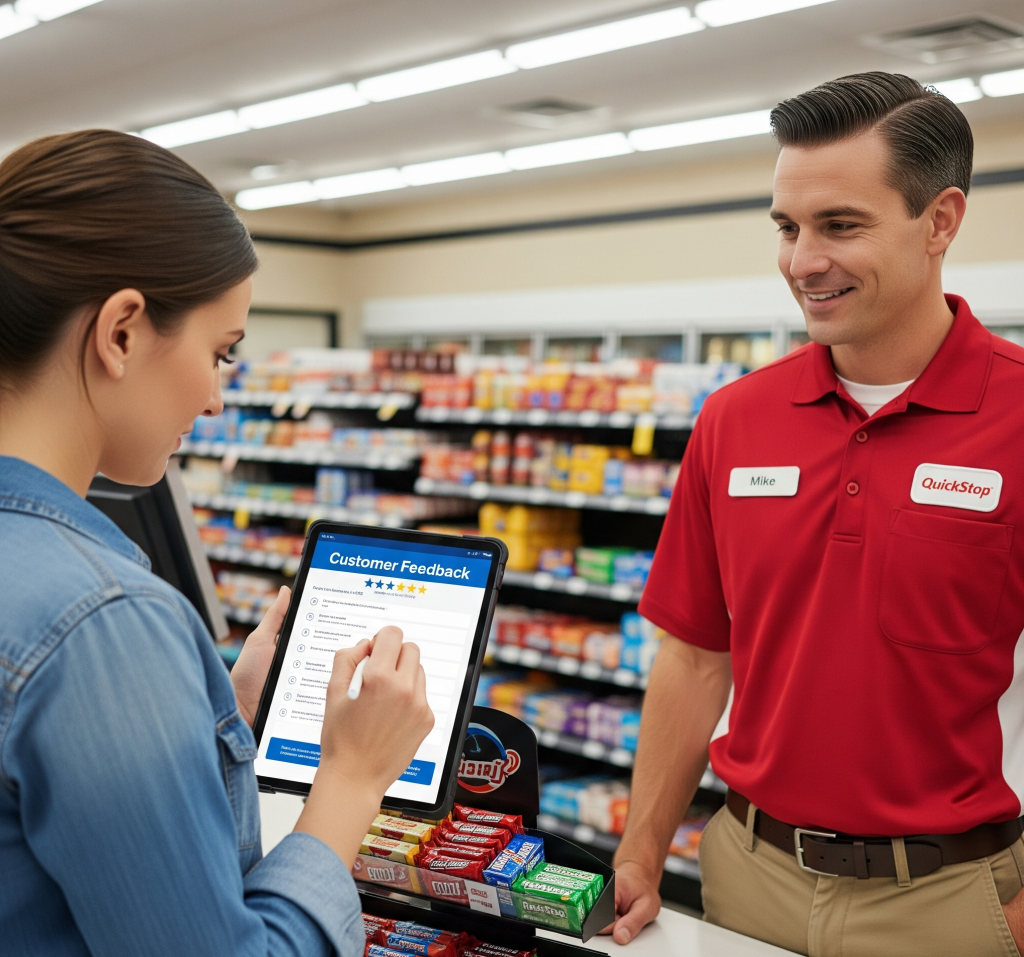
- Implement Simple Customer Feedback Surveys: Provide options like a QR code at the register. Share a short online survey link on receipts. Offer a physical comment box as well. Ask about cleanliness, friendliness, and product satisfaction.
- Monitor Online Reviews and Social Media Mentions: Pay attention to what customers are saying about your store on Google, Yelp, Facebook, and other platforms. Respond to both positive and negative feedback.
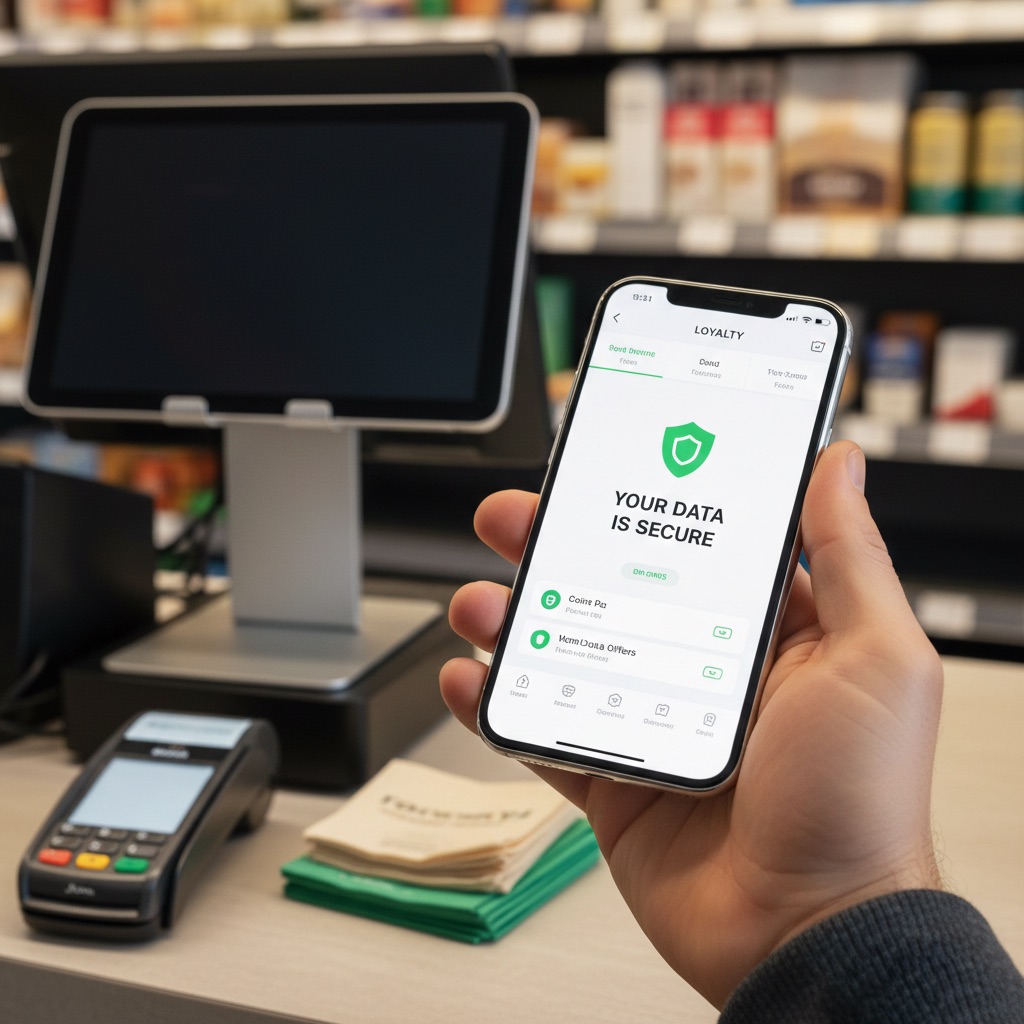
- Track Repeat Visits and Loyalty Program Engagement: If you have a loyalty program, track customer return frequency. Also, observe their engagement with your offers. This is a direct measure of loyalty.
5. Adapt, Don’t Copy: Tailor to Your Unique Community
Starbucks is a global brand, but they’re smart enough to adapt their strategy to local contexts. In Japan, they offer matcha-infused desserts; in Europe, they’ve even tested “Starbucks Evenings” with wine and beer. They understand that what works in Seattle might not work in Tokyo. Your C-store needs to do the same.
Why this matters to your C-store: Your store is part of a unique community. To truly resonate with your customers, you need to understand their specific needs, preferences, and local culture. A one-size-fits-all approach rarely works.
What You Should Be Doing:
- Understand Your Local Community’s Needs: What are the demographics of your neighborhood? What are their daily routines? What local events are important to them?
- Tailor Offerings to Local Tastes: If your community loves a specific local snack, carry it. If there’s a popular local sports team, feature their merchandise.
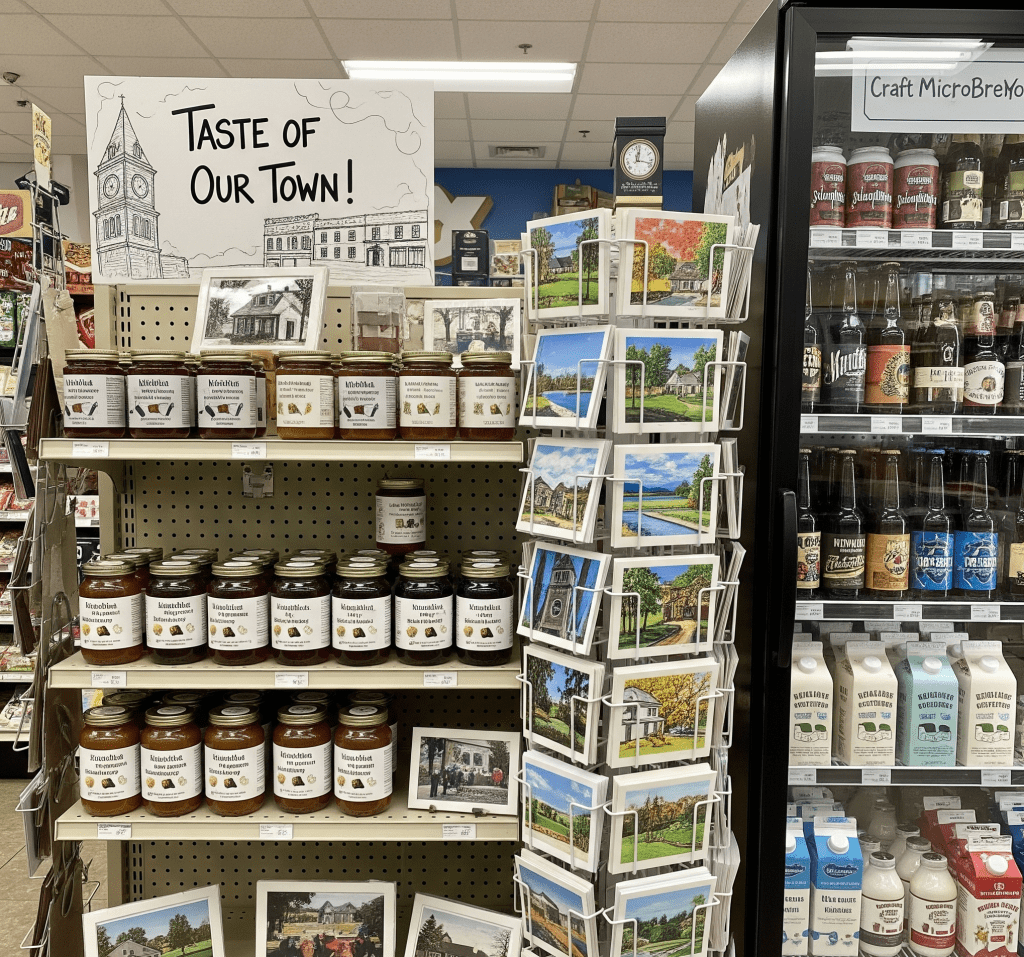
- Incorporate Local Elements into Design or Promotions: Could you feature local artists’ work, run promotions tied to local schools, or partner with nearby businesses for cross-promotions?
The Bottom Line
Making these “Starbucks-inspired” changes in your C-store is entirely achievable. It’s about being strategic. Start small. Leverage your existing strengths. Empower your team. Measure what truly matters. Always, always adapt to your unique community. By focusing on these practical implementation considerations, you’re not just dreaming big; you’re building a concrete path to a more successful, customer-centric convenience store.
And that brings us to the grand finale! In our final post, we’ll bring all these threads together, offering a powerful conclusion to our series and outlining the clear path to enhanced foot traffic, sales, and customer loyalty for your C-store. Don’t miss it!



 The5For
Leave a comment