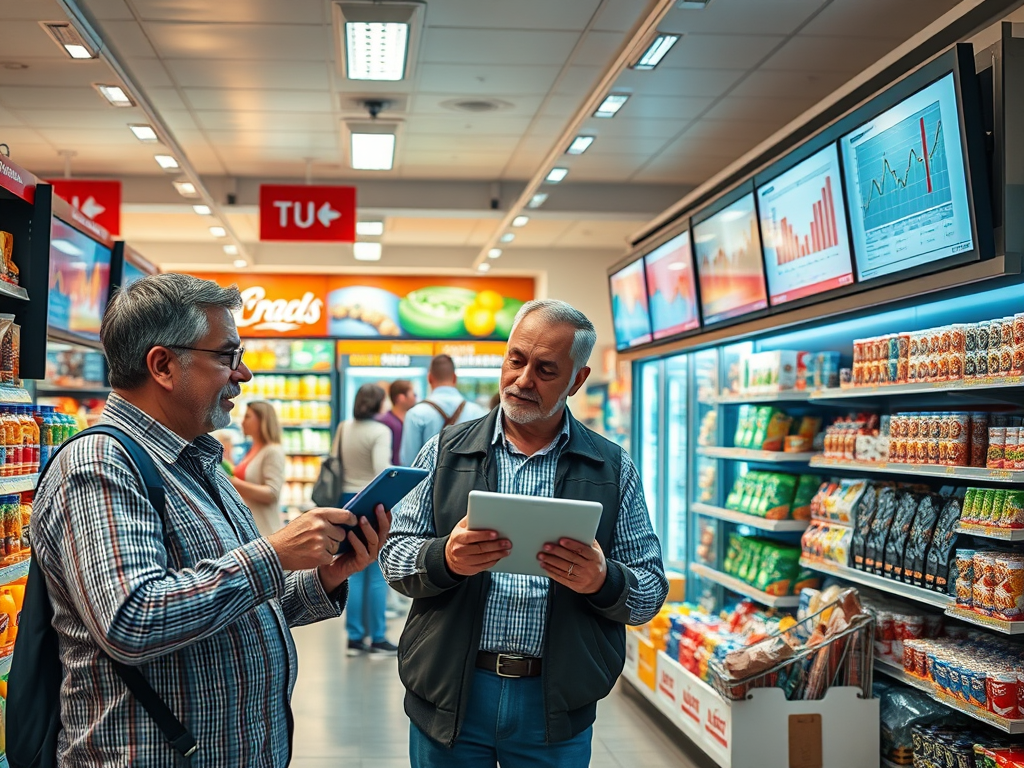
The convenience retail landscape is a dynamic, ever-shifting environment, demanding constant vigilance and strategic adaptation from owner/operators like you. Every day brings new challenges and opportunities, and staying ahead means being informed and proactive. As your dedicated convenience store expert, I am here to distill the most critical developments into actionable intelligence. This post unpacks 5 crucial news items that caught my eye on August 11th, 2025, and provides you with the insights needed to navigate challenges, optimize operations, and seize opportunities for growth. My goal is to empower you with expert knowledge, helping you not just react to change but proactively shape your store’s future for sustained profitability and success. Let us dive into what matters most for your bottom line and long-term strategy.
1. Navigating the Shifting Sands of C-Store Growth: Beyond the Fuel Pump
The convenience store industry’s performance in 2024, as detailed in a recent NACS report, presents a nuanced picture of resilience amidst significant operational shifts. The report highlights a crucial divergence: while total inside sales grew by a solid 2.4%, extending an impressive streak of 22 consecutive years of growth, overall industry sales for 2024 were down 2.3%. This marks the second consecutive year of overall revenue contraction, primarily driven by a substantial 5.7% decrease in fuel sales. This drop was a direct consequence of a 6.5% decrease in the average fuel price, which fell from $3.55 per gallon in 2023 to $3.32 in 2024. Despite a staggering $70 billion decline in revenue from fuel sales, which plummeted from $859.8 billion in 2023 to $837.4 billion in 2024, the industry managed to maintain profitability, a testament to its adaptability.
However, this profitability is increasingly challenged by rising direct store operating expenses (DSOE). While the growth rate of DSOE slowed in 2024, it still increased by $9.8 billion, reaching a total of $159.9 billion. Within DSOE, repairs and maintenance costs surged by 10.2% in 2024. Varish Goyal, CEO of Loop Neighborhood Markets and a NACS executive committee member, attributed this increase to the difficulty of finding skilled contractors and affordable materials. Facility expenses, including depreciation and amortization, grew at more than double the rate of the entire DSOE category, with depreciation and amortization specifically increasing by a significant 13%, or $13,661 per store per month in 2024.
On a more positive note, the rate of wage and benefit growth slowed to a single-digit rate, suggesting an improving labor market. Nevertheless, a 3.4% increase in wages still translated to an additional $1,331 per store, per month in this expense category. The broader economic context for 2025, as highlighted by the National Retail Federation (NRF), indicates a robust U.S. economy marked by steady GDP growth (2.7% in 2024), low unemployment, and moderated inflation. This positive trajectory is primarily attributed to resilient consumer spending, supported by wage increases outpacing inflation. Consumer spending on goods and services increased by 5.5% year-over-year in late 2024, supported by a 5.2% rise in disposable personal income.
Despite this generally positive economic outlook, labor remains a top concern for convenience store operators. A CSP Daily News survey found that approximately 56.4% of respondents believe the ability to hire and retain a necessary workforce would most affect their business in 2025. This concern has consistently topped surveys, followed by employee turnover/labor and economic conditions/inflation. Finding qualified personnel, retaining employees, and attracting enough applicants are identified as key barriers in the labor market.
Why You Should Care
Understanding these macro-economic and operational trends is not just about knowing the numbers; it is about strategically positioning your business for long-term success. The shifting revenue mix underscores that the future of convenience retail is increasingly inside the store, demanding a pivot in focus and investment. Persistent cost pressures, particularly in facility upkeep and labor, necessitate proactive management and innovative solutions to safeguard your margins and ensure your business remains competitive and profitable.
The “Inside-Out” Transformation of C-Stores
The NACS data explicitly highlights 22 consecutive years of inside sales growth, with a 2.4% increase in 2024, contrasting sharply with an overall sales decline primarily due to fuel. This trend is not a temporary fluctuation; it signals a long-term reorientation of the convenience store business model. The traditional reliance on fuel as the primary revenue driver, with in-store sales as an ancillary component, is diminishing. Instead, convenience stores are evolving into “inside-out” operations where the in-store experience and product offerings are becoming the central profit generators, with fuel serving more as a traffic driver. This fundamental shift means that capital allocation and strategic focus must heavily favor enhancing the in-store environment, diversifying product lines, and elevating the customer experience. This transformation is further supported by the NRF’s 2025 outlook, which emphasizes the importance of expanding product lines to include healthier snack options, premium beverages, and ready-to-eat meals to capture a broader customer base. This strategic pivot is essential for sustained growth and profitability in a changing market.
The Hidden Cost of Aging Infrastructure and Inflationary Pressures
The significant 10.2% rise in repairs and maintenance costs and the 13% increase in depreciation and amortization for 2024 are notable. While the immediate impact is higher operating expenses, this also points to a broader systemic challenge within the industry: an aging asset base that requires more frequent and costly upkeep. These expenses are compounded by persistent inflationary pressures on materials and the ongoing scarcity of skilled contractors, as noted by Varish Goyal. Convenience store owners therefore face a critical decision regarding capital expenditure. Continuing to patch up older assets at escalating costs may offer short-term relief but could prove more expensive in the long run. Strategic investments in modernizing facilities could reduce long-term maintenance burdens, improve energy efficiency, and align with a growing consumer preference for sustainable businesses. This cost pressure also underlines the importance of robust inventory management and establishing strong relationships with suppliers to mitigate potential supply chain fluctuations.
Labor Market Tightness: Beyond Just Wages
While the rate of wage growth slowed to a single-digit increase of 3.4% in 2024, this still represents a notable increase in costs per store. More critically, the CSP survey identifies the “ability to hire and retain” a necessary workforce as the top business challenge for 2025, with finding qualified individuals and retaining employees being primary barriers. This indicates that the labor market challenge extends beyond mere wage costs; it encompasses the availability and quality of the workforce, alongside high turnover rates. Consequently, convenience stores must invest in comprehensive labor strategies that go beyond simply offering competitive wages. This includes prioritizing employee development and training, particularly in customer service, which can significantly enhance the shopping experience and encourage repeat business. Offering flexible scheduling options, identified as a top factor for hourly employees seeking new jobs, can also foster a more positive work environment and improve retention. Furthermore, creating clear career opportunities within the organization can combat employee burnout and disengagement. The use of AI-driven scheduling tools is specifically mentioned as a method to optimize staffing levels and provide the desired flexibility, leading to more efficient and satisfied workforces. The generally lower average wages in the retail sector compared to other industries further exacerbates the challenge of attracting and retaining skilled labor, making these non-wage benefits even more crucial for competitive advantage.
Key C-Store Industry Performance Indicators (2024 vs. 2023)
- Total Inside Sales Growth: 2.4% (22 consecutive years of growth)
- Total Sales Growth: -2.3% (Second consecutive year of decline)
- Fuel Sales Change: -5.7% (Primary driver of overall sales decline)
- Average Fuel Price (2023): $3.55/gallon
- Average Fuel Price (2024): $3.32/gallon (6.5% decrease from 2023)
- Direct Store Operating Expense (DSOE) Growth: $9.8 Billion (Total DSOE reached $159.9 Billion)
- Repairs & Maintenance Cost Growth: 10.2% (Attributed to difficulty finding skilled contractors/materials)
- Depreciation & Amortization Growth: 13% (Equivalent to $13,661 per store per month)
- Wage & Benefit Growth: 3.4% (Equivalent to $1,331 per store per month)
What You Should Be Doing:
- Diversify Revenue Streams: Intensify your focus on high-margin inside sales categories such as foodservice, prepared foods, premium beverages, and packaged goods. This is crucial to offset the volatility and declining revenue from fuel sales and capitalize on the 22-year streak of inside sales growth.
- Proactive Cost Management: Implement rigorous expense tracking for all Direct Store Operating Expenses (DSOE), paying particular attention to repairs, maintenance, and facility costs. Explore long-term contracts with skilled service providers or bulk purchasing for materials to mitigate the 10.2% increase in repairs and maintenance and the 13% rise in depreciation.
- Strategic Labor Optimization: Address the top concern of hiring and retention by leveraging technology like AI-driven scheduling to optimize staffing levels, reduce employee burnout, and offer the flexible work arrangements that employees prioritize. Invest in training and development programs to improve job satisfaction and retention, turning a cost center into a competitive advantage.
- Smart Capital Investment: Evaluate capital expenditures with a keen eye on long-term return on investment, especially considering the significant impact of depreciation. Prioritize investments that enhance in-store experience, improve operational efficiency, or reduce future maintenance burdens, aligning with the industry’s shift towards inside sales.
- Supply Chain Resilience: Given potential supply chain fluctuations, establish strong, diversified relationships with suppliers. Maintain a strategic buffer inventory of high-demand, high-margin items to prevent stockouts and ensure consistent availability for your customers.
2. The Battle for Your Bottom Line: Debit Swipe Fees Under Fire
Monday, August 11th, brought significant news from the legal front that could directly impact your store’s profitability: a U.S. District Court judge has overturned the Federal Reserve’s 2011 regulated rate for debit card swipe fees. This ruling stems from a 2021 lawsuit filed by Corner Post, a NACS member and a truck stop/convenience store located in Watford City, North Dakota. The judge asserted that the Fed’s rate was set higher than Congress intended.
Specifically, Judge Daniel Traynor ruled that the Federal Reserve’s three-part formula for recouping expenses was an unlawful interpretation of the Durbin Amendment. The Durbin Amendment mandates that any interchange fee must be “reasonable and proportional to the incremental cost” of authorization, clearance, and settlement. However, the judge found that the Federal Reserve unlawfully included fixed and fraud-prevention expenses in its formula, effectively shifting billions of dollars from retailers to card issuers.
While the judge vacated the regulations that set the rate, he wisely placed a hold on the action to prevent debit card transactions from becoming a completely unregulated market during the pending appeal. It is crucial to note that this ruling does not prevent the Fed from moving forward with a separate 2023 proposal to potentially lower the rate even further. According to NACS General Counsel Doug Kantor, this ruling validates the long-held retail industry view that banks have been charging “a windfall of billions of dollars per year in debit fees from Main Street that go far beyond normal, competitive profit margins”. Before the regulated rate was established, debit card swipe fees averaged around 45 cents per transaction. While the regulated rate has saved merchants an estimated $9 billion annually, these fees still cost merchants and their customers a staggering $38.7 billion in 2024.
Why You Should Care
Debit swipe fees represent one of the most significant and often overlooked operational costs for convenience stores, directly eroding your hard-earned profits. This judge’s ruling, if ultimately upheld, could lead to substantial savings for your business, freeing up capital for investment, competitive pricing, or improved employee compensation. Staying informed and prepared for potential changes in this regulatory landscape is paramount for protecting your bottom line.
The Power of Persistent Advocacy and Legal Precedent
The explicit overturning of the 2011 regulated rate by a U.S. District Court judge, specifically citing an “unlawful interpretation” of the Durbin Amendment, represents a significant legal victory for retailers. This decision is not an isolated event but the culmination of years of persistent advocacy by retail associations like NACS and individual businesses such as Corner Post. A critical procedural win occurred in July 2024, just over a year prior to this news, when the Supreme Court ruled in Corner Post, Inc. v. Board of Governors of the Federal Reserve System. This Supreme Court decision specifically addressed the statute of limitations, allowing the case to proceed on its merits after lower courts had previously dismissed it. This trajectory demonstrates that sustained legal and lobbying efforts can indeed challenge established regulations and potentially reshape industry economics, offering a powerful illustration of the impact of collective action for retailers.
Dual Pathways to Fee Reduction: Legal and Regulatory Momentum
The news highlights that the judge’s ruling “does not prevent the Fed from moving forward with a separate 2023 proposal to lower the rate”. This indicates that there are two distinct, yet potentially converging, efforts aimed at reducing debit fees. This suggests a broader, systemic momentum towards reducing these fees, driven both by judicial intervention and proactive regulatory adjustments by the Federal Reserve. The Fed’s 2023 proposal, published in November 2023 with comments closing in February 2024, aims to update all three components of Regulation II’s interchange fee cap based on the latest data and to update it every other year going forward. This suggests that the Federal Reserve itself recognizes the need for adjustment, potentially in response to market changes or to pre-empt further legal challenges. The implication is that even if the current ruling faces a lengthy appeal process, the industry is likely to see some form of debit fee reduction in the near future, creating a positive outlook for retailer profitability.
The Untapped Potential of Billions in Savings
NACS General Counsel Doug Kantor’s statement regarding a “windfall of billions of dollars per year” and the fact that debit fees still cost merchants $38.7 billion in 2024, even after the regulated rate saved an estimated $9 billion annually, underscores the immense scale of this financial burden on businesses. Any significant reduction in these fees would directly translate into substantial increases in net profit for convenience stores, which typically operate on thin margins. This potential windfall could be strategically reinvested into critical areas of the business, such as improving employee wages and benefits (thereby helping to address the labor challenges discussed in the previous section), modernizing store facilities, or implementing competitive pricing strategies. Such reinvestment could create a significant competitive advantage for businesses that are able to effectively capitalize on these savings.
What You Should Be Doing:
- Stay Vigilant and Informed: Closely monitor the appeal process of this ruling and any subsequent actions by the Federal Reserve regarding debit interchange fees. Subscribe to industry updates from NACS and other relevant associations to be among the first to know about changes.
- Support Industry Advocacy: Your voice, amplified through industry associations like NACS, is critical. Support their ongoing efforts to reduce swipe fees, as collective action has demonstrably driven progress on this issue.
- Evaluate Payment Processing Costs: Conduct a thorough review of your current payment processing agreements. Understand the fees associated with different card types and explore opportunities to negotiate better rates or switch processors if significant savings become available.
- Explore and Promote Payment Alternatives: Investigate and, where feasible and beneficial, promote payment methods that incur lower transaction costs. This could include offering small cash discounts, encouraging the use of direct debit options, or exploring emerging alternative digital payment solutions to shift transaction volume away from high-fee cards.
See the article here.
3. Unlocking Gen Z Loyalty: Beyond Transactions to Community
In the competitive landscape of convenience retail, customer loyalty is a valuable asset. New research from Gale, a business agency providing insights to brands, reveals a critical shift in how younger consumers perceive loyalty programs: 70% of consumers are more likely to join a loyalty program that features active communities. This trend is particularly pronounced among Gen Z, with a remarkable 75% considering engaging with others in a loyalty program to be “extremely important”.
The study, titled “From Transaction To Connection: The Future of Loyalty Programs,” also highlights a significant pain point: approximately one-third of Gen Z and millennials stopped interacting with a loyalty program because it felt impersonal. This underscores that a simple “earn and burn” points system is no longer sufficient. To foster true engagement, brands must find opportunities to build genuine connections with users, moving beyond purely transactional platforms.
Popular community-building tactics identified in the survey include gamified elements, the ability to vote on perks, and exclusive offers. Successful examples from other industries, such as Adidas’ adiClub, demonstrate this approach, offering not just points for purchases but also access to community events, apps, and exclusive product drops. Sephora’s “Beauty Insider Community” provides a space for beauty enthusiasts to connect and seek advice, complementing its points-based rewards. Starbucks Rewards also heavily leverages gamification, with contests and “Dream Days” games that drive engagement and are credited for a 44% customer retention rate. Chipotle, too, has revamped its program to include gamified elements like “Race to Rewards” and the “Rewards Exchange,” allowing members to donate points to non-profits, appealing to a broader sense of community and shared value.
Why You Should Care
Gen Z represents a rapidly growing and influential consumer segment with significant purchasing power. Their preferences today will shape the market tomorrow. By understanding their desire for community and personalized engagement, you can design loyalty programs that not only attract but deeply connect with this demographic, fostering long-term loyalty, increasing customer lifetime value, and turning customers into brand advocates. Ignoring this shift risks alienating a crucial future customer base.
The Evolution from Transactional to Relational Loyalty
The explicit finding that 70% of consumers prefer loyalty programs with active communities and that 75% of Gen Z consumers find engaging with others in a loyalty program “extremely important” indicates a fundamental shift in consumer expectations. This suggests that basic points-based programs, which focus solely on purchase volume, are losing their efficacy. Loyalty is no longer just about discounts or freebies; it has evolved to encompass a desire for belonging and a meaningful relationship with a brand. This transition moves loyalty from a purely transactional model, where points are earned for purchases, to a relational model, where the brand actively cultivates a community around shared values or interests. For convenience stores, traditionally transactional environments, this implies a need to consider how to foster a “community” around convenience, local connection, or specific product categories, such as coffee enthusiasts or snack lovers. This approach aligns with the broader strategy of strengthening ties with the surrounding community through local involvement and support.
Gamification as a Bridge to Engagement for Digital Natives
The study specifically highlights “gamified elements” as a popular community-building tactic. Examples from other sectors, such as Starbucks’ “Dream Days” game and Chipotle’s “Race to Rewards”, demonstrate the success of this approach. The appeal of gamification resonates deeply with Gen Z because they are digital natives who have grown up with gaming and interactive online experiences. It taps into their inherent desire for challenge, reward, and social interaction, transforming the loyalty program from a mundane task into an engaging form of entertainment. For convenience stores, this means leveraging simple digital gamification elements, such as digital scratch-offs, spin-the-wheel for discounts, or tiered challenges for bonus points. These tactics can significantly boost app usage, encourage repeat visits, and increase average spend, effectively turning routine purchases into interactive and rewarding experiences.
The Power of Voice and Personalization in Preventing Disengagement
The alarming statistic that approximately one-third of Gen Z and millennials stopped interacting with loyalty programs because they felt “impersonal” serves as a critical warning. This indicates that generic, one-size-fits-all programs are increasingly failing to capture and retain the attention of younger demographics. The solution lies in personalization and empowering members by giving them a voice, for example, through the ability to vote on perks. This approach makes customers feel valued and heard, transforming them from passive recipients of offers into active participants in the brand’s evolution. For convenience stores, this translates into implementing robust feedback mechanisms, conducting member-only polls for new product ideas (such as new coffee flavors or snack options), and offering truly personalized promotions based on individual purchase history, rather than broad, untargeted offers. This deeper level of connection is crucial for preventing customer churn and fostering enduring loyalty.
What You Should Be Doing:
- Rethink Your Loyalty Program Structure: Move beyond basic points-based systems to incorporate elements that foster connection and community. Consider tiered programs that unlock exclusive benefits and experiences, similar to Adidas’ adiClub.
- Introduce Gamified Elements: Integrate fun, interactive challenges, digital scratch-offs, or tiered rewards into your loyalty app or program. Draw inspiration from Starbucks’ successful gamification strategies to increase engagement and repeat visits.
- Empower Member Input: Create opportunities for your loyal customers to have a voice. This could involve allowing them to vote on new product offerings (e.g., next limited-time coffee flavor, new snack brands), future perks, or even local community initiatives your store supports.
- Create Exclusive Experiences: Offer members-only access to new product launches, special promotions, or unique in-store events. Consider partnerships with local businesses to provide exclusive discounts or experiences that resonate with your community.
- Enhance Digital Presence for Community Building: Utilize your store’s social media channels and loyalty app to foster a sense of community. Encourage user-generated content, run contests, highlight member achievements, and actively engage in conversations to make members feel like part of something bigger.
See the article here.
4. The Iced Coffee Phenomenon: A Pulse Check on Consumer Stress & Opportunity
DoorDash’s new Iced Coffee Index (ICI) offers a fascinating lens into consumer behavior, directly linking iced coffee consumption to stress levels. With an inaugural score of 85/100, the ICI suggests that iced coffee is being used for “serious emotional labor”. The data reveals a clear pattern: iced coffee orders surged on some of 2025’s most stressful days, including Blue Monday, Tax Day, and the April 2nd tariff announcement. This indicates that when external pressures mount, people instinctively seek out something cold and comforting.
Beyond stress relief, iced coffee is increasingly viewed as a “little treat” rather than just a caffeine source. More than half of all iced coffee orders now include a flavor add-on, showcasing a strong demand for customization. Notably, there was a remarkable 170% increase in orders with lavender flavoring, pointing to a consumer desire for calming flavors and emotional self-regulation.
The afternoon slump is also becoming a prime opportunity: orders placed between 2 and 5 p.m. rose by 7%, suggesting this period is the emotional peak hour for iced coffee consumption. Survey data further reinforces this emotional connection: 87% of iced coffee drinkers consume it even when they do not require caffeine, and 86% report it boosts their mood. A significant 79% see it as a treat for when life is overwhelming, and 77% say it helps them feel grounded and more like themselves.
Popular iced coffee recipes and flavor trends align with this, with classics like vanilla, caramel, hazelnut, and chocolate leading the charge. Regional twists like French vanilla and crème brûlée are gaining traction, along with spice-forward profiles like cinnamon and nutmeg. Plant-based milks made from oats, almonds, cashews, and walnuts are increasingly replacing traditional dairy, delivering creamy textures and familiar flavors. Consumers prioritize taste and flavor, favoring familiar options, but also show interest in indulgent, premium, and energy-boosting varieties.
Why You Should Care
Iced coffee is a high-margin category with significant growth potential, driven by evolving consumer needs for comfort, customization, and an affordable “treat” experience. Understanding these emotional and behavioral drivers allows you to move beyond simply offering coffee to strategically marketing it as a solution for daily stresses and a moment of self-care. This can significantly boost sales, increase average transaction value, and position your store as a go-to destination for quick, mood-boosting indulgences.
Iced Coffee as an “Emotional Commodity”
The DoorDash Iced Coffee Index’s finding that iced coffee orders increase on stressful days and that consumers use it for “serious emotional labor” extends beyond simple beverage consumption. This indicates that demand for iced coffee is closely linked to stress levels. The product has evolved into an “emotional commodity”—a purchase made not just for its functional benefit of caffeine but for its psychological utility, offering comfort, a mood boost, or a sense of grounding. This elevates its value proposition beyond that of a typical beverage. Consequently, convenience stores should consider marketing iced coffee not merely as a drink, but as an affordable, accessible form of self-care, perhaps a “mini-vacation” or a “stress-buster.” This reframes the category from a simple transaction to an emotional connection, potentially driving higher frequency of purchase and a greater willingness to pay for premium add-ons.
The Customization Imperative and the Rise of “Functional Flavors”
More than half of all iced coffee orders now include flavor add-ons, and lavender flavoring saw a remarkable 170% increase. This clearly indicates that customization is a key driver of consumer choice in this category. Furthermore, consumers are seeking more than just sweetness; they are looking for “functional flavors” that align with specific emotional or wellness goals, such as lavender for calming effects or energy-boosting ingredients like guarana and ginseng. This reflects a broader trend of consumers seeking personalized experiences and products that cater to their holistic well-being. For convenience stores, this means it is essential to offer a wide array of high-quality syrups, flavor shots, and diverse milk alternatives, particularly popular plant-based options like oat, almond, and coconut milk, to meet this demand. This approach also creates significant opportunities for higher-margin upsells.
Capitalizing on the “Afternoon Slump” as a Prime Sales Window
Orders placed between 2 and 5 p.m. rose by 7%, suggesting that the afternoon slump has become an “emotional peak hour” for iced coffee consumption. This identifies a specific, high-potential sales window that many convenience stores may not be fully optimizing. Consumers are actively seeking a pick-me-up or a treat to combat mid-afternoon fatigue or stress. This presents an opportunity to implement targeted promotions, digital marketing campaigns, and strategic merchandising specifically during these hours. For example, offering a “2-for-1 afternoon treat” or a “stress-buster special” could significantly increase traffic and sales during what might otherwise be a slower period. This strategy also aligns with the broader industry trend of convenience stores focusing on growing traffic and store visits.
Iced Coffee Consumer Behavior & Preferences
- Orders with flavor add-ons: More than 50% (High demand for customization)
- Increase in lavender flavoring: 170% (Demand for calming, emotional self-regulation flavors)
- Afternoon (2-5 p.m.) order increase: 7% (Peak emotional hour for consumption; prime sales window)
- Consumers drinking without needing caffeine: 87% (Indicates emotional/treat-based consumption)
- Consumers saying it boosts mood: 86% (Strong psychological benefit)
- Consumers seeing it as a treat when overwhelmed: 79% (Position as an affordable indulgence)
- Consumers saying it helps them feel grounded: 77% (Reinforces self-care aspect)
What You Should Be Doing:
- Expand Your Iced Coffee Menu: Diversify your iced coffee offerings beyond basic options. Introduce a wide array of popular flavors (caramel, vanilla, hazelnut, chocolate) and explore trending, “functional” additions like lavender syrup or seasonal spice blends to cater to evolving tastes and emotional needs.
- Promote Customization Heavily: Make it easy and appealing for customers to customize their iced coffee. Offer a wide selection of syrups, flavor shots, and diverse milk alternatives (including popular plant-based options like oat, almond, and coconut milk) to encourage higher-value, personalized purchases.
- Target the Afternoon Slump: Implement strategic promotions and marketing efforts specifically for the 2-5 p.m. window. Position iced coffee as the perfect “mood booster,” “afternoon treat,” or “stress-buster” to capture the emotional peak hour and drive additional traffic.
- Emphasize the “Treat” Aspect in Marketing: Shift your marketing message beyond just caffeine. Highlight iced coffee as an affordable indulgence, a moment of self-care, or a way to feel grounded amidst daily stress, leveraging the strong emotional connection consumers have with the product.
- Consider Health & Wellness Claims: Explore options for adding energy-boosting ingredients (like guarana or ginseng) or promoting “better-for-you” variants (e.g., sugar-free syrups, low-calorie options) to appeal to the growing segment of health-conscious consumers.
See the article here.
5. Creamer Craze: Capitalizing on the Evolving Coffee Additives Market
The U.S. coffee creamer market is experiencing robust growth, estimated at $1.02 billion in 2024 and projected to grow at a Compound Annual Growth Rate (CAGR) of 5.5% from 2025 to 2030, with the global market expected to reach $9.9 billion by 2033. This impressive expansion is primarily driven by several key factors: a rising preference for at-home coffee preparation, shifting consumer taste profiles, and increasing demand for healthier and plant-based alternatives.
Innovation and premiumization are at the heart of this growth. Health-conscious consumers are actively seeking products aligning with their dietary needs, leading to double-digit growth for plant-based varieties like almond milk, coconut milk, and oat milk creamers. The rise of fitness culture, often amplified by social media influencers, further fuels demand for low-calorie and sugar-free options. Even within the dairy-based segment, innovations in new flavors and premium ingredients are attracting consumers, projecting a CAGR of 3.8%. The fat-free segment alone is projected to grow at a CAGR of 6.3%, and the organic segment at 6.5%, driven by health consciousness, sustainability, and clean label preferences.
The market is also seeing significant innovation in product forms. While liquid creamers remain popular, the powdered segment is projected to grow at a CAGR of 5.9% due to its convenience, affordability, and longer shelf life. A major trend, particularly appealing to Gen Z, is the introduction of sprayable foams, replicating coffee shop experiences at a lower cost. Companies like Nestlé have invested heavily, even airing a Super Bowl ad for their cold foam creamer, recognizing the influence of “crazy coffee creations” inspired by TikTok. Strategic partnerships and digitalization are also reshaping distribution and customer engagement. Recent product launches include Organic Valley’s first organic oat-based creamers nationwide in January 2025, offering four flavors, and Califia Farms’ line of organic almond milk creamers in March 2024, focusing on non-GMO, plant-based options with no added sugars.
Why You Should Care
The coffee creamer market is a multi-billion-dollar category undergoing rapid innovation, offering substantial cross-selling opportunities and catering to diverse dietary preferences. By strategically expanding your creamer selection, you can significantly enhance your coffee program, increase average basket size, and attract a wider customer base, including the influential Gen Z demographic who prioritize “better-for-you” products and at-home coffee experiences.
Creamers as a Gateway to Enhanced Coffee Profitability and Customer Loyalty
The coffee creamer market is projected to reach nearly $10 billion globally by 2033, with significant growth observed in the U.S. market. This indicates that creamers are a high-growth category, evolving beyond mere add-ons to become a “necessary component” in many households and a key element of the overall coffee experience. This means they serve as a powerful lever for increasing not only coffee sales but also the average transaction value and overall customer loyalty. Convenience stores should therefore treat their creamer selection with the same strategic importance as their core coffee offerings. A diverse and innovative creamer selection can differentiate a store’s coffee program and capture a larger share of the “at-home coffee preparation” trend by providing consumers with all the necessary ingredients for customized beverages.
The Plant-Based and Health-Conscious Imperative: Beyond Niche to Mainstream
The double-digit growth of plant-based creamers, including almond, coconut, and oat varieties, alongside the strong Compound Annual Growth Rates (CAGRs) for fat-free (6.3%) and organic (6.5%) segments, is a compelling trend. This shows that “health-conscious” and “plant-based” are no longer niche preferences. They have become mainstream consumer demands, particularly among Gen Z consumers who prioritize “better-for-you” products. This shift is driven by a combination of dietary needs, such as veganism and lactose intolerance, and the pervasive influence of fitness culture. Consequently, convenience stores must prioritize stocking a wide variety of these options. These are not merely alternatives. They are a core component of their product offering. Failing to do so risks missing out on a significant and expanding customer segment and potentially losing sales to competitors who are actively catering to these evolving preferences.
The “Coffee Shop at Home” Trend and the Rise of Experiential Additives
The popularity of sprayable foams, TV-themed flavors, and Nestlé’s substantial investment and Super Bowl advertisement for their cold foam product highlight a crucial consumer desire. This indicates that consumers, particularly Gen Z who are influenced by “crazy coffee creations” showcased on platforms like TikTok, are actively seeking to replicate premium coffee shop experiences at home or on the go, often at a lower cost. Creamers, especially innovative forms like foams, enable this “coffee shop at home” trend. Convenience stores can capitalize on this by offering not just traditional liquid creamers but also ready-to-use cold foams, unique flavor syrups, and a wider array of premium, indulgent, or even limited-edition creamers. This strategy positions the convenience store as a convenient and essential source for all the components needed to create a personalized, high-quality coffee experience, thereby driving both impulse and planned purchases.
US Coffee Creamer Market Growth & Trends (2024-2030 Projections)
- US Market Size (2024): $1.02 Billion (Strong current market value)
- Global Market Size (2023): $4.8 Billion (Indicates global scale of the market)
- Global Projected Market Size (2033): $9.9 Billion (Significant long-term growth potential)
- Overall CAGR (2025-2030): 5.5% (Healthy growth rate for the category)
- Dairy-based Segment CAGR (2025-2030): 3.8% (Continued preference for traditional options)
- Non-dairy Segment Growth: Double-digit growth (Rapid expansion due to dietary shifts)
- Fat-free Segment CAGR (2025-2030): 6.3% (Driven by increasing health consciousness)
- Powder Segment CAGR (2025-2030): 5.9% (Appeal of convenience, affordability, shelf life)
- Organic Segment CAGR (2025-2030): 6.5% (Aligns with health, sustainability, clean labels)
- Regular/Unflavored Segment CAGR (2025-2030): 5.9% (Enduring preference for simplicity and customization)
What You Should Be Doing:
- Diversify Your Creamer Selection: Stock a comprehensive range of both traditional dairy and popular non-dairy creamers, including oat, almond, and coconut milk varieties, to cater to the growing plant-based and lactose-intolerant consumer base.
- Embrace Flavor and Form Innovation: Go beyond basic creamers. Offer a variety of traditional and trending flavors (caramel, vanilla, hazelnut, seasonal options) and consider stocking innovative forms like ready-to-use cold foam creamers, which are particularly popular with Gen Z.
- Highlight Health & Wellness Options: Actively promote low-calorie, sugar-free, fat-free, and organic creamer options. Position these products to appeal to the health-conscious consumer segment and align with broader wellness trends.
- Strategic Merchandising for Cross-Selling: Cross-merchandise creamers with your coffee offerings, cups, sweeteners, and other breakfast items. Place them strategically near coffee stations or in high-traffic areas to encourage impulse purchases and increase overall basket size.
- Monitor Emerging Trends: Stay abreast of new product launches and flavor innovations in the creamer market. Be prepared to quickly adapt your inventory to meet evolving consumer tastes and capitalize on new opportunities.
See the article here.
The Bottom Line: Your Blueprint for Future Success
We have navigated through 5 critical news items from August 11th. We have uncovered understandings that are more than just headlines. They are a blueprint for your store’s future. There is an undeniable shift towards in-store profitability. We are engaged in the ongoing battle for fairer debit swipe fees. There is also the need to build community-driven loyalty with Gen Z. Additionally, there are explosive growth opportunities in iced coffee and innovative creamers. Each area presents both challenges and immense potential.
The convenience retail landscape is demanding, but it is also ripe with opportunity for those willing to adapt. Your ability to embrace these shifts will define your success. This involves strategically diversifying revenue, optimizing costs, fostering genuine customer connections, and innovating your product offerings. This is not about simply reacting; it is about proactive planning, continuous learning, and strategic investment. As your trusted expert, I believe in the resilience and ingenuity of convenience store owner/operators. By using these insights and taking decisive action, you are not just preparing for the future. You are actively shaping it. This ensures your store thrives in the fast lane of retail. Let us continue to build smarter, stronger, and more profitable businesses together.


 The5For
Leave a comment