The scent of coffee isn’t just a pleasant aroma in your store; it’s the unmistakable fragrance of opportunity. For years, the coffee program in most convenience stores has revolved around hot, fresh-brewed options and a standard condiment bar. Those elements remain vital to our business. However, a seismic shift is underway. It demands our attention and strategic action. The ready-to-drink (RTD) coffee market is not just a growing category. It’s the fastest-growing segment within the entire coffee industry. Consumer trends are propelling it. Convenience stores are uniquely positioned to capitalize on these trends.
Ignoring this trend is the equivalent of leaving money on the counter. The global RTD coffee market is a financial powerhouse, with an annual market value valued at over $32.6 billion, and it’s projected to grow at a Compound Annual Growth Rate (CAGR) of 5.7% through 2032. Other reports reinforce this robust growth, estimating the market at $29.44 billion in 2024 with a projected CAGR of 6.2% from 2025 to 2030. For U.S. convenience stores, where hot dispensed beverages already account for over 9% of foodservice sales with margins exceeding 66%, integrating a robust RTD strategy is no longer optional, it’s essential.
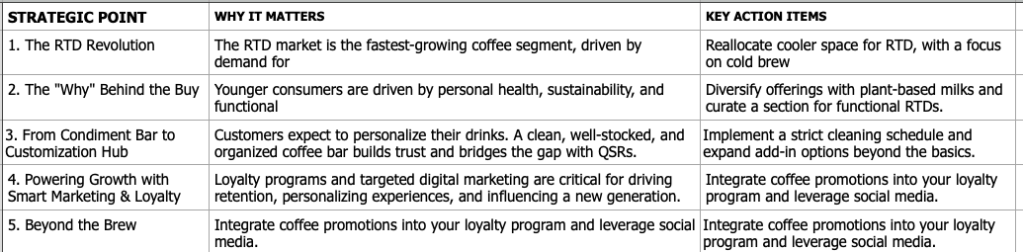
This is more than just about stocking a few new products. It’s about understanding a new generation of consumers. You need to leverage a strategic blueprint. This blueprint will transform your coffee program into a powerful driver of traffic, satisfaction, and sales. I’ve developed a five-point blueprint that can guide you to pouring success.
The C-Store RTD Coffee Blueprint
1. The RTD Revolution: From Niche Trend to Profit Pillar
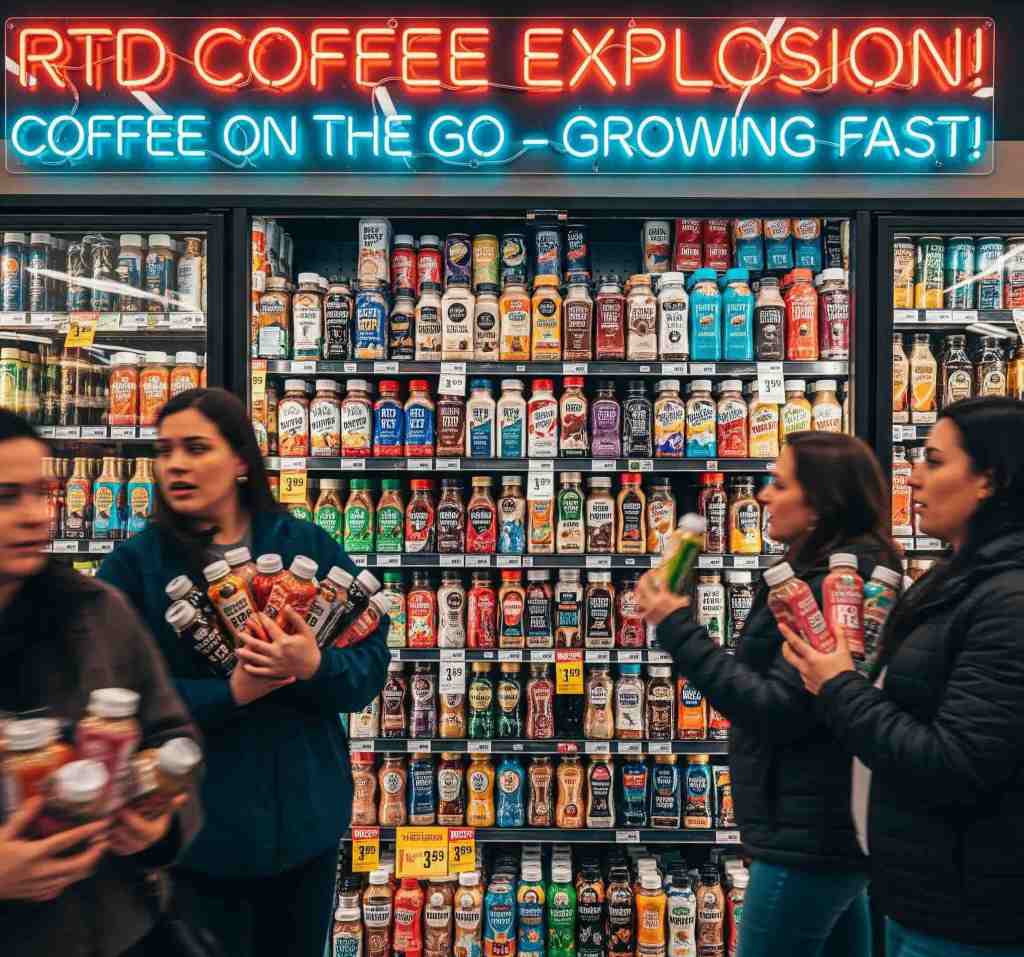
The most significant shift in the coffee landscape is the explosive growth of the RTD segment. This isn’t a temporary fad; it’s a fundamental change in consumer behavior. The modern consumer, perpetually on the move with a fast-paced lifestyle, values convenience above all else. They need a quick, hassle-free solution that bypasses the need for brewing or waiting in a café line, and RTD coffee delivers on that promise. This is a crucial distinction. The purchase is no longer a leisurely ritual. It’s a utility, a means to an end. A convenience store is the ultimate destination for that utility.
Within the RTD market, a specific sub-segment is leading the charge: cold brew. The data is clear. Cold brew coffee is predicted to see double-digit growth for the foreseeable future. It is poised to outperform all other foods, beverages, and ingredients in terms of future growth potential. Its menu penetration is expected to even overtake that of iced coffee by the end of 2024, signaling that this isn’t just a passing trend but a dominant, long-term shift in consumer preference.
For convenience store operators, this presents a clear opportunity to gain market share. Supermarkets and hypermarkets were the largest distribution channels in 2022. However, the nature of a c-store’s “on-the-go” model makes it the ideal environment for this category’s continued success. Consumers already purchase a significant amount of coffee from c-stores. 83% are buying dispensed coffee. Additionally, 69% are purchasing bottled or canned coffee. The opportunity is to capture more of that market. Position your store as the premier destination for high-quality and convenient options. Focus also on cold RTD options.
What you can do:
- Strategic Shelf Space: Re-evaluate your cooler space. Is RTD coffee, and specifically cold brew, given a prominent, eye-level position? Consider reallocating space from slower-moving categories to give RTD the visibility it deserves.
- Deep Dive on Selection: Go beyond stocking one or two popular RTD brands. Diversify your offerings to include different flavors, sizes, and formats like cans, bottles, and tetra packs. Prioritize cold brew products, which are gaining momentum with consumers.
- Highlight the “Convenience”: Promote your RTD options as the ultimate solution for a quick, high-quality coffee fix. Use clear signage and promotions to emphasize the speed and ease of grabbing a delicious RTD coffee on the way out the door.
2. The “Why” Behind the Buy: Winning with Plant-Based & Functional
Today’s consumers, particularly the influential Gen Z and Millennial generations, are driven by more than just taste and price. They are making purchasing decisions that align with their personal values. This shift is profoundly reshaping the food and beverage industry. These generations are more likely to spend money on products that align with their personal beliefs about personal health. They prefer products that support sustainability and social responsibility. This behavioral change is the primary driver behind the surge in plant-based and functional coffee options.
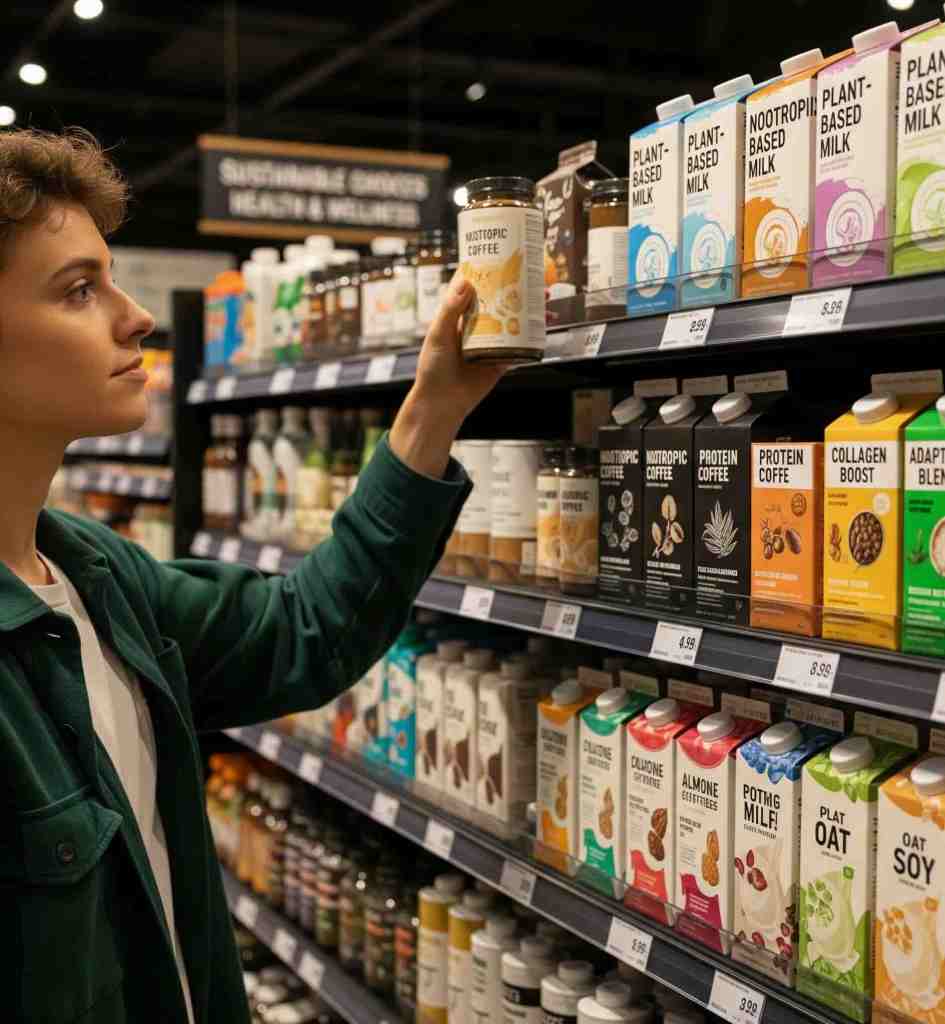
Over a third (36%) of RTD coffee consumers say their ideal drink would contain non-dairy milk. This preference is so powerful that the global plant-based milk market is projected to reach over $43 billion by 2034, growing at a CAGR of 7.62% to 8.9%. The purchase of plant-based milk isn’t just about dietary preference. It is a statement about supporting animal welfare. It also shows a commitment to reducing one’s environmental footprint. By stocking popular plant-based alternatives like oat and almond milk, you are not just offering a product. You are showing alignment with your customers’ values. This can build stronger brand affinity and loyalty.
Beyond sustainability, consumers are seeking functional benefits from their coffee. The trend of adding nootropics, protein, collagen, and adaptogens to coffee is gaining traction. Consumers want products that offer more than a simple caffeine boost. This move toward “smarter caffeine” and “clean caffeine” is a response to rising anxiety levels and a broader cultural shift toward wellness. These products position coffee not just as a source of energy. They serve as a tool for focus, immunity, and overall well-being. For a convenience store, this creates an opportunity to compete not only with other coffee retailers but also with the wellness and supplement industries.
A key point of friction to address here is pricing. While higher production costs for plant milks are a reality for operators, charging extra can alienate a key demographic. Younger, more price-sensitive consumers are vocal in their opposition to upcharges for non-dairy milks. This is particularly true if they have lactose intolerance or allergies. These conditions disproportionately affect people of color. Advocacy groups have even criticized this as “dietary racism.” Research from McKinsey shows that price increases have a greater impact on plant milk sales than on dairy. Customers may choose a different store if they feel the surcharge is too high. A poll found that 53% of consumers find the surcharge fair. However, major players like Starbucks have eliminated these fees in some countries. These fees remain in the US. Re-evaluating your pricing strategy, perhaps by making non-dairy a default option in certain promotions or incorporating the cost into the base price, can remove this barrier and make your store a preferred choice for these consumers.
What you can do:
- Diversify Your Offerings: In your dispensed coffee area, go beyond the basics. Stock high-quality plant-based milks like oat and almond, which are popular for their flavor and ability to mimic dairy.
- Curate a Wellness Section: Create a designated, clearly labeled space in your cooler for RTD coffees with functional benefits. Highlight products with ingredients like nootropics or protein to attract the health-conscious consumer.
- Review Your Pricing: Carefully consider the perception of non-dairy upcharges. Explore pricing strategies that make these options more accessible to your customers, as a high surcharge could drive them to a competitor.
3. From Condiment Bar to Customization Hub: The Core Experience
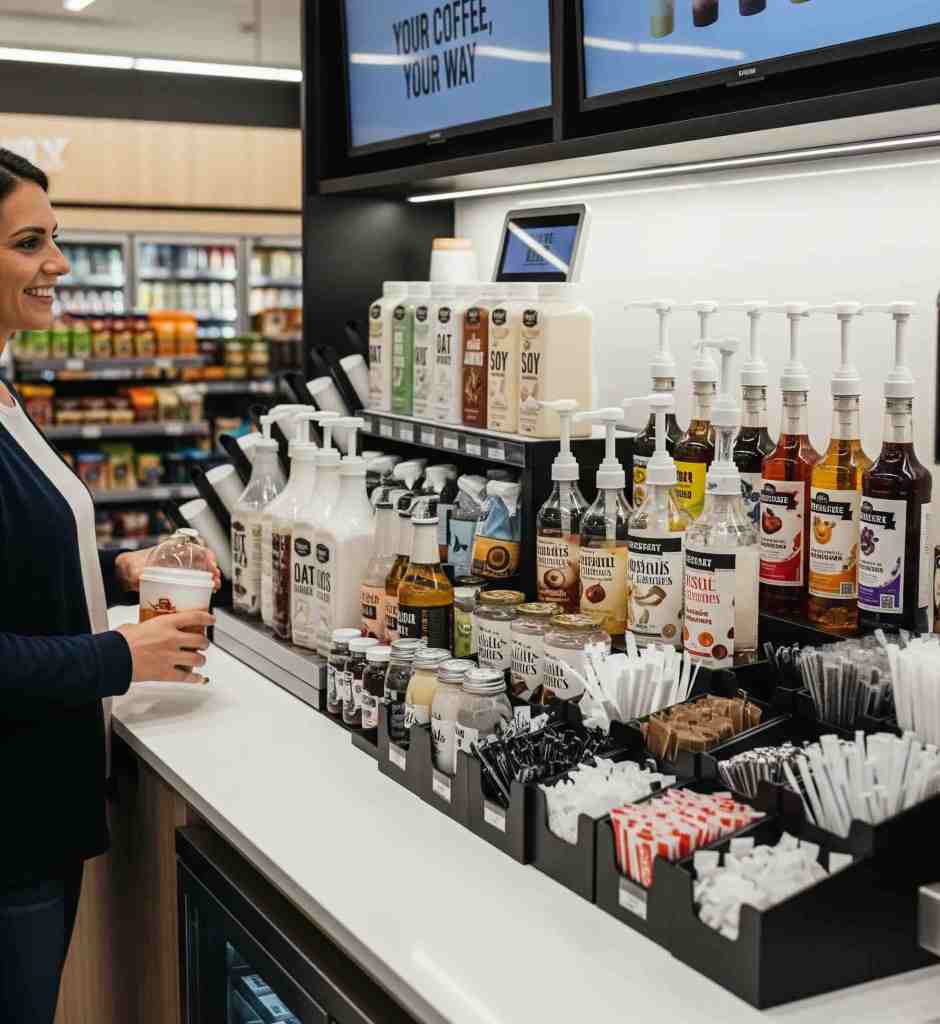
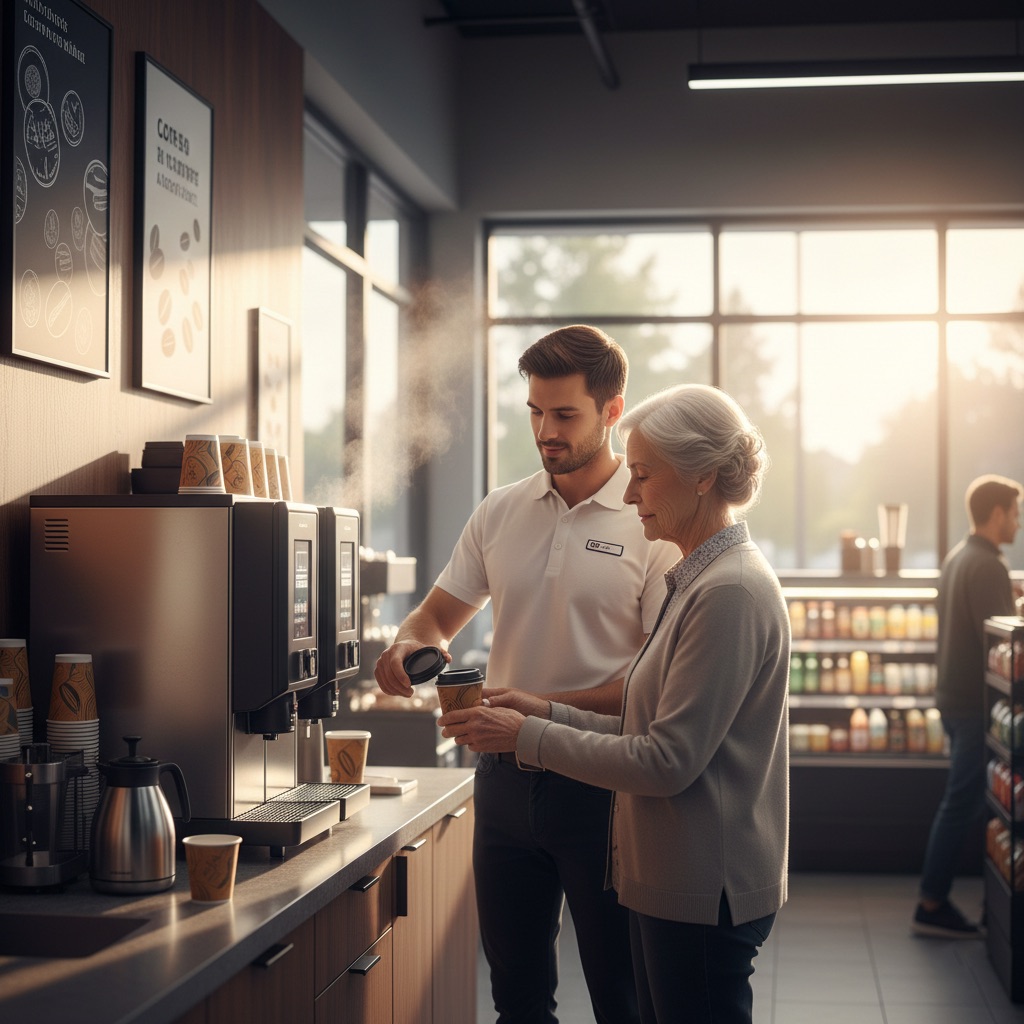
While RTD coffee is a booming segment, the dispensed coffee program remains a foundational element of the c-store experience. The key to its success in today’s market is transforming it from a simple condiment bar into a true customization hub. Consumers, particularly younger ones, expect to personalize their drinks. They often feel that convenience stores offer a more limited range of options compared to quick-service restaurants (QSRs) and coffee shops. This is a clear and actionable opportunity to bridge that gap.
The physical state of your coffee station is the heart of this experience and directly reflects on the quality of your entire store. The link between cleanliness and consumer trust is profound. Research indicates that 70% of consumers say a store’s overall cleanliness influences whether they believe the food is fresh. A sticky, unorganized, or messy coffee bar doesn’t just look unappealing; it erodes your customer’s confidence in the quality and freshness of all your in-store food offerings. This makes cleanliness a critical strategic activity, not just a simple operational task.
A winning coffee program must start with a great brew, but its success hinges on the details of the customization options you offer. Going beyond basic sweeteners and dairy milk is essential. You need to stock popular plant-based alternatives. Offer a variety of flavored creamers such as caramel, hazelnut, and vanilla. Pay attention to emerging trends like sugar alternatives, such as Stevia, and unique syrups like floral or fruity flavors such as lavender or yuzu.
Creating a seamless experience requires more than just the right products. It requires impeccable organization. Label items clearly, use wipeable containers, and ensure a dedicated staff member is responsible for frequent checks and quick restocking, especially during peak morning hours. A consistent, organized setup makes the experience predictable and easy for your most loyal, habitual coffee drinkers.
What you can do:
- Audit Your Coffee Bar: Conduct a thorough review of your current add-in options and cleanliness standards. Are you providing the variety customers expect, and is the station spotless?
- Create a Maintenance Schedule: Implement a clear, frequent cleaning and restocking schedule, especially during morning and afternoon rushes. This is a non-negotiable part of the operation.
- Train Your Staff: Empower your team with product knowledge. Train them on the different types of milks, their benefits, and how to address customer concerns or provide recommendations.
4. Powering Growth with Smart Marketing & Loyalty
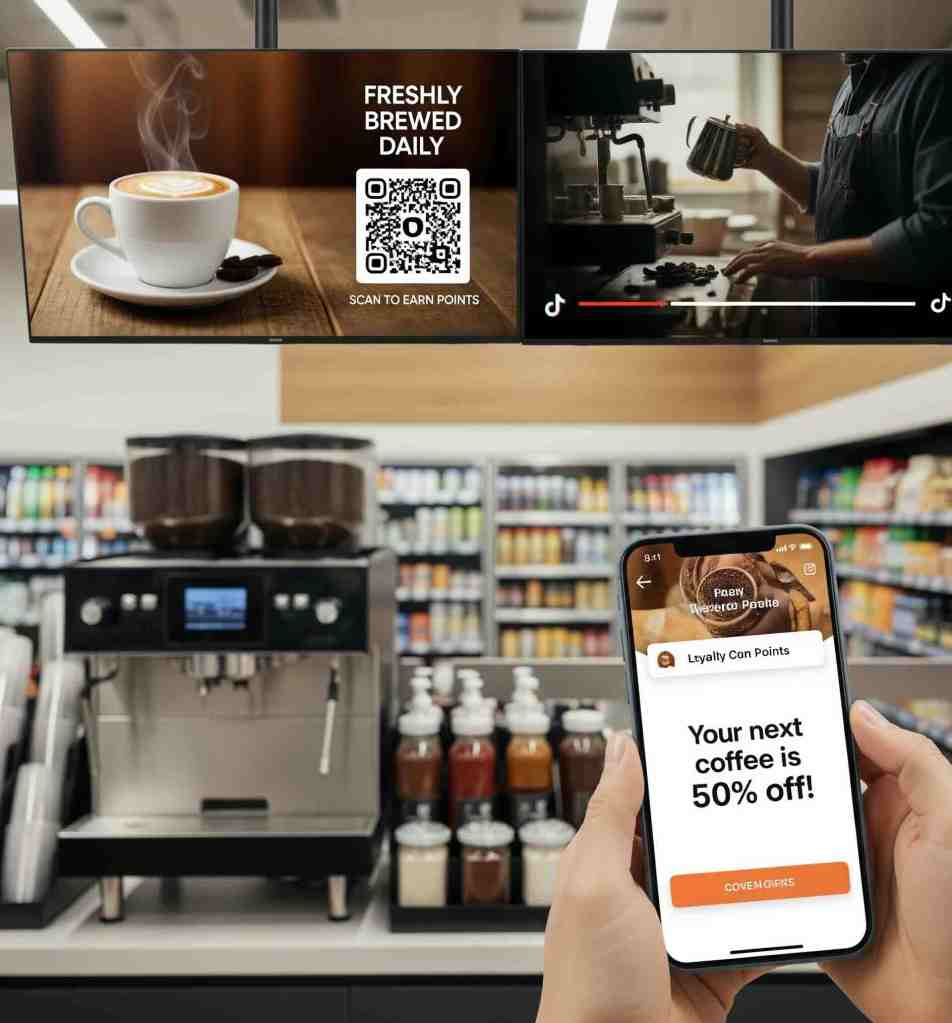
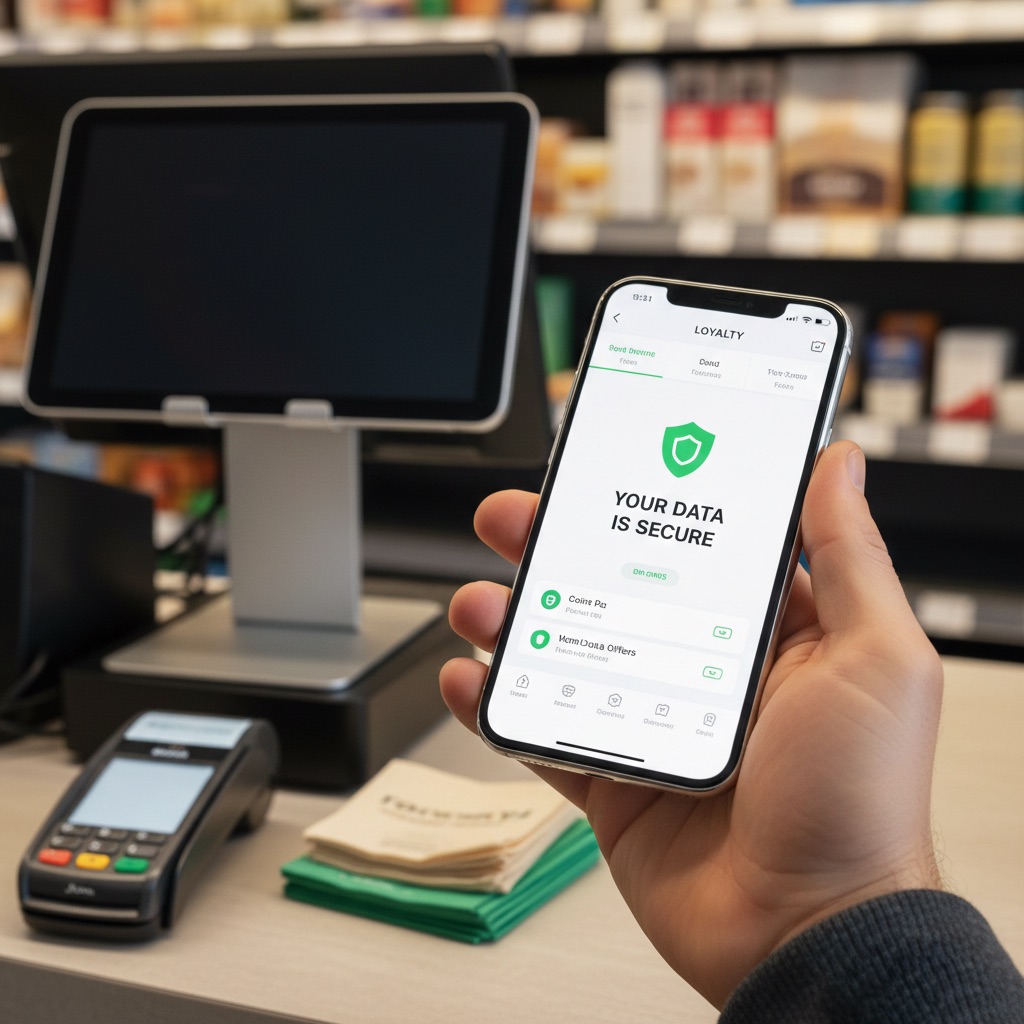
Even the best coffee program will fail to reach its full potential without a robust marketing strategy. Modern marketing for c-stores means more than just running in-store ads. It’s about leveraging technology to build a direct, personalized relationship with the customer. The most effective tool for this is a well-integrated loyalty program.
Loyalty programs are a critical driver of repeat visits and customer satisfaction. A staggering 72% of shoppers are in a c-store loyalty program, and 85% would join one if the rewards were personalized. A modern loyalty program is more than a points system; it’s a data goldmine. It provides valuable information about customer preferences and behaviors, which you can use to create highly targeted, personalized promotions. For example, if your data shows a customer frequently buys a specific brand of RTD cold brew, send them a personalized notification on your app. Inform them about a promotion on a new, related product. This encourages them to try it and increases your share of their wallet.
Marketing a coffee program today also means embracing digital channels. Gen Z, a major force in modern coffee culture, finds inspiration for drinking cold coffee on platforms like TikTok. They are a generation with a keen eye for aesthetics, and they love to share visually striking products and experiences on social media. This means your coffee program can become its own marketing engine. Curate a photogenic and well-organized coffee station. Highlight a new, visually appealing RTD drink. These activities can encourage user-generated content. Essentially, this turns your customers into brand advocates. Marketing for non-dairy coffee beverages is less memorable in traditional advertising. However, a targeted, platform-specific digital content strategy can be particularly effective at increasing awareness. It can also boost appeal.
What you can do:
- Integrate Coffee into Loyalty: Ensure your loyalty program provides personalized rewards and incentives specifically for coffee and foodservice purchases. Think beyond basic discounts to include offers on new products or combos.
- Explore Digital Marketing: Use your app and on-site retail media to run targeted promotions that drive in-store traffic for coffee. A personalized discount at the pump for an in-store coffee is a simple yet effective strategy.
- Harness Social Media: Develop a simple content strategy for platforms like TikTok and Instagram. Showcase your new RTD options, highlight your clean and customizable coffee bar, and invite customers to share their creations.
5. Beyond the Brew: Transforming Your C-Store into a Foodservice Destination
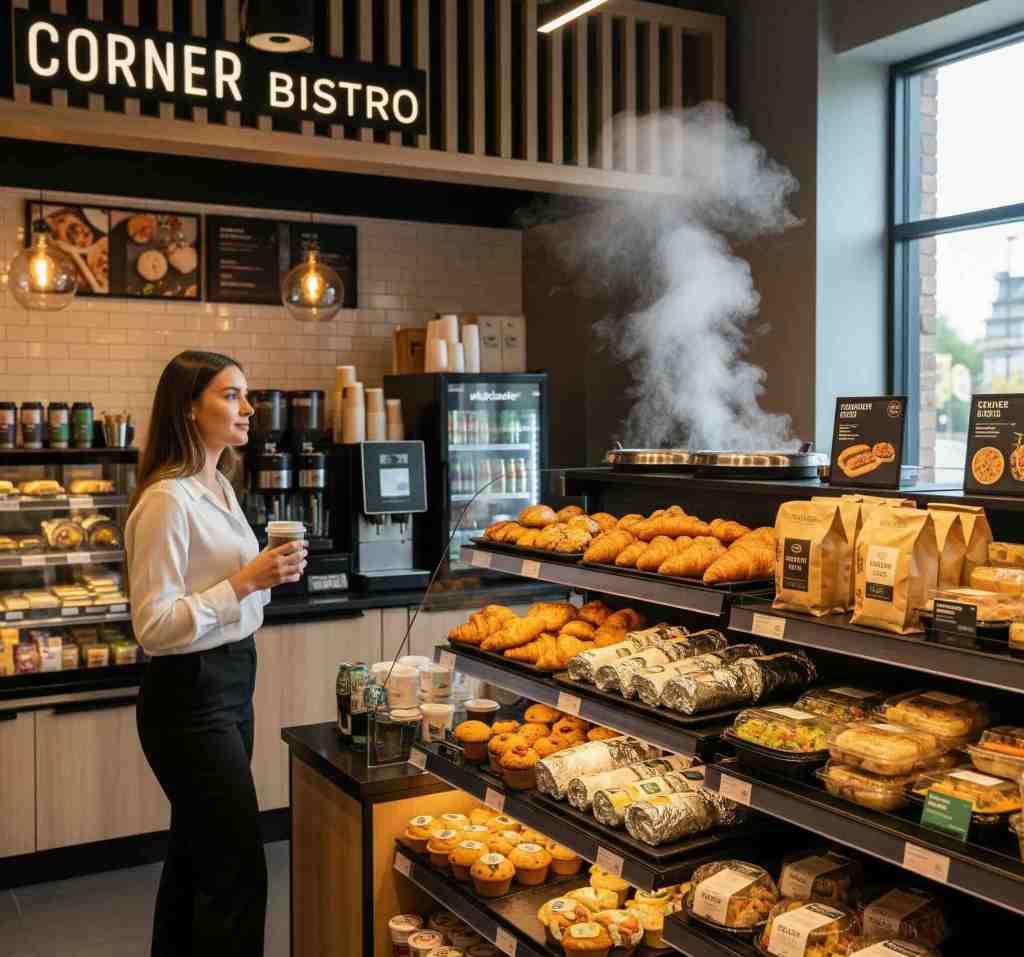
This final point synthesizes the entire blueprint into a powerful strategic vision. The data shows that the coffee program is the entry point for a much larger transformation. Convenience stores are no longer just fuel stops; they are evolving into true destinations for food and merchandise. Foodservice is a major profit center, accounting for an estimated 30% of sales and 40% of gross profits for c-stores.
You sell more than just coffee by getting your coffee program right. Offer the cold, plant-based, and customizable options that modern consumers demand. You are actively driving foot traffic, increasing customer dwell time, and building consumer trust in your entire foodservice offering. Research shows that consumers are increasingly viewing c-stores as a viable alternative to QSRs, especially for made-to-order food. Your coffee program can be the vehicle that solidifies this perception.
The investment in a modern, consumer-centric coffee program is a strategic move that boosts overall store profitability. A successful coffee program can lead to incremental sales of high-margin items like pastries, snacks, and even hot meals. The investment in this category isn’t just for the coffee category’s sake. It’s a foundational step toward becoming a full-fledged foodservice destination.
The success of your coffee program, and your store’s larger foodservice evolution, depends on a unified strategy. You can’t capture the RTD market without understanding Gen Z’s preferences, and you can’t win with Gen Z without a clean and customizable coffee bar. It all works together.
What you can do:
- View Coffee Strategically: Treat your coffee program not as a standalone beverage category but as the engine of your entire foodservice operation.
- Commit to the Blueprint: Use the four previous points as a concrete roadmap to transform your program. A small investment today can yield significant returns in the long run.
- Train Your Team: Empower your staff with the knowledge and tools to execute this vision. Their performance is the final, crucial link in the chain that solidifies your store’s reputation as a premium foodservice destination.
The Bottom Line: Pouring Success
The opportunity in the modern coffee market is clear. RTD coffee is becoming more popular. There is also a cold brew craze. Additionally, the values and demands of a new generation of consumers are shaping the market. Understand these preferences. Implement a strategic blueprint that focuses on product, customization, marketing, and loyalty. This approach can transform your coffee program into a powerful driver of traffic, satisfaction, and sales. This isn’t just about adapting to a trend. It’s about leading the way. Solidify your store’s position as a preferred foodservice destination. The time to brew up this strategy is now.

 The5For
Leave a comment