Hey everyone! It’s Wednesday, August 27th, and as always, I’m here to dive into the latest happenings that matter to you, the convenience store owner/operators. The industry never sleeps, and staying ahead of the curve means keeping an eye on the subtle shifts and big headlines alike. I’ve scoured the news from yesterday, and I’ve got 5 key insights that I believe every single one of us needs to consider for our businesses right now. Let’s dig in and see what’s shaping our world!
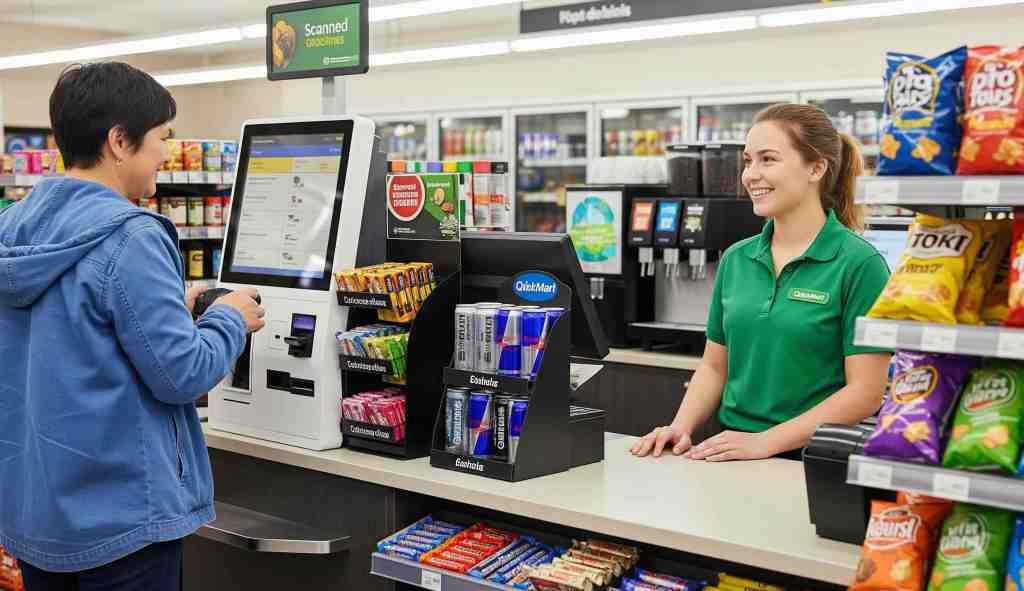
1. What Restaurants Can Teach Us About Balancing Tech and the Human Touch
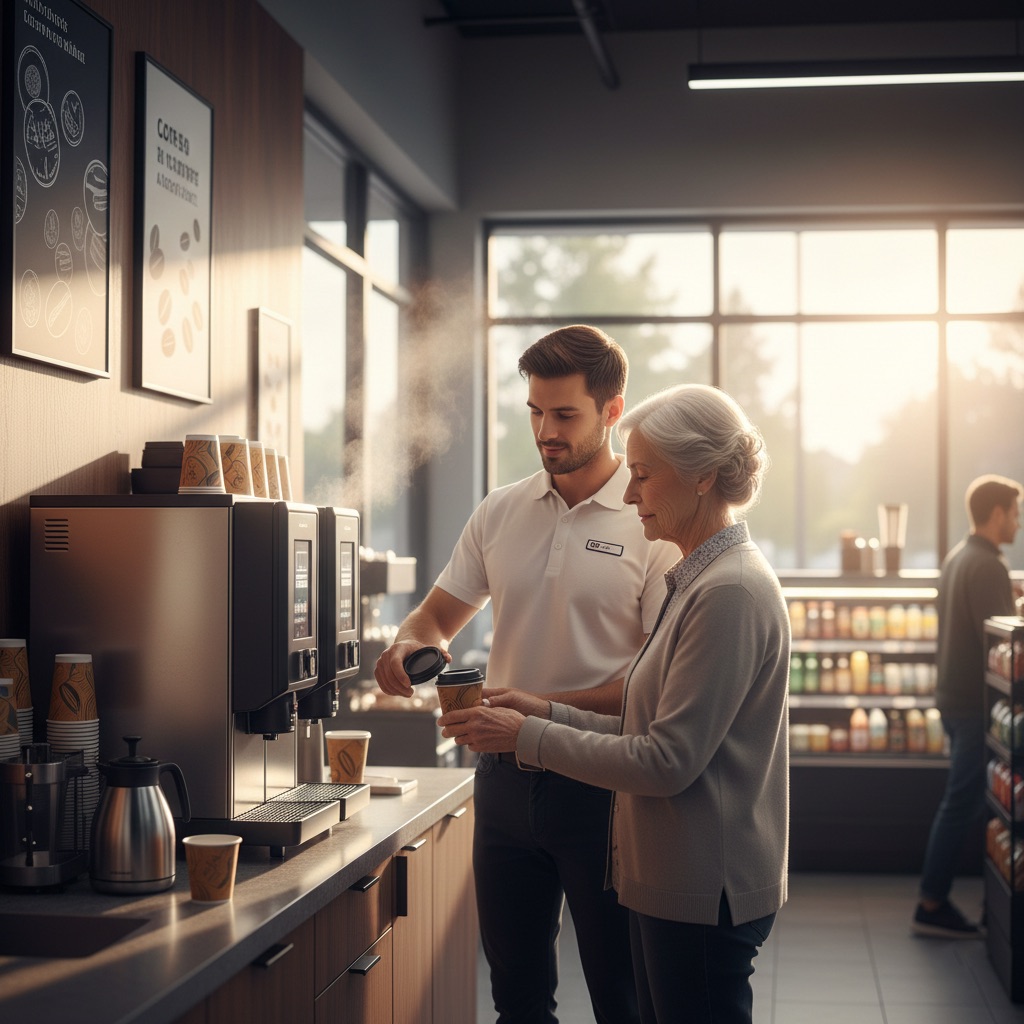
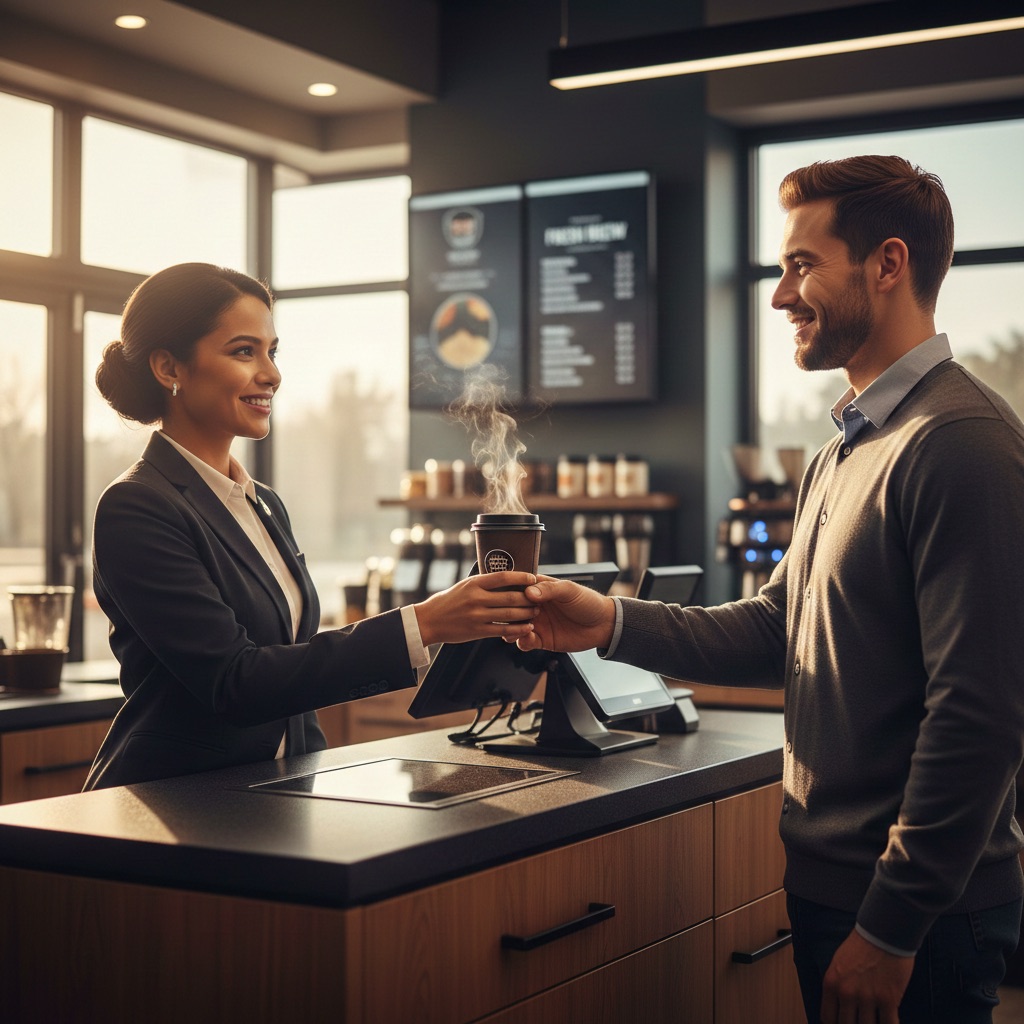
First up, an interesting piece from Modern Restaurant Management really caught my eye. They discuss the delicate dance restaurants play between integrating technology and maintaining that essential human connection with customers. We often think of restaurants as a different beast, but when it comes to customer expectations, there’s a lot of overlap. Consumers, whether they’re grabbing a quick bite or sitting down for a meal, want efficiency and a personal touch. They appreciate the speed of a self-checkout but still want a friendly face to help when needed. This isn’t just about ordering kiosks; it’s about loyalty programs, mobile payments, and even how we staff our stores. Are we making things easier, or are we alienating some customers in the process?
Why This Matters to C-Store Owners: Our customers are increasingly tech-savvy, and they expect the same level of convenience and integrated solutions they find elsewhere. However, our strength often lies in our community connection and the quick, personal interactions we offer. Finding that sweet spot between leveraging technology for speed and maintaining a welcoming, human-centric environment is crucial for customer satisfaction and loyalty.
What You Should Be Doing:
- Audit your current tech stack: Are your self-checkout options intuitive? Is your loyalty program easy to access and use?
- Train your staff: Ensure employees are not only proficient with technology but also empowered to provide excellent, personal service when technology isn’t enough or when a customer prefers human interaction.
- Seek feedback: Ask your customers directly where they feel the balance is off. Use surveys or in-store conversations.
- Consider a hybrid approach: Maybe it’s a kiosk for grab-and-go coffee, but a dedicated person for made-to-order sandwiches.
More Information: You can read the full article here.
2. Trucker Visa Suspensions and What It Means for Supply Chains
This next one from NACS Daily is a big deal, particularly for those of us whose stores serve as vital hubs for the trucking industry. The news reports that the U.S. is suspending the issuance of work visas for certain truck drivers. Now, at first glance, this might seem like a niche issue, but believe me, it has massive ripple effects on the supply chain. Fewer drivers mean potential delays in deliveries, increased transportation costs, and ultimately, challenges in keeping our shelves stocked and prices competitive. We’ve seen how fragile supply chains can be, and any disruption like this requires our immediate attention.
Why This Matters to C-Store Owners: A constrained trucking workforce can lead to higher delivery costs for your products, potential out-of-stocks, and longer lead times. This directly impacts your ability to offer the products your customers want, when they want them, and at a price they’re willing to pay. For stores heavily reliant on fuel sales to truckers, it could also signal shifts in traffic patterns or demand.
What You Should Be Doing:
- Communicate with your suppliers: Get ahead of potential issues by discussing delivery schedules and possible delays.
- Diversify your inventory where possible: If certain popular items are at risk, explore alternative products or suppliers.
- Monitor inventory levels closely: Proactive ordering and careful stock management will be more important than ever.
- Adjust pricing strategies cautiously: Be aware of rising costs but also sensitive to customer price perception.
More Information: Read more about this development here.
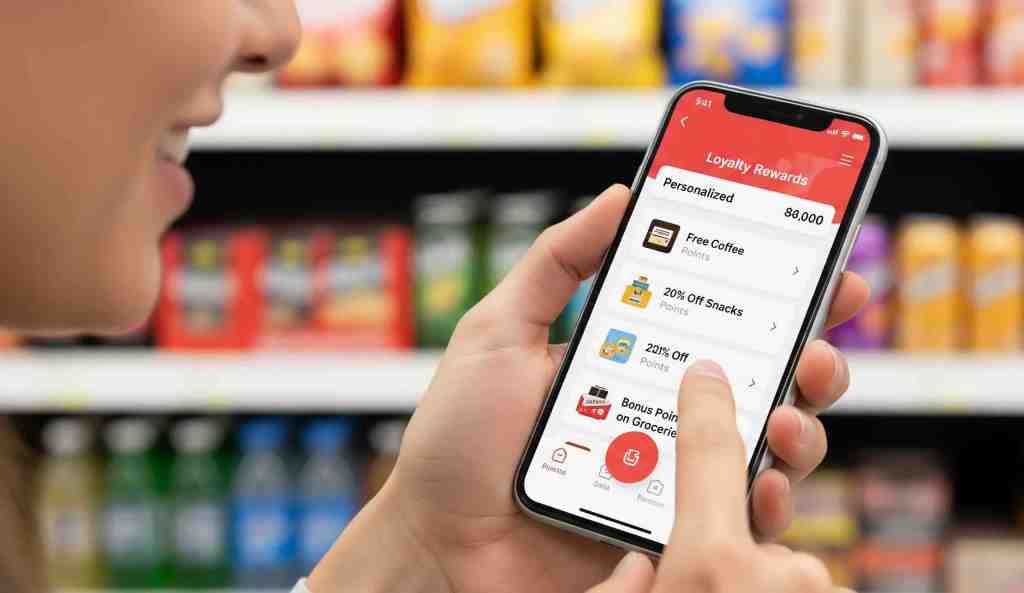
3. Consumers Demand More Control Over Loyalty Programs
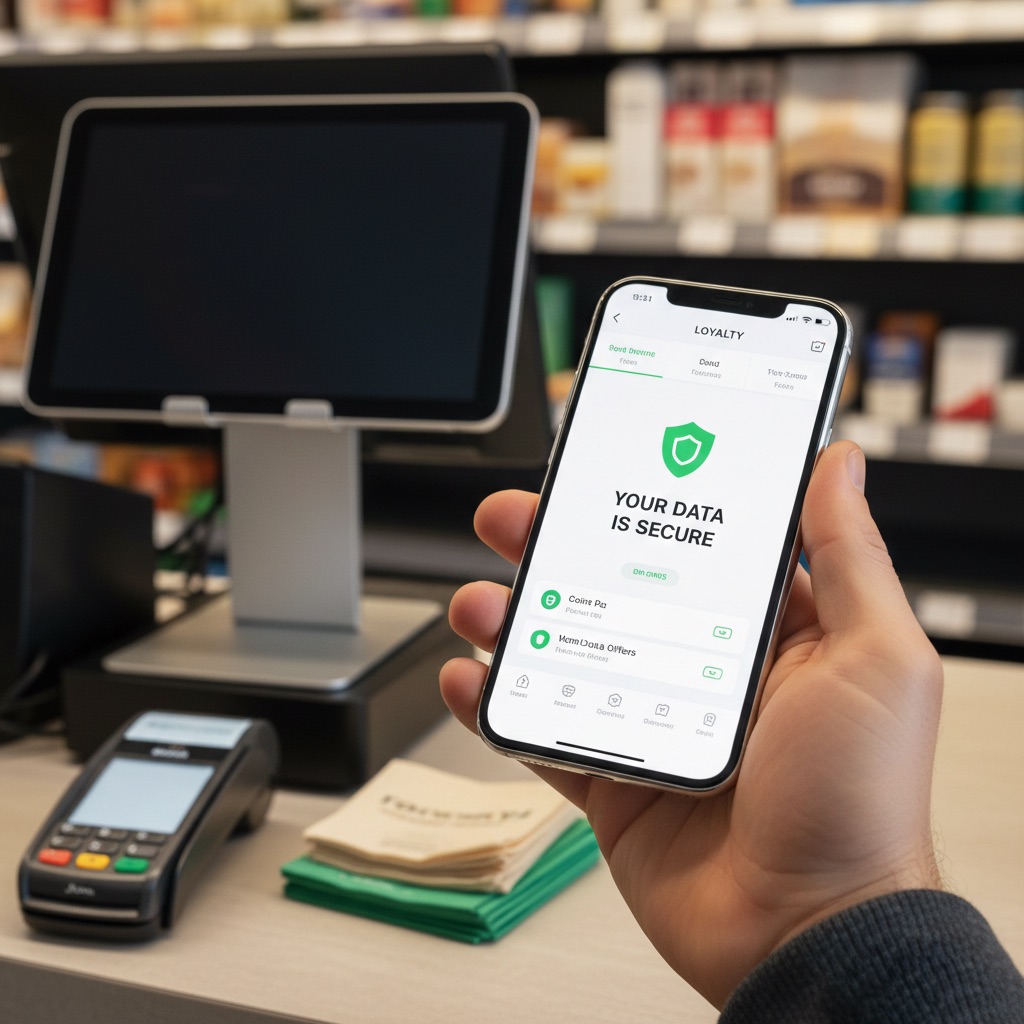
Customer Experience Dive reported yesterday that consumers are increasingly looking for more control and flexibility in their loyalty programs. Gone are the days when a simple “buy ten get one free” was enough. Today’s customers want personalized rewards, the ability to choose how they redeem points, and a sense that the program genuinely understands their preferences. This is a crucial insight for us because loyalty programs are one of the most effective tools we have for retaining customers and encouraging repeat business. If our programs aren’t meeting these evolving expectations, we’re missing a huge opportunity.
Why This Matters to C-Store Owners: A well-designed loyalty program can significantly boost customer retention and average transaction size. If your program feels rigid or irrelevant to your customers, they’ll disengage, and you’ll lose out on valuable data and repeat visits. Meeting the demand for control can turn casual visitors into loyal regulars.
What You Should Be Doing:
- Review your current loyalty program: Is it flexible? Does it offer choices in rewards?
- Personalize offers: Use data to offer relevant discounts on products your customers actually buy.
- Allow for choice in redemption: Can customers choose between fuel discounts, in-store credit, or specific product rewards?
- Communicate the value: Make it clear how your loyalty program benefits the customer and how easy it is to manage their rewards.
More Information: Dive deeper into consumer expectations for loyalty programs here.
4. Smoothie King Enters the Food Fray Nationally
Restaurant Business Online highlighted Smoothie King’s nationwide launch of a full food menu. This is a significant move that underscores a broader trend: the lines between different food service segments are blurring. Smoothie King, traditionally known for beverages, is now directly competing for meal occasions, especially targeting the health-conscious consumer. For us in the convenience store space, this means another player vying for the same customer dollar, and it’s a reminder that our food service offerings need to be top-notch and strategically aligned with what our customers are seeking.
Why This Matters to C-Store Owners: The health-conscious consumer segment is growing, and they’re looking for quick, nutritious options. If you’re not offering appealing fresh food, smoothies, or healthier grab-and-go choices, you’re ceding this valuable customer base to competitors like Smoothie King and others who are actively expanding their menus.
What You Should Be Doing:
- Evaluate your current fresh food offerings: Are they appealing, fresh, and do they meet diverse dietary needs?
- Consider expanding healthier options: This could include fresh fruit, yogurt parfaits, salads, or even your own smoothie bar.
- Highlight healthier choices: Make it easy for customers to find nutritious options in your store.
- Focus on quality and speed: Your competitive advantage is often convenience, so ensure healthy options are quickly accessible.
More Information: Learn more about Smoothie King’s expansion here.
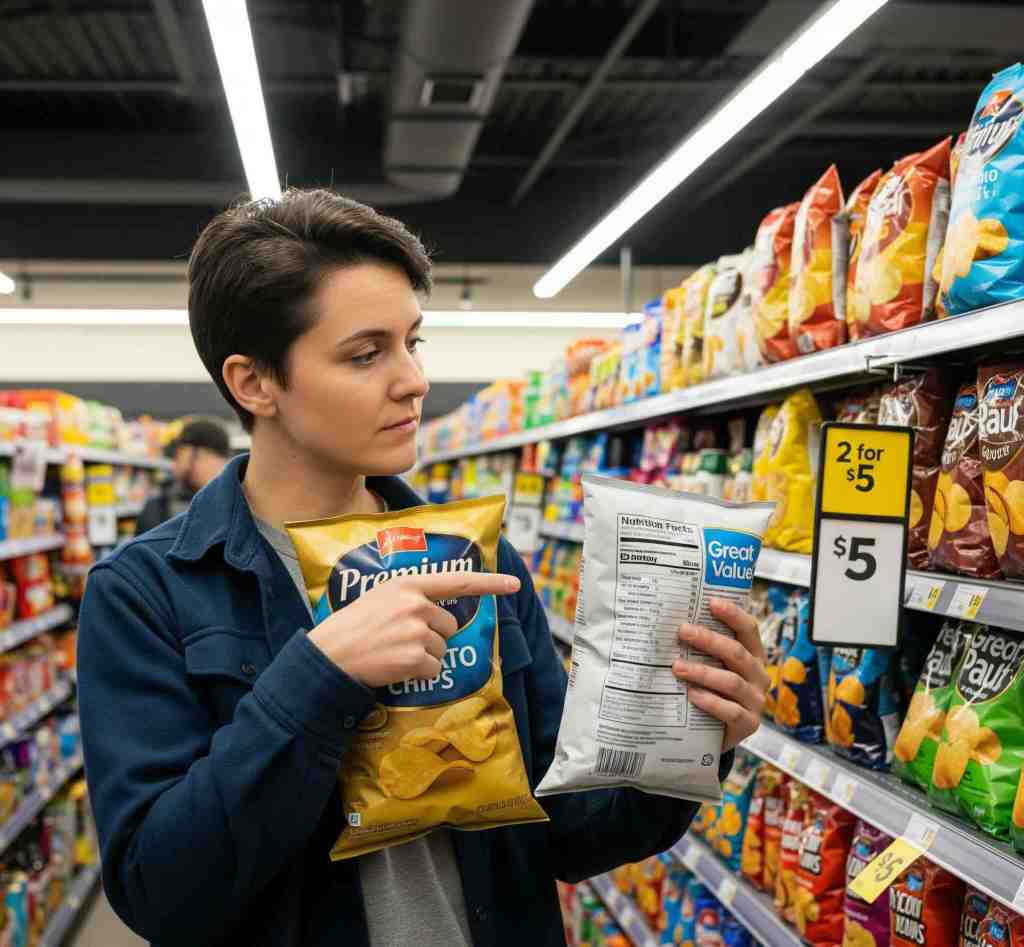
5. Understanding Value for the Budget-Conscious Consumer
Finally, a fascinating report from the University of Michigan’s Survey of Consumers delves into what “value” truly means to consumers who are cutting back on spending. This isn’t just about the cheapest price; it’s about perceived value, quality for the price, and making smart choices in an uncertain economic climate. For convenience stores, understanding this nuance is vital. Our customers are often on a budget, and if we can position our products and services as offering genuine value—whether that’s through bundles, loyalty perks, or simply consistent quality—we stand to gain. It’s about more than just discounts; it’s about demonstrating worth.
Why This Matters to C-Store Owners: In an economy where consumers are tightening their belts, understanding their definition of “value” is paramount. It influences purchasing decisions across all categories. If you can effectively communicate the value proposition of your products and services, you can maintain sales even when discretionary spending is down.
What You Should Be Doing:
- Re-evaluate your pricing strategy: Are you offering competitive prices on everyday essentials?
- Bundle products: Create attractive deals on frequently purchased combinations.
- Emphasize quality: For certain items, highlight the quality and longevity over just the lowest price.
- Promote private label brands: These often offer a strong value perception.
- Use signage effectively: Clearly communicate savings, deals, and the benefits of your products.
More Information: You can explore the full report on consumer consumption responses here.
The Bottom Line
So there you have it, five critical insights from just yesterday’s news that can truly impact how we run our convenience stores. From balancing tech with the human touch, to navigating supply chain challenges, refining loyalty programs, tackling new food service competition, and truly understanding what “value” means to our customers, there’s a lot to chew on. The key takeaway for me is this: our industry is dynamic, and complacency is our biggest enemy. By staying informed, being adaptable, and continuously looking for ways to improve, we can not only survive but thrive. Let’s take these insights and turn them into actionable strategies to keep our businesses strong and our customers happy.


 The5For
Leave a comment