
If you’ve been in this industry for more than five minutes, you know a simple truth: our people are our biggest asset, but managing them is often our biggest challenge. You wear a dozen different hats every day. Nothing is more frustrating than the endless cycle of hiring, training, and losing good employees. It is also costly.
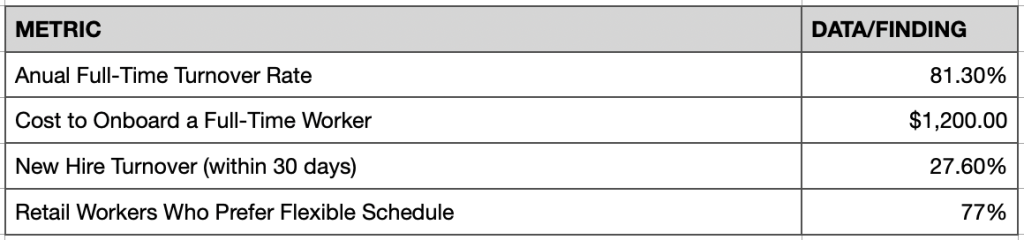
The numbers tell a hard story. The convenience store industry is notorious for high employee turnover, with some reports citing an average annual rate of 81.3% for full-time associates and other data from NACS placing the number as high as 130%. That’s not just a statistic; it’s a constant drain on your time and your bottom line. With the cost to recruit, onboard, and train a new full-time worker averaging over a thousand dollars, the financial hit is significant. What’s more, nearly one-third of new hires don’t even make it past their first month.
This constant churn creates a workforce that is stretched thin, burned out, and often disengaged. But what if there was a way to break that cycle? What if you could build a team that doesn’t just survive the daily grind, but thrives in it? The answer lies in building a resilient workforce. By focusing on a few key areas, you can transform your team from a source of stress into a powerful engine for growth. We’ll explore four proven strategies, based on research from Great Place to Work, and translate them into practical, real-world advice for your C-store.
The Hard Numbers of C-Store Turnover

The Foundation: Building Psychological Safety
At its core, psychological safety is the shared belief among team members that they can be themselves and take risks without fear of being embarrassed or punished. It’s about creating a work environment where employees feel safe to ask questions, share new ideas, and admit mistakes. It’s not about being “nice” or avoiding conflict; it’s about enabling productive, honest communication.
In the fast-paced C-store world, where every minute counts, a lack of psychological safety can be a silent killer of efficiency and innovation. When an employee is afraid to speak up, they won’t mention a small inefficiency in a restocking process, they won’t suggest a new snack display idea, or they won’t flag a potential issue with a piece of equipment. This fear of appearing incompetent or uninformed is a natural human tendency, but it prevents your team from becoming a source of real-time operational intelligence. You lose out on the on-the-ground knowledge that could improve everything from the customer experience to your inventory management. By fostering a culture of trust and openness, you empower your team to become problem-solvers, not just task-doers.
What You Should Be Doing:
- Make it a conversation. Explicitly talk with your team about the importance of psychological safety. Explain that you want their honest feedback and that mistakes are opportunities for growth, not grounds for punishment.
- Lead with empathy. Actively listen more than you speak. When an employee raises an issue or suggests an idea, put away distractions, make eye contact, and show that you genuinely value their input. Ask questions instead of giving orders.
- Encourage and act on feedback. You don’t have to solve every problem they raise, but you must show them you’re listening. Simple surveys can collect insights, but the real trust is built when you share what you learned and follow up on how you plan to respond to their input.
- Normalize mistakes. Share stories of your own mistakes and what you learned from them. This demonstrates a willingness to be vulnerable and shows that it’s okay for them to be imperfect too.
For more on these strategies, you can read the original article at Great Place to Work.

The Compass: Connecting to Purpose
Beyond the paycheck, every employee wants to feel that their work has meaning. Connecting your team to a larger purpose is about more than just selling products; it’s about showing them how their daily tasks contribute to something bigger. For a C-store, this might mean being the “heart of the community,” a safe space for commuters, or a reliable provider of essential goods. Research shows that employees who feel this connection are 76% more likely to stay with their company and give extra effort to get the job done.
Many employees at convenience stores feel that their jobs are merely entry-level, but a manager’s mindset can completely change this perspective. In one powerful example, an operations manager at Mammoth Holdings shared a story about a customer service agent who said, “I’m just a CSA.” The manager replied, “You are not ‘just’ anything. The goals the CEO has can’t happen without you—your sales impact whether this company hits its goals or not”. That’s the power of purpose: it transforms a transactional role into a vital part of a collective effort. By making your team feel like valued brand ambassadors, you inspire a level of loyalty and dedication that no pay raise alone can buy.
What You Should Be Doing:
- Define your mission. What is the purpose of your store beyond making a profit? Is it to provide a hub for your community? Is it to offer a safe, friendly face to every customer? Share this mission with every employee from day one, and show them how their individual contributions make a difference.
- Connect every role to the mission. Use regular check-ins to show employees how their work directly contributes to your store’s success. This is especially important for frontline workers who might feel disconnected from the big picture.
- Showcase career pathways. One of the main reasons employees leave is a lack of career opportunities.Demonstrate that a job at your store is not a dead end. Showcase examples of employees who have advanced and create clear paths for growth.
- Give them a sense of ownership. When employees feel empowered, they are more likely to be engaged and feel a sense of pride in their work. This builds an emotional connection with the brand that encourages them to stay.
The Fuel: Promoting Autonomy and Flexibility
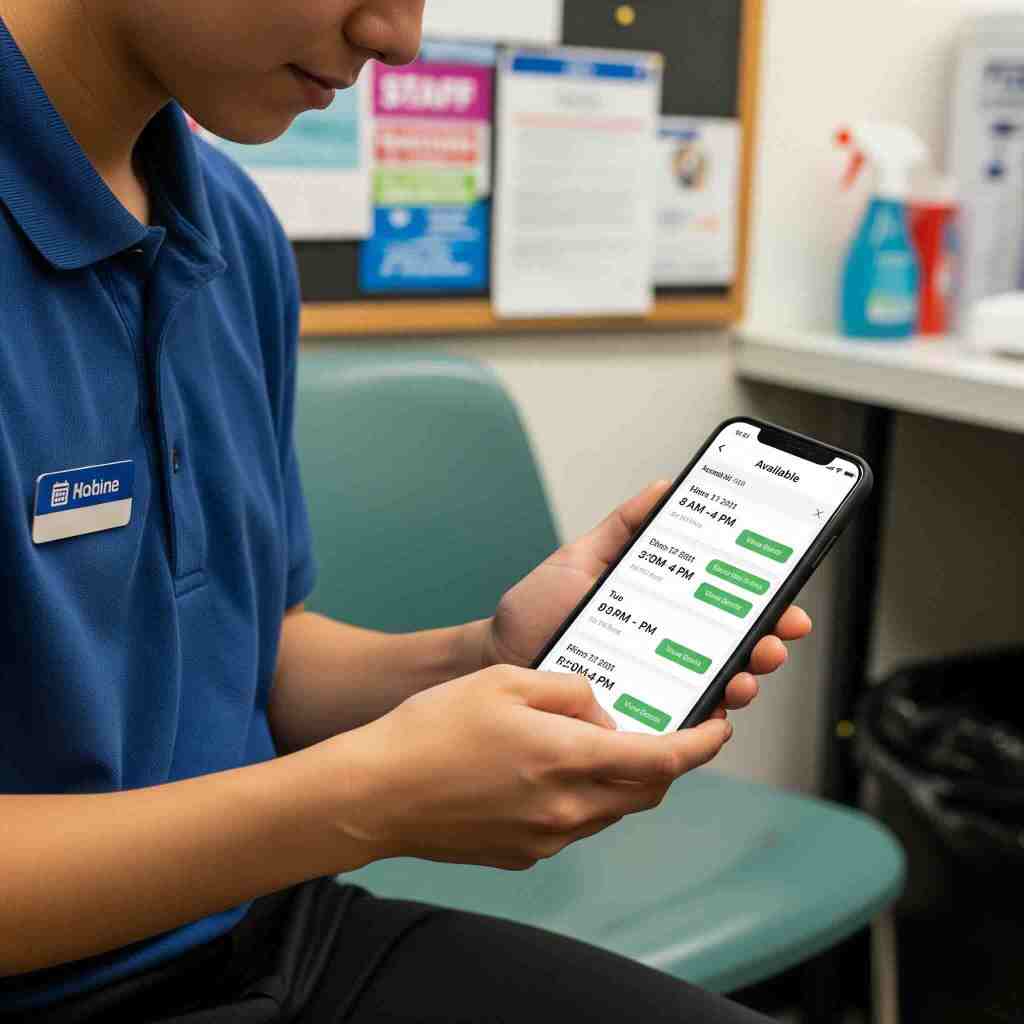
In today’s workforce, the demand for flexible schedules is not a perk—it’s a major factor in attracting and retaining talent. Research from the World Economic Forum found that 77% of retail workers prefer flexible scheduling, and 55% actively seek flexible shift work. Giving your team a say in their schedule and daily tasks isn’t just a kindness; it’s a powerful business strategy that combats burnout and increases retention.
When employees have control over their work-life balance, they are more engaged and productive. One major U.S. retailer that implemented a self-scheduling tool saw an 11% drop in absenteeism and a 14% drop in turnover.Furthermore, managers at that company saved eight hours a week on scheduling alone, freeing up a full day to focus on coaching and engaging with their team. The growing threat of fully automated, employee-free “smart stores” like VenHub, which operate 24/7 with minimal overhead , shows that competing on labor cost alone is a losing game. The future of the C-store industry lies in leveraging technology to empower your people, not replace them. Your human team is your competitive advantage, and flexible scheduling is a core part of that.
What You Should Be Doing:
- Adopt technology-enabled scheduling. Invest in mobile-friendly software that allows employees to view, swap, and pick up shifts with ease. This provides the autonomy they crave while giving you the data needed for efficient workforce management.
- Try “shift bidding.” If you’re nervous about full self-scheduling, start by offering open shifts that qualified employees can “bid” on. This allows you to retain control while still giving your team more autonomy.
- Listen to employee availability. Even without a formal system, simply asking your employees for their availability and preferences shows that you care and are willing to work with them.
- Use the time saved to coach. With scheduling simplified, you’ll have more time to spend on the floor, providing valuable feedback and building relationships with your team.

The Engine: Fostering Connections and Well-Being
The C-store industry is a frontline job, and that means it takes a physical and emotional toll on your team. Between long hours on their feet, the stress of a fast-paced environment, and the mental strain of dealing with demanding customers, burnout is a major threat to your workforce. Studies have shown that verbal abuse against retail workers has increased by 64% since the pandemic began, and less than half of employees feel supported by management in these situations.This emotional drain leads to anxiety, depression, and is a significant contributor to turnover.
Proactively addressing employee well-being is a direct investment in your team’s longevity and performance. When your people feel cared for and supported, they are more likely to stay, and their increased morale leads to a better customer experience. By providing simple, low-cost support, you can help mitigate the unseen risks of the job and build deep, lasting loyalty.
What You Should Be Doing:
- Provide tangible wellness support. Simple solutions like anti-fatigue mats at the register, encouraging micro-breaks for stretching, and offering access to stress management apps can make a huge difference in your team’s physical and mental health.
- Foster a culture of respect. Create a clear, zero-tolerance policy for abuse from customers. Your team needs to know you have their back. An open-door policy where they feel safe to report altercations is a critical step in building trust.
- Encourage social connection. Organize simple team-building activities, celebrate birthdays, or create friendly competitions. These low-cost activities build a sense of community that can boost morale and make the workplace feel more like a family.
- Implement a recognition program. Acknowledgment boosts morale and motivates employees. This can be as simple as a “Customer Service Star” award, a public shout-out, or a quick note of appreciation. This reinforces that their contributions matter and builds a sense of psychological safety.
The Bottom Line: From Surviving to Thriving
Building a resilient workforce isn’t about implementing a single, one-size-fits-all solution. It’s about a holistic approach that focuses on your people. By laying the foundation of psychological safety, giving them a sense of purpose, empowering them with autonomy and flexibility, and actively supporting their well-being, you can create a team that doesn’t just clock in and out. You can build a team that is engaged, loyal, and committed to your store’s success.
The return on this investment is tangible: lower turnover, reduced absenteeism, happier customers, and a healthier bottom line. It’s a strategic move that transforms the “people problem” into your biggest competitive advantage. So, pick one of these strategies and get started today. You’ll be amazed at the difference it makes for your team, your store, and your own peace of mind.





 The5For
Leave a comment