Hey there, convenience store operators!
It’s Friday, August 29th, and as always, I’ve been sifting through the latest industry news to bring you the most critical insights from yesterday, August 28th. The world of convenience retail moves fast, and staying on top of trends isn’t just a good idea, it’s essential for your bottom line. My goal, as always, is to cut through the noise and give you actionable takeaways that you can implement right now in your stores. Let’s dive into what caught my eye.
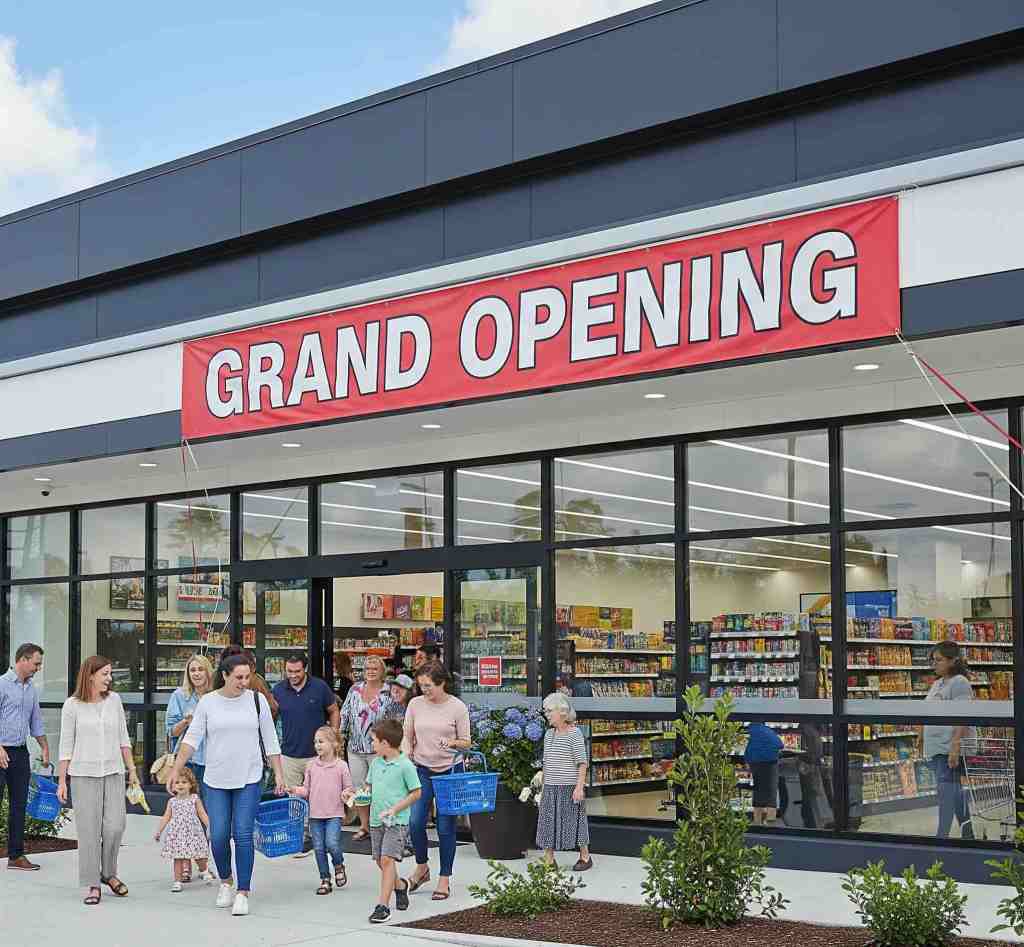
1. The Power of New Store Openings: Growth is Still on the Menu
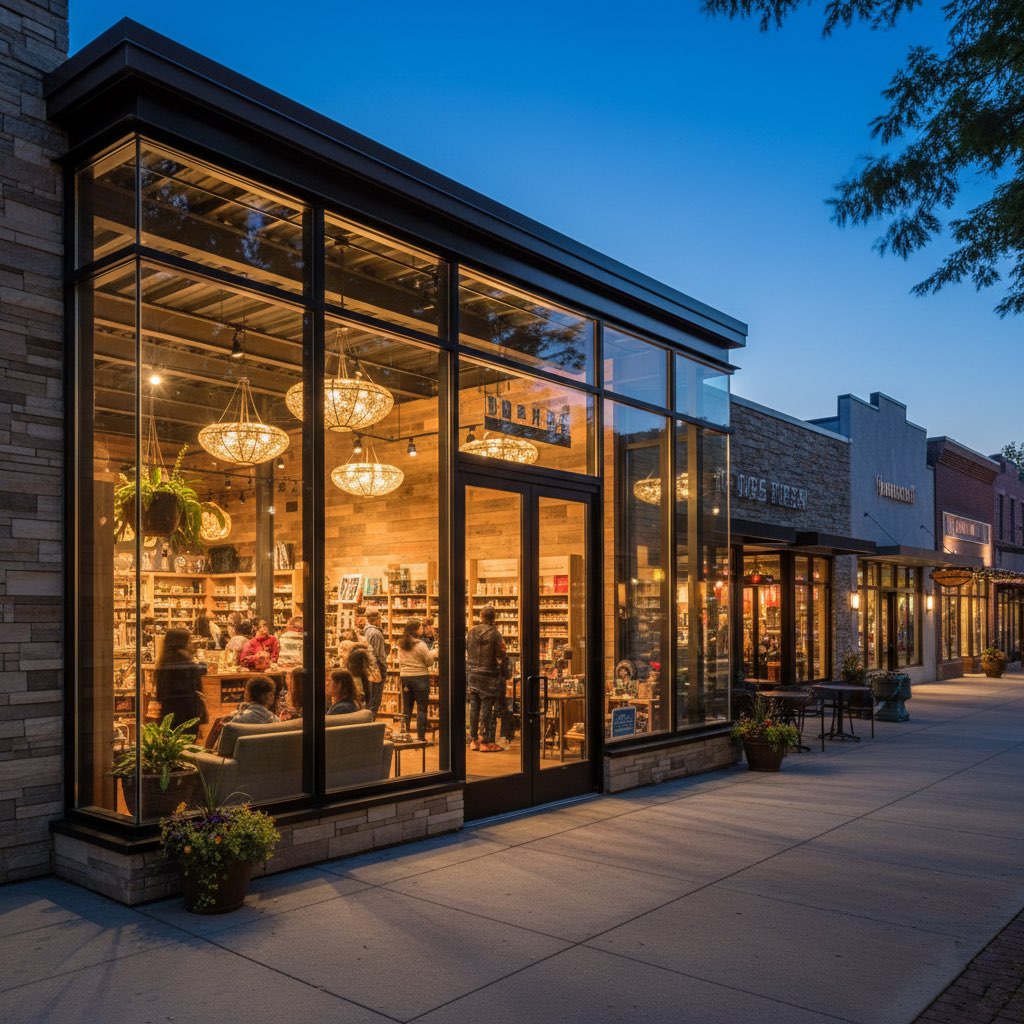
We often hear about the challenges facing brick-and-mortar retail, but Thursday’s C-Store Dive article, “3 Big Numbers: New Openings,” offered a refreshing perspective. It highlighted significant investment in new convenience store locations, signaling that despite economic headwinds, major players are confident in the industry’s future. The article points to a robust number of new store openings, expansions, and even remodels by top-tier operators. This isn’t just about big chains; it reflects a broader belief in the enduring appeal and necessity of the c-store model.
Why You Should Be Interested: This news is a strong indicator of market vitality. When large companies are pouring capital into new physical locations, it suggests they see long-term growth potential. For independent operators or smaller chains, this means the competitive landscape is evolving, but also that there’s still plenty of opportunity if you’re strategic. It reinforces the idea that convenience is king, and consumers continue to rely on local stores for their daily needs.
What You Should Be Doing:
- Evaluate your footprint: Are there underserved areas near your existing locations where a new, smaller format store might thrive?
- Invest in modernization: If major players are building new, state-of-the-art stores, how does your current offering stack up? Consider targeted remodels or technology upgrades.
- Focus on local relevance: While large chains expand, your strength lies in understanding and serving your immediate community better than anyone else. Double down on local products and personalized service.
You can read more about these big numbers here.

2. DEI: It’s Not Just Good Ethics, It’s Good Business
CSNews’ article, “Consumers Shift Their Expectations Around DEI,” delivered a powerful message that we cannot ignore: Diversity, Equity, and Inclusion (DEI) are no longer just buzzwords; they are becoming non-negotiable for a growing segment of consumers. The piece highlights how purchasing decisions are increasingly influenced by a company’s stance and actions on DEI. Consumers, especially younger demographics, are actively seeking out businesses that align with their values. This isn’t just about making your employees feel valued (though that’s crucial); it’s about attracting and retaining your customer base.
Why You Should Be Interested: In today’s socially conscious market, ignoring DEI is akin to ignoring a major demographic shift. Your customer base is more diverse than ever, and they expect to see themselves reflected in the businesses they support. Furthermore, an inclusive workplace fosters a more engaged and productive team, which directly impacts customer service and operational efficiency. Studies, like those from McKinsey & Company, consistently show that diverse companies outperform their less diverse counterparts.
What You Should Be Doing:
- Review your hiring practices: Are you actively seeking diverse candidates? Are your hiring processes equitable?
- Train your staff: Ensure all employees understand the importance of DEI and how to create an inclusive environment for both colleagues and customers.
- Examine your product assortment: Does your inventory cater to the diverse needs and preferences of your local community?
- Communicate your commitment: Subtly, through actions and visible representation, let your customers know that your store is welcoming to everyone.
Find the full article here.
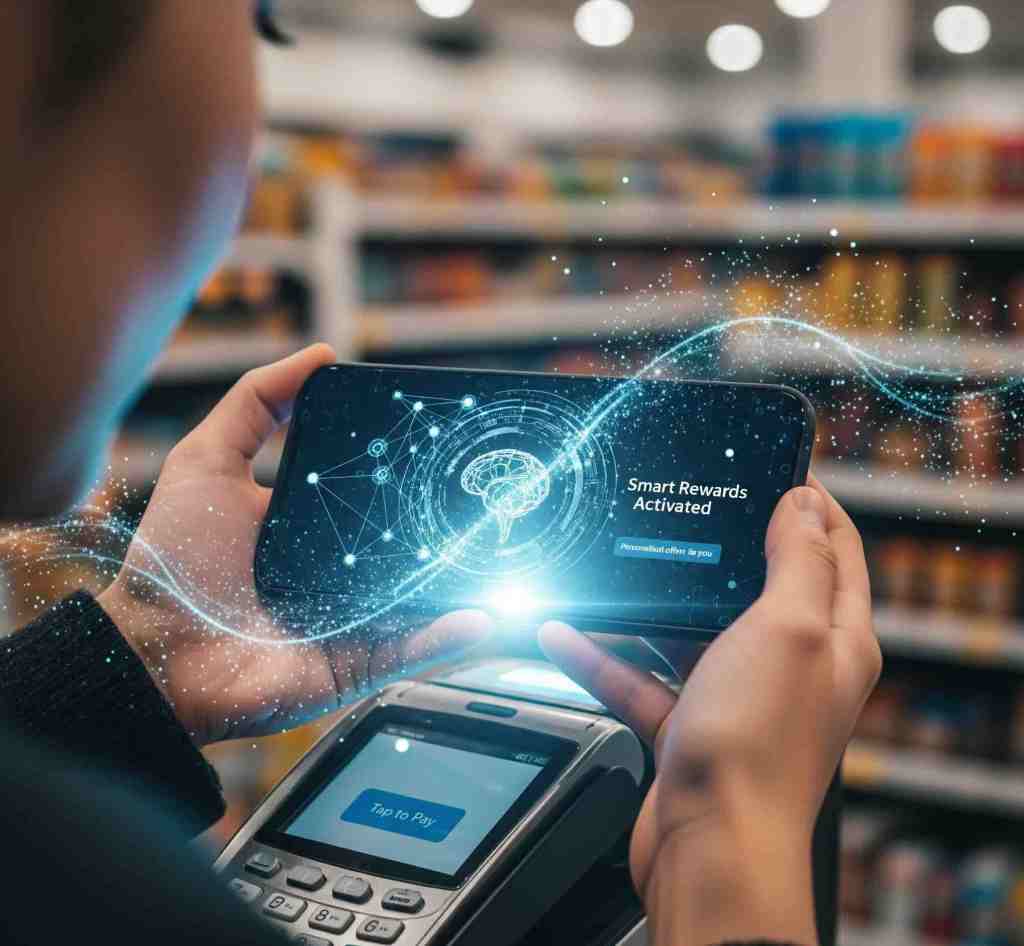
3. Loyalty & AI: The Future of Customer Connection
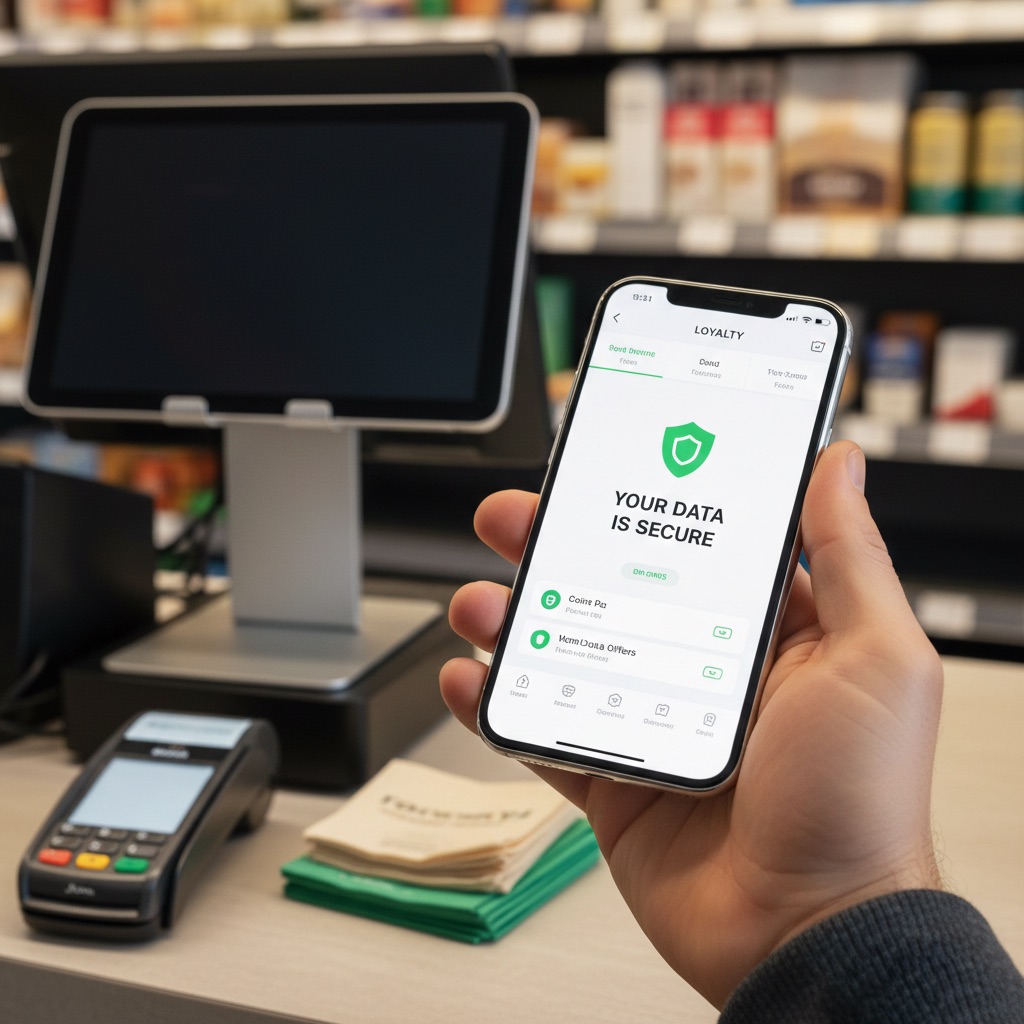
NACS Daily brought us some fascinating takeaways from PDI Connections in their article, “4 Loyalty & AI Takeaways from PDI Connections: Tech.” The key message? Loyalty programs are evolving rapidly, and artificial intelligence is at the heart of that transformation. It’s no longer enough to just offer a punch card; consumers expect personalized experiences, relevant offers, and seamless interaction. AI allows us to understand customer behavior at an unprecedented level, predict their needs, and deliver tailored promotions that truly resonate.
Why You Should Be Interested: In a crowded market, customer loyalty is your gold standard. Generic promotions just don’t cut it anymore. AI-powered loyalty programs can significantly increase repeat visits, boost basket size, and create a deeper connection with your customers. Think about how Amazon knows what you want before you do – that level of prediction is becoming accessible to c-stores, and it’s a game-changer.
What You Should Be Doing:
- Investigate AI-driven loyalty platforms: Explore options that move beyond basic points systems to offer personalized recommendations and targeted promotions.
- Collect and analyze customer data: Understand what your customers are buying, when they’re buying it, and how they respond to different offers. This data is crucial for effective AI implementation.
- Personalize your marketing: Use insights from your loyalty program to send out offers that are genuinely relevant to individual customers, not just mass emails.
- Train your staff on loyalty program benefits: Ensure your team can articulate the value of your program and encourage sign-ups.
Dive deeper into loyalty and AI insights here.
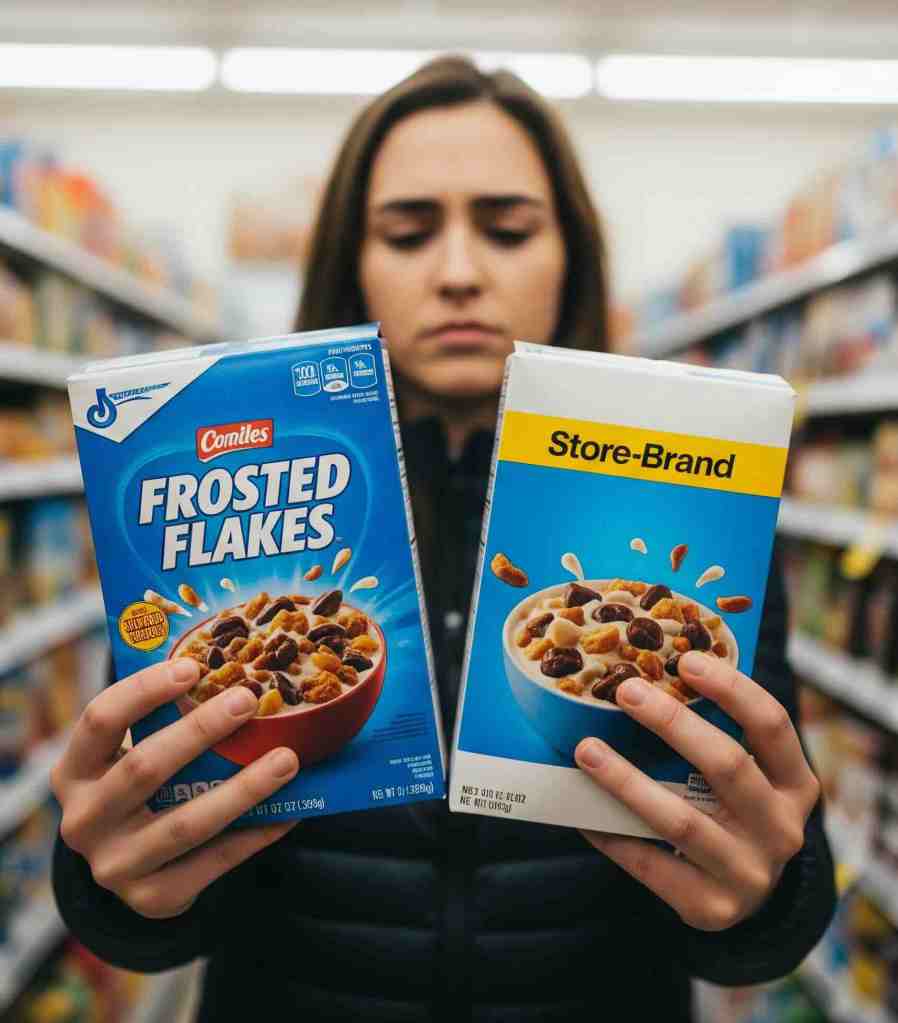
4. Consumer Confidence: Navigating the Shifting Sands
Restaurant Dive’s report, “RMS Survey: Consumer Confidence Falling, Restaurant Traffic,” while focused on restaurants, has significant implications for us in the convenience store space. The article highlights a dip in consumer confidence, leading to a reduction in discretionary spending and, consequently, traffic to eating establishments. When consumers feel less secure about their financial future, they tighten their belts, often cutting back on impulse purchases and eating out.
Why You Should Be Interested: Our industry is not immune to shifts in consumer confidence. While c-stores often benefit from being a more affordable alternative to full-service restaurants, a general decline in spending power can still impact sales, particularly for higher-margin items like prepared foods, premium beverages, and non-essential snacks. Understanding this trend allows us to anticipate changes in purchasing behavior and adjust our strategies accordingly.
What You Should Be Doing:
- Emphasize value: Promote deals and bundles that offer clear savings to budget-conscious consumers.
- Optimize your grab-and-go: Position your prepared food offerings as a convenient and cost-effective alternative to fast food.
- Monitor inventory closely: Be agile in adjusting product mix based on declining or increasing demand for certain categories.
- Reinforce your role as a community staple: Highlight essentials and everyday necessities, reminding customers of your reliability.
Read the full consumer confidence report here.
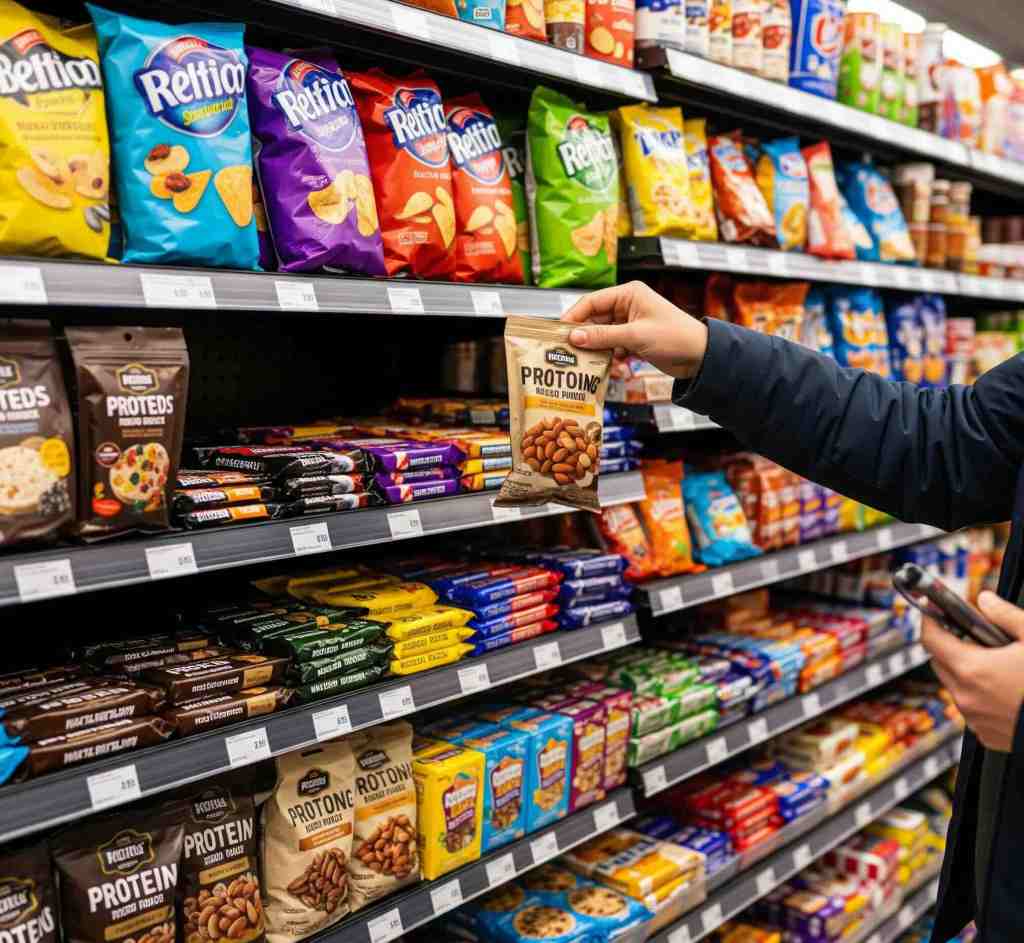
5. Snacks and GLP-1s: A Health Trend to Watch
Finally, FoodNavigator’s article, “Are GLP-1s really the end of bakery, snacks and confectionery?”, sparked some interesting thoughts. GLP-1 agonists, a class of drugs primarily used for diabetes and weight loss (think Ozempic, Wegovy), are gaining significant traction. These medications work, in part, by reducing appetite and cravings. The article explores the potential long-term impact on categories traditionally strong in c-stores: snacks, bakery items, and confectionery. While it’s early days, it’s a trend that warrants our attention.
Why You Should Be Interested: Snacks, bakery, and confectionery are significant revenue drivers for many convenience stores. A growing portion of the population is reducing their consumption of these items due to GLP-1s. This change could represent a shift in consumer demand. We need to prepare for this shift. This isn’t about panic; it’s about foresight and adapting your product mix to evolving health trends.
What You Should Be Doing:
- Diversify your snack offerings: Increase your assortment of healthier, protein-rich, and portion-controlled snacks.
- Focus on ‘better-for-you’ options: Highlight items that align with health and wellness trends, even within traditional categories (e.g., lower sugar, gluten-free).
- Monitor sales data: Keep a close eye on your bakery, snack, and confectionery categories for any long-term dips that might suggest a broader trend.
- Stay informed: Continue to follow developments in health and wellness, and how they might impact consumer purchasing habits. This isn’t just about GLP-1s, but a broader movement towards healthier living.
Learn more about GLP-1s and the snack market here.
The Bottom Line
Here are five critical insights from yesterday’s news. I believe every convenience store owner and operator should consider them. Our industry is dynamic, to say the least. There is continued confidence in new store growth. We see evolving demands around DEI and the power of AI in loyalty. There are subtle shifts in consumer confidence and even the future of our snack aisles with GLP-1s.
The key takeaway for me is this: adaptability is your superpower. The stores that thrive are the ones that are constantly observing, learning, and adjusting. Don’t be afraid to try new things, listen to your customers, and invest in your team. By staying informed and proactive, you’re not just reacting to change, you’re shaping your future success. Keep up the great work, and I’ll be back next week with more insights!


 The5For
Leave a comment