We’ve discussed the strategic shift from transactional to relational retail. We’ve also provided you with a practical toolkit to launch your National Family Meals Month (NFMM) campaign. But a great campaign isn’t just about what you do; it’s about proving that it works. How do you know if your hard work paid off? Today, we’ll give you a robust framework. It will help evaluate your campaign’s success. Focus on four key metrics: community perception, foot traffic, basket size, and sales.
A successful campaign isn’t a one-time event; it’s a stepping stone to sustained growth. The data you collect in September can lay the groundwork for future efforts. Building customer relationships helps cement your store’s identity as a valuable community partner.
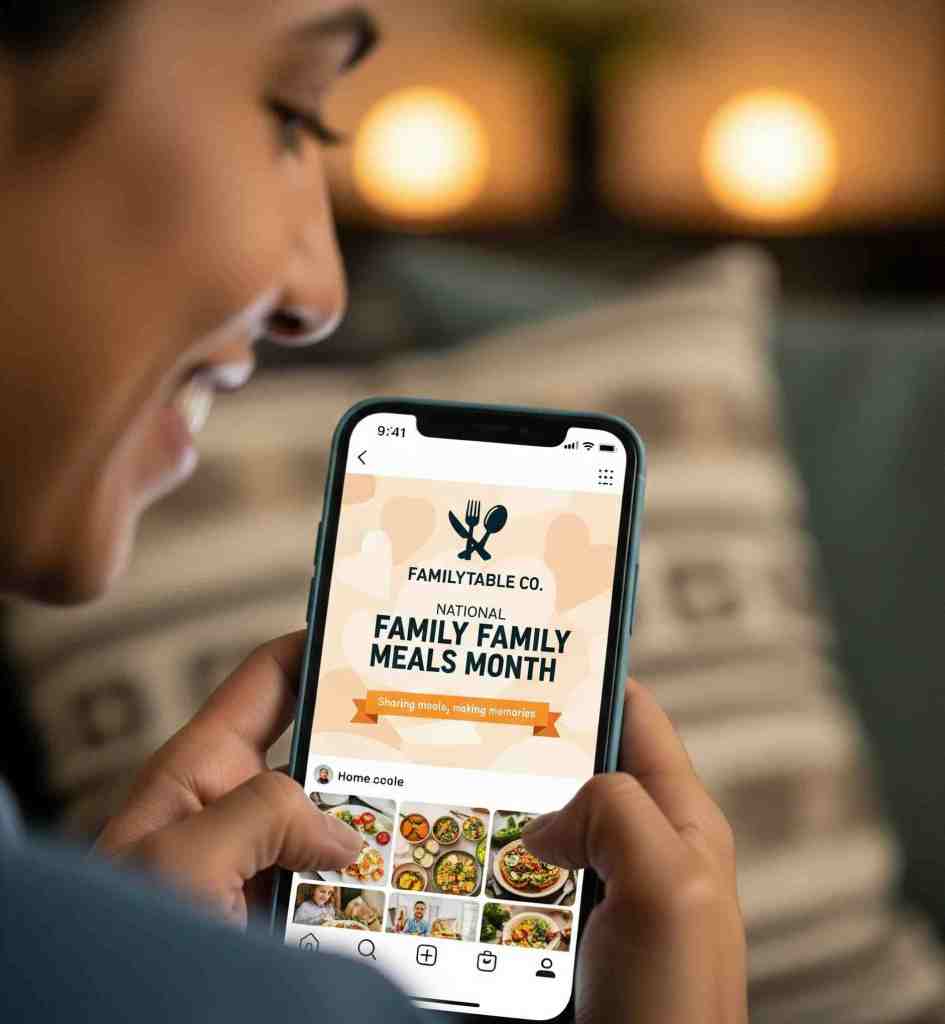
A Framework for Evaluation
1. Community Perception: How did the public respond to your campaign? This can be measured through:
- Social Media Analytics: Track the engagement rate (shares, comments, likes) on your NFMM-related posts. A higher engagement rate means your message is resonating.
- Customer Surveys: A simple in-store or online survey can provide valuable feedback on how your campaign was received. Ask questions about brand trust. Find out if customers are more likely to shop at your store because of your community involvement.
2. Foot Traffic: Did more people visit your store?
- People-Counting Sensors: If you have this technology, you can get precise data. It tracks the number of visitors before, during, and after the campaign. The 11% increase in foot traffic seen in the IKEA case study is a valuable benchmark.
- Wi-Fi or Mobile Data Analytics: Some platforms can track foot traffic through anonymized mobile data. This tracking gives you a clear picture of visitor trends.
3. Basket Size: Did customers who bought a bundle spend more?
- Point-of-Sale (POS) Data: Your POS system is your best friend here. Track the average transaction value of customers who purchase an NFMM bundle. Compare this to your store’s regular average basket size. This provides a clear, quantifiable measure of your bundling strategy’s effectiveness.
4. Sales: Did you generate more revenue?
- POS Data & Profit Margin Analysis: Use your POS data to track the sales performance of newly introduced meal bundles. Monitor the sales of healthy products. The Philadelphia Healthy Corner Store Initiative saw a 60% increase in produce sales. This increase shows the potential for significant revenue growth. You can also analyze the profit margins on these new items to understand the financial impact.

What You Should Be Doing
Here are some key takeaways to ensure you’re set up for success:
- Establish a Baseline: Before your campaign begins, make sure you know your starting numbers for each of the four metrics. This is essential for a true before-and-after comparison.
- Choose Your Tools: Decide which methods you will use to measure each metric. For instance, if you lack people-counting sensors, monitor sales during specific hours. This will give you a rough idea of traffic.
- Create a Simple Report: At the end of September, put together a simple report that summarizes your findings. This will help you identify what worked and what didn’t, so you can make your next campaign even better.
The Bottom Line
Measuring the success of your NFMM campaign is crucial. It’s how you prove the ROI of your efforts and build a case for future investment in purpose-driven initiatives. By tracking community perception, foot traffic, basket size, and sales, you can prove your campaign’s value. This practice also sets your business on a path to sustained, long-term growth.
Next, we’ll take a look back at everything we’ve covered so far. In our sixth post, we’ll provide a comprehensive summary to help you get a clear picture of the full blueprint.


 The5For
Leave a comment