Giving Credit Where Credit Is Due: The idea for this series came from a LinkedIn post by Darleen Scherer that caught my eye and got me thinking about how the points she touched on could help my clients.
The convenience store industry is no stranger to competition. From big-box retailers to quick-service restaurants, you’ve always had to fight for every dollar. But what’s brewing on the horizon is a different kind of threat. It’s not just another coffee shop; it’s a technology company, and its entry into the U.S. market is a strategic, calculated challenge to your most profitable category: coffee.
For years, the hot beverage category has been a cornerstone of your business. It’s a high-margin powerhouse that drives foot traffic and provides a gross margin that can exceed 66% of foodservice sales. This profitability comes from coffee serving as a routine-based morning purchase. It also functions as a driver of impulse buys throughout the day. The American coffee market is a significant and growing sector. It was valued at over $90 billion (about $280 per person in the US) in 2025. It is projected to reach more than $150 billion (about $460 per person in the US) by 2034. Coffee has even surpassed bottled water. It has become the most-consumed beverage in the country. Two-thirds of adults drink it every day. This places the hot beverage category at the financial core of many convenience store operations. It makes it a prime target for a disruptive new entrant.
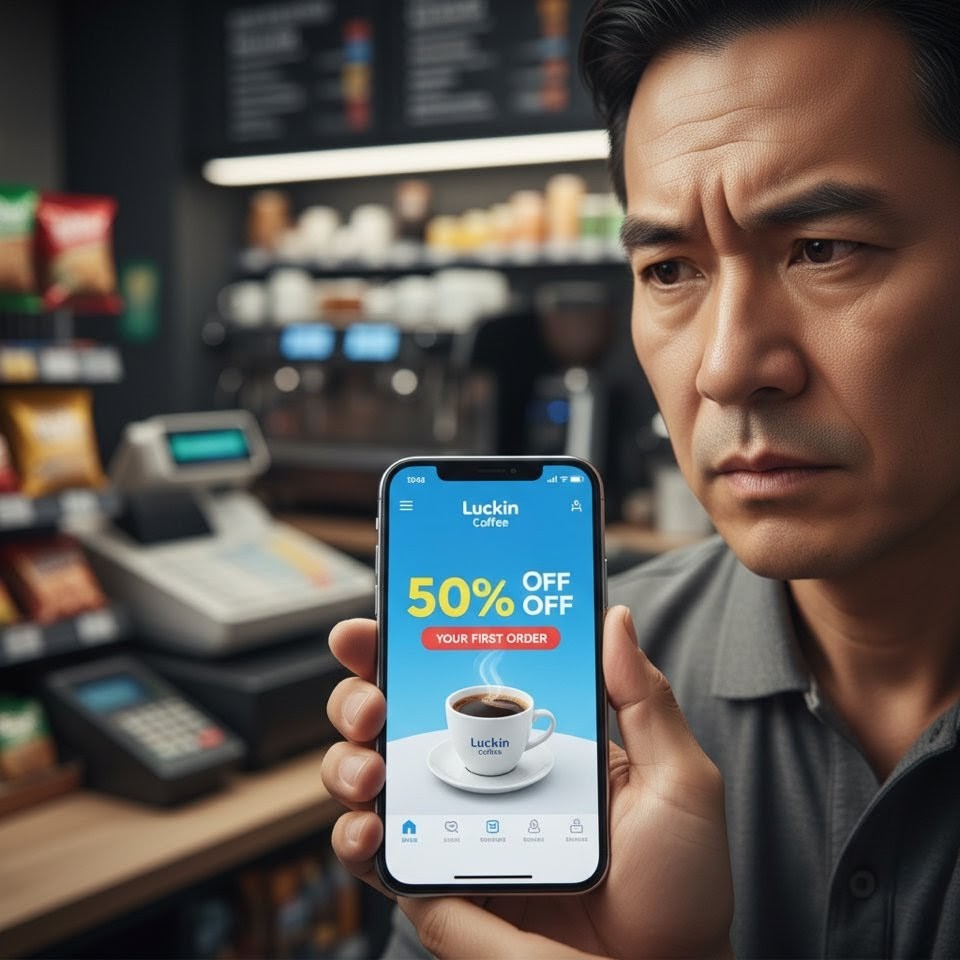
Enter Luckin Coffee. Their playbook is not about building a traditional coffee shop. It’s focused on building an app-first, cashier-less operation. This approach prioritizes rapid scale over immediate per-store profitability. They are willing to offer aggressive promotions and steep discounts of 30% to 50% off menu prices to lure in customers. This is a strategy designed to gain national brand recognition and awareness. They accept this even if it means suffering “smaller losses on a per store basis”. This stands in stark contrast to traditional retail models like Starbucks, which strive for a minimum 15% margin on a “single occasion”.
You cannot win a price war against a heavily capitalized company with a growth-at-all-costs philosophy. Instead, you must leverage the one thing they cannot easily replicate: a physical presence that is rooted in your community and provides a customer experience that transcends a simple transaction.
Over the next six posts, we’ll dive deep into a strategic playbook that will show you how to transform your business from a simple pit stop into a valued, community-anchored destination.
Next up: We’ll explore the strategic differences between a technology-first model and your traditional retail business, and why understanding this gap is the first step toward building a winning counter-strategy.


 The5For
Leave a comment