Giving Credit Where Credit Is Due: The idea for this series came from a LinkedIn post by Darleen Scherer that caught my eye and got me thinking about how the points she touched on could help my clients.
In our last post, we talked about the brewing confrontation with Luckin Coffee and the direct threat they pose to your high-margin coffee category. But to truly understand how to win, you need to look beyond the price per cup. This isn’t a race to the bottom you can win; it’s a battle between two completely different philosophies of retail.

Luckin Coffee’s Model: The Rise of “New Retail”
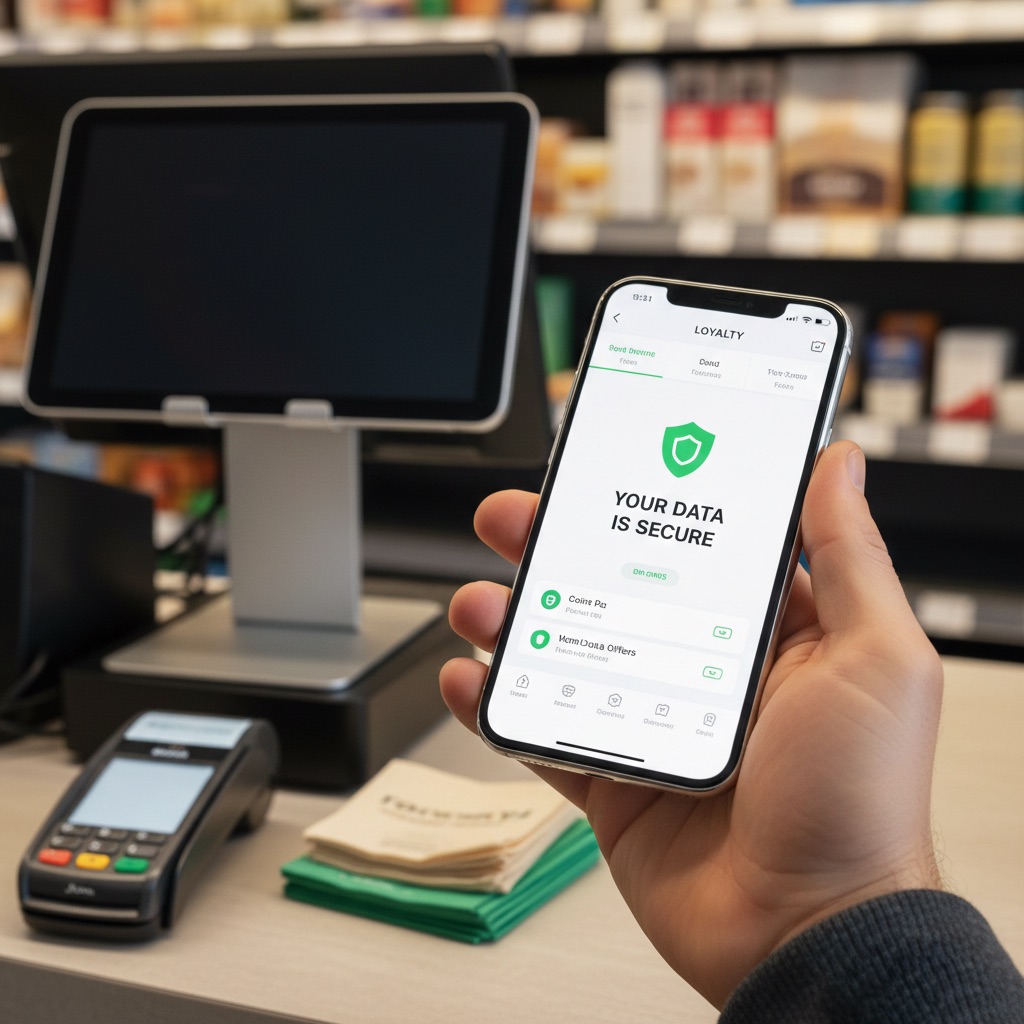
Luckin’s business is built on what’s known as “new retail”, a technology-driven system that combines online, offline, and logistics channels into one seamless experience. Their entire customer journey happens on a mobile app, creating a 100% cashier-less environment. The physical store is little more than a pickup point.
The genius of this model is its relentless focus on speed and efficiency. Their proprietary digital platform and big data analytics manage everything from the supply chain to real-time resource allocation. This has allowed them to expand at a staggering pace, adding nearly 20,000 stores since 2019 and far surpassing Starbucks in China.
Their core competitive advantage is a data-driven customer acquisition strategy. They don’t rely on foot traffic or in-store signage. Instead, they lure new users with irresistible digital promotions like a free cup for first-timers or drinks for under $1. Their pace of product innovation is also key, they constantly roll out new flavors and seasonal offerings, setting a new standard for the industry.
For your business, this means one thing: you cannot compete by simply lowering your price. That’s a losing game. The solution is to lean into the inherent advantages of your business model and build a counter-strategy they cannot replicate.
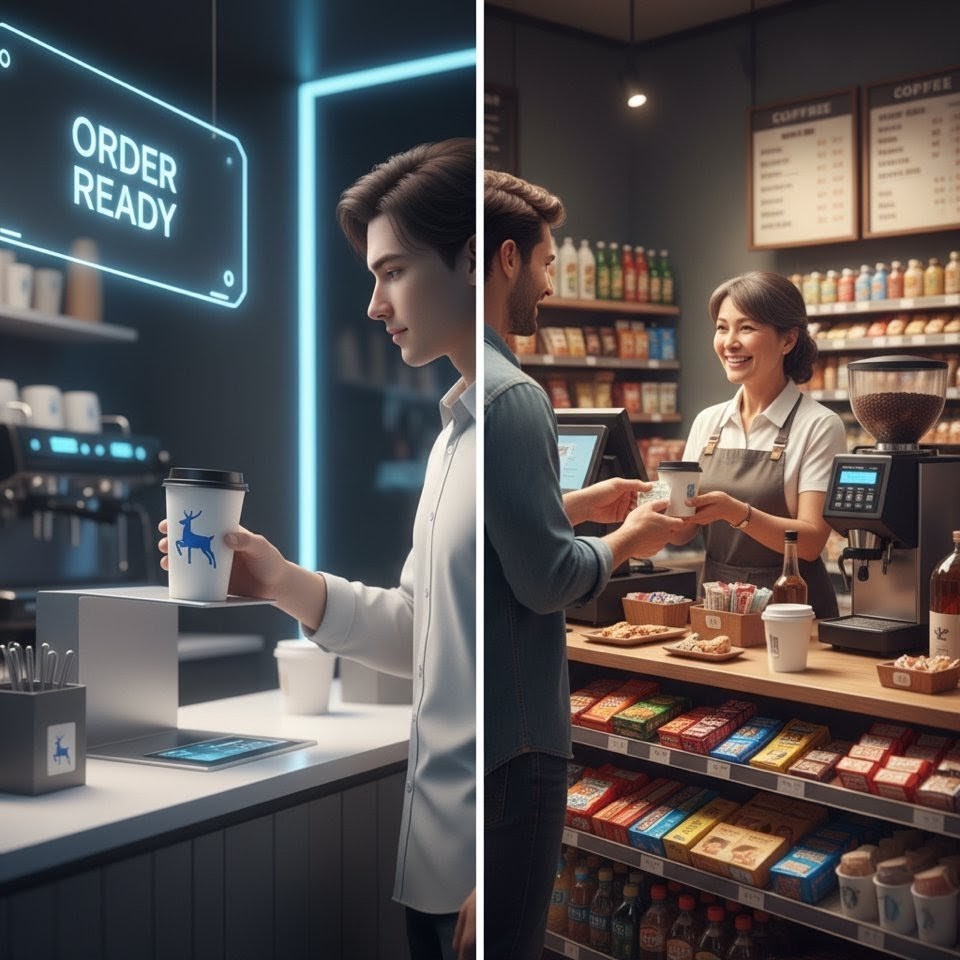
Luckin vs. Your C-Store: The Strategic Differences
- Revenue Drivers: For you, revenue is driven by high-margin in-store sales and the foot traffic that coffee brings in, which then cross-subsidizes lower-margin categories like fuel. For Luckin, it’s all about app-based sales and rapid new store additions, fueled by massive capital investments.
- Profit Margins: Your business model depends on high gross margins on a per-transaction basis (over 66% on hot dispensed beverages) to ensure profitability. Luckin is willing to take losses on a per-store basis for brand awareness, aiming for long-term profitability after achieving massive scale.
- Customer Acquisition: Your customer acquisition is built on the convenience of your location, in-store promotions, and loyalty programs that reward repeat visits. Luckin’s is based on aggressive digital marketing, app promotions, and deep discounts to quickly grow its user base.
- Core Value Proposition: Your brand promise is convenience, proximity, and a one-stop-shop experience for multiple needs. Luckin’s is all about speed, novelty, and value, all delivered through a frictionless, digital experience.
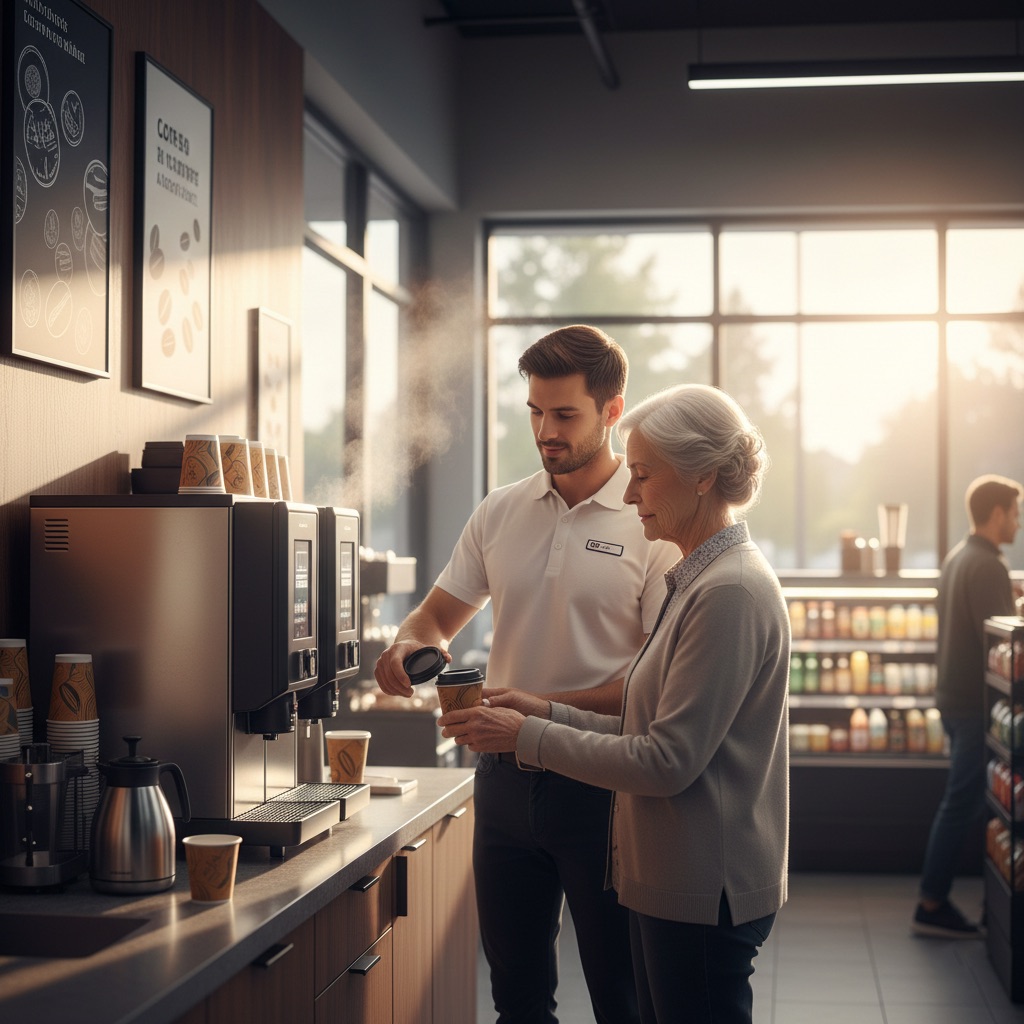
- Operational Model: Your business is physical retail with in-person staff who provide human interaction and a familiar face. Luckin’s is a digital-first, technology-driven platform where the physical store is just a simple pickup location.
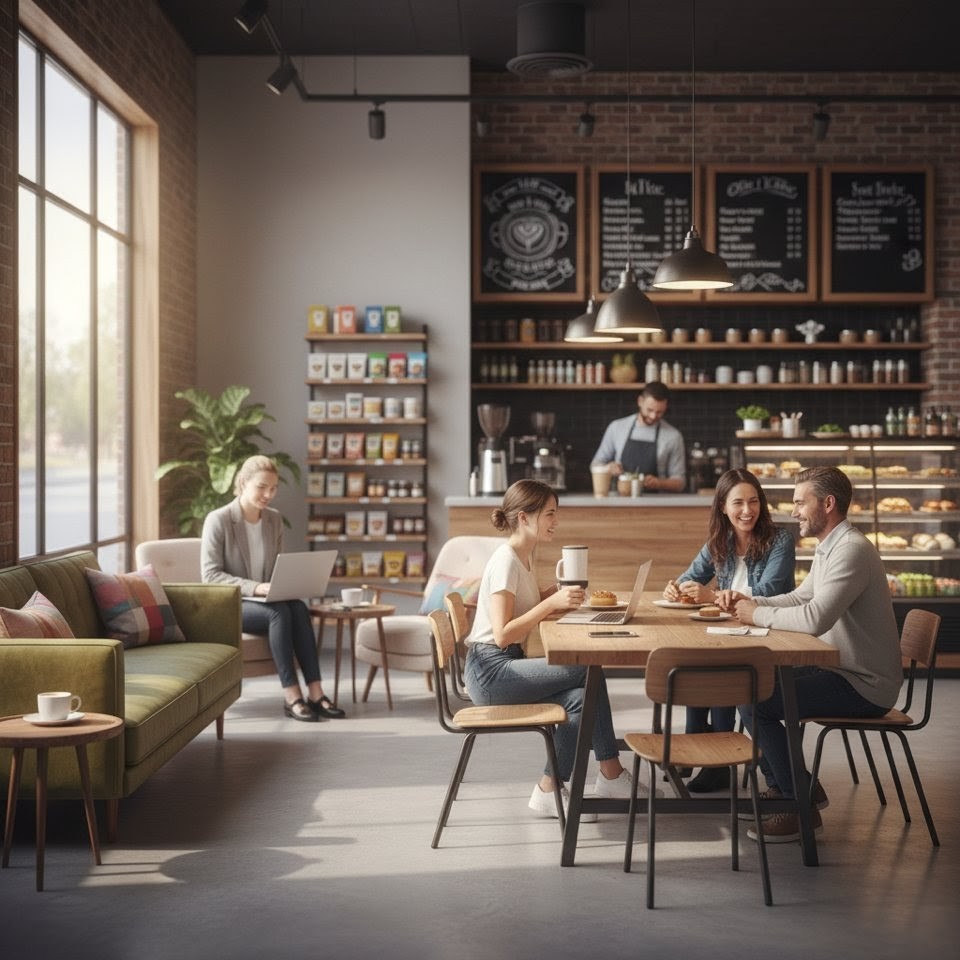
The Bottom Line: Don’t Become Them, Outsmart Them
The key takeaway is this: you are not competing with a coffee shop. You are competing with a technology platform. Trying to copy their model would be a mistake. Instead, you need to use your strengths to build a counter-model, one they cannot replicate.
In our next post, we’ll dive into the first strategic pillar of that counter-model: turning your store from a simple pit stop into a bona fide “Third Place,” a destination where customers feel a sense of community and want to stay.

 The5For
Leave a comment