Giving Credit Where Credit Is Due: The idea for this series came from a LinkedIn post by Darleen Scherer that caught my eye and got me thinking about how the points she touched on could help my clients.
In our last post, we discussed how your business has a powerful, tangible weapon that app-first competitors can’t replicate: your physical space. They’re built on a grab-and-go model, but your store can be something more, a destination.
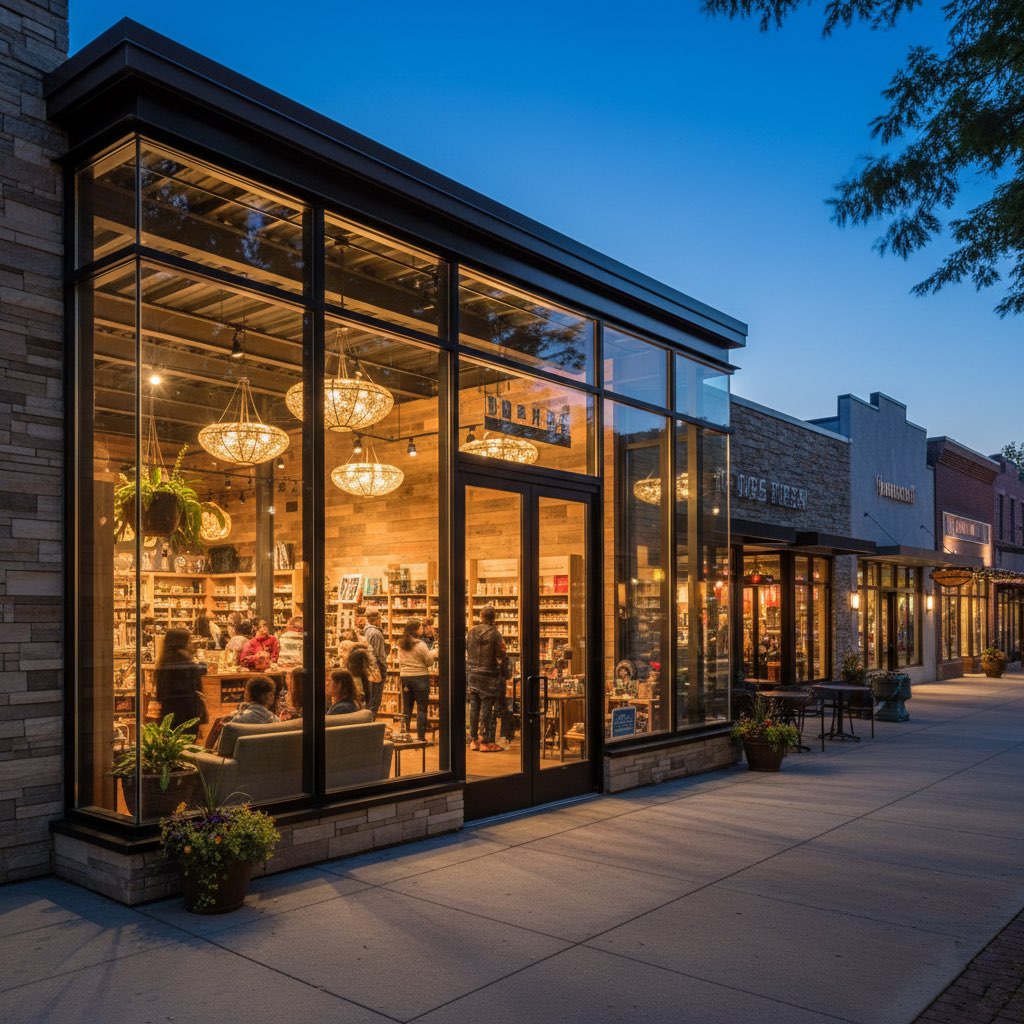
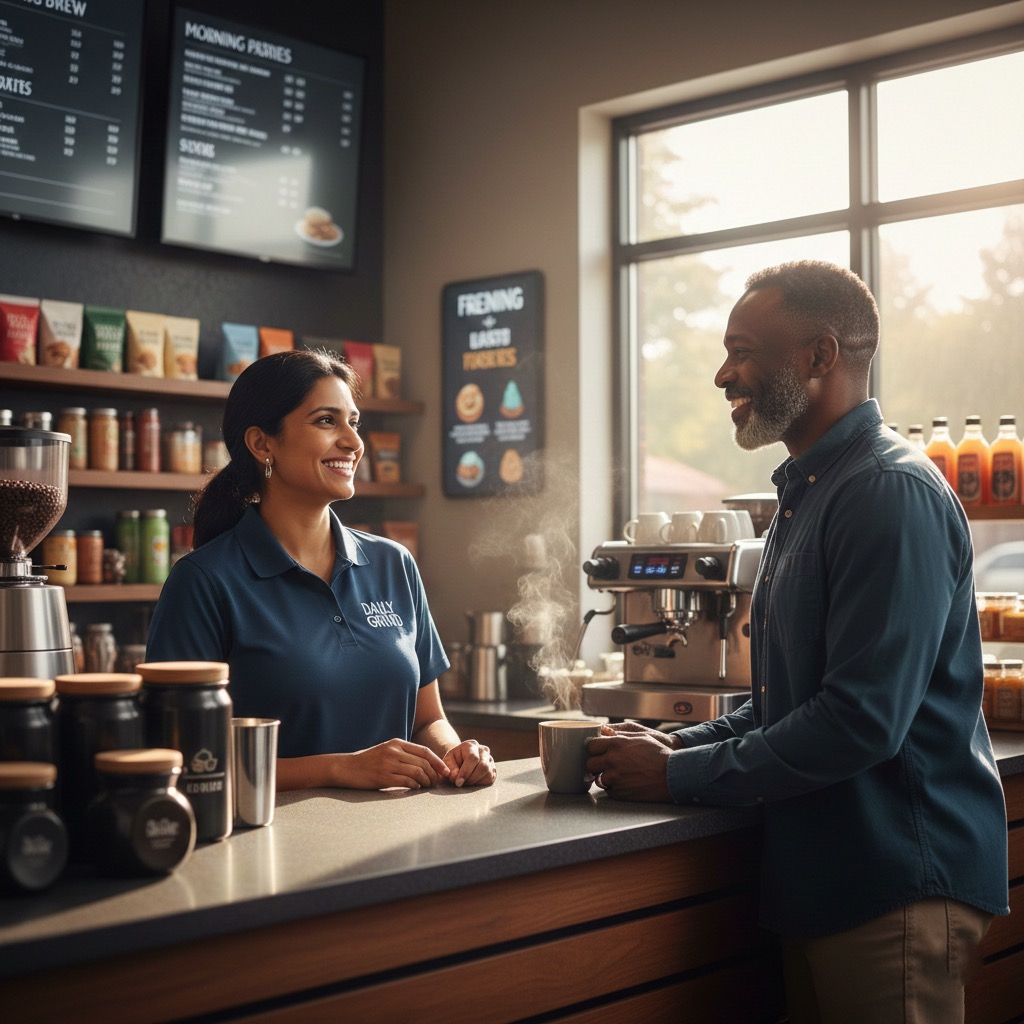
This is where the “Third Place” concept comes in. Originally coined by sociologist Ray Oldenburg, a “Third Place” is a social environment outside of a customer’s home or office. Think of a comfortable coffee shop, a lively bookstore, or even a local barber. It’s a place where people can relax, connect, and feel like part of a community. Oldenburg’s original definition suggested that big chains aren’t the best examples. However, modern convenience store leaders show that you can redefine this model on an industrial scale.
So, how do you turn your store into a place people are willing to go out of their way to visit? By giving them a reason to choose you.
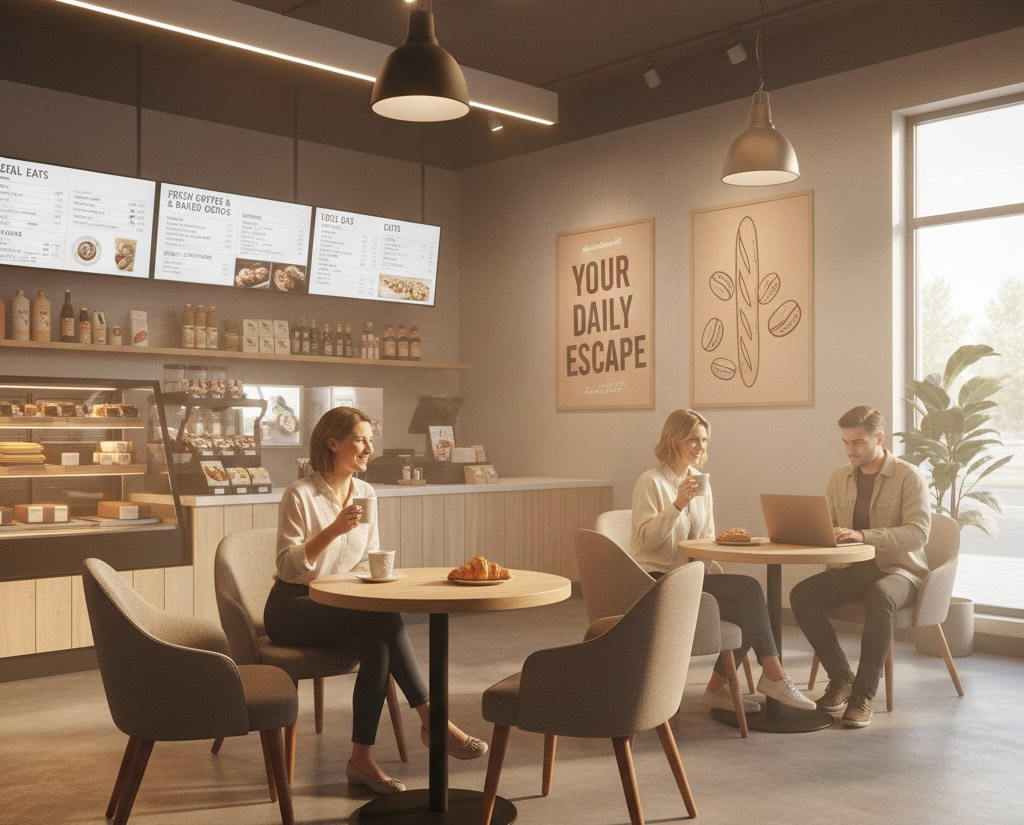
1. Become a Community Hub
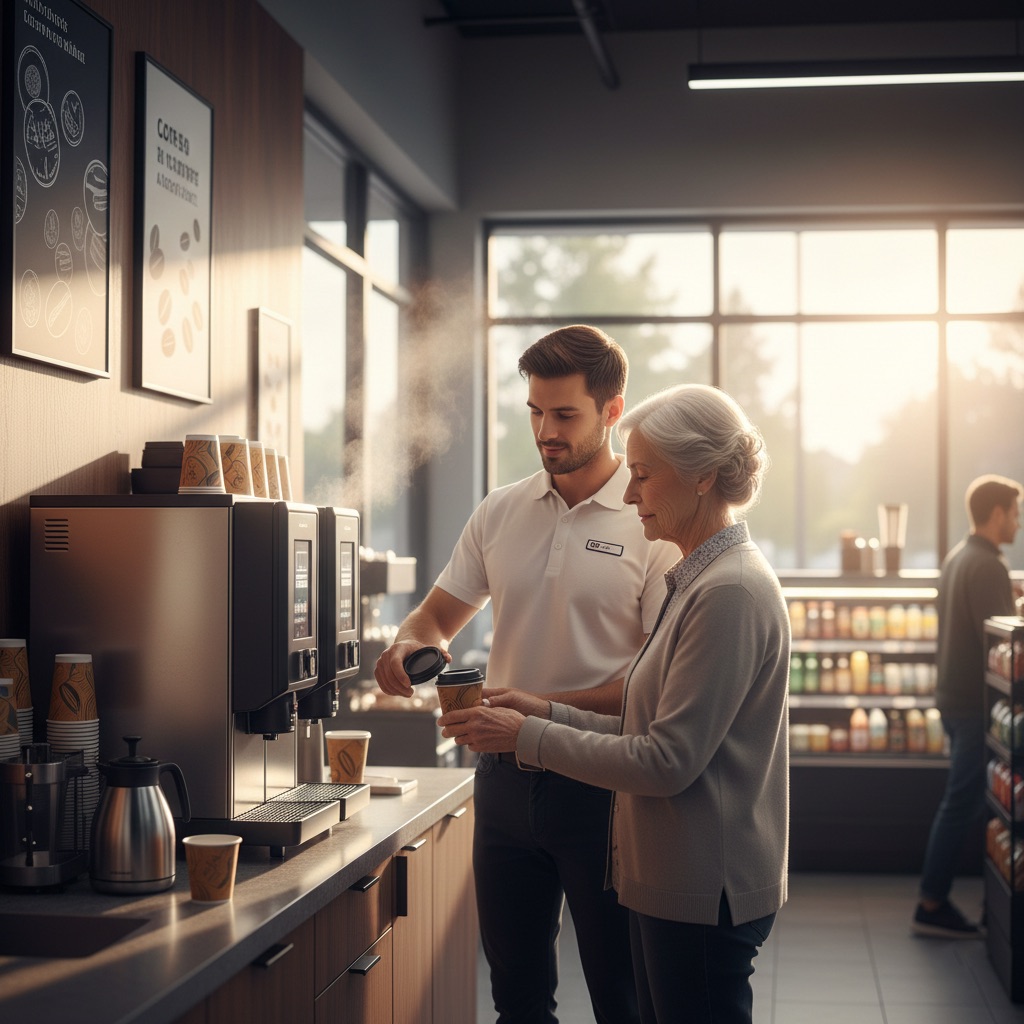
Your goal is to build a store that feels essential to the local community. This means going beyond just selling goods and becoming a vital gathering spot. One way to do this is to host local events, like a monthly “coffee and chat” for seniors, a “meet the maker” event featuring a local food producer, or even a designated space for a local book club. Look at what industry leaders are doing. Buc-ee’s, for example, has become a well-known tourist attraction. Their famously clean restrooms and unique food items draw customers who go out of their way to visit. This isn’t just a coincidence. It’s a strategy that has led to a significantly higher share of weekend visits. This is in comparison to the wider industry average. Similarly, Leo’s, a c-store in Indiana, has created a destination with its freshly made meals and community seating. It also features a drive-thru that allows customers to order almost everything in-store. This includes their favorite kolaches. These aren’t just stores; they are local landmarks where customers know they can find a clean place to stop, a good meal, and a sense of belonging.
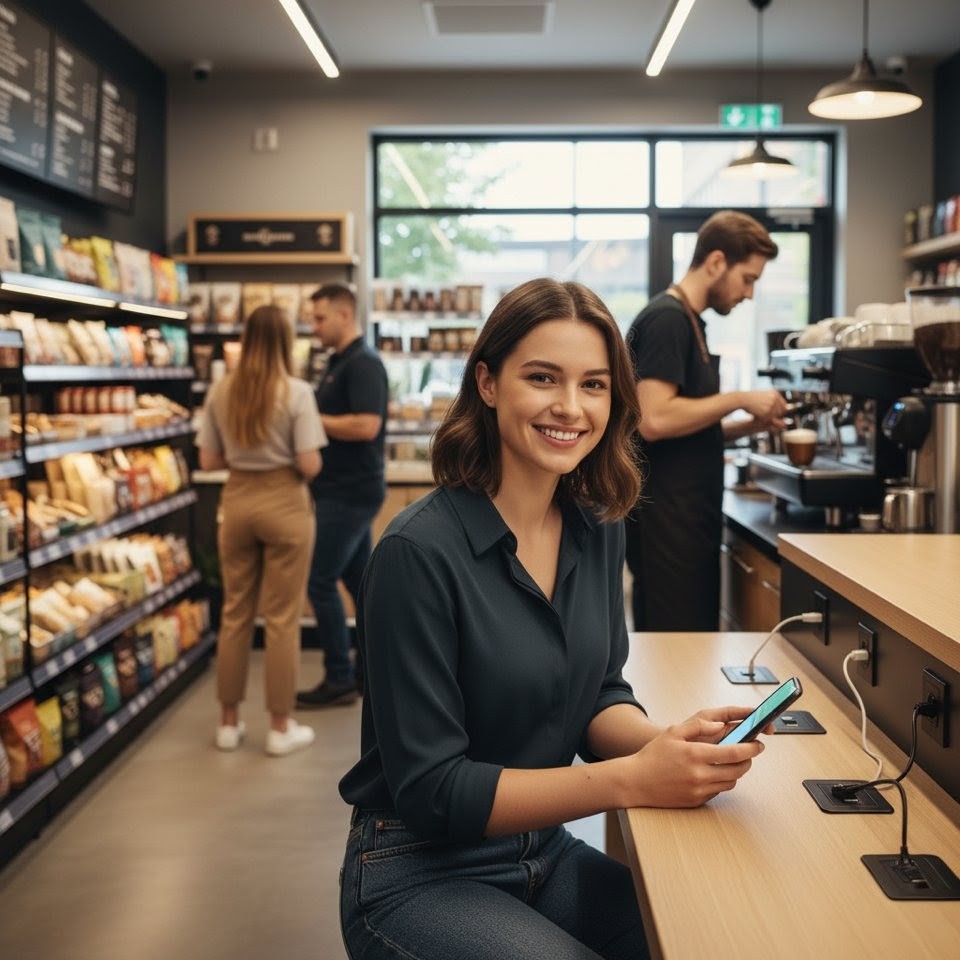
2. Invest in the In-Store Experience
Your physical space is your greatest asset, so use it to your advantage. This means a strategic investment in the things that make a store feel like a place to hang out, not just a place to stop. Consider adding a self-serve coffee bar with gourmet toppings. Create a dedicated area for charging mobile devices. Install interactive digital displays that promote in-store deals or local news. Rutter’s, a leader in this space, has seen a notable increase in visits and customer dwell time by expanding its store footprints and adding amenities like extra seating and popular beer caves. One renovated location experienced a 15.6% year-over-year visit growth, and visitors stayed for a significantly longer time than they did pre-renovation. The message is clear: when you create a comfortable, inviting space with amenities that customers actually want, they will stay longer and spend more.
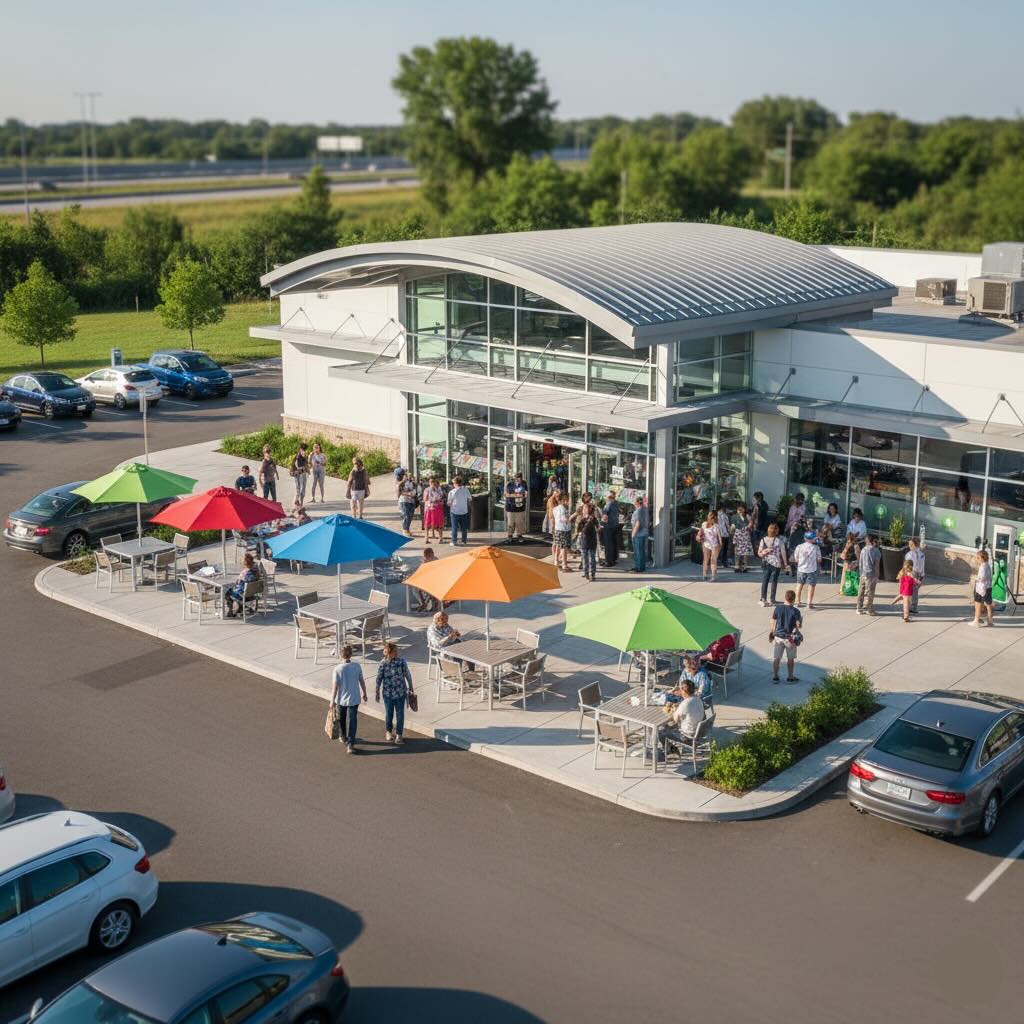
3. Design a Welcoming Vibe
It’s about more than just adding chairs. It’s about designing a space that makes people feel comfortable and safe. This includes using warm, layered lighting that feels less like a sterile grocery aisle and more like a coffee shop. Use clear, simple signage and a well-organized layout to guide customers and make them feel welcome, reducing shopping friction. Consider the sensory experience, is there a pleasant aroma from the fresh food? Is the music at a comfortable volume? Kum & Go’s marketplace stores are a perfect example. They provide this kind of inviting atmosphere with modern decor, free Wi-Fi, and even built-in space heaters for outside seating, encouraging customers to stick around and relax. It’s about creating an atmosphere where a customer feels seen and valued, not rushed.
The Bottom Line: Don’t Just Sell Products, Sell an Experience
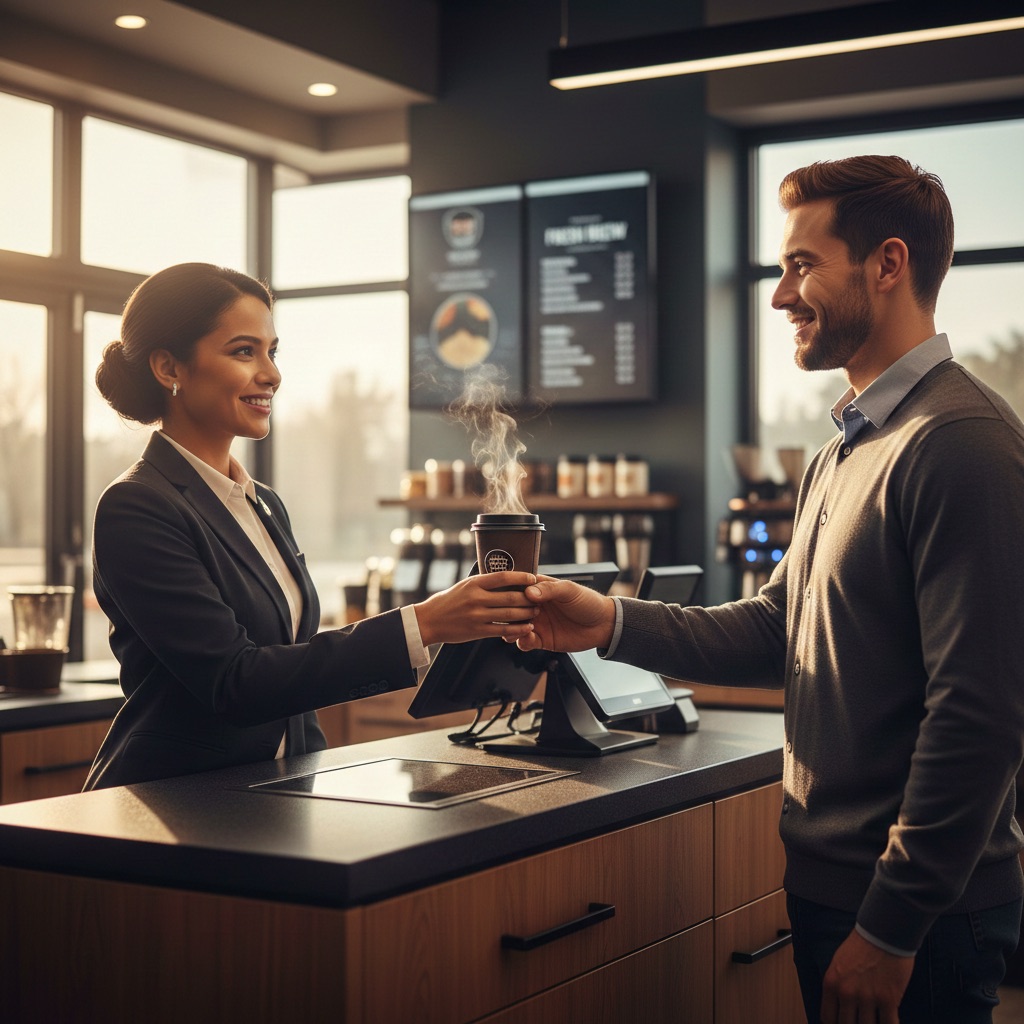
By transforming your convenience store into a destination, you’re not just selling products; you’re selling an experience. You’re giving customers a compelling reason to choose you, not just for a quick transaction but for a moment of connection and comfort. This physical, human-centric advantage is something an app-based competitor simply can’t download.
What’s one change you can make this week to turn your store into a “Third Place”?
In our next post, we’ll take this idea one step further. We will discuss how to “Sell Status, Not Coffee” by creating a brand identity. This identity will build an emotional connection with your customers.

 The5For
Leave a comment